

Thinking about trading in your financed car but unsure where to start? You’re not alone.
Many drivers find themselves stuck, wondering how to handle a trade when they still owe money on their vehicle. The good news is, trading in a financed car is possible—and it can even work to your advantage if you know the right steps.
You’ll discover exactly how to trade in your financed car smoothly, avoid common pitfalls, and get the best deal possible. Ready to turn your current ride into your next one without the stress? Let’s dive in.
Credit: www.youtube.com
Assess Your Loan Details
Before trading in a financed car, you must assess your loan details carefully. This step helps you know exactly where you stand. It also prepares you to handle your trade-in smoothly.
Understanding your loan terms can save you money and avoid surprises. Knowing your payoff amount and any extra fees is key to making smart decisions.
Check Your Payoff Amount
The payoff amount is the total you need to pay to clear your loan. This number includes your remaining balance and any interest up to the payoff date. Contact your lender for the exact payoff figure. It may differ from your current balance. Knowing this helps you compare it with your car’s trade-in value.
Understand Interest And Fees
Loans may have extra fees for early payoff. These can include prepayment penalties or processing fees. Some interest accrues daily, increasing your payoff amount. Ask your lender about all possible fees before trading in. This knowledge prevents surprises and helps plan your budget.
Determine Your Car’s Value
Determining your car’s value is a key step before trading a financed car. Knowing the value helps you understand how much you can get. It also helps you negotiate better with dealers or buyers. The value depends on many factors like condition, mileage, and market trends. Take time to check your car’s worth carefully. This knowledge gives you confidence during the trade process.
Use Online Valuation Tools
Start by using online tools to estimate your car’s value. Websites like Kelley Blue Book and Edmunds offer free estimates. Enter details like make, model, year, and condition. These tools give a price range based on current market data. They are quick and easy to use. Use these numbers as a guide for your car’s worth.
Consider Market Demand
Market demand affects your car’s value a lot. Some cars sell faster and at higher prices. Check which types and models are popular in your area. Seasonal changes can also impact demand. For example, convertibles sell better in summer. Understanding demand helps you set a realistic price. It also prepares you for what to expect in trade offers.
Prepare Your Car For Trade
Preparing your car for trade helps you get a better deal. A neat, well-maintained vehicle looks more valuable to buyers and dealers. Small efforts in cleaning and organizing documents can make a big difference in the trade process.
Clean And Repair
Start by washing your car inside and out. Remove all trash and personal items. Clean the windows and vacuum the seats and floors. Fix small issues like scratches or dents. Replace broken lights or cracked mirrors. A tidy car shows care and attracts better offers.
Gather Maintenance Records
Collect all service and repair receipts. Include oil changes, tire rotations, and major repairs. These papers prove the car was cared for properly. Organized records build trust and help buyers understand the car’s history. Keep them ready to share during the trade process.
Credit: www.consumerfinance.gov
Shop Around For Trade Offers
Trading in a financed car takes some careful steps. One of the best ways to get a good deal is to shop around for trade offers. This helps you understand your car’s value and find the best price. It also gives you more confidence during negotiations. Explore different options before you decide.
Visit Multiple Dealerships
Go to several dealerships to get trade offers. Each dealer may offer a different price for your car. Visit both big and small dealers. Talk to salespeople and ask for a trade-in estimate. Write down the offers so you can compare them later. This effort often leads to better deals.
Get Online Quotes
Use online tools to get trade-in quotes quickly. Many websites ask for your car’s details and give an instant estimate. This saves time and gives you a starting point. Print or save these quotes to show dealers. Online quotes help you see if a dealer’s offer is fair. They add extra info to your decision.
Negotiate To Maximize Value
Trading in a financed car requires careful negotiation to get the best deal. The goal is to reduce what you owe and increase what you receive. Understanding your loan balance and dealer offers helps you gain control. Knowing your options can make a big difference in the final trade-in value.
Leverage Your Loan Balance
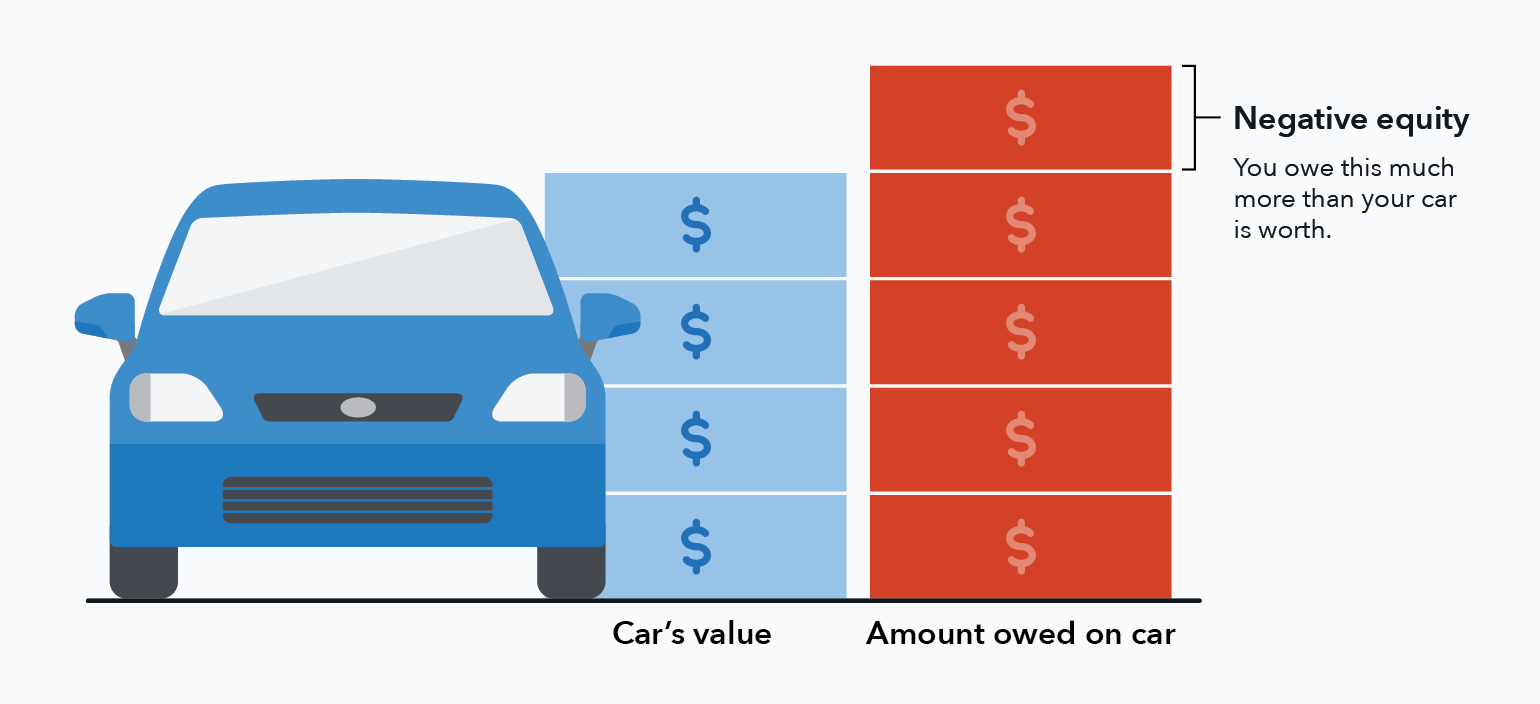
Start by checking your current loan balance. This is the amount you still owe on your car. Compare it to your car’s trade-in value. If the trade-in value is higher, you have positive equity. Use this to negotiate a better deal. If you owe more than the car’s value, try to negotiate for a price that covers your loan.
Explain your loan status clearly to the dealer. Show that you understand your payoff amount. Dealers may offer to pay off your loan as part of the trade-in deal. This can save you money and simplify the process. Stay firm and don’t accept low offers that don’t cover your loan.
Discuss Trade-in Incentives
Dealers often provide special trade-in incentives. These offers can increase your trade-in value or reduce your new car price. Ask about promotions or bonuses for trading in your financed car. These incentives can add real value to your deal.
Incentives may come from the dealer or the car manufacturer. Always request details and terms before accepting. Use these offers as leverage during negotiation. Combining incentives with your loan balance knowledge improves your chances for a better trade.
Handle The Loan Payoff Process
Handling the loan payoff process is a key step when trading in a financed car. Clearing the loan ensures a smooth transaction. It stops any surprises during the trade. You will know exactly what you owe and how to settle it. This helps protect your credit and avoids extra fees.
Coordinate With Your Lender
Contact your lender to get the exact payoff amount. This is the total you must pay to clear the loan. The amount changes daily due to interest. Request a payoff quote in writing. Ask how to send the payment. Some lenders accept electronic transfers or checks. Also, find out the timeline for releasing the lien on your car.
Confirm Payoff Completion
After you send the payoff, check with the lender. Confirm they received the full payment. Ask for a payoff confirmation letter. This document proves your loan is paid off. Keep this letter for your records. It helps avoid future problems with ownership. Ensure the lien on your car title is removed quickly. This clears the way for the trade-in process.
Evaluate Your New Purchase Options
Trading in a financed car means choosing your next vehicle carefully. Your new car should fit your budget and needs. This step helps avoid future surprises and keeps your finances stable.
Think about what you want from your new vehicle. This makes the process smooth and clear. It also helps you find the best deal for your situation.
Consider Financing Deals
Check offers from different lenders and dealers. Look at interest rates and loan terms. Lower rates save money over time. Shorter loans mean less interest paid overall.
Some dealers offer special financing for trade-ins. These deals might include lower rates or bonuses. Compare these offers carefully before deciding.
Assess Vehicle Needs
Think about how you use your car daily. Do you need space for family or cargo? Is fuel efficiency important? Consider safety features and technology too.
Choose a car that fits your lifestyle and budget. Avoid buying extras you don’t need. This helps keep monthly payments manageable.
Credit: www.acuraoftempe.com
Frequently Asked Questions
How Can I Trade In A Car With An Existing Loan?
You must first find your car’s payoff amount from the lender. The dealer will pay off this loan during the trade-in. If the car’s value is less than the loan, you may need to pay the difference or roll it into your new loan.
What Happens To My Loan Balance When Trading In A Financed Car?
The dealer pays off your current loan balance directly to the lender. If your car’s trade-in value exceeds the loan balance, you receive the difference as equity. If the loan is higher, you owe the remaining balance or can include it in your new loan.
Can I Trade In A Financed Car With Negative Equity?
Yes, you can trade in a car with negative equity. The dealer will pay off the loan but you must cover the difference. This amount can sometimes be added to your new car loan, increasing your monthly payments.
Do I Need Lender Approval To Trade In A Financed Car?
Generally, you don’t need lender approval to trade in your financed car. The dealer handles the loan payoff process. However, it’s important to notify your lender and confirm payoff details to avoid any complications.
Conclusion
Trading in a financed car takes some planning and clear steps. Know your car’s value and your loan payoff amount. Talk with your dealer about your options and any extra costs. Make sure you understand how the trade affects your loan.
Take your time to compare offers and choose what fits you best. Doing this helps you avoid surprises and makes trading smoother. Keep these tips in mind to handle your financed car trade with confidence.

