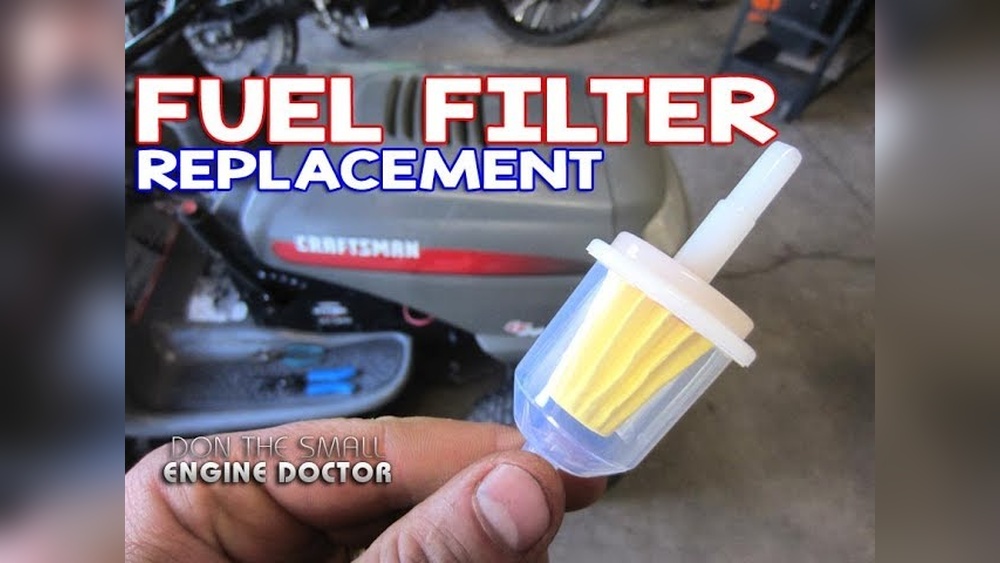
Have you noticed your car’s gas mileage dropping lately? You might be surprised to learn that a dirty fuel filter could be the hidden culprit.
When your fuel filter gets clogged, it can make your engine work harder and use more fuel without you even realizing it. Understanding how this small part affects your car’s performance can save you money and keep your ride running smoothly.
Keep reading to find out why your fuel filter matters and how it impacts every mile you drive.
Credit: www.inmonauto.com
Role Of A Fuel Filter
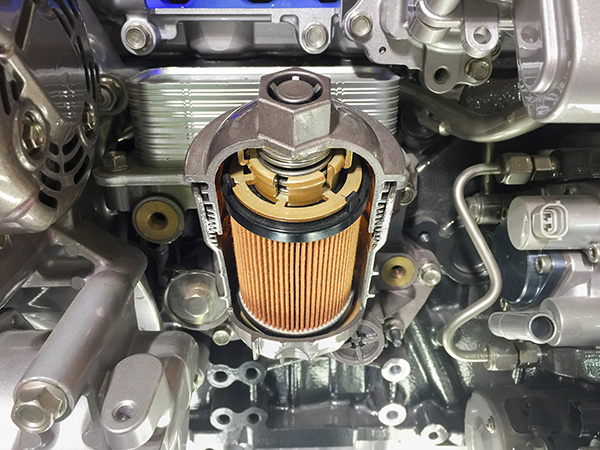
The fuel filter plays a key role in your car’s fuel system. It keeps the fuel clean before it reaches the engine. Clean fuel helps the engine work better and last longer. A dirty fuel filter can block fuel flow. This makes the engine less efficient and lowers gas mileage.
Fuel Filter Basics
The fuel filter is a small part inside the fuel line. It traps dirt, rust, and other particles. These particles come from the fuel tank or fuel itself. The filter stops these impurities from reaching the engine. A clean filter ensures smooth fuel flow. A clogged filter restricts fuel and harms engine performance.
Filtration Process
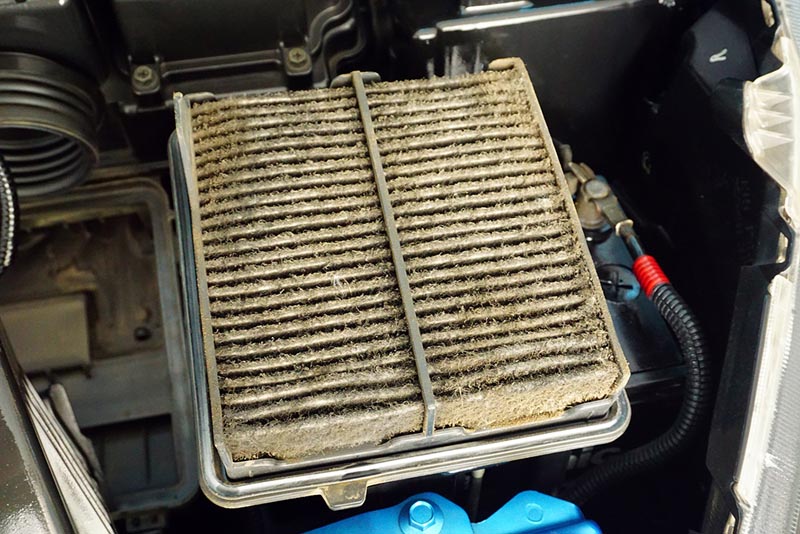
Fuel passes through the filter material. This material catches tiny dirt particles. Clean fuel moves on to the engine parts. The filter must be fine enough to trap harmful debris. At the same time, it allows enough fuel to pass freely. Over time, dirt builds up and clogs the filter. This reduces the fuel flow and causes problems.
Importance For Engine Health
A clean fuel filter protects the engine parts. Dirty fuel can damage fuel injectors and spark plugs. It can cause rough idling, stalling, or hard starts. A blocked filter forces the fuel pump to work harder. This can lead to fuel pump failure. Regular filter changes keep the engine healthy. Healthy engines use fuel more efficiently, saving gas.
Credit: www.westsidecarcareyakima.com
Signs Of A Dirty Fuel Filter
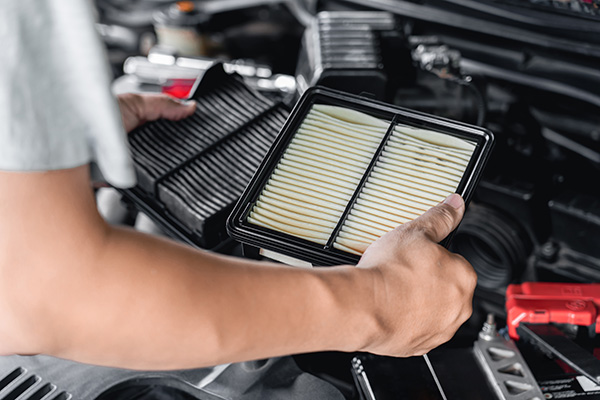
A dirty fuel filter can cause several problems in your vehicle. It blocks the flow of fuel to the engine. This makes the engine work harder and lowers gas mileage. Recognizing the signs of a dirty fuel filter helps you fix the issue early. This keeps your car running smoothly and saves fuel.
Reduced Engine Performance
The engine may feel weak or slow. Acceleration can take longer than usual. The car may struggle to climb hills or carry heavy loads. This happens because less fuel reaches the engine. A clogged filter limits fuel flow and reduces power.
Engine Misfires And Stalls
The engine might misfire or run unevenly. Sometimes, the car may stall while idling or driving. These issues occur when fuel supply is inconsistent. Dirty filters cause gaps in fuel delivery, disrupting engine function.
Fuel Odor And Smoke
You might notice a strong fuel smell near the car. Smoke can come from the exhaust pipe. This happens when the engine burns fuel poorly. A dirty fuel filter can cause incomplete combustion, producing smoke and odors.
Fuel Efficiency And Dirty Filters
A dirty fuel filter can reduce your car’s fuel efficiency. It blocks fuel flow, making the engine work harder. This leads to wasted fuel and lower gas mileage. Understanding how dirty filters affect fuel efficiency helps keep your car running smoothly.
How Fuel Flow Is Affected
A fuel filter cleans dirt and debris from the fuel. When it clogs, fuel flow drops. The engine gets less fuel than it needs. This shortage forces the engine to burn fuel less efficiently.
Impact On Gas Mileage
With less fuel reaching the engine, gas mileage falls. Your car uses more fuel to cover the same distance. This means you spend more money on fuel. A dirty fuel filter can lower miles per gallon significantly.
Increased Fuel Consumption
The engine tries to compensate for poor fuel flow. It burns extra fuel to maintain power. This increases overall fuel consumption. Replacing the fuel filter can restore normal fuel use quickly.
Long-term Damage Risks
A dirty fuel filter can cause serious damage to your vehicle over time. It blocks fuel flow, making the engine work harder. This strain leads to wear and damages parts. Ignoring a clogged filter means risking costly repairs later.
Engine Wear And Tear
Dirty fuel filters let dirt and debris reach the engine. These particles cause friction and damage engine parts. Over time, the engine loses power and runs rough. Regular filter checks protect the engine and keep it smooth.
Fuel Pump Strain
The fuel pump works harder to push fuel through a blocked filter. This extra effort causes the pump to overheat and wear out fast. A worn fuel pump can fail suddenly, leaving you stranded. Clean filters reduce pump stress and extend its life.
Costly Repairs
Ignoring a dirty fuel filter leads to bigger problems. Engine damage and fuel pump failure cost a lot to fix. Repair bills can be much higher than simple filter replacement. Keeping the fuel filter clean saves money and prevents headaches.
Maintenance Tips
Proper maintenance of your fuel filter is key to keeping good gas mileage. A dirty fuel filter blocks fuel flow, making your engine work harder. This wastes fuel and lowers efficiency. Follow simple tips to keep your fuel filter clean and your car running well.
When To Replace Fuel Filters
Check your car’s manual for replacement times. Most cars need a new fuel filter every 20,000 to 40,000 miles. Signs of a clogged filter include rough idling and poor acceleration. Replace the filter promptly to avoid engine damage and save fuel.
Choosing The Right Filter
Select a filter that matches your car’s make and model. Using the wrong filter can cause leaks or poor fit. Choose quality brands to ensure good fuel flow and long filter life. A good filter keeps dirt out and protects your engine.
Diy Vs Professional Service
Changing a fuel filter yourself saves money but needs care. Follow safety steps and use proper tools. If unsure, let a mechanic do the job. Professionals can spot other fuel system problems while replacing the filter. This keeps your car safe and efficient.
Improving Gas Mileage
Improving gas mileage helps save money and reduces trips to the gas station. A clean fuel filter plays an important role in this. It keeps the fuel flow smooth and steady. This lets the engine burn fuel efficiently. Let’s explore ways to improve gas mileage by focusing on fuel filter care and other smart habits.
Regular Filter Checks
Checking the fuel filter often prevents blockages. A dirty filter restricts fuel flow. This makes the engine work harder. The engine then uses more fuel. Replacing or cleaning the filter keeps fuel moving freely. This helps the engine run better. Regular checks also catch problems early. Avoid costly repairs and poor gas mileage by staying ahead.
Additional Fuel-saving Practices
Drive gently. Avoid fast starts and stops. Keep tires properly inflated. Use the right engine oil. Remove heavy items from the car. Turn off the engine when parked. These habits reduce fuel use. Together with a clean fuel filter, they boost gas mileage. Small actions add up to big savings.
Monitoring Fuel Efficiency
Track your fuel use to spot changes fast. Keep a record of miles driven and fuel filled. A drop in mileage signals a possible problem. This could mean a dirty fuel filter. Regular monitoring helps fix issues early. It keeps your car running smoothly and saves fuel costs.
Credit: www.pgfilters.com
Frequently Asked Questions
How Does A Dirty Fuel Filter Reduce Gas Mileage?
A dirty fuel filter restricts fuel flow to the engine. This causes inefficient combustion and forces the engine to work harder. As a result, your vehicle consumes more fuel, lowering gas mileage.
What Signs Indicate A Clogged Fuel Filter?
Common signs include engine misfires, stalling, rough idling, and poor acceleration. You may also notice reduced fuel efficiency and unusual engine noises.
How Often Should A Fuel Filter Be Replaced?
Typically, fuel filters should be replaced every 20,000 to 40,000 miles. Check your vehicle’s manual for specific recommendations to maintain optimal gas mileage.
Can A Dirty Fuel Filter Damage The Engine?
Yes, a dirty filter can cause fuel starvation, leading to engine misfires and damage. It also stresses fuel pumps and injectors, causing costly repairs.
Conclusion
A dirty fuel filter can lower your car’s gas mileage. It blocks fuel flow and makes the engine work harder. This uses more fuel than needed. Cleaning or changing the filter helps your car run smoothly. It saves money on gas and avoids engine problems.
Keep your fuel filter clean to drive better and save fuel. Small maintenance can make a big difference. Don’t wait until your mileage drops. Take care of your fuel filter regularly for best results.