

When it comes to your car’s safety, brake pads and rotors play a crucial role. But what if you notice a squeaking sound or a slight vibration when you brake?
You might be wondering, how easy is it to replace brake pads and rotors yourself? The good news is, with the right tools and a bit of patience, you can do it without needing a mechanic. This guide will walk you through the process step-by-step, helping you save money and gain confidence in maintaining your vehicle.
Ready to find out how simple it really is? Keep reading, and you’ll see just how manageable this task can be.
Credit: www.advicsaftermarket.com
Tools You’ll Need
Replacing brake pads and rotors requires certain tools to do the job right. Having the right tools makes the process easier and safer. Some tools are basic and found in most toolboxes. Others are specialized and help with specific steps.
Basic Tools
A jack and jack stands lift and hold the car safely. Lug wrench removes the wheel nuts. A socket set with ratchet loosens bolts on the brake caliper and rotor. A C-clamp or brake piston tool pushes the caliper piston back. A flathead screwdriver helps pry off old brake pads. Brake cleaner spray cleans the rotor and parts.
Specialized Tools
Some cars need a torque wrench to tighten bolts to exact specs. A brake caliper hanger holds the caliper while changing pads. A rotor puller helps remove stuck rotors. Brake fluid bleeder kit removes air from the brake lines. These tools make the job smoother, especially on newer cars.

Credit: vatire.com
Preparing Your Vehicle
Preparing your vehicle is the first step in replacing brake pads and rotors. This stage sets the foundation for a smooth and safe repair. Taking time here helps avoid mistakes and injury. Proper preparation makes the job easier and faster.
Follow these clear steps to get your car ready before diving into the brake work.
Safety Precautions
Always wear gloves and eye protection. Brake dust can harm your lungs and skin. Work on a flat surface to keep the car stable. Use wheel chocks on wheels that stay on the ground. Keep tools and parts organized nearby.
Lifting The Car
Locate the car’s jack points from the owner’s manual. Place the jack under these strong spots to avoid damage. Lift the car slowly until the tire clears the ground. Use jack stands for extra support. Never rely on the jack alone to hold the car up.
Removing The Wheel
Loosen lug nuts before lifting the car if possible. After lifting, remove the lug nuts completely. Pull the wheel straight off without twisting. Place the wheel aside on a clean surface. This clears the brake area for easy access.
Removing Old Brake Pads And Rotors
Removing old brake pads and rotors is a key part of brake maintenance. It prepares the car for new parts, ensuring safety. The process involves finding the right parts, taking off the caliper, removing the worn pads, and finally the rotor. Each step is simple with the right tools and care.
Locating Components
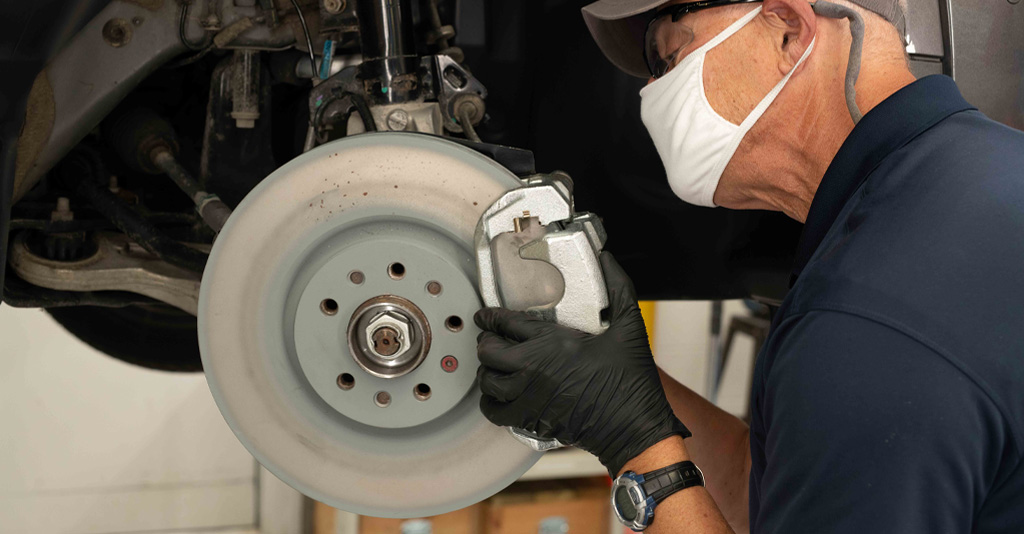
The brake pads and rotors sit behind the wheel. First, lift the car and remove the wheel. The rotor is the round metal disc. The brake pads are inside the caliper, which holds them against the rotor. Knowing their position helps in easy removal.
Removing Brake Caliper
Loosen the bolts holding the caliper to the bracket. Carefully slide the caliper off the rotor. Avoid letting it hang by the brake hose. Use a hook or rest it on a strong surface. This keeps the brake line safe.
Taking Off Old Pads
Push out the old brake pads from the caliper. They may be clipped or slid in place. Sometimes, pads stick due to dirt or rust. Use a flat tool to gently pry them free. Check for wear and damage while removing.
Removing The Rotor
Rotors may be held by screws or rusted tight. Remove any screws first. Tap the rotor gently with a hammer if it does not come off easily. Do not use too much force to avoid damage. Clean the hub before placing a new rotor.
Inspecting Brake Components
Inspecting brake components is an important step before replacing brake pads and rotors. It helps ensure safety and prevents further damage. Careful inspection can save time and money by identifying problems early. Each part plays a key role in the braking system’s performance. Take time to examine each component closely.
Checking Caliper Condition
Calipers hold the brake pads and push them against the rotors. Look for leaks in the caliper seals. Check if the caliper slides move smoothly. Rust or damage can cause uneven braking. Test the piston for proper movement. A stuck caliper can wear out pads quickly.
Assessing Rotor Wear
Rotors should have a smooth surface with no deep grooves. Measure rotor thickness using a micrometer or caliper tool. Thin rotors can cause brake vibration or failure. Look for signs of warping or cracks. Surface rust can be cleaned but deep damage needs rotor replacement.
Evaluating Brake Hardware
Brake hardware includes clips, springs, and pins that hold pads in place. Check for corrosion or broken parts. Worn hardware can cause noise and uneven pad wear. Replace any damaged or missing components. Proper hardware helps the brakes work quietly and effectively.
Installing New Rotors
Replacing brake pads and rotors is a straightforward task with basic tools and some patience. Many car owners find it doable at home by following simple steps. Careful work ensures safer brakes and smoother driving.
Installing new rotors is an important step in brake maintenance. It helps the brakes work smoothly and safely. The process is simple but requires care. Proper installation ensures your brakes last longer and perform well.
Two key steps in installing rotors are cleaning the rotor surface and securing the rotor. These steps prevent issues like noise, vibration, and uneven wear.
Cleaning The Rotor Surface
New rotors often have a protective oil coating. This coating must be cleaned off before installation. Use brake cleaner spray and a clean cloth. Spray the rotor surface well and wipe it fully. This removes oil and dirt that reduce brake grip.
Cleaning the rotor surface helps the brake pads grip better. It also reduces noise and improves braking power. Skip this step, and you may hear squealing or feel uneven braking.
Securing The Rotor
Place the rotor on the wheel hub carefully. Align the holes with the hub bolts. Some rotors use screws to hold them in place. Tighten these screws gently with the right tool. Do not overtighten to avoid damage.
Next, reattach the caliper bracket and brake caliper. Tighten all bolts to the correct torque. This keeps the rotor firmly in place and prevents movement during braking.
Properly secured rotors ensure safe and smooth braking. Loose rotors can cause vibrations and uneven brake pad wear. Always double-check the tightness before finishing the job.
.jpg)
Credit: www.cbac.com
Replacing Brake Pads
Replacing brake pads is a key part of car maintenance. It helps keep your car safe and stops it from making noise. The process is simple but needs care and the right tools. Understanding each step makes the job easier and faster.
Brake pads wear out over time and must be changed to keep brakes working well. This task can save money and improve your car’s performance. Let’s break down the main steps to replace brake pads correctly.
Applying Brake Grease
Start by cleaning the brake parts. Apply brake grease to the back of new pads. This stops noise and helps smooth movement. Avoid getting grease on the pad surface. Use a small amount for best results.
Positioning New Pads
Place the new pads carefully in the caliper bracket. Make sure they fit snugly and align with the rotor. Check both sides to ensure even contact. Proper positioning avoids uneven wear and brake problems.
Compressing The Caliper Piston
Use a C-clamp or brake tool to push the piston back. This creates space for the new, thicker pads. Do it slowly to avoid damaging the piston. Fully compressed piston allows the caliper to fit over the new pads.
Reassembling And Testing
Reassembling and testing are key steps after replacing brake pads and rotors. These steps ensure your brakes work safely and properly. Taking time to reattach parts correctly prevents problems later. Testing confirms everything functions as it should.
Reattaching The Caliper
Place the caliper back over the new rotor and pads. Align it carefully to avoid damage. Secure the caliper bolts tightly. Use a torque wrench if possible to get the right tightness. Loose calipers can cause noise or brake failure.
Mounting The Wheel
Put the wheel back on the hub. Hand-tighten the lug nuts in a star pattern. This keeps the wheel centered and secure. Lower the vehicle slightly to let the wheel touch the ground. Finish tightening the lug nuts with a wrench.
Lowering The Vehicle
Use the jack to slowly lower your vehicle to the ground. Remove the jack once the car is fully down. Make sure the car rests on a flat surface. This step is important for stability before testing brakes.
Brake Test
Start the engine and press the brake pedal gently. Feel for firmness and proper resistance. Test at low speed in a safe area. Listen for strange noises or vibrations. A good brake test confirms the job is done right.
Tips For A Smooth Replacement
Replacing brake pads and rotors can seem hard at first. Simple tips can make the job easier and safer. Knowing the right steps helps avoid problems and saves time.
Careful planning and the right tools make the process smooth. Taking your time and working carefully leads to better results. Here are some tips to help with a smooth brake replacement.
Avoiding Common Mistakes
Always double-check the parts before starting. Using the wrong parts can cause damage and poor braking. Clean the rotor surface well to avoid noise and uneven wear. Tighten bolts to the correct torque to keep everything secure. Never reuse old brake pads or rotors; they wear out and can be unsafe. Test the brakes gently after replacement to ensure proper function.
When To Seek Professional Help
Call a mechanic if you feel unsure about the process. Complex brake systems need special tools and skills. Strange noises or vibrations after replacement require expert checks. If the brake fluid leaks or the pedal feels soft, get professional help immediately. Safety is key, so don’t risk driving with faulty brakes.
Frequently Asked Questions
How Difficult Is It To Replace Brake Pads And Rotors?
Replacing brake pads and rotors is moderately easy with basic tools. It requires removing the wheel, caliper, and old parts, then installing new ones. Following step-by-step instructions helps ensure safety and proper function. Experience with car maintenance makes the process smoother.
What Tools Do I Need To Replace Brake Pads And Rotors?
You need a jack, lug wrench, socket set, C-clamp, and brake cleaner. These tools help remove wheels, loosen bolts, compress calipers, and clean parts. Having the right tools ensures a safe and efficient brake replacement process.
How Long Does It Take To Replace Brake Pads And Rotors?
Replacing brake pads and rotors usually takes 1 to 2 hours. Time varies by vehicle type and experience level. Proper preparation and following instructions can speed up the process while ensuring quality work.
Can I Replace Brake Pads And Rotors Myself Safely?
Yes, you can replace them safely with proper tools and instructions. Always work on a flat surface, use jack stands, and avoid rushing. If unsure, consult a professional to prevent accidents or damage.
Conclusion
Replacing brake pads and rotors is not as hard as it seems. With the right tools and steps, anyone can do it safely. Take your time and follow instructions carefully. This job saves money and helps you learn more about your car.
Always check your work before driving. Regular maintenance keeps your brakes working well. Try it once, and you’ll feel more confident next time. Simple, clear steps make the process easier for everyone.


