Have you ever wondered how a pressure washer can make your car look spotless in minutes? You might think it’s just about spraying water, but there’s more to it than meets the eye.
Understanding how a pressure washer cleans your car can help you get the best results without damaging the paint. You’ll discover the simple science behind the power and precision of pressure washing, so you can keep your car shining like new every time.
Ready to find out how this tool works its magic on your ride? Keep reading!
How Pressure Washers Work
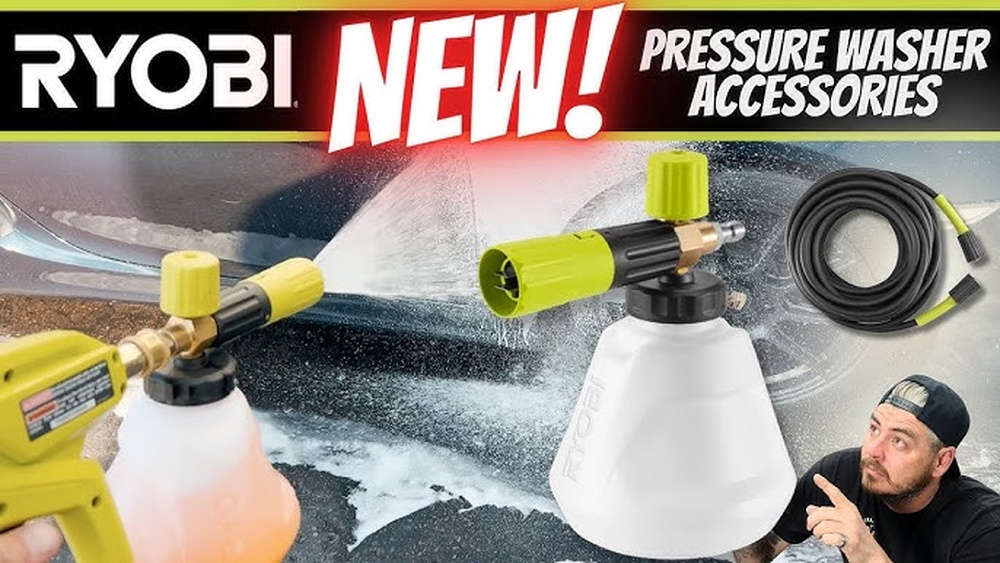
Pressure washers clean cars by using powerful water jets. They remove dirt and grime quickly without scratching the paint. Understanding how pressure washers work helps you use them safely and effectively.
Basic Mechanics
A pressure washer has a motor that powers a pump. The pump takes water from a hose and pushes it out at high pressure. This water flows through a nozzle that focuses the spray. The strong jet breaks dirt away from the car’s surface easily.
Types Of Pressure Washers
There are electric and gas pressure washers. Electric models are quieter and lighter. Gas models are stronger and better for heavy-duty cleaning. Both types clean cars well if used with care.
Water Pressure And Flow Rate
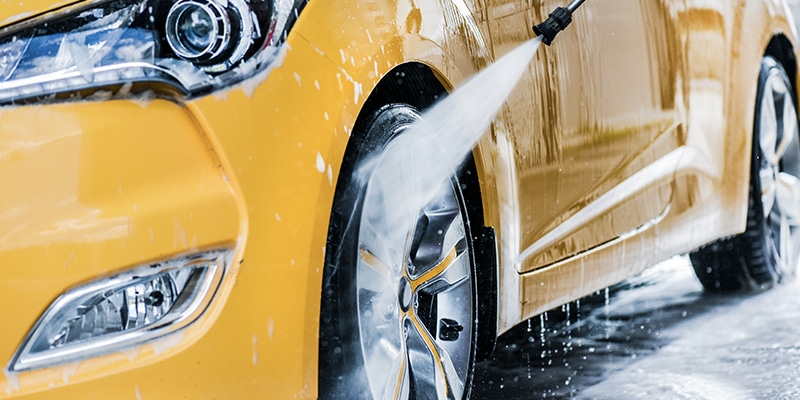
Water pressure is measured in PSI (pounds per square inch). Higher PSI means a stronger spray. Flow rate is how much water flows out, measured in GPM (gallons per minute). A good balance of PSI and GPM cleans cars without damage.
Credit: washh.com
Preparing Your Car For Washing
Preparing your car for washing is an important step before using a pressure washer. It helps protect the paint and ensures a better clean. Taking time to prepare saves effort and avoids damage.
Choosing The Right Location
Select a flat, open area for washing your car. Avoid places where water runoff can harm plants or enter storm drains. A driveway or concrete surface works best. Make sure the spot has good drainage and shade to prevent water spots on your car.
Pre-rinse Steps
Remove loose dirt and debris from your car before pressure washing. Use a gentle hose spray or a soft brush to clear dust. Close all windows and doors tightly. Cover sensitive areas like mirrors and air vents with plastic if needed. This protects your car from water damage.
Selecting The Proper Detergent
Choose a detergent made for cars and pressure washers. Avoid harsh chemicals that can damage paint or rubber parts. Look for biodegradable and gentle formulas. Dilute the detergent as instructed to avoid soap buildup. Using the right soap helps remove grease and grime effectively.
Using A Pressure Washer On Cars
Using a pressure washer on cars can make cleaning faster and easier. It removes dirt and grime without scrubbing hard. But, using it the right way keeps the car safe from damage. Knowing the right pressure, distance, and technique helps get the best results.
Pressure washers spray water at high speed. This power cleans tough stains and dirt from the car’s surface. Careful use keeps the paint and parts intact. Let’s explore the key points for safe and effective washing.
Recommended Pressure Settings
Use a pressure between 1200 and 1900 PSI for cars. This pressure is strong enough to clean but gentle on paint. Too high pressure can harm paint and trim. Choose a nozzle with a wide spray to spread water evenly.
Safe Distance And Angles
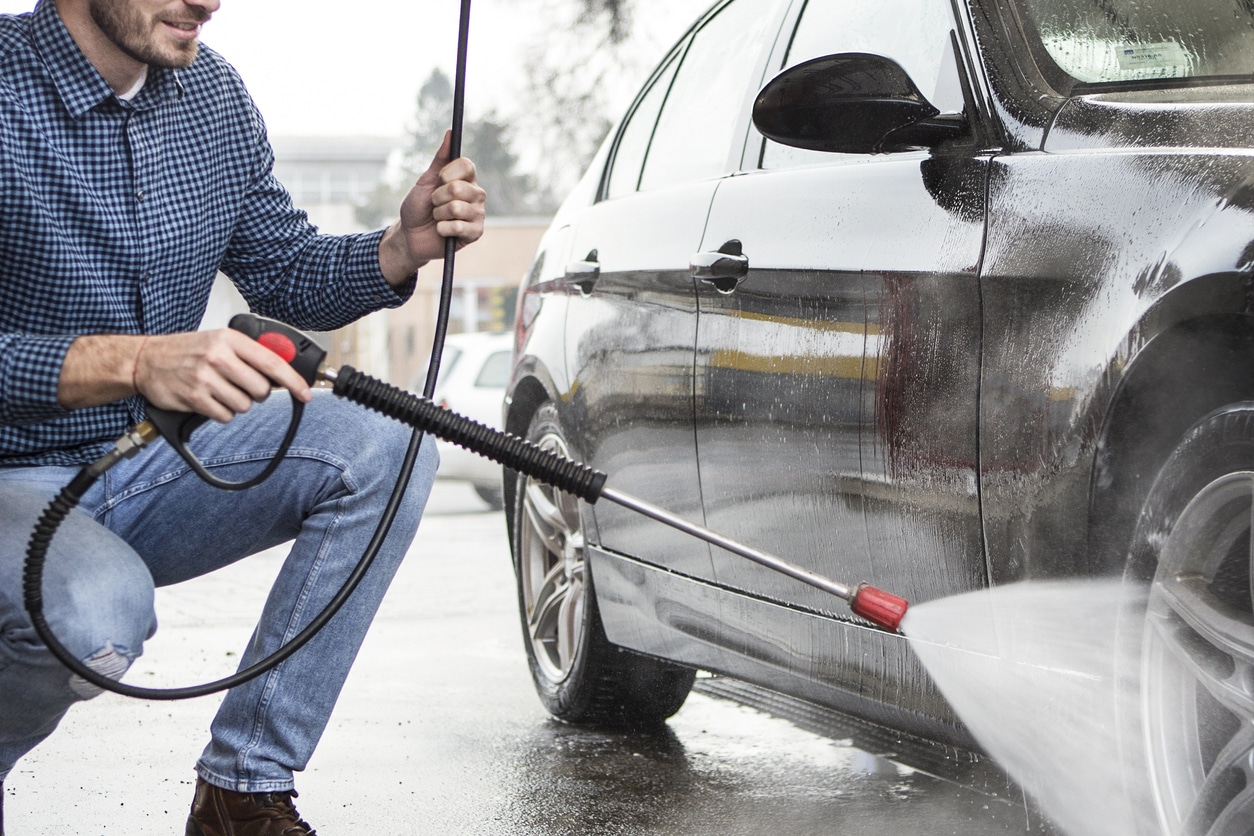
Keep the nozzle 12 to 18 inches away from the car. Closer distances may cause scratches or paint damage. Spray at a 45-degree angle to avoid direct hits. This angle helps remove dirt without pushing water inside parts.
Effective Washing Techniques
Start from the top and work downwards. This way, dirt flows down and cleans easily. Use smooth, side-to-side movements for even coverage. Avoid staying too long on one spot. Rinse the car fully before using soap.
Targeting Tough Dirt And Stains
Pressure washers use strong water jets to clean tough dirt and stains from cars. They reach places that are hard to scrub by hand. The high pressure breaks down grime and lifts it away quickly. This method saves time and effort while protecting the car’s paint.
Removing Mud And Road Grime
Mud and road grime stick tightly to the car’s surface. The pressure washer blasts water at high speed to loosen and wash away these layers. The force of the water reaches into small crevices and wheel wells. This clears away dirt that regular washing might miss. It also helps prevent scratches by removing grit without rubbing.
Dealing With Bug Splatter
Bug splatter can be stubborn and hard to remove. Pressure washers soften the dried bugs by spraying water with strong pressure. This breaks down the sticky residue quickly. The water then washes the bugs away without scrubbing. This protects the car’s paint and keeps the surface smooth and clean.
Cleaning Wheels And Tires
Wheels and tires collect brake dust, grease, and dirt easily. The pressure washer targets these areas with focused water jets. It cleans off grime stuck in wheel spokes and tire grooves. This deep cleaning improves the car’s look and helps maintain tire condition. The strong water removes dirt that brushes alone cannot reach.
Avoiding Damage To Your Car
Using a pressure washer to clean a car can save time and effort. It removes dirt and grime quickly. Yet, high water pressure can harm your car’s surface. Protecting your vehicle during washing is important. Knowing which areas are sensitive helps avoid damage. Following safe cleaning steps keeps your car looking its best.
Sensitive Areas To Protect
Focus on shielding parts like mirrors, windows, and lights. These areas have seals that water pressure can break. Avoid spraying directly at door seals and vents. Tires and rims can handle pressure but avoid close spraying. Paint and decals need gentle care to prevent scratches.
Common Mistakes To Avoid
Never use the highest pressure setting on your car. Holding the nozzle too close can chip paint. Avoid using harsh detergents that strip wax or paint. Do not spray water inside engine compartments or electrical parts. Skipping a pre-rinse can cause dirt to scratch the paint.
Tips For Paint And Finish Care
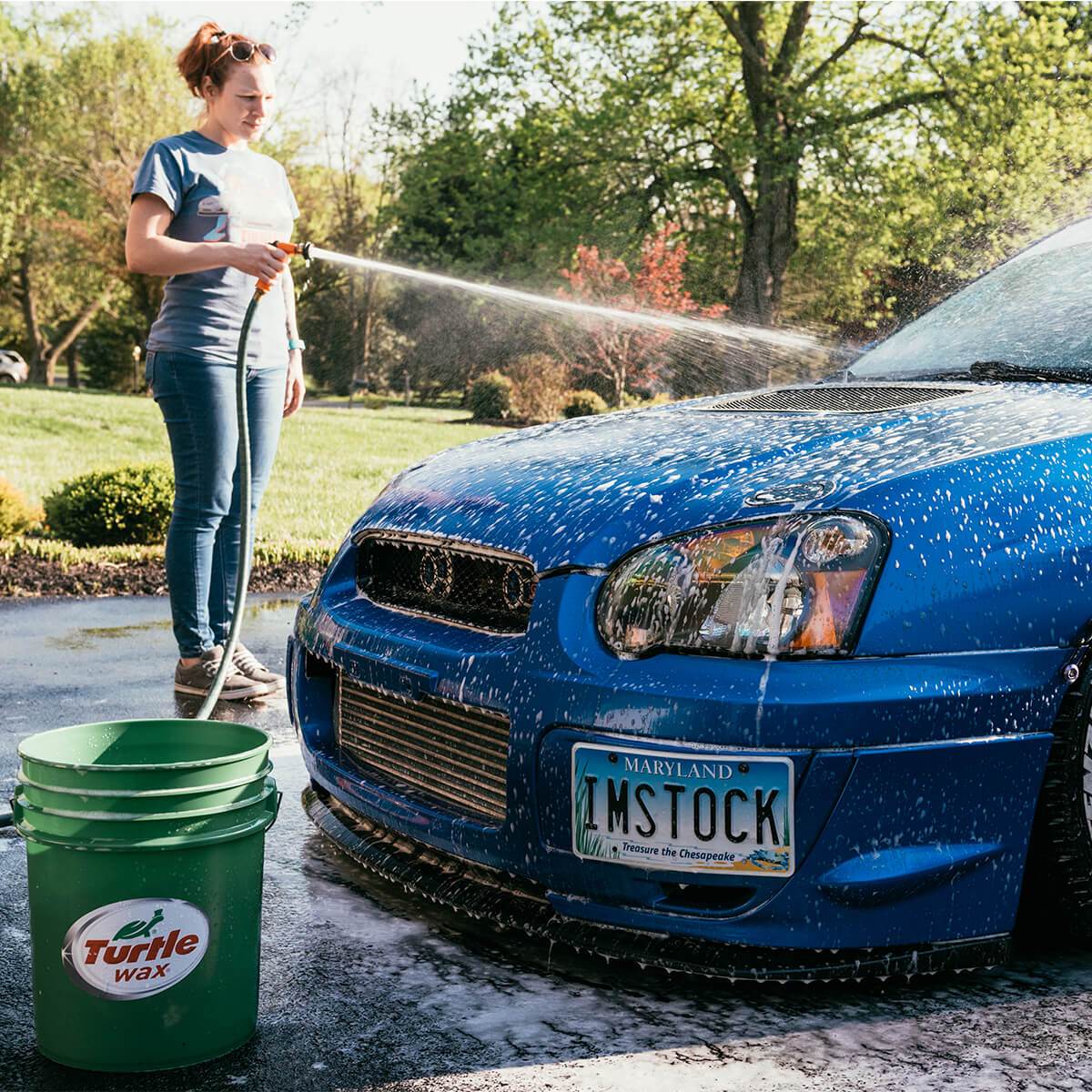
Use a wide spray pattern for gentle cleaning. Keep the nozzle at least 12 inches from the surface. Wash the car in the shade to prevent water spots. Apply a quality wax after washing for extra protection. Dry the car with a soft cloth to avoid streaks.
Credit: www.turtlewax.com
Post-wash Care And Drying
After using a pressure washer to clean your car, proper care and drying are key. This step helps protect the paint and keeps the vehicle looking fresh. It also prevents water spots and streaks from forming on the surface. Follow these important steps to finish the cleaning process well.
Rinsing Off Soap Residue
Soap left on the car can leave marks and attract dirt. Use the pressure washer on a gentle setting to rinse off all soap. Start from the top and move downward. Make sure no soap remains in hard-to-reach areas like wheel wells or under mirrors. Clear rinsing helps maintain a shiny finish.
Drying Techniques
Water droplets can cause spots if they dry on their own. Use a soft microfiber towel or chamois to dry the car. Gently pat and wipe surfaces without pressing too hard. Dry the windows, mirrors, and door handles carefully. Drying fast keeps the paint smooth and spotless.
Applying Wax Or Sealant
Wax or sealant adds extra protection after washing. It shields the paint from dirt, rain, and UV rays. Apply a thin layer using a foam applicator or cloth. Let it dry for a few minutes, then buff with a clean towel. Regular waxing keeps your car looking newer longer.
Benefits Of Pressure Washing Your Car
Pressure washing your car offers many advantages beyond just cleaning. It saves time, improves your car’s look, and helps protect its value. Using strong water jets removes dirt and grime fast. This method reaches spots that are hard to clean by hand.
Regular pressure washing keeps your car in great shape. It prevents damage caused by dirt and buildup. The process is simple and effective. Many car owners find it worth the effort.
Time And Effort Savings
Pressure washers clean cars quickly. The water pressure breaks down tough dirt easily. You spend less time scrubbing or washing by hand. This method uses less water than a garden hose. It makes car cleaning faster and less tiring.
Improved Appearance
Pressure washing removes dirt, mud, and stains well. It helps your car look shiny and new. Clean wheels and undercarriage are easy to achieve. The strong spray clears away grime that dulls paint. Your car always looks fresh after a wash.
Extending Vehicle Lifespan
Dirt and salt can damage your car’s paint and metal. Pressure washing removes these harmful substances quickly. It stops rust and corrosion from forming. Keeping the car clean protects its bodywork. This care helps your vehicle last longer and stay valuable.
Credit: www.simoniz.uk
Frequently Asked Questions
How Does A Pressure Washer Remove Dirt From Cars?
A pressure washer uses high-pressure water jets to break down and wash away dirt, grime, and debris. It effectively loosens stubborn particles without scratching the car’s paint, making cleaning faster and more efficient than manual washing.
Is Pressure Washing Safe For All Car Surfaces?
Yes, when used correctly, pressure washers are safe for most car surfaces. Adjusting the pressure settings and using the right nozzle prevents damage to paint, trim, and glass. Always maintain a proper distance to avoid harm.
Can Pressure Washers Reach Difficult Car Areas?
Pressure washers can easily access hard-to-reach spots like wheel wells, undercarriages, and grills. The powerful water stream cleans these areas thoroughly, removing dirt and buildup that traditional washing methods often miss.
What Pressure Level Is Ideal For Washing Cars?
A pressure range of 1200 to 1900 PSI is ideal for car cleaning. This level effectively removes dirt without causing paint damage. Using lower pressure settings ensures a safe and gentle wash.
Conclusion
A pressure washer cleans a car by using strong water spray. This spray removes dirt, mud, and grime fast. It reaches small areas that hand washing can miss. The water pressure loosens stuck particles easily. Using a pressure washer saves time and effort.
Just be careful with the pressure level to avoid damage. Regular cleaning keeps the car shiny and protected. Simple tool, big help. Now you know how it works. Give it a try and see the difference.