

Are you ready to give your car a spotless shine without spending hours scrubbing? Using a pressure washer can make washing your car faster and more effective.
But here’s the catch: choosing the right fitting for your pressure washer is key to getting the best results. The wrong fitting can damage your paint or leave dirt behind. You’ll discover exactly which fittings work best for washing your car safely and efficiently.
Keep reading, and you’ll learn how to protect your vehicle while saving time and effort.
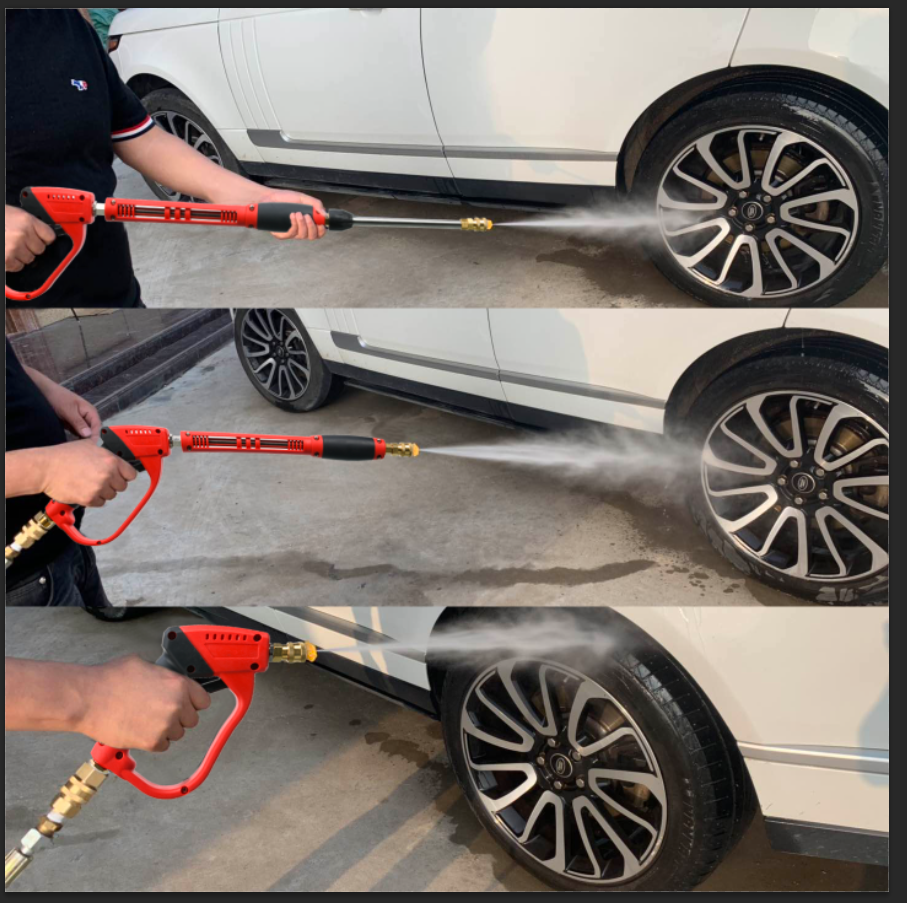
Credit: www.nutco.es
Choosing The Right Pressure Washer
Choosing the right pressure washer is key for washing your car safely and effectively. The wrong machine can damage your paint or leave dirt behind. Understanding the types, pressure levels, and power sources helps you pick the best fit. This guide breaks down what you need to know.
Types Of Pressure Washers
Pressure washers come in different types. The most common are electric and gas models. Electric washers suit small to medium tasks. Gas washers handle bigger jobs and more power. Some washers use cold water, while others heat it. Hot water washers clean grease better but cost more. Choose based on the dirt and the size of your car.
Pressure Levels And Flow Rates
Pressure is measured in PSI (pounds per square inch). Flow rate is in GPM (gallons per minute). Lower PSI, around 1200-1900, works well for cars. Higher pressure can damage the paint. Flow rate affects how quickly you clean. A good flow rate for cars is about 1.4 to 1.6 GPM. Find a balance between pressure and flow for gentle but thorough cleaning.
Electric Vs Gas Models
Electric pressure washers are quiet and easy to use. They need an outlet and usually have less power. Gas pressure washers are louder and heavier. They offer more pressure and flow. Gas models work well for big vehicles or very dirty cars. Choose electric for small jobs and gas for tough cleaning. Consider noise and fuel needs before deciding.

Credit: www.amazon.com
Essential Fittings For Car Washing
Essential fittings make washing a car with a pressure washer easier and more effective. These tools help control water flow and apply cleaning agents evenly. Using the right fittings protects your car’s paint and removes dirt without damage.
Spray Nozzles And Tips
Spray nozzles control water pressure and spray angle. Different nozzles create different spray patterns, from narrow jets to wide fans. A 25-degree nozzle is good for general cleaning. A 40-degree nozzle covers large areas gently. Choose nozzles made from durable materials for longer use.
Hose Attachments
Hose attachments connect your pressure washer to water sources and accessories. They include quick connectors and extension hoses. These fittings make setup faster and improve reach. Using a quality hose attachment prevents leaks and maintains water pressure.
Foam Cannons And Soap Dispensers
Foam cannons mix soap with water to create thick foam. Foam covers the car and loosens dirt for easy washing. Soap dispensers attach to pressure washers and control soap flow. They help save soap and reduce rinsing time. Choose foam cannons that fit your pressure washer model.
Specialized Car Wash Accessories
Specialized car wash accessories make cleaning with a pressure washer easier and safer. They protect your car’s paint while removing dirt effectively. These tools fit on your pressure washer and help you reach tight spots.
Using the right accessory can improve washing results and save time. Each tool serves a specific purpose to clean your vehicle thoroughly.
Soft Bristle Brushes
Soft bristle brushes attach to pressure washers for gentle scrubbing. They remove dirt without scratching the paint. The soft bristles work well on delicate surfaces like car windows and mirrors. These brushes help clean stubborn grime while protecting your car’s finish.
Surface Cleaners
Surface cleaners are round attachments with rotating nozzles. They clean large flat areas quickly and evenly. These tools reduce streaks and spots on your car’s body. Surface cleaners save time and make the washing process smoother.
Extension Wands
Extension wands increase your reach when washing tall or hard-to-reach areas. They help clean roofs, undercarriages, and wheels without bending or stretching. These wands provide better control of the water pressure. Extension wands improve safety and comfort during washing.
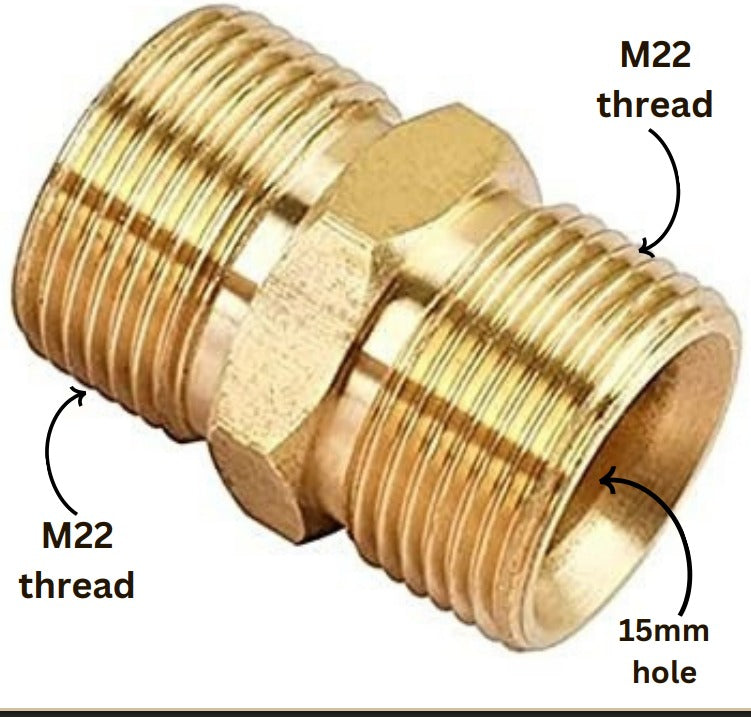
Credit: www.planetcarcare.com
Safety And Protection Fittings
Using a pressure washer to clean your car is effective and fast. Safety and protection fittings are essential parts of this process. These fittings help protect your car, the equipment, and yourself. They keep the pressure steady and prevent damage. Wearing the right gear also keeps you safe from water spray and debris.
Nozzle Guards
Nozzle guards fit over the end of the pressure washer nozzle. They stop the spray from hitting delicate parts of your car. This prevents scratches and dents. Nozzle guards also control the spray pattern. This makes washing safer and more precise.
Pressure Regulators
Pressure regulators control how much pressure comes out of the washer. High pressure can damage paint and glass. Regulators keep pressure at a safe level. They protect your car’s surface while cleaning it well. Adjusting pressure is easy with these fittings.
Protective Gear For Users
Users need protection from strong water jets and flying debris. Wearing goggles shields your eyes from spray and dirt. Gloves protect your hands from cold water and sharp objects. Waterproof boots keep your feet dry and safe. Protective gear reduces injury risks during washing.
Connecting And Maintaining Fittings
Connecting and maintaining fittings for a pressure washer is key to washing your car effectively. Good connections prevent leaks and ensure strong water flow. Proper care of fittings makes your cleaning tool last longer. Understanding how to attach, clean, and fix fittings helps you avoid common problems.
Proper Attachment Techniques
Start by checking that all parts are clean and dry. Align fittings straight to avoid cross-threading. Tighten connections by hand first, then use a wrench if needed. Avoid over-tightening, which can damage threads. Use thread tape on metal fittings for a better seal. Secure fittings firmly to prevent water leaks during use.
Cleaning And Storage Tips
After washing, detach fittings and rinse them with clean water. Remove dirt and debris from inside and outside fittings. Dry fittings completely to stop rust and mold growth. Store fittings in a dry, cool place away from direct sunlight. Keep fittings in a sealed container to avoid dust and damage. Regular cleaning extends the life of all components.
Troubleshooting Common Issues
Leaks often happen from loose or damaged fittings. Tighten loose connections first. Replace worn-out washers or O-rings to fix leaks. If water flow is weak, check for clogs inside fittings. Clean clogged fittings with a small brush or needle. Broken threads require new fittings to avoid leaks and damage. Regular checks help catch problems early.
Tips For Effective Car Washing
Washing a car with a pressure washer needs care and the right approach. Using the correct fitting and settings helps clean your car well. Follow some simple steps to protect your paint and finish. This section shares key tips for effective car washing.
Optimal Pressure Settings
Use a pressure setting between 1200 and 1900 PSI for cars. Lower pressure avoids paint damage but still cleans dirt well. Higher pressure can harm the car’s surface. Always test on a small area first. Adjust the nozzle to a wider spray for gentler cleaning.
Pre-wash And Post-wash Steps
Start by rinsing the car to remove loose dirt. Use soap made for cars with the pressure washer. Wash from top to bottom to avoid streaks. After washing, rinse off all soap thoroughly. Dry the car with a soft cloth to prevent water spots.
Avoiding Damage To Car Surfaces
Keep the nozzle at least 12 inches from the car. Avoid spraying windows and seals directly. Do not use harsh chemicals or abrasive brushes. Use fittings designed for car washing to control pressure. Always move the spray in a steady motion to protect paint.
Frequently Asked Questions
What Is The Best Fitting For Washing A Car?
The best fitting for washing a car with a pressure washer is a 25-degree nozzle. It provides a balanced spray that removes dirt without damaging the paint.
Can I Use A Foam Cannon Fitting For Car Washing?
Yes, a foam cannon fitting is ideal for car washing. It applies soap evenly and helps loosen dirt gently before rinsing.
Which Pressure Washer Fitting Prevents Paint Damage?
A wide-angle nozzle, like a 40-degree fitting, prevents paint damage. It spreads water pressure over a larger area, reducing risk of harm.
How Do I Choose The Right Pressure Washer Fitting?
Choose fittings based on spray angle and pressure. For cars, use nozzles between 25 to 40 degrees for safe, effective cleaning.
Conclusion
Choosing the right fitting makes washing your car easier and safer. It helps control water pressure and spray angle well. Using proper fittings protects your car’s paint from damage. You save time and get a cleaner result too. Always check your pressure washer’s instructions for fitting options.
Try different nozzles to find what works best. Keep your car looking fresh with the right tools. A simple fitting change can make a big difference. Clean smart, clean safe, and enjoy your shiny car.


