

If you rely on a diesel engine, you know how important clean fuel is for smooth performance. But have you ever wondered how your engine stays protected from harmful dirt and water in your fuel?
That’s where a Racor fuel filter comes in. Understanding how this small but powerful device works can save you time, money, and headaches down the road. You’ll discover exactly how a Racor fuel filter keeps your engine running strong and why it’s a must-have for anyone serious about engine care.
Keep reading to unlock the secrets behind this essential tool and make sure your engine gets the best protection possible.
Racor Fuel Filter Basics
The Racor fuel filter is a key part of many engines. It cleans fuel before it reaches the engine. This helps the engine run smoothly and last longer.
Understanding how a Racor fuel filter works is important. It protects the engine from dirt and water in the fuel. This section explains the basic parts and purpose of Racor filters.
Purpose Of A Fuel Filter
A fuel filter stops dirt and debris from reaching the engine. Dirty fuel can cause engine damage and poor performance. The filter also removes water, which can harm engine parts. Clean fuel means better engine efficiency and longer life.
Key Components Of Racor Filters
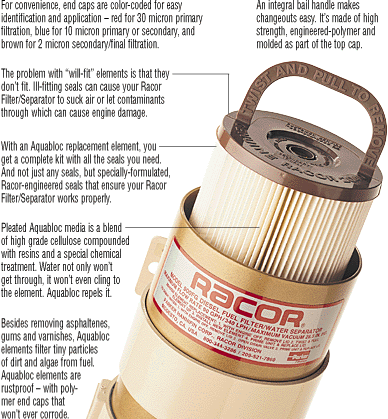
Racor filters have several important parts. The filter element captures dirt and particles. A water separator removes water from the fuel. The housing keeps everything sealed and secure. Some Racor filters have a clear bowl to see water build-up. This helps with easy maintenance and cleaning.
Credit: www.maesco.com
Fuel Contamination Issues
Fuel contamination is a common problem that affects engines and their parts. Dirt, water, and other impurities enter the fuel system. These contaminants cause damage and reduce engine life. Understanding fuel contamination is key to keeping engines running smoothly.
Common Types Of Contaminants
Water is one of the most harmful fuel contaminants. It can cause rust and corrosion inside the fuel system. Dirt and dust enter the fuel tank during refueling or from the environment. Rust particles come from old or corroded fuel tanks. Microbial growth, like bacteria and fungi, can also develop in diesel fuel. These contaminants clog fuel filters and damage engine parts.
Effects On Engine Performance
Contaminated fuel causes poor engine performance. The engine may run rough or stall unexpectedly. Fuel injectors can become blocked, reducing fuel flow. This leads to lower power and higher fuel consumption. Corrosion damages fuel system components and increases maintenance costs. Regular cleaning and filtering improve engine reliability and lifespan.
Filtration Process In Racor Filters
The filtration process in Racor fuel filters ensures clean fuel reaches the engine. It removes water and solid particles that can cause engine damage. This process keeps the fuel system running smoothly and extends engine life.
Water Separation Mechanism
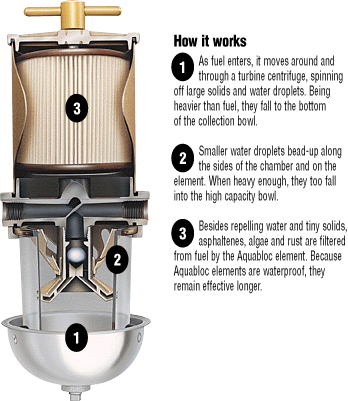
Racor filters use a special bowl to separate water from fuel. Water is heavier than fuel. It drops to the bottom of the bowl. This stops water from going into the engine. The clear bowl lets you see water levels easily. Draining water is simple and quick.
Particle Filtration Techniques
Racor filters trap tiny dirt and rust particles. They use a fine filter element made of special fibers. Fuel passes through this element, leaving particles behind. This keeps fuel pure and protects engine parts. The filter element is easy to replace when dirty.
Credit: www.kgcountry.com
Types Of Racor Fuel Filters
Racor fuel filters come in different types to suit various engine needs. Each type helps clean fuel by removing dirt, water, and debris. Choosing the right filter keeps engines running smoothly and prevents damage.
Spin-on Filters
Spin-on filters are easy to install and replace. They have a metal casing that screws onto the filter base. Inside, there is a paper or synthetic element that traps dirt. These filters are compact and fit many engines well.
Bowl-type Filters
Bowl-type filters have a clear or metal bowl at the bottom. Fuel passes through the filter element above the bowl. Water and heavy particles settle in the bowl for easy removal. This type allows quick inspection and cleaning without removing the entire filter.
Dual-stage Filters
Dual-stage filters use two steps to clean fuel. The first stage removes large particles and water. The second stage filters smaller dirt and impurities. This design offers better protection for sensitive engines. It helps keep fuel clean for longer periods.
Installation Tips
Installing a Racor fuel filter correctly ensures your engine runs smoothly. Proper setup helps keep fuel clean and protects engine parts. Follow these simple tips for a successful installation.
Choosing The Right Filter
Select a filter that matches your engine’s size and fuel type. Check the manufacturer’s guide for the correct model number. Using the wrong filter can cause poor fuel flow or damage.
Look for filters with clear bowls if you want to see water or dirt buildup. This helps with easy maintenance and timely cleaning.
Proper Mounting And Orientation
Mount the filter in a clean, dry place on your engine or frame. Keep it upright to allow water and debris to settle at the bottom. Avoid places with high vibration or heat.
Make sure the fuel flows in the correct direction. Most filters have arrows showing the flow path. Tighten all connections to prevent leaks but do not over-tighten.

Credit: www.racornews.com
Maintenance And Cleaning
Maintaining and cleaning a Racor fuel filter is important for engine health. Regular care keeps fuel flow smooth and prevents damage. Simple steps help extend the filter’s life and protect your engine.
Draining Water And Sediment
Water and sediment collect at the bottom of the filter bowl. Use the drain valve to remove these impurities. Place a container under the valve to catch the waste. Open the valve slowly and let all water and sediment drain out. Close the valve tightly after draining. This process stops water from reaching the engine and causing corrosion.
Replacing Filter Elements
Filter elements trap dirt and particles from the fuel. Over time, these elements get clogged and need replacement. Turn off the engine and release fuel pressure before removal. Unscrew the filter bowl to access the element. Remove the old element and clean the bowl with a lint-free cloth. Insert a new filter element and reassemble the filter bowl. Tighten securely to avoid leaks. Regular replacement ensures clean fuel flow and keeps the engine running well.
Troubleshooting Common Issues
Troubleshooting common issues with a Racor fuel filter helps keep your engine running smoothly. Problems like clogs and poor fuel flow reduce engine performance. Knowing how to spot and fix these issues saves time and money.
Detecting Clogs And Blockages
Clogs happen when dirt or water builds up inside the filter. Signs include rough engine running or loss of power. Check the filter bowl for dark sediment or water. A restricted fuel flow means the filter needs cleaning or replacing.
Use a clear bowl version of the Racor filter to see blockages easily. Tap the bowl gently to loosen debris. Clean the bowl and replace the filter element if clogged. Regular checks stop blockages from causing bigger problems.
Addressing Fuel Flow Problems
Low fuel flow causes engine hesitation or stalling. Check for air leaks around fittings and seals. Tighten or replace damaged parts to stop air from entering the system.
Inspect fuel lines for cracks or kinks that reduce flow. Replace damaged lines promptly. Use the filter’s water separator to remove water, which also blocks fuel flow. Proper maintenance ensures steady fuel delivery and engine reliability.
Benefits Of Using Racor Filters
Racor fuel filters offer many benefits that protect engines and improve performance. These filters remove dirt, water, and other harmful particles from fuel. Cleaner fuel means better engine health and smoother operation. Choosing Racor filters helps keep engines running longer and more efficiently.
Improved Engine Longevity
Racor filters trap contaminants that damage engine parts. Dirt and water in fuel cause corrosion and wear. Removing these particles reduces engine breakdowns and costly repairs. Clean fuel keeps engine components working well for years. This means fewer stops for maintenance and longer engine life.
Enhanced Fuel Efficiency
Fuel free from debris burns cleaner and more completely. Racor filters help maintain the right fuel flow to the engine. This leads to better combustion and less wasted fuel. Engines use fuel more efficiently, saving money on fuel costs. Better fuel efficiency also reduces harmful emissions from the engine.
Frequently Asked Questions
What Is The Primary Function Of A Racor Fuel Filter?
A Racor fuel filter removes water and contaminants from fuel. It protects the engine by ensuring clean fuel flow. This prevents damage and improves engine performance.
How Does A Racor Fuel Filter Separate Water From Fuel?
The Racor filter uses centrifugal action and a coalescing element. Water droplets are separated and collected in a bowl. This keeps fuel clean and dry before reaching the engine.
How Often Should You Change A Racor Fuel Filter?
Change the filter based on manufacturer guidelines or if water is visible in the bowl. Regular checks ensure optimal performance and prevent engine issues.
Can A Racor Fuel Filter Improve Engine Efficiency?
Yes, by removing water and dirt, it ensures cleaner fuel. This results in smoother combustion and better engine efficiency.
Conclusion
A Racor fuel filter keeps your engine safe and running well. It removes dirt and water from the fuel. This stops damage and improves engine life. Clean fuel means better performance and fewer problems. Regular filter checks help avoid costly repairs.
Trust a Racor filter for smooth, reliable engine power. Simple, effective, and important for every fuel system.


