
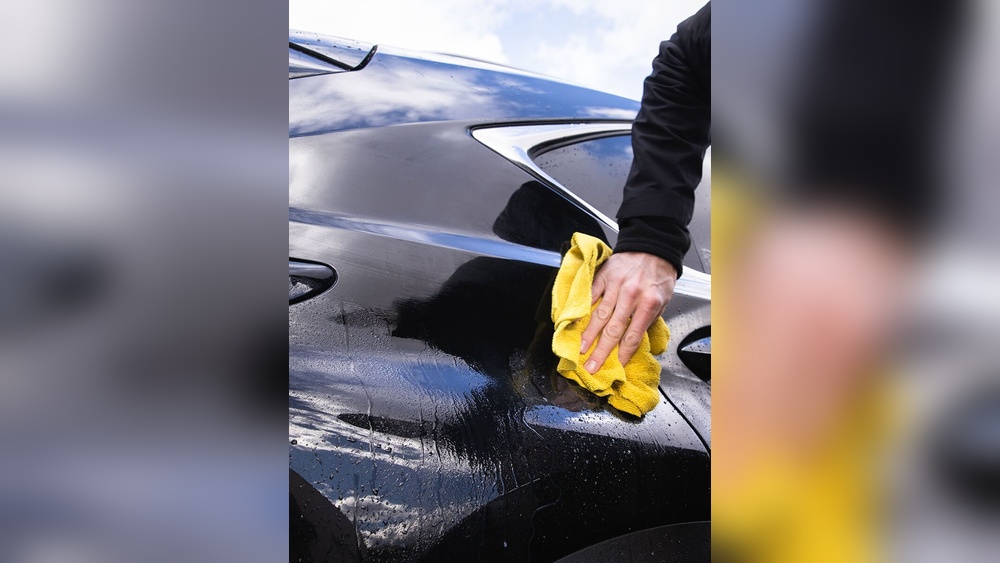
Have you ever wondered how car wax actually protects your vehicle? You might think it’s just about making your car shine, but there’s much more going on beneath that glossy surface.
When you use car wax, you’re creating a powerful shield that guards your paint from damage caused by dirt, rain, and harsh sunlight. Imagine keeping your car looking new for longer with just a simple step. You’ll discover exactly how car wax works to protect your investment and why it’s a must for anyone who cares about their car’s appearance.
Keep reading to learn the secrets behind that smooth, protective layer.
How Car Wax Works
Car wax protects your vehicle by creating a strong, protective layer on its surface. This layer shields the paint from dirt, water, and harmful UV rays. Understanding how car wax works helps you see why regular waxing keeps your car looking fresh and shiny.
Composition Of Car Wax
Car wax usually contains natural or synthetic ingredients. Natural waxes like carnauba come from plants. Synthetic waxes are made in labs to last longer. Both types have oils and solvents. These help the wax spread smoothly and bond well to the paint.
Application Process
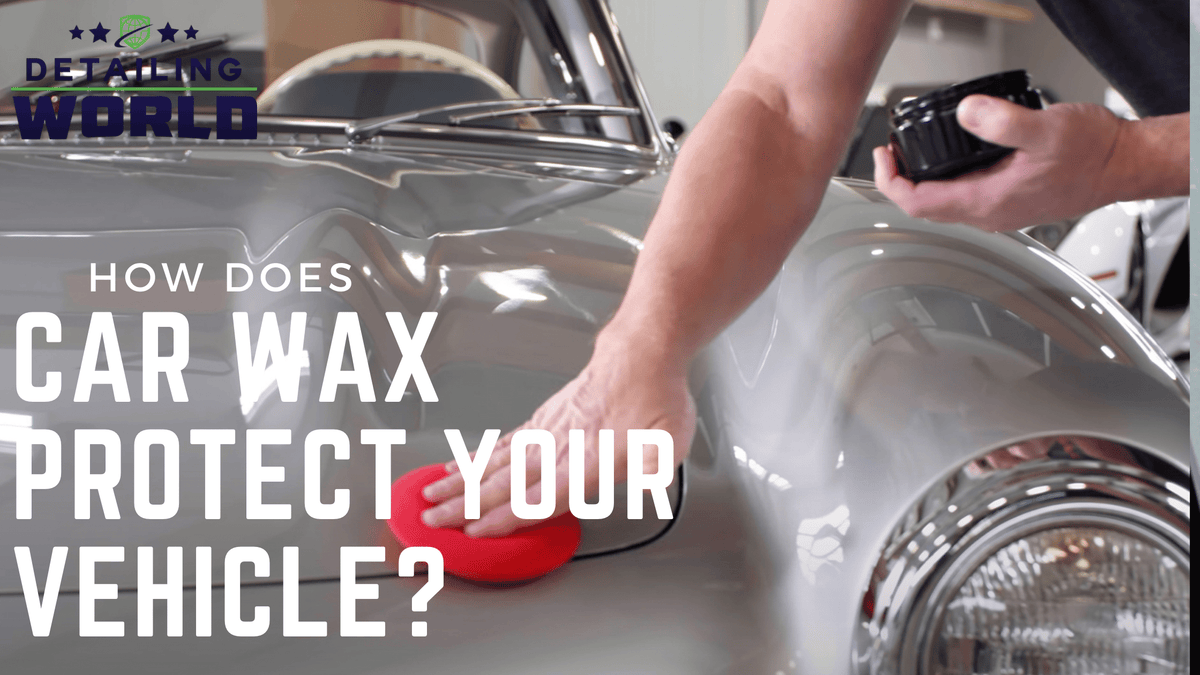
Applying wax needs a clean, dry surface. Use a soft cloth or applicator pad. Spread the wax in small circles. Let it dry to a haze. Then buff it off with a clean cloth. This process fills tiny scratches and evens the surface.
Bonding With Paint
The wax bonds tightly with the car’s paint. It forms a thin, clear shield. This shield repels water and dust. It also blocks harmful UV rays. The bond keeps the paint safe from fading and damage. Regular waxing strengthens this protective layer over time.
Types Of Car Wax
Car wax comes in different types, each offering unique protection benefits. Knowing the options helps keep your vehicle shiny and safe. The right wax also makes application easier and results last longer.
Understanding wax types helps you choose the best for your car’s finish and your needs.
Natural Vs Synthetic Waxes
Natural waxes come from plants, like carnauba wax. They give a deep, warm shine. They protect paint well but may wear off faster. Synthetic waxes are man-made and last longer. They offer strong protection against dirt and UV rays. Some waxes mix both for good shine and durability.
Liquid, Paste, And Spray Options
Liquid waxes spread easily and dry fast. They work well for quick jobs. Paste waxes are thicker and take more effort. They give longer-lasting protection and deeper shine. Spray waxes are the easiest to use. They offer light protection and shine. Spray is great for touch-ups between full wax jobs.
Choosing The Right Wax For Your Vehicle
Consider your car’s paint type and condition. Older cars may need natural wax for better shine. Newer cars often benefit from synthetic wax for durability. Think about how often you want to wax. Liquid or spray wax suits frequent use. Paste wax is better for less frequent, thorough care. Match wax type with your skill and time available.
Protection Against Environmental Damage
Car wax acts as a strong barrier against many types of environmental damage. It helps keep the car’s surface safe from harmful elements outside. A good wax layer protects the paint, keeping the car looking new for longer.
Shielding From Uv Rays
Sunlight contains ultraviolet (UV) rays that can harm car paint. These rays cause fading and dullness over time. Car wax forms a protective layer that blocks UV rays. This layer keeps the paint bright and prevents cracking.
Guarding Against Dirt And Grime
Dirt and grime stick to cars every day. They can scratch and wear down the paint surface. Wax creates a smooth coating that dirt cannot easily stick to. This makes cleaning the car easier and protects the paint from damage.
Water Repellency And Rain Protection
Water can cause stains and rust on a car’s surface. Wax repels water by creating a water-resistant barrier. Rainwater beads up and rolls off the waxed surface quickly. This helps prevent water spots and protects metal parts from rust.

Credit: detailtheworld.com
Enhancing Vehicle Appearance
Car wax plays a key role in making your vehicle look its best. It does more than just protect the paint. Wax adds a fresh, clean shine that catches the eye. This section explores how car wax improves your vehicle’s appearance.
Boosting Shine And Gloss
Wax creates a smooth, reflective layer on the car’s surface. This layer reflects light well, giving the paint a deep shine. The gloss makes the vehicle look newer and well cared for. A shiny car attracts positive attention everywhere it goes.
Smoothing Paint Surface
Wax fills tiny scratches and rough spots on the paint. This creates a smooth surface that feels soft to touch. The smoothness helps dirt and dust slide off easily. A smooth finish also helps water bead and roll away, keeping the car cleaner longer.
Color Preservation
Wax protects the paint from fading caused by sunlight. It blocks harmful UV rays that can dull the color over time. By preserving the color, wax keeps the car looking vibrant for years. Bright, rich paint boosts the vehicle’s overall appeal.
Longevity And Maintenance
Car wax does more than just make your car shine. It forms a protective layer that guards your paint. This layer slows down damage from sun, rain, dirt, and pollution. To keep your car looking great, understanding how long wax lasts and how to maintain it is key.
How Long Wax Protection Lasts
Wax protection usually lasts between four to six weeks. Some high-quality waxes can protect up to three months. The duration depends on weather, driving habits, and wax type. Heat and rain can wear off wax faster. Regular washing also affects how long wax stays effective.
Signs Your Car Needs Rewaxing
Look for dull or faded paint to spot when to rewax. Water no longer beads on the surface. Dirt sticks more easily than before. The car loses its shiny look. These signs mean the wax layer is wearing off and needs renewal.
Tips For Maintaining Wax Protection
Wash your car regularly with mild soap. Avoid harsh chemicals that remove wax. Dry your car with a soft cloth to prevent scratches. Park in shaded areas to reduce sun damage. Apply wax again every one to three months. Follow product instructions for the best results.
Common Myths About Car Wax
Many people have wrong ideas about car wax. These myths can stop car owners from protecting their paint properly. Understanding the truth helps keep your car looking shiny and new. Let’s clear up common myths about car wax.
Wax Vs Sealant Confusion
Some think wax and sealant are the same. They are not. Wax is natural and gives a deep shine. Sealants are synthetic and last longer. Wax protects paint but wears off faster. Sealants protect longer but may not shine as much. Knowing the difference helps choose the right product.
Frequency Of Waxing
Many believe waxing every week is needed. This is false. Waxing too often can cause build-up and dull the paint. Usually, waxing every two to three months is enough. This keeps the paint safe and shiny. Over-waxing can harm the car’s look.
Waxing And Paint Damage
Some worry waxing can damage paint. Wax is safe when used right. It adds a protective layer on top of the paint. This layer blocks dirt, water, and sun damage. Using harsh tools or dirty cloths can harm paint. Always use clean, soft cloths for waxing.
Diy Waxing Vs Professional Services
Deciding between DIY waxing and professional services can affect your car’s protection. Both options have their place. Understanding their differences helps you choose the best method for your needs.
Pros And Cons Of Diy Waxing
DIY waxing lets you control the process. You can wax your car anytime. It saves money on labor costs. You learn more about car care. The downside: it takes time and effort. Mistakes can cause uneven protection. Not all products are easy to apply. Results may not last as long as professional wax.
Benefits Of Professional Application
Professionals use high-quality wax and tools. They apply wax evenly and quickly. This ensures strong, long-lasting protection. Experts spot and fix paint damage. They clean the car before waxing. The process is stress-free for you. Professionals may use special wax types. These may be hard to find in stores.
Cost Considerations
DIY waxing costs less upfront. You only pay for wax and supplies. Professional waxing costs more due to labor. Prices vary by service and location. Consider how often you wax your car. Frequent waxing may make DIY more affordable. Professional waxing may save money over time. It reduces risk of paint damage.

Credit: autodetailstl.com
Credit: detailtheworld.com
Frequently Asked Questions
How Does Car Wax Protect Paint From Damage?
Car wax forms a protective layer on paint, shielding it from UV rays, dirt, and moisture. This barrier prevents oxidation and fading, keeping the paint vibrant and glossy for longer periods.
Can Car Wax Prevent Scratches And Swirl Marks?
Yes, car wax adds a smooth, slippery layer that reduces friction. This helps minimize minor scratches and swirl marks caused by washing or dust particles.
How Often Should I Apply Car Wax For Protection?
For optimal protection, apply car wax every 2-3 months. Regular waxing maintains the protective barrier and keeps your car’s paint looking fresh and shiny.
Does Car Wax Protect Against Environmental Contaminants?
Car wax repels water, bird droppings, tree sap, and road grime. This protection prevents harmful substances from bonding with the paint and causing damage.
Conclusion
Car wax forms a strong shield on your car’s surface. It blocks dirt, water, and harmful UV rays. This helps keep your paint bright and shiny. Wax also makes cleaning easier by preventing grime buildup. Regular waxing protects your car from wear and tear.
It saves money on repairs and repainting. A well-waxed car looks newer for longer. Simple care like waxing extends your car’s life. Try waxing often to keep your vehicle in great shape. Protection and shine go hand in hand with car wax.

