You’ve just finished waxing your car, and it looks amazing. But now you’re wondering—how long does car wax need to cure before you can drive or wash your car?
Waiting the right amount of time is key to getting that deep shine and lasting protection. Skip the guesswork and discover exactly how long you should let your wax cure to keep your car looking its best. Keep reading to unlock the secrets to a perfect, long-lasting finish.

Credit: www.northwestautocollision.com
Wax Types And Cure Times
Car wax varies by type, and so does the time it needs to cure. Understanding different wax types helps in choosing the right product. It also sets the right expectations for drying and curing time. The wax type affects protection, shine, and how long the wax lasts on your car.
Natural Vs Synthetic Waxes
Natural waxes come from plants, like carnauba. They give a deep, warm shine but take longer to cure. Usually, natural waxes need 20 to 30 minutes to dry before buffing. Synthetic waxes are made from man-made materials. They dry faster, often within 10 to 15 minutes. Synthetic waxes last longer and resist water better than natural ones.
Liquid, Paste, And Spray Waxes
Paste wax is thick and can take 20 to 40 minutes to cure. It offers strong protection but needs more time to dry. Liquid wax dries faster, usually in 10 to 20 minutes. It is easier to apply and buff. Spray wax is the quickest. It often dries in 5 to 10 minutes but may not last as long. Spray wax suits quick touch-ups and light protection.
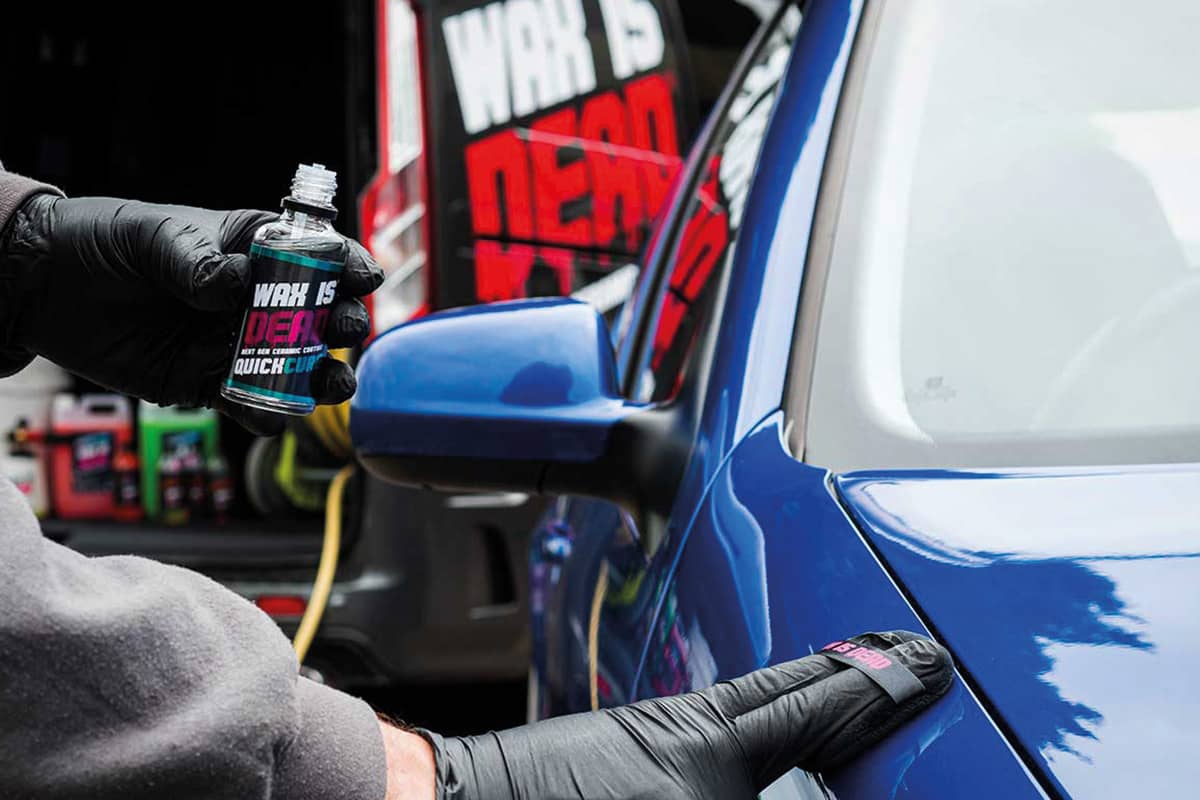
Credit: waxisdead.com
Ideal Curing Conditions
Car wax needs the right conditions to cure well. Proper curing makes the wax last longer and protect your car better. Ideal conditions help the wax harden and bond with the paint. This section explains how temperature, humidity, and the place of application affect curing.
Temperature And Humidity Effects
Temperature plays a big role in wax curing. Warm weather helps wax dry faster and stick better. Cold weather slows down the process and may leave the wax soft. Avoid applying wax below 50°F (10°C) for best results.
Humidity also affects curing. High humidity means more moisture in the air. It can stop wax from drying well and cause streaks. Low to moderate humidity is best for curing. Aim for less than 60% humidity if possible.
Indoor Vs Outdoor Application
Applying wax indoors gives you control over temperature and humidity. This control helps the wax cure evenly. Indoor spaces protect your car from wind, dust, and direct sunlight.
Outdoor application can work if conditions are right. Avoid waxing in direct sun or strong wind. These factors can dry the wax too fast or unevenly. Choose a shaded, calm day for the best outdoor results.
Step-by-step Curing Process
The step-by-step curing process helps car wax stick well to your vehicle’s surface. It makes the wax last longer and look better. Understanding each step can improve your waxing results and protect your car.
Follow these steps carefully to ensure your wax cures properly and gives your car a smooth shine.
Application Techniques
Start with a clean, dry car surface. Use a soft applicator pad to apply wax in small, circular motions. Apply thin, even layers to avoid streaks. Cover one section of the car at a time to keep track of your work. Avoid heavy layers that take longer to dry.
Waiting Periods Between Coats
Allow each wax layer to dry before adding another. Drying time depends on the wax type and weather conditions. Usually, wait 5 to 10 minutes. The wax should look hazy or dull before the next coat. Applying coats too fast can reduce protection and shine.
Final Buffing Tips
After the last coat dries, use a clean microfiber cloth to buff the surface. Use gentle, circular motions to remove haze and bring out shine. Change cloth sides often to avoid spreading wax residue. Buffing well helps the wax bond better and look smooth.
Signs Wax Has Fully Cured
Knowing the signs that car wax has fully cured helps protect your vehicle better. Wax curing means it has bonded well with the paint. This process affects how the wax performs and how long it lasts.
Watch for clear, visible signs to know if the wax is ready. These signs tell you when the wax has hardened enough. They guide you on when it is safe to expose your car to water or dust.
Appearance And Texture
The wax looks smooth and even on the car’s surface. It should not feel sticky or wet. A fully cured wax feels hard and dry to the touch. The shine is bright but not oily or greasy. The paint beneath appears deeper and richer in color. Soft or patchy spots mean the wax is still curing.
Water Beading And Sheeting
Water beads up in small, round drops on the waxed surface. These drops roll off easily, showing the wax repels water well. Sometimes, water forms thin sheets sliding off quickly. This means the wax layer is complete and sealed. Poor beading or water that sticks means the wax needs more time to cure.
Common Mistakes To Avoid
Applying car wax correctly is key to a shiny and protected finish. Many people make simple mistakes that harm the wax’s effectiveness. Avoid these common errors to get the best results from your car wax.
Rushing The Cure Time
Patience is vital after applying wax. The wax needs time to harden and bond with the paint. Removing it too soon can cause streaks and uneven shine. Wait at least 20 to 30 minutes or follow the product instructions. Rushing this step wastes your effort and can damage the finish.
Applying Wax In Direct Sunlight
Sunlight heats the car surface and wax too quickly. This causes the wax to dry too fast and become hard to spread evenly. It also leaves spots and streaks on your paint. Apply wax in a shaded area or during cooler parts of the day. This ensures smooth application and better protection.
Maintenance After Curing
After your car wax has fully cured, proper care keeps the shine strong and lasting. Maintenance helps protect the wax layer and your car’s paint. Following a few simple steps extends the benefits of waxing and keeps your car looking fresh.
Washing And Drying Tips
Wash your car gently to avoid removing the wax. Use a mild soap made for cars. Avoid harsh detergents or dish soap, which strip wax away. Rinse thoroughly with clean water to remove dirt and soap.
Dry your car with a soft, clean microfiber towel. Pat the surface instead of rubbing hard. This prevents scratches and keeps the wax layer intact. Wash your car regularly but not too often to protect the wax.
Reapplying Wax For Longevity
Reapply wax every few months to maintain protection. This depends on weather and driving conditions. Light waxing helps fill in small scratches and keeps the surface smooth.
Choose a quality wax similar to the first application. Apply thin, even layers and let it cure fully. Regular reapplication boosts durability and shine. This simple step keeps your car looking new longer.
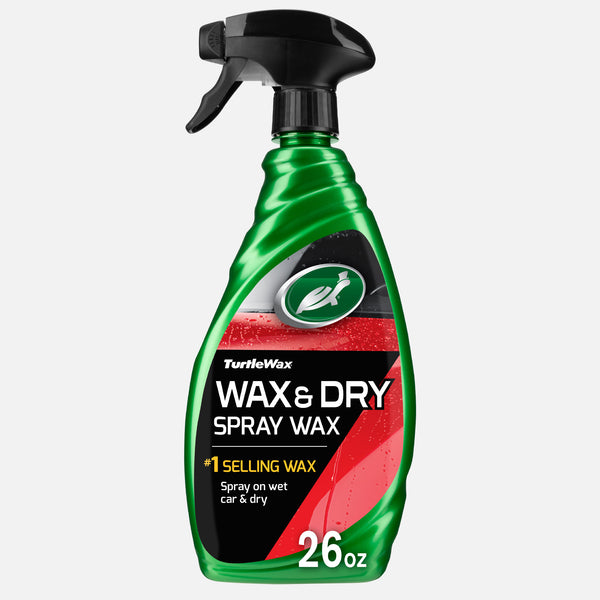
Credit: www.turtlewax.com
Frequently Asked Questions
How Long Does Car Wax Take To Fully Cure?
Car wax typically takes 24 hours to fully cure. Avoid washing or exposing your car to water during this period. This allows the wax to harden and bond properly to the paint surface. Proper curing ensures maximum protection and shine.
Can I Drive My Car After Waxing Immediately?
It’s best to wait at least 1-2 hours before driving. Immediate exposure to dirt or rain can reduce wax effectiveness. Light driving is okay, but avoid harsh weather or car washes until the wax cures fully.
How Does Curing Time Affect Wax Durability?
Longer curing times improve wax durability and protection. When wax cures properly, it bonds better with the paint. This results in longer-lasting shine and resistance to elements like UV rays and contaminants.
Does Temperature Influence Car Wax Curing Time?
Yes, temperature affects wax curing speed. Warm, dry conditions speed up curing, while cold or humid weather slows it down. For best results, apply wax in moderate temperatures and allow extra curing time in cooler climates.
Conclusion
Car wax needs time to cure for the best protection. Usually, it takes about 24 hours to fully set. Avoid washing or exposing your car to rain during this time. Patience helps the wax bond well with the paint. This step keeps your car shiny and safe longer.
Remember, curing time can vary by product and weather. Always read the wax instructions carefully before applying. Taking care with curing leads to a smoother, lasting finish. A little wait brings great results for your car’s look.