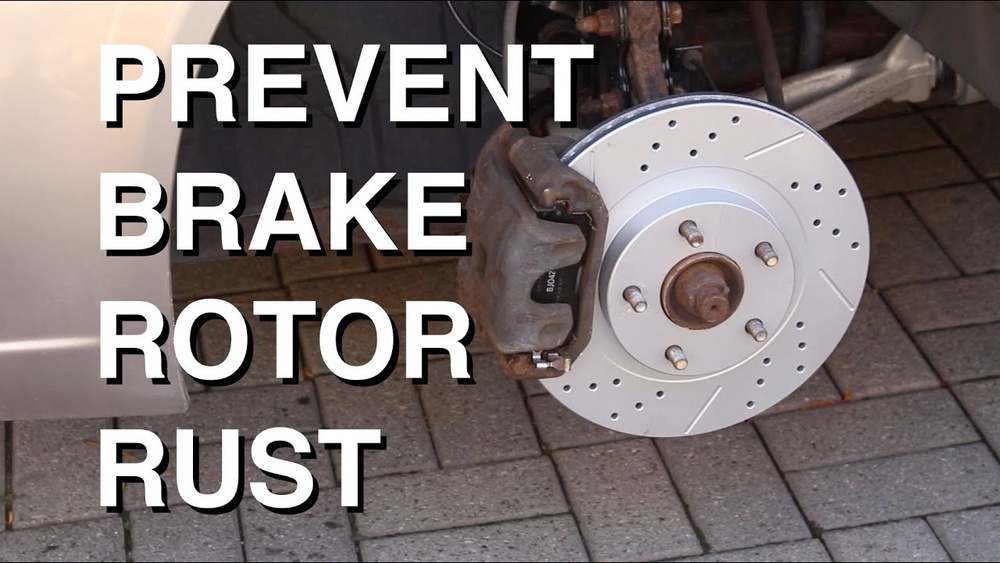
Have you ever wondered how your Volkswagen keeps its brake rotors clean even when the roads are wet and slippery? Wet conditions can cause grime, dirt, and water to build up, which might affect your braking performance.
But VW has smart ways to make sure your brakes stay reliable and safe, no matter the weather. You’ll discover the clever techniques VW uses to keep those brake rotors clean and working smoothly. Keep reading to learn how this technology helps protect you and your car every time you hit the wet road.
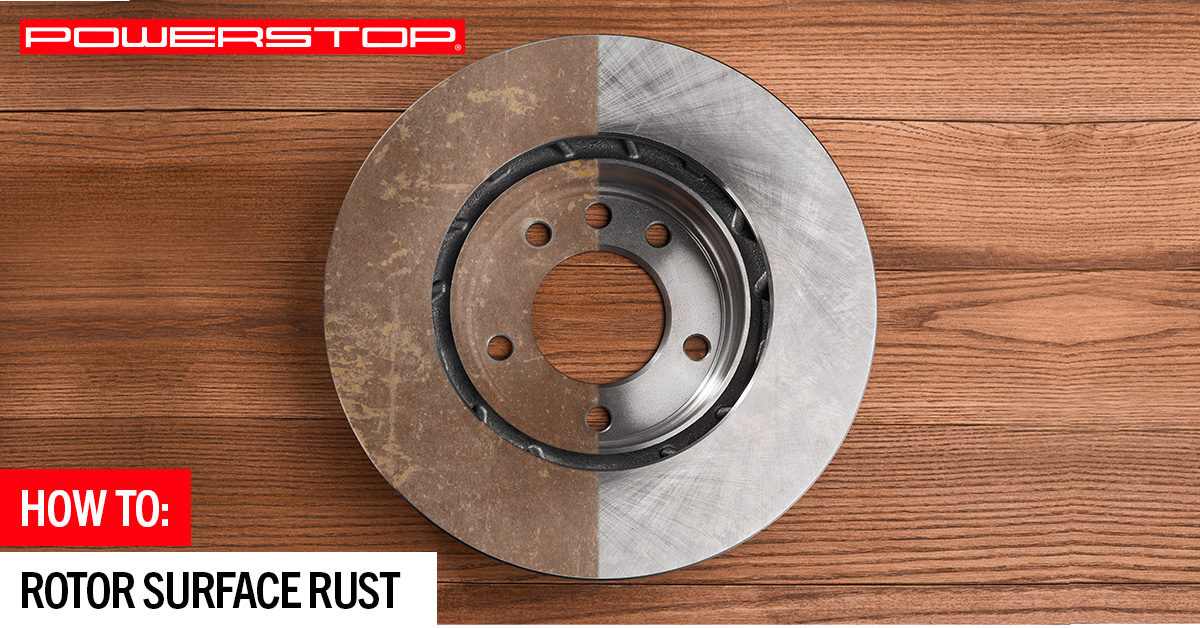
Credit: www.powerstop.com
Brake Rotor Challenges In Wet Conditions
Brake rotors face tough challenges during wet driving. Water can change how brakes work and cause problems. Keeping rotors clean and effective is important for safe driving. Understanding these challenges helps explain how Volkswagen manages brake performance in rain or wet roads.
Wet conditions create a layer of water on the rotor surface. This layer can reduce the friction between the brake pads and rotors. Less friction means longer stopping distances and weaker brake response. Rotors must shed water quickly to keep brakes working well.
Impact Of Water On Brake Performance
Water on rotors makes braking less effective. It reduces the grip between brake pads and rotors. This causes a delay in brake response. Drivers may feel a soft or spongy brake pedal. Wet rotors also increase the risk of brake fade during longer stops.
Water can cool the rotors rapidly. Rapid cooling may lead to uneven heat distribution. This causes warping or damage to the rotors over time. Wet conditions challenge the brake system to maintain consistent performance.
Common Issues With Rotor Contamination
Brake rotors often collect dirt, dust, and road grime. Wet roads make this problem worse by mixing water with debris. This mix forms a thin film on the rotor surface.
This film reduces friction and causes brake noise or vibration. It can also wear down brake pads faster. Corrosion and rust are common on wet rotors. Rust weakens rotors and affects braking safety.

Credit: www.toddwenzelchevrolet.com
Vw’s Design Innovations
Volkswagen uses smart design ideas to keep brake rotors clean in wet weather. These designs help avoid water build-up and maintain strong braking. VW focuses on materials, surface treatments, and caliper and pad designs. These elements work together to clear water fast and keep brakes responsive.
Material Choices For Rotors
VW selects rotor materials that resist rust and water damage. They use special metals that dry quickly after rain. This choice helps stop water from sticking to rotors. It also lowers the chance of brake noise or wear in wet conditions.
Rotor Surface Treatments
VW applies surface treatments to rotors to improve water shedding. These treatments create tiny grooves or coatings on the rotor face. Water slides off easily, reducing wetness between pads and rotors. This keeps the brakes working well and avoids slipping on wet roads.
Caliper And Pad Design Features
VW designs calipers and brake pads to push water away fast. The pads have edges that wipe water off the rotor surface. Calipers hold pads firmly and help clear water during braking. These features ensure strong grip and quick response in wet driving.
Technology Behind Cleaner Rotors
Volkswagen uses smart technology to keep brake rotors clean during wet driving. This technology helps maintain safety and brake performance. It reduces water buildup on the rotors. Clean rotors also mean better stopping power and less wear.
Several features work together to keep rotors dry and clear. These features focus on managing water and debris. They help the brakes work well in wet weather conditions.
Water Dispersion Mechanisms
VW brake rotors have special grooves and vents. These designs push water away from the rotor surface. Water moves off quickly during driving. This stops water from building up and reducing braking power.
These grooves also help air flow around the rotors. Air flow speeds up drying after rain or puddles. The result is a cleaner rotor that works better.
Self-cleaning Brake Components
Brake parts like calipers and pads are designed to clean themselves. They scrape off dirt and water from the rotor. This happens every time you apply the brakes.
Self-cleaning parts reduce rust and corrosion. They keep the brake system healthy and efficient. This design lowers maintenance needs over time.
Role Of Brake Pad Composition
VW uses brake pads made from special materials. These materials resist water and stay effective when wet. They help keep the rotor surface dry and clean.
The pads also create strong friction even with water present. This ensures safe and reliable braking in rain or wet roads. The right pad composition supports overall rotor cleanliness.
Testing And Validation Processes
Testing and validation are key to ensuring Volkswagen brake rotors stay clean during wet driving. Engineers use careful methods to check how rotors perform in wet weather. These tests help improve safety and reliability. Each step aims to mimic real driving conditions as closely as possible. The goal is to keep brake rotors free from water and debris for better braking power.
Simulating Wet Driving Conditions
Volkswagen creates wet road scenarios in controlled labs. Test tracks use water sprays and rain machines. These tools simulate rain, puddles, and splashes. Cars drive through these wet zones at different speeds. Sensors record how water interacts with brake rotors. This helps engineers observe rotor cleanliness during wet stops. Simulations repeat with various weather intensities to cover many situations.
Performance Metrics For Rotor Cleanliness
Engineers measure how well rotors shed water and dirt. They check rotor surface dryness after braking. Friction levels and brake response times are recorded. Lower water retention means cleaner rotors and safer brakes. Wear patterns on rotors reveal how materials hold up. Data guides design changes to improve water clearance. These metrics ensure rotors maintain performance in wet conditions.
Driver Benefits And Safety
Keeping brake rotors clean during wet driving is key to driver safety. Volkswagen designs systems that help clear water from the rotors quickly. This means the brakes respond well even in rain or wet road conditions. Drivers feel more confident and secure behind the wheel.
Clean brake rotors also reduce wear and tear. This helps parts last longer and keeps braking smooth. Safety improves as the braking system stays in good condition over time.
Improved Brake Responsiveness
Water on brake rotors can reduce friction. VW’s design ensures water does not stay on the rotors. This keeps the brakes quick to respond. Drivers get strong and steady braking power, even on wet roads. Faster stops reduce the chance of accidents.
Enhanced Longevity Of Brake Components
Wet conditions can cause rust and damage to brakes. VW’s system helps remove moisture from the rotors fast. This lowers the risk of rust and corrosion. Brake pads and rotors last longer. Drivers spend less on repairs and enjoy consistent braking performance.

Credit: www.stjamesvw.ca
Maintenance Tips For Optimal Performance
Maintaining brake rotors in good condition is key for safe driving, especially in wet weather. Clean rotors help the brakes work better and last longer. Simple care steps keep rotors free from dirt and rust. These tips improve braking power and protect the vehicle.
Regular Inspection Routines
Check brake rotors often for signs of wear or damage. Look for rust spots or grooves on the rotor surface. Inspect brake pads to ensure they are not worn out. Listen for unusual noises when braking, such as squealing or grinding. Early detection of issues prevents bigger problems later.
Recommended Cleaning Practices
Clean rotors after driving in rain or muddy conditions. Use a soft brush or cloth to remove dirt and grime. Avoid harsh chemicals that can damage the rotor surface. Lightly spray water to rinse off debris, then dry thoroughly. Regular cleaning helps avoid rust buildup and keeps brakes responsive.
Frequently Asked Questions
How Does Vw Prevent Brake Rotor Rust In Wet Conditions?
VW uses advanced coatings and materials on rotors to resist rust. The design promotes quick water drainage, keeping rotors dry and clean during wet driving. This helps maintain braking performance and extends rotor life.
What Technology Helps Vw Brake Rotors Stay Clean?
VW employs ventilated rotor designs and special anti-corrosion coatings. These features reduce water retention and minimize debris buildup. Together, they ensure effective braking and rotor cleanliness even in rainy or wet environments.
Why Is Keeping Brake Rotors Clean Important For Vw Vehicles?
Clean brake rotors improve braking efficiency and safety. They prevent rust and reduce wear on brake pads. VW prioritizes rotor cleanliness to enhance vehicle performance and driver confidence in wet weather.
How Often Should Vw Brake Rotors Be Checked In Wet Climates?
Brake rotors should be inspected every 12,000 miles or annually in wet areas. Regular checks help detect rust or damage early. VW recommends timely maintenance to ensure optimal rotor condition and safety.
Conclusion
Volkswagen designs brake systems to stay clean even in wet weather. Their rotors have special features that help water slide off quickly. This reduces rust and keeps brakes working well. Clean rotors mean safer stops and longer part life. Drivers can trust VW brakes during rain or puddles.
Simple design changes make a big difference on wet roads. This shows how good engineering helps everyday driving. Safe braking feels better and keeps you confident behind the wheel.