
Have you ever noticed tiny spots of rust slowly eating away at your car’s paint? It’s frustrating to see your vehicle lose its shine and value over time.
What if there was a simple way to protect your car from rust before it even starts? Wax seal is not just about making your car look glossy—it acts like an invisible shield. You’ll discover how a wax seal works to keep rust at bay and why it’s one of the best defenses your car needs.
Keep reading to learn how to keep your car looking new and strong for years to come.
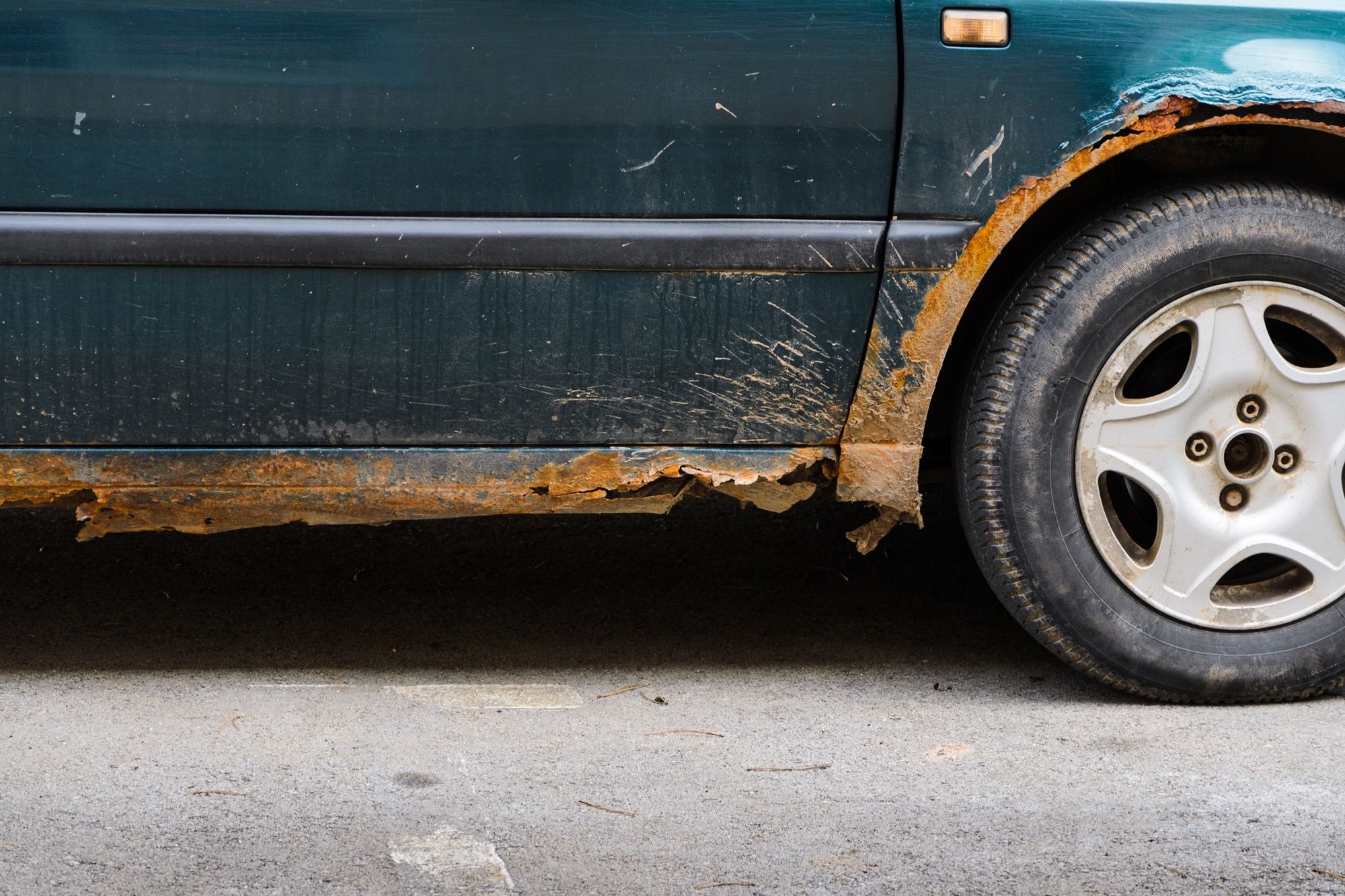
Credit: www.capitalone.com
Wax Seal Basics
Wax seals play a key role in protecting cars from rust. They form a strong layer over the car’s paint. This layer stops water, dirt, and air from touching the metal. Without this protection, metal parts can start to rust quickly. Understanding the basics of wax seals helps you keep your car safe and shiny.
What Is A Wax Seal?
A wax seal is a thin coat of wax applied to a car’s surface. It acts like a shield. It blocks moisture and air from reaching the metal parts. This prevents oxidation, which causes rust. The wax also adds shine and smoothness to the paint. It is easy to apply and remove when needed.
Types Of Car Wax
There are different types of wax for cars. Each type offers unique protection and finish. Natural waxes come from plants or animals, like carnauba wax. Synthetic waxes are made in labs to last longer. Some waxes are paste, others are liquid or spray. Choose wax based on your needs and car type.
Rust Formation Factors
Rust can damage your car’s body and parts. Understanding what causes rust helps prevent it. Many factors contribute to rust formation on cars. Some come from the metal itself. Others come from the environment around the car.
Knowing these factors shows why protecting your car is important. Wax seal acts as a shield against many of these causes. This section explains how rust forms and what triggers it.
How Rust Develops
Rust forms when metal reacts with oxygen and water. This reaction is called oxidation. It weakens the metal and changes its color. The metal slowly turns red-brown and flakes off.
Rust usually starts where the paint or coating is damaged. Scratches or chips expose the bare metal. Once exposed, the metal reacts easily with air and moisture. This starts the rusting process.
Environmental Triggers
Water is the main cause of rust. Rain, snow, and humidity make metal wet. Salt from roads or sea speeds up rust formation. Salt helps water stay on the metal longer.
Heat and cold also affect rust. Hot weather can dry metal fast, slowing rust. Cold weather causes condensation, making metal wet again. These changes help rust grow over time.
Dust and dirt trap moisture on the car’s surface. This creates a good place for rust to start. Protecting your car from these triggers reduces rust risk.
Wax Seal As A Rust Barrier
A wax seal forms a strong, protective layer on a car’s metal parts. It stops water and harmful elements from reaching the metal surface. This layer helps slow down or prevent rust from forming. Wax seals fill small cracks and gaps, making it hard for moisture to get inside. This simple barrier adds extra life to your car’s body.
Wax seals are easy to apply and create a smooth surface. They keep dirt and salt away from the paint and metal. This protection keeps the car looking new and safe from rust damage.
Water Repellency
Wax creates a water-repellent layer on the car’s surface. Water beads up and rolls off quickly. This reduces the time water stays on metal parts. Less water contact means less chance of rust forming. The wax stops moisture from settling in small areas or scratches.
Protection From Salt And Dirt
Salt and dirt cause rust by holding moisture on metal. Wax seals block these harmful substances from sticking. The smooth wax layer makes it easy to wash off dirt and salt. This keeps the car’s metal clean and dry. Wax also prevents salt from eating into the paint or metal.
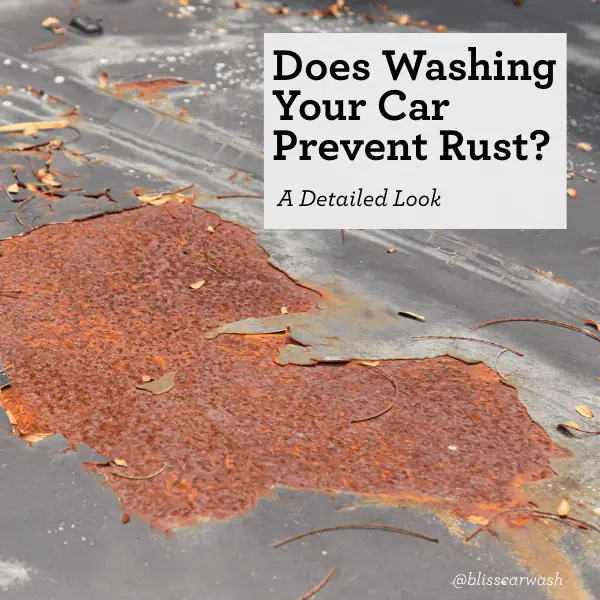
Credit: blisscarwash.com
Applying Wax Seal Correctly
Applying a wax seal correctly is key to protecting your car from rust. The wax forms a strong barrier against moisture and dirt. It keeps the metal safe and shiny for longer. Proper application ensures the wax sticks well and does its job effectively. Follow these steps for the best results.
Surface Preparation
Clean the car surface before applying wax. Wash off all dirt, grease, and old wax. Dry the surface completely to avoid trapping water. Use a clay bar for deep cleaning if needed. Smooth surfaces help wax bond better and last longer.
Application Techniques
Apply wax in thin, even layers. Use a soft cloth or applicator pad for spreading. Work in small sections to cover all areas. Let the wax dry until it looks hazy. Buff gently with a clean cloth to bring out shine. Avoid thick layers that can peel off easily.
Frequency Of Waxing
Wax your car regularly to maintain protection. Every three months works well for most vehicles. Check the car’s surface for water beading; it shows wax effectiveness. More frequent waxing may be needed in harsh weather. Consistent care keeps rust at bay and paint fresh.
Comparing Wax With Other Protectants
Protecting a car from rust needs the right product. Many products promise protection, but their benefits vary. Comparing wax with other protectants helps understand their strengths. This guide looks at wax against sealants and ceramic coatings. It helps choose what best stops rust and keeps a car looking good.
Wax Vs. Sealants
Wax is natural and easy to apply. It creates a thin, protective layer on the car’s surface. This layer blocks moisture and dirt. Wax also adds shine and smoothness to the paint.
Sealants are synthetic and last longer than wax. They form a harder shield that resists rain and dust better. Sealants protect well against UV rays too. But they may not give the same deep shine as wax.
Wax is ideal for quick, regular care. Sealants suit those wanting longer protection with fewer applications. Both help prevent rust by keeping water away from metal.
Wax Vs. Ceramic Coatings
Ceramic coatings bond to the car’s paint at a molecular level. This creates a tough, durable barrier. It resists chemicals, scratches, and extreme weather. Ceramic coatings offer long-term protection, lasting years.
Wax is softer and wears off faster. It needs reapplication every few weeks or months. Wax gives a warmer, more natural shine.
Ceramic coatings cost more and need careful application. Wax is affordable and easy for beginners. Both stop rust by sealing the paint, but ceramic coatings provide stronger defense.
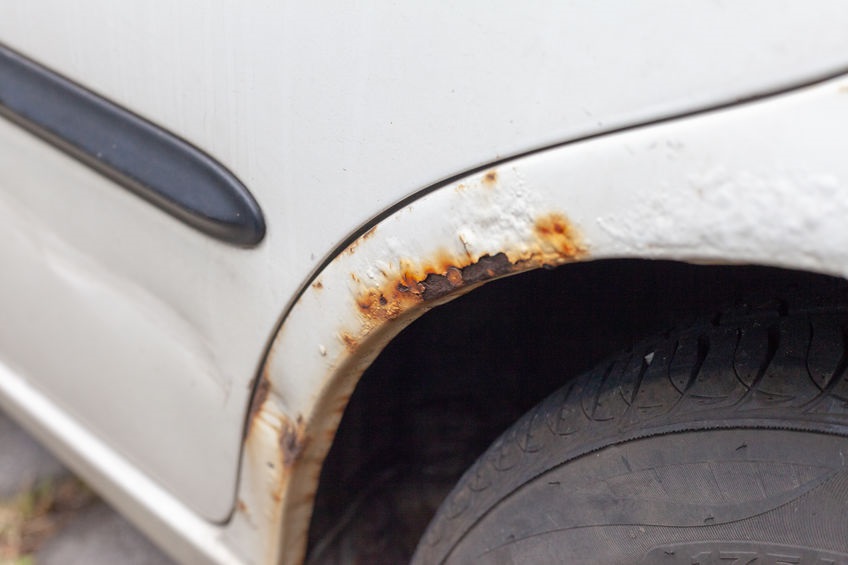
Credit: www.ipspaint.co.uk
Maintenance Tips
Maintaining the wax seal on your car is key to preventing rust. Proper care keeps the protective layer strong. Follow simple steps to extend the life of the wax seal and protect your car’s body.
Regular Cleaning
Wash your car often to remove dirt and grime. Use a gentle soap made for cars. Harsh chemicals can damage the wax seal. Clean your car with soft cloths or sponges. Avoid rough scrubbing that might break the wax layer. Dry the car fully after washing to stop water spots.
Spot Treatments
Check your car for chips or scratches. These spots can let rust start under the wax. Apply wax or touch-up paint quickly on damaged areas. This stops rust before it spreads. Use a small brush for precise application. Keep an eye on these spots during regular cleaning.
Common Mistakes To Avoid
Applying wax seal to protect your car from rust needs care and attention. Many car owners make simple mistakes that reduce the wax’s effectiveness. Avoiding these mistakes keeps your car safe and looking good longer.
Over-application
Using too much wax seal does not mean better protection. Thick layers can trap dirt and moisture. This creates the perfect place for rust to start. Apply a thin, even coat for best results. Let the wax dry properly before touching the car.
Ignoring Paint Damage
Wax seal cannot fix scratches or chips on your car’s paint. These damaged areas expose metal to air and water. Rust can start quickly here. Always repair paint damage before applying wax. Clean and smooth surfaces help the wax seal work well.
Frequently Asked Questions
What Is Wax Seal Protection For Cars?
Wax seal protection involves applying a wax layer to a car’s surface. It creates a protective barrier against moisture and contaminants, reducing rust formation and corrosion. This seal preserves the car’s paint and metal parts, extending the vehicle’s lifespan and maintaining its appearance.
How Does Wax Seal Prevent Car Rust?
Wax seal blocks water and oxygen from reaching the metal. It stops rust by preventing moisture buildup on the car’s surface. This protective layer also shields the paint from dirt and chemicals that can cause corrosion and damage.
How Often Should Car Wax Seal Be Applied?
Car wax seal should be applied every 3 to 6 months. Regular application maintains the protective barrier and ensures ongoing rust prevention. Frequency depends on weather conditions and driving habits, with harsher environments requiring more frequent waxing.
Can Wax Seal Protect Against Salt And Road Grime?
Yes, wax seal protects cars from salt and road grime. It acts as a barrier, preventing these corrosive substances from contacting the metal. This reduces the risk of rust, especially in winter or coastal areas where salt exposure is common.
Conclusion
Wax seal forms a strong barrier against water and air. It stops moisture from reaching metal parts. Rust needs water and oxygen to grow. Wax seal blocks these elements effectively. Applying wax regularly keeps the car safe longer. It also helps maintain the car’s look.
Small cracks and scratches get covered well. This simple step saves money on repairs. Protecting your car from rust is smart. Wax seal acts as a reliable shield every time. Keep your vehicle shiny and rust-free with wax. Easy care, big benefits.


