Are your brakes making noise or feeling less responsive? You might be wondering, “How much are brakes and rotors going to cost me?”
Understanding the price can help you avoid surprises and make smart choices for your car’s safety. You’ll discover what affects the cost, how to spot when it’s time to replace them, and tips to save money without cutting corners. Keep reading to get clear answers and protect your ride—and your wallet.

Credit: shop.advanceautoparts.com
Brake System Basics
The brake system is a key part of any vehicle. It helps you stop safely and avoid accidents. Knowing how brakes and rotors work can save money and keep you safe.
Brakes slow down the wheels by creating friction. This friction happens between the brake pads and rotors. Understanding these parts helps explain their costs and maintenance needs.
Types Of Brakes
There are two main types of brakes: disc brakes and drum brakes. Disc brakes use pads that squeeze a flat rotor to stop the car. Drum brakes use shoes that press inside a drum. Disc brakes are common on most cars today because they work better in wet conditions.
Role Of Rotors
Rotors are metal discs attached to the wheel. The brake pads press against them to slow the car. Rotors must be strong and smooth to work well. If rotors get damaged or worn out, they need to be replaced or resurfaced.
Signs Of Wear
Brakes and rotors wear out over time. Listen for squeaking or grinding noises when braking. A vibration or pulsing feeling in the pedal can mean rotor problems. If your car takes longer to stop, check the brake system immediately.

Credit: www.jegs.com
Cost Factors For Brakes
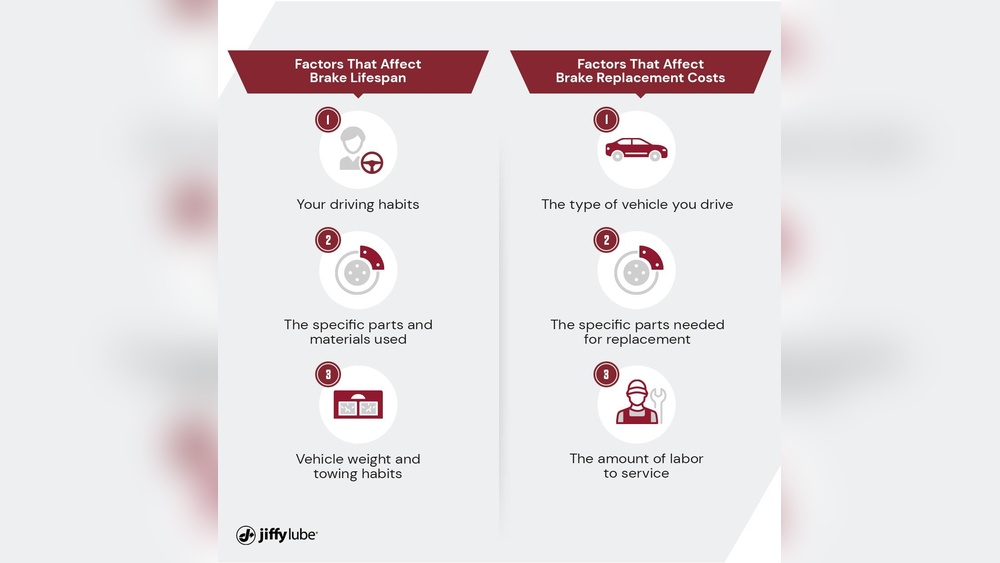
Understanding the cost factors for brakes helps plan your car maintenance budget. Brake repairs vary widely depending on several key elements. Knowing these elements can save money and avoid surprises.
Brake Pad Materials
Brake pads come in different materials. Organic pads are cheaper but wear faster. Semi-metallic pads offer good performance and last longer. Ceramic pads cost more but provide quiet braking and less dust. The choice of material affects the price significantly.
Labor Charges
Labor costs depend on the mechanic’s hourly rate. Dealerships often charge more than independent shops. Complex brake systems take more time to fix. Labor fees can sometimes be higher than parts. Always ask for a labor estimate before service.
Vehicle Make And Model
Brake parts vary by vehicle type and brand. Luxury or sports cars often have pricier components. Older or less common cars may need special parts. Some models require more time for brake service. Vehicle specifics strongly influence the total brake cost.
Rotor Replacement Costs
Replacing rotors is a key part of maintaining safe brakes. Rotors wear out over time from heat and friction. Knowing the cost helps plan your budget for brake repairs. Prices vary based on rotor types and vehicle models. Understanding when to replace rotors keeps your car stopping smoothly.
Rotor Types
Standard rotors are plain and solid. They cost less and fit most cars. Drilled rotors have holes to cool faster. Slotted rotors have grooves for better braking. High-performance rotors suit sports cars and heavy trucks. Each type has a different price and lifespan.
Price Range
Basic rotors usually cost $30 to $75 each. Drilled or slotted rotors range from $50 to $150 each. Luxury or performance rotors can exceed $200 per rotor. Labor costs add $80 to $150 per axle. Total replacement can cost $200 to $400 or more.
When To Replace Rotors
Replace rotors if they are warped or cracked. Deep grooves or rust also mean replacement is needed. A pulsing brake pedal signals rotor issues. Regular checks every 20,000 miles help catch problems early. Changing rotors on time avoids costly damage to brake pads.
Diy Vs Professional Service
Deciding between DIY brake and rotor replacement or hiring a professional can affect your budget and safety. Both choices have clear benefits and drawbacks. Understanding these points helps you make a smart decision for your car and wallet.
Cost Savings
Doing brakes and rotors yourself can save money on labor fees. You pay only for parts and tools. Professional service costs more because of skilled labor and shop fees. Yet, a pro can avoid mistakes that might cost extra later.
Risks And Challenges
DIY brake work involves risks. Mistakes can cause brake failure or uneven wear. Safety is crucial when handling brake systems. Professionals have experience to spot hidden problems. They ensure the job meets safety standards.
Tools Needed
Basic tools include a jack, lug wrench, and brake caliper tool. Advanced tools like a torque wrench improve accuracy. Professionals have all the right tools ready. DIYers may need to buy or rent special equipment, raising costs.
Ways To Save On Brake Repairs
Brake repairs can be costly, but there are smart ways to save money. Knowing how to handle brake maintenance helps reduce expenses. Small steps add up to big savings on brakes and rotors.
Choosing Quality Parts
Buy brake parts that last long and work well. Cheap parts may break faster and cost more over time. Look for trusted brands with good reviews. Quality parts keep your car safer and lower repair frequency.
Regular Maintenance
Check brakes often to catch problems early. Clean and inspect rotors and pads every few months. Fix small issues before they grow into expensive repairs. Regular care keeps brakes working better and saves money.
Finding Reliable Mechanics
Pick a mechanic who is honest and skilled. Ask friends or read reviews to find good shops. Reliable mechanics avoid unnecessary repairs and offer fair prices. Trustworthy service helps you save on brake jobs.
Impact Of Brake Quality On Safety
Brake quality directly affects how safe your car is on the road. Poor brakes can cause accidents by not stopping the vehicle quickly. Good brakes provide better control and reduce the risk of crashes.
Choosing high-quality brakes and rotors helps keep you and others safe. Let’s explore how brake quality impacts stopping distance, heat dissipation, and longevity.
Stopping Distance
High-quality brakes reduce the distance needed to stop your car. Shorter stopping distance means less chance of hitting obstacles or other vehicles. Low-quality brakes may increase stopping distance, risking accidents.
Heat Dissipation
Brakes create heat when used. Good brakes disperse heat faster and avoid overheating. Overheated brakes lose effectiveness, which can cause failure during sudden stops. Quality rotors help keep the brakes cool and working well.
Longevity
Better brakes last longer and need fewer replacements. High-quality materials resist wear and damage. This means safer brakes over time and less money spent on repairs. Cheap brakes wear out quickly and can fail unexpectedly.

Credit: www.youtube.com
Frequently Asked Questions
How Much Do Brake Pads And Rotors Cost Together?
Brake pads and rotors typically cost between $250 and $500. Prices vary by vehicle type and quality. Labor fees may increase the total cost. Always compare quotes from different mechanics for the best deal.
Are Oem Or Aftermarket Brake Parts More Affordable?
Aftermarket brake parts are usually cheaper than OEM. However, OEM parts often offer better durability and performance. Choose based on your budget and driving needs. Quality should never be compromised for cost.
How Often Should Brakes And Rotors Be Replaced?
Brakes and rotors generally need replacement every 30,000 to 70,000 miles. Factors like driving habits and road conditions influence this. Regular inspections help catch wear early and ensure safety.
Can I Replace Rotors Without Changing Brake Pads?
Technically yes, but it’s not recommended. Rotors and pads wear together for optimal braking. Replacing only rotors may lead to uneven wear or reduced braking efficiency. Always replace both for best results.
Conclusion
Brakes and rotors cost varies depending on the car and part quality. Choosing the right parts helps keep your car safe and running well. Regular checks can prevent expensive repairs later. Remember, good brakes protect you and others on the road.
Budgeting for maintenance avoids surprises. Stay informed and take care of your vehicle. Simple steps keep driving smooth and safe.