

You just installed new rotors on your car, and now it’s time to brake in properly. But do you know why this step is so important?
How you break in your new rotors can make a big difference in your braking performance and the lifespan of your parts. If you want your brakes to work smoothly, safely, and last longer, you need to follow the right process.
Keep reading, and you’ll learn exactly how to brake in new rotors the right way—so you can hit the road with confidence.
Why New Rotors Need Special Care
New rotors need special care to perform well and last longer. They require a careful break-in process called bedding. This step helps the brake pads and rotors work together smoothly. Skipping this can cause noise, vibrations, or even damage. Proper care protects your brakes and keeps driving safe.
Effects Of Improper Bedding
Skipping or rushing the break-in can cause uneven rotor surface. This leads to vibrations or noise while braking. The brake pads may wear out faster. Heat can build up unevenly and cause cracks. Your braking power may drop, making stops longer and less safe.
Benefits Of Proper Break-in
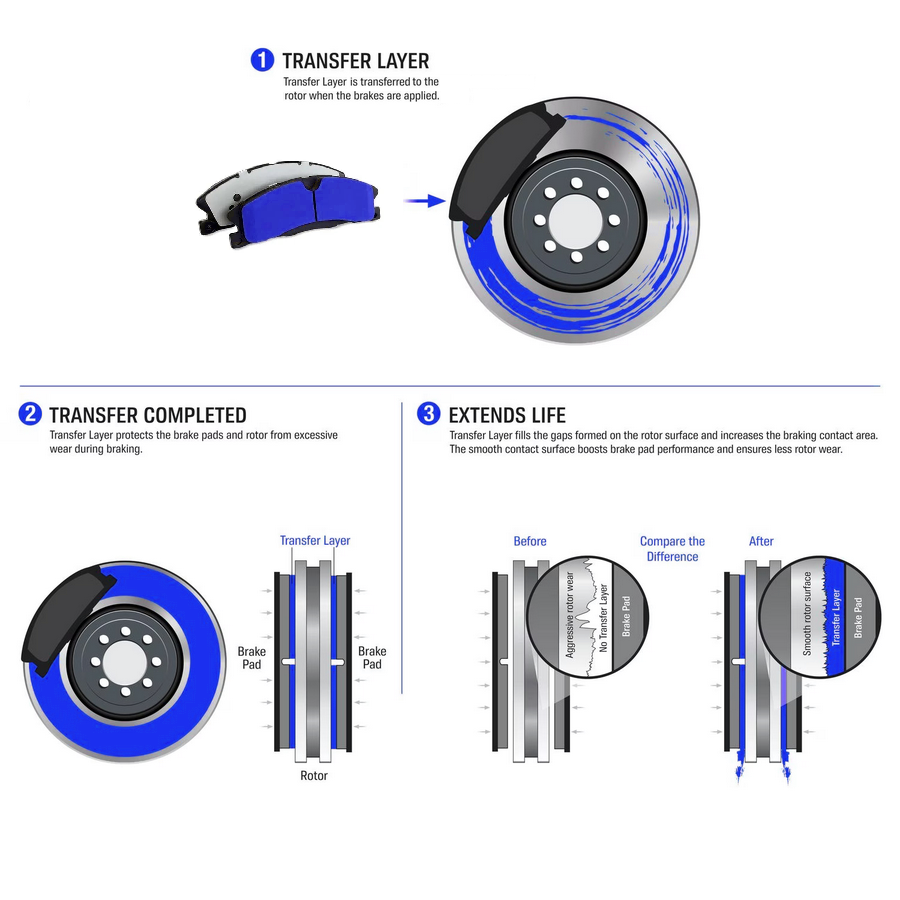
Proper bedding creates a smooth layer on the rotor surface. It helps the pads grip better and wear evenly. Heat spreads evenly across the rotor, avoiding cracks. Brakes respond faster and feel smoother. Proper care extends the life of both pads and rotors.
Preparing Your Vehicle For New Rotors
Preparing your vehicle for new rotors is a key step before braking. It ensures safety and better performance. Taking time to prepare helps avoid problems later. Follow simple steps to get your brakes ready.
Cleaning The Rotor Surface
New rotors often have a protective coating. This coating must be removed before installation. Use brake cleaner spray to clean the rotor surface. Wipe it gently with a clean cloth. Removing dirt and oil helps the brakes grip well.
Clean rotors reduce noise and improve braking power. Avoid touching the rotor surface with bare hands. Oils from skin can cause issues during braking.
Checking Brake Components
Inspect brake pads for wear and damage. Replace pads if they look thin or cracked. Also, check brake calipers for leaks or sticking. Make sure brake lines are not cracked or leaking fluid. Proper brake fluid level is important too.
Good brake components ensure smooth and safe braking. Fix any worn or damaged parts before installing new rotors. This step prevents uneven wear and poor brake response.
Step-by-step Break-in Process
Breaking in new rotors is important to get the best performance. It helps the brakes work smoothly and last longer. Follow a simple step-by-step process to break in your new rotors properly. This ensures safety and improves brake life.
Initial Gentle Braking
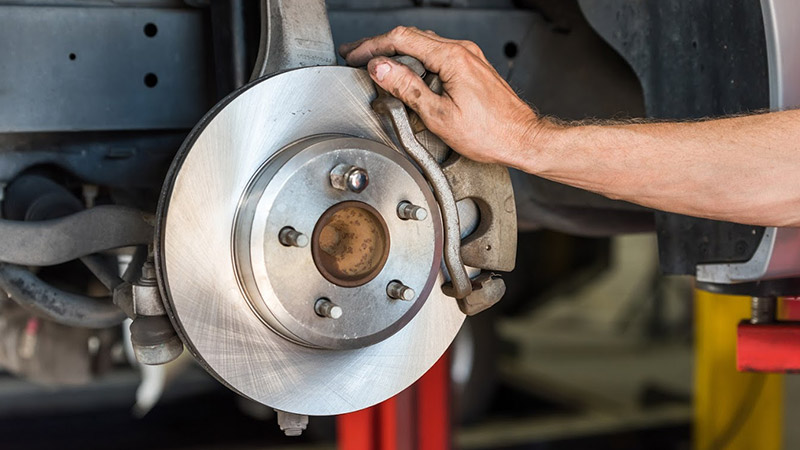
Start by driving at a low speed. Apply the brakes gently several times. This warms up the rotors without causing damage. Avoid hard braking during this phase. Keep the stops light and smooth for the first few miles.
Progressive Braking Intensity
Increase braking pressure slowly after the initial phase. Make stops a bit stronger but still controlled. This helps the rotor surface and brake pads to match perfectly. Repeat this step several times. It builds a smooth brake surface on the rotors.
Avoiding Hard Stops Early On
Do not make sudden or hard stops too soon. Hard braking can cause uneven rotor wear. It may lead to brake noise or reduced performance. Wait until the rotors are fully broken in before heavy braking. This keeps your brakes safe and effective.
Credit: bouldernissan.com
Common Mistakes To Avoid
New rotors need careful handling to last long and work well. Many drivers make mistakes that shorten rotor life or reduce braking power. Avoiding these errors helps keep your brakes safe and effective. Pay close attention to how you brake right after installing new rotors.
Riding The Brakes
Riding the brakes means keeping your foot lightly on the brake pedal while driving. This causes constant friction on the rotors. It leads to faster wear and overheating. Hot rotors can warp and cause vibrations. Use brakes only when needed to avoid damage.
Ignoring Break-in Procedures
Break-in procedures prepare new rotors for use. Skipping this step causes uneven pad material buildup. This leads to brake noise and poor stopping power. Follow the recommended steps to heat and cool the rotors gradually. This improves rotor surface and brake performance.
Signs Of Proper Break-in
Properly breaking in new rotors is vital for safe driving and long-lasting brakes. During this process, rotors and brake pads form a smooth surface for optimal contact. Signs of a proper break-in help you know if your brakes work well and stay reliable.
Consistent Brake Performance
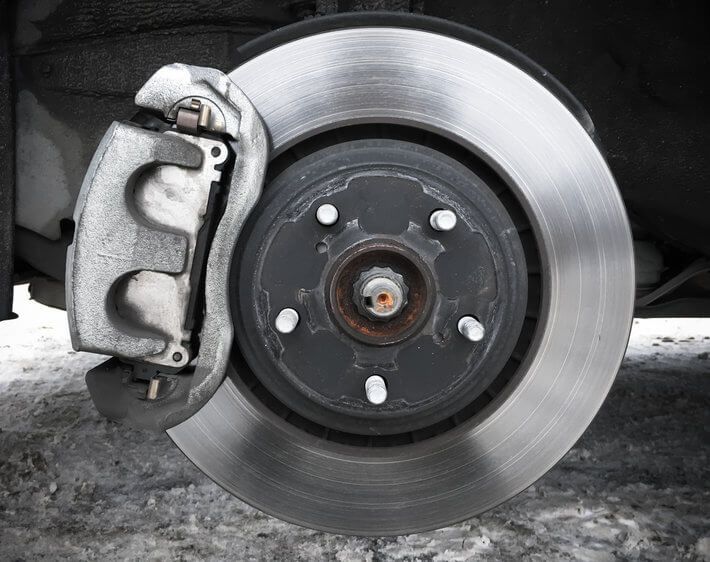
One clear sign is steady brake response every time you press the pedal. The brakes should feel smooth, not jerky or weak. Consistent stopping power means the rotor surface is even and ready for use. No sudden changes in braking strength show the break-in is successful.
Reduced Noise And Vibration
New rotors often cause some noise or shaking at first. Proper break-in reduces these issues quickly. You should hear less squealing or grinding after a short period. The pedal should stop vibrating during braking. Quiet, smooth brakes mean the rotor and pad surfaces match well now.
Credit: www.tiresplus.com
Maintaining Rotors For Longevity
Maintaining rotors for longevity helps your brakes work better and last longer. New rotors need care to avoid damage and wear. Small steps can keep them smooth and safe. This section explains how to keep rotors in good shape through regular checks and smart driving habits.
Regular Inspections
Check your rotors often to catch problems early. Look for cracks, grooves, or rust on the rotor surface. Use a flashlight and clean cloth for a clear view. Listen for strange noises when braking. If you hear squealing or grinding, inspect immediately. Regular inspections help you spot wear before it worsens.
Proper Driving Habits
Drive gently to protect new rotors. Avoid sudden stops and heavy braking. Slow down gradually instead of slamming the brakes. This reduces heat and stress on the rotors. Keep a safe distance from other cars to brake smoothly. Smooth driving extends the life of your rotors and brakes.
Credit: www.brakes-shop.com
Frequently Asked Questions
How Long Should I Brake With New Rotors?
Brake gently for the first 200-300 miles. Avoid hard stops to allow the rotors to seat properly. This prevents warping and uneven wear, ensuring optimal brake performance and longer rotor lifespan.
Why Is Bedding In New Rotors Important?
Bedding new rotors creates a smooth surface by evenly transferring brake pad material. This process improves braking efficiency, reduces noise, and prevents rotor damage. Proper bedding ensures consistent braking and enhances safety.
Can I Drive Normally After Installing New Rotors?
Avoid aggressive braking for the first few hundred miles. Drive smoothly to help the rotors and pads settle. Normal driving after bedding ensures optimal rotor function and extends brake component life.
What Signs Indicate Improper Rotor Bedding?
You may notice brake noise, vibration, or uneven braking. These signs suggest uneven pad material transfer or rotor warping. If experienced, re-bed the rotors or consult a mechanic to avoid further damage.
Conclusion
Braking on new rotors needs care and patience. Start gently to let them settle well. Avoid hard stops for the first few hundred miles. This helps prevent uneven wear and noise. Check your brakes regularly to keep them safe. Proper braking keeps your car running smooth and safe.
Remember, good habits protect your brakes and your drive. Take it slow, and your new rotors will last longer. Safe driving starts with careful braking.

