

Have you ever wondered just how hot your brake rotors are supposed to get when you hit the brakes? Knowing this can save you from costly repairs and keep your car running safely.
If your rotors get too hot, it can cause serious damage—but if they don’t reach the right temperature, your brakes might not work as they should. You’ll discover the ideal temperature range for brake rotors, what happens when they overheat, and simple tips to keep them in perfect shape.
Keep reading to protect your car and ensure your safety every time you drive.
Brake Rotor Temperature Basics
Brake rotors play a key role in stopping a car safely. They work by turning friction into heat. Understanding rotor temperature helps you keep brakes in good shape. Too hot or too cold can cause problems. Let’s explore the basics of brake rotor temperature.
Normal Operating Range
Brake rotors usually run between 200 and 400 degrees Fahrenheit. This range lets brakes stop the car well without damage. During heavy braking, rotors can reach up to 1000 degrees. Racing or mountain driving may push temperatures even higher. Staying within the right range keeps rotors strong and safe.
Factors Influencing Rotor Heat
Several things affect how hot rotors get. The weight of the car is one. Heavier cars need more braking force, which raises heat. Driving style matters too. Hard braking heats rotors faster than gentle stops. Road conditions also play a role. Going downhill or in traffic can cause more heat build-up.
Heat Generation During Braking
Brake rotors get very hot during braking. This heat comes from the force that slows your car down. Understanding how heat forms helps explain why rotors can reach high temperatures. This knowledge also helps in maintaining your braking system well.
Friction And Energy Conversion
Braking creates friction between brake pads and rotors. This friction turns the car’s kinetic energy into heat. The harder you press the brake, the more heat is produced. This process is why rotors get so hot. The heat helps stop the car but also stresses the rotor material.
Impact Of Driving Conditions
Driving in hilly areas causes more heat in brake rotors. Long downhill drives mean constant braking, raising rotor temperature. Stop-and-go traffic makes brakes work harder too. Hotter rotors wear out faster and may warp. Good driving habits can help control rotor heat.
Materials And Heat Tolerance
Brake rotors must handle high heat during driving. The materials used affect how much heat they tolerate. Heat tolerance is vital for safety and performance. Different materials have unique ways to resist heat. Understanding these helps explain how hot rotors can get.
Common Rotor Materials
Most brake rotors are made from cast iron. Cast iron is cheap and works well under heat. Some rotors use carbon composites. These are lighter and cool down faster. Steel rotors appear in some high-performance cars. Steel handles heat better but costs more. Ceramic rotors also exist for racing cars. Ceramics resist heat very well and last long. Each material suits different driving needs and heat levels.
Heat Resistance Properties
Cast iron absorbs heat but can crack if too hot. Carbon composite rotors resist heat and fade less. Steel rotors keep shape under high temperatures. Ceramic rotors handle the highest heat without damage. Heat resistance affects how brakes perform on long drives. Too much heat can cause brake fade or warping. Good heat tolerance means safer and more reliable stops.
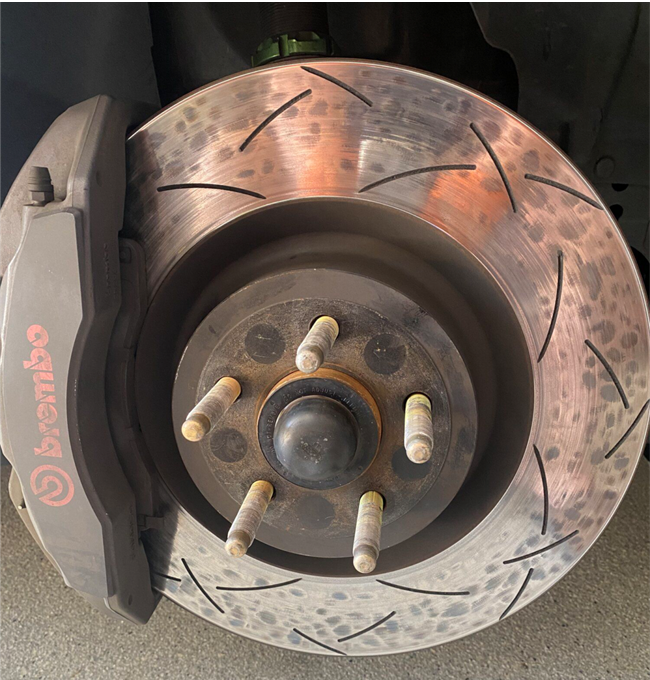
Credit: www.ebcbrakes.com
Signs Of Overheating Rotors
Brake rotors get hot during driving. But too much heat can cause problems. Knowing the signs of overheating rotors helps keep your car safe. Overheated rotors affect braking and can lead to costly repairs. Watch for clear signs early to avoid damage.
Some signs are easy to notice. Others need more attention. Here are the common signs of overheating rotors.
Warping And Cracking
Rotors that get too hot may warp or crack. Warping causes the rotor surface to become uneven. This leads to vibrations when braking. You may feel a shaking in the brake pedal or steering wheel. Cracks can appear on the rotor edges or face. Cracked rotors are unsafe and need immediate replacement.
Brake Fade And Performance Loss
Overheated rotors cause brake fade. Brake fade means brakes feel weak or less responsive. It takes longer to stop the car. The brake pedal may feel soft or spongy. This happens because heat reduces friction between brake pads and rotors. Poor brake performance is dangerous on roads.
Safe Heat Limits For Rotors
Brake rotors get hot during driving. They convert the force from braking into heat. This heat must stay within safe limits. Too much heat can damage the rotors and reduce braking power. Knowing safe heat limits helps keep your brakes working well and lasting longer.
Typical Temperature Thresholds
Most brake rotors can handle temperatures between 300 and 500 degrees Celsius (572 to 932 degrees Fahrenheit). Normal driving usually keeps rotors below 300°C. Heavy braking, like going downhill or stopping fast, can push temperatures closer to 500°C. Beyond this, rotors may warp or crack. High heat also wears down brake pads faster.
Differences By Vehicle Type
Passenger cars usually have rotors designed for lower heat limits, around 300 to 400°C. Sports cars and performance vehicles use special rotors that resist heat up to 600°C or more. Heavy trucks and buses face much higher heat due to their weight. Their rotors are made from stronger materials to handle up to 700°C safely.
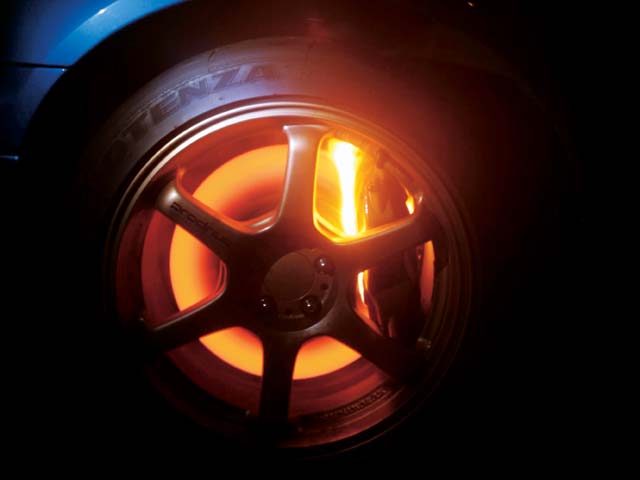
Credit: www.cquence.net
Cooling Techniques For Rotors
Brake rotors get very hot during driving. Keeping them cool is important for safety and performance. Cooling techniques help stop rotors from overheating. These techniques extend the rotor’s life and improve braking power.
Different methods help cool rotors. Some come from how rotors are built. Others depend on how drivers use their brakes. Both design and driving habits work together to keep rotors cool.
Design Features
Rotors often have vents between surfaces. These vents let air flow through. Moving air cools the rotors quickly. Some rotors have drilled holes on the surface. These holes help release heat and gases.
Materials also affect heat management. Some rotors use special metals that absorb less heat. Others have coatings to protect against heat damage. These features reduce the chance of warping and cracking.
Driving Habits To Reduce Heat
Slow down gradually instead of braking hard. This lowers heat build-up in rotors. Avoid riding the brakes, which keeps them hot. Use engine braking by easing off the gas and shifting down.
Take breaks on long downhill drives. This gives rotors time to cool naturally. Smooth, steady driving helps maintain safe rotor temperatures. These habits protect rotors and improve braking safety.
Measuring Rotor Temperatures
Measuring the temperature of brake rotors helps to understand their performance and safety. Rotors can get very hot during use, and knowing their exact temperature helps prevent damage. Accurate measurement can also improve braking efficiency and extend rotor life.
Tools And Methods
Infrared thermometers are common tools for checking rotor temperatures. They measure heat without touching the rotor. Some mechanics use thermal cameras for detailed heat patterns. Thermocouples attach directly to the rotor for precise readings. Each tool offers different accuracy and ease of use.
Interpreting Temperature Data
Rotor temperatures usually range between 200°F to 1200°F during normal use. High temperatures can cause warping or brake fade. Consistently hot rotors need inspection or replacement. Comparing data to manufacturer limits ensures safe operation. Monitoring trends over time helps spot early problems.

Credit: www.youtube.com
Preventing Rotor Heat Damage
Brake rotors can get very hot during driving. Too much heat can cause damage. This damage reduces the life of your rotors and brakes. Preventing rotor heat damage is important for safety and cost savings.
Proper care helps keep rotors cool and working well. There are ways to avoid overheating and extend rotor life. Small changes can make a big difference in heat control.
Maintenance Tips
Check brake pads regularly. Worn pads increase rotor heat. Replace pads before they wear out completely. Keep brake fluid clean and at the right level. Old fluid can cause brake fade and heat buildup. Clean rotors to remove dust and dirt. Dirty rotors heat up faster. Avoid riding the brakes. This adds constant heat and wears parts quickly. Use engine braking on long downhill drives. It lowers the need for heavy braking and heat.
Upgrading Brake Components
Consider high-quality brake pads with better heat resistance. These pads stay cooler and last longer. Upgrade to slotted or drilled rotors. They cool faster by letting air flow through. Use stainless steel brake lines. They improve brake feel and reduce heat fade. Larger rotors also help spread heat over a bigger area. This keeps rotors cooler during hard braking. These upgrades protect rotors from overheating and damage.
Frequently Asked Questions
How Hot Can Brake Rotors Safely Get?
Brake rotors can safely reach temperatures between 400°F and 600°F during normal driving. High-performance or racing conditions may push them up to 1,200°F. Exceeding these temperatures risks warping and reduced braking efficiency.
What Temperature Damages Brake Rotors?
Brake rotors typically get damaged above 1,200°F. Excessive heat causes warping, cracks, and reduced lifespan. Consistently high temperatures can also lead to brake fade, compromising vehicle safety.
How Does Rotor Temperature Affect Braking Performance?
High rotor temperatures reduce braking efficiency due to brake fade. Heat causes brake pad material to lose friction. Optimal rotor temperature ensures consistent and safe stopping power.
Can Overheated Rotors Cause Brake Failure?
Yes, overheated rotors can cause brake failure. Excessive heat leads to warping and brake fade. This reduces contact between pads and rotors, impairing braking performance and safety.
Conclusion
Brake rotors get hot during normal driving, but not too hot. High heat can cause damage and reduce braking power. Good brake pads and proper driving help keep rotors cool. Watch for signs like smells or noises—they mean rotors may be too hot.
Regular checks keep your brakes safe and working well. Remember, cool rotors mean better stopping and longer part life. Stay aware, drive smart, and maintain your brakes often. Safe driving depends on well-functioning brakes and proper rotor temperature.


