

When it comes to your car’s safety, your brakes play a huge role. But how much does replacing brake pads and rotors actually cost?
If you’ve noticed squeaking sounds or a shaky brake pedal, it might be time to think about this repair. Understanding the costs involved can help you avoid surprises and make smarter decisions for your vehicle. You’ll discover the factors that affect the price, what to expect at the mechanic’s shop, and how to save money without risking your safety.
Keep reading—you’ll be glad you did when it’s time to fix your brakes.
Credit: blog.napacanada.com
Brake Pads And Rotors Basics
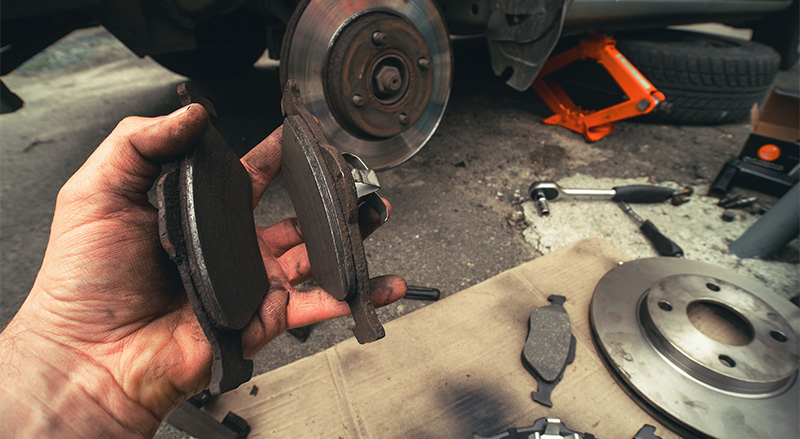
Brake pads and rotors are key parts of your car’s braking system. They work together to stop your vehicle safely. Understanding their function helps you keep your car in good shape. It also helps you know when to replace these parts.
Brake pads press against the rotors to create friction. This friction slows down the wheels and stops the car. Both parts wear out over time and need regular checks.
Role In Vehicle Safety
Brake pads and rotors help control your car’s speed. Good brakes mean shorter stopping distances. They reduce the risk of accidents. Worn pads or rotors can cause brake failure. This puts the driver and others in danger. Well-maintained brakes keep you safe on the road.
Signs Of Wear And Damage
Listen for squealing or grinding sounds when braking. These noises often mean worn brake pads. Feel for vibration or pulsing in the brake pedal. This can signal damaged rotors. Check for longer stopping distances. This also shows brake parts need attention. Regular inspections catch problems early.
Factors Affecting Replacement Costs
Replacing brake pads and rotors involves different costs. These costs change based on several factors. Understanding these can help you plan your budget better. Each factor plays a key role in the total expense.
Vehicle Make And Model
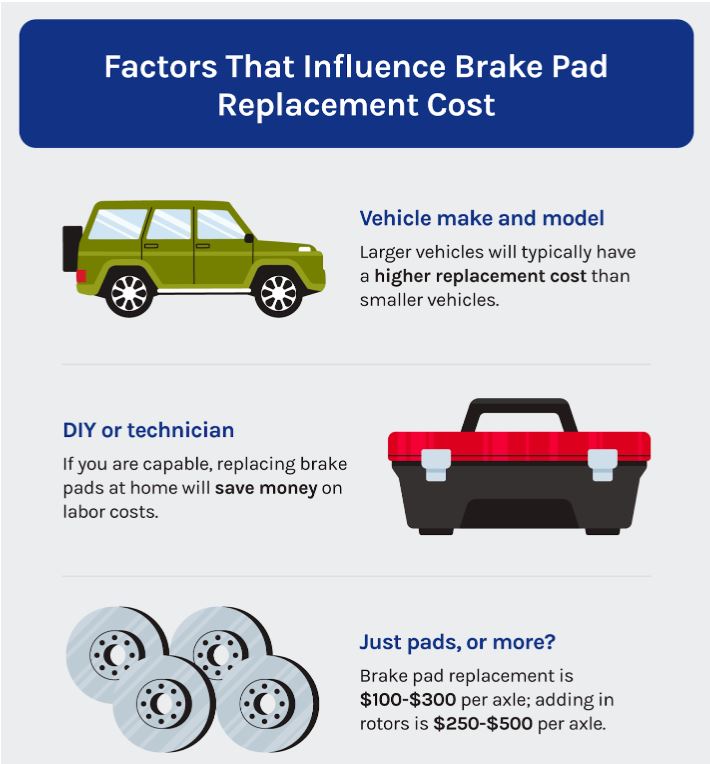
Different cars need different brake parts. Luxury or sports cars often use expensive parts. Common cars have cheaper, easy-to-find parts. Some models require special tools or skills, raising labor costs. Vehicle age also affects part availability and price.
Quality Of Parts
Brake parts come in low, medium, and high quality. Cheap parts cost less but wear out fast. High-quality parts last longer and perform better. Choosing quality parts can save money over time. Always match parts to your driving needs and budget.
Labor Charges
Mechanic fees vary by location and shop type. Dealerships usually charge more than independent garages. Complex brake systems take longer to fix, increasing labor costs. Some shops include extra fees for disposal or inspection. Ask for a clear estimate before work starts.
Average Cost Breakdown
Understanding the average cost of replacing brake pads and rotors helps plan your car maintenance budget. Prices vary based on car type, parts quality, and labor charges. Breaking down the costs makes it easier to know what to expect.
Brake Pad Replacement Prices
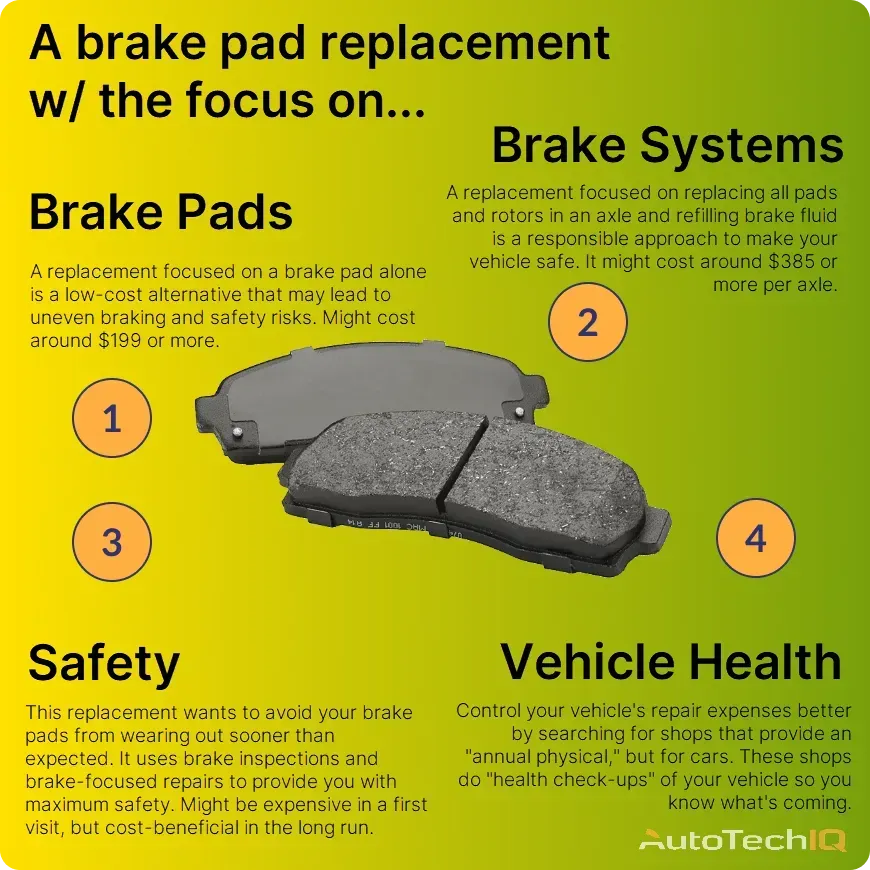
Brake pads usually cost between $50 and $150 for parts. Labor fees add another $80 to $120. The total for brake pad replacement often falls between $130 and $270. Prices rise for luxury or performance vehicles.
Rotor Replacement Expenses
Rotors can cost from $30 to $75 each, depending on quality and brand. Labor costs to replace rotors range from $100 to $150. Most vehicles need two rotors replaced at once. Expect rotor replacement to cost between $160 and $300.
Combined Replacement Costs
Replacing both brake pads and rotors together usually saves money on labor. The average combined cost ranges from $250 to $500. This price covers parts and labor for all four wheels. Combining replacements keeps your brakes working smoothly and safely.
Credit: www.autotechiq.com
Diy Vs Professional Replacement
Replacing brake pads and rotors involves a key choice: do it yourself or hire a professional. Both have costs and benefits. Understanding these helps you decide the best option for your car and budget.
Pros And Cons Of Diy
Doing the job yourself can save money on labor fees. Parts cost stays the same, but no shop charges apply. You learn new skills and control the process.
DIY needs proper tools and time. Mistakes can cause safety issues or extra costs. Not everyone has the space or experience to work on brakes safely.
When To Seek Professional Help
Choose a professional if you lack tools or brake knowledge. A mechanic ensures correct installation and tests for safety. Professionals can spot other brake problems early.
Complex brake systems or new car models may need expert care. Professionals offer warranties and save time. They reduce risk and give peace of mind.
Tips To Save On Brake Maintenance
Brake maintenance can be costly. Saving money is possible with smart choices. Simple steps help extend brake life and reduce expenses.
Understanding how to save on brake pads and rotors keeps your car safe and your wallet happy.
Choosing Affordable Parts
Not all brake parts cost the same. Choose quality parts that fit your budget. Look for trusted brands with fair prices. Avoid very cheap parts; they wear out fast. Mid-range parts often last longer and perform well. Buying parts online may save money. Compare prices before buying. Ask your mechanic for advice on part options.
Regular Inspections And Maintenance
Check brakes regularly to catch problems early. Small issues grow costly if ignored. Inspect brake pads and rotors every few months. Keep an eye on brake fluid levels too. Clean brake parts to avoid dirt buildup. Schedule routine maintenance with your mechanic. Early repairs cost less than full replacements. Drive gently to reduce brake wear. Smooth stops help brakes last longer.
Credit: www.aaa.com
Common Questions On Brake Replacement
Brake replacement raises many questions for car owners. Understanding the basics helps you keep your vehicle safe. Knowing when to change pads and rotors saves money and stress. Here are answers to common questions about brake replacement.
How Often To Replace Pads And Rotors
Brake pads usually last between 30,000 and 70,000 miles. Rotors often last longer but may need replacing every 50,000 to 70,000 miles. The exact time depends on driving habits and road conditions. Regular inspection helps avoid sudden brake failure.
Signs You Need Immediate Replacement
Squeaking or grinding noises mean your brakes need attention. Vibrations in the brake pedal or steering wheel also signal trouble. If the car pulls to one side during braking, check the brakes soon. Reduced braking power or a soft pedal means urgent replacement is necessary.
Frequently Asked Questions
How Much Does It Cost To Replace Brake Pads?
Replacing brake pads typically costs between $100 and $300. Prices vary based on vehicle type, pad quality, and labor fees. Economy cars tend to be cheaper, while luxury or performance models cost more.
What Affects The Cost Of Replacing Brake Rotors?
Rotor replacement costs depend on rotor type, vehicle model, and labor rates. High-performance or drilled rotors cost more. Labor charges vary by shop location and expertise.
Can I Replace Brake Pads And Rotors Myself?
Yes, if you have proper tools and experience. However, incorrect installation risks safety. Professional replacement ensures proper fit and function, often worth the cost.
How Often Should Brake Pads And Rotors Be Replaced?
Brake pads usually last 30,000 to 70,000 miles. Rotors last 50,000 to 70,000 miles but vary by driving habits. Regular inspection ensures timely replacement and safety.
Conclusion
Replacing brake pads and rotors costs vary by car and location. Expect to pay between $150 and $400 on average. Choosing quality parts helps ensure safety and longer wear. Regular checks can prevent expensive repairs later. Don’t wait until brakes feel weak or noisy.
Keeping brakes in good shape protects you and others on the road. Stay informed and budget for this important maintenance. Safe driving starts with reliable brakes.


