

Have you ever wondered how long your brake rotors should last before you need to replace them? Knowing this can save you from unexpected repairs and keep you safe on the road.
Your brake rotors play a key role in stopping your vehicle smoothly and quickly. But if they wear out too soon, you might notice strange noises, vibrations, or reduced braking power. You’ll discover the typical lifespan of brake rotors and the signs that tell you it’s time for a change.
Keep reading to protect your car and your peace of mind.

Credit: www.ikehonda.com
Brake Rotor Lifespan Basics
Brake rotors are an important part of your car’s braking system. They work with brake pads to slow down and stop your vehicle safely. Over time, rotors wear out and need replacement. Knowing how long rotors last helps you keep your car safe and avoid costly repairs.
Rotor life depends on many things. Driving style, road conditions, and the quality of parts all affect how quickly rotors wear down. Understanding these basics helps you plan maintenance better.
Typical Mileage Range
Most brake rotors last between 30,000 and 70,000 miles. This range varies by vehicle type and driving habits. Some rotors can wear out faster in heavy city traffic. Others last longer on highways with less stop-and-go.
Regular inspections can catch rotor wear early. Worn rotors may cause vibration or noise during braking. Replacing rotors at the right time keeps brakes working well.
Factors Influencing Wear
Driving style plays a big role in rotor wear. Hard braking and fast stops wear rotors faster. Smooth, gentle braking extends rotor life. Road conditions matter too. Rough roads and hills increase stress on rotors.
Brake pad quality also affects rotor life. Cheap pads can cause more rotor damage. High-quality pads reduce wear and protect rotors. Climate has an impact. Wet or salty roads cause rust, which can shorten rotor life.
Material Types And Durability
Brake rotors come in different materials. Each type affects how long they last. Durability depends on material strength and heat resistance. Understanding these materials helps you choose the right rotor for your car.
Cast Iron Rotors
Cast iron rotors are the most common type. They are strong and affordable. These rotors handle heat well during normal driving. Typically, cast iron rotors last between 30,000 and 70,000 miles. They wear down slower on smooth roads but can rust over time. Regular checks keep them working safely.
Composite And Carbon Fiber Rotors
Composite and carbon fiber rotors are lighter than cast iron. They reduce the car’s weight and improve fuel efficiency. These rotors resist heat better, which helps in heavy braking. They last longer, sometimes over 100,000 miles. Their cost is higher, so they suit special vehicles or drivers who want top performance.
Performance Rotors
Performance rotors use special materials for racing or sporty cars. They often combine metals with coatings that resist wear and heat. These rotors cool faster and handle extreme conditions. Their lifespan varies but usually is shorter if used aggressively. Regular maintenance is key to keep them reliable on the road.
Driving Habits Impact
Driving habits play a big role in how long brake rotors last. Different ways of driving put different amounts of stress on the rotors. Understanding these effects can help you maintain your brakes better and avoid early wear.
City Vs. Highway Driving
City driving means frequent stops and starts. This constant braking wears out rotors faster. Heat builds up quickly during stop-and-go traffic. Highway driving is smoother with fewer stops. Rotors stay cooler and last longer on highways.
Aggressive Braking Effects
Hard or sudden braking causes more stress on brake rotors. It creates more heat and faster wear. Gentle braking extends rotor life by reducing heat and friction. Avoid slamming the brakes to keep rotors healthy.
Load And Terrain Considerations
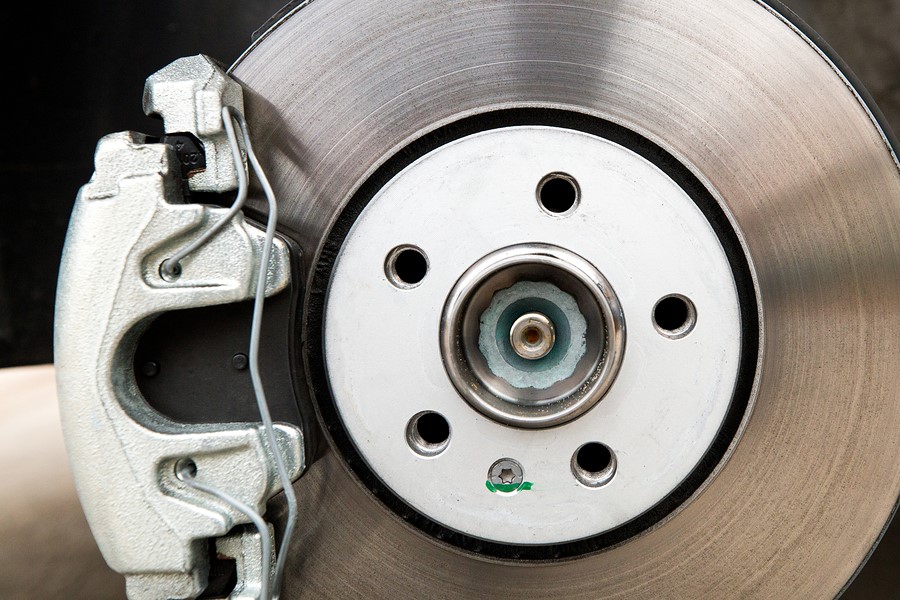
Heavy loads increase pressure on brake rotors. Carrying extra weight or towing shortens rotor life. Driving on hilly or rough terrain means more braking effort. This causes rotors to wear out quicker than on flat roads.
Credit: haresservicingandrepairsltd.co.uk
Signs Of Rotor Wear
Brake rotors wear down over time due to regular use. Recognizing signs of rotor wear helps keep your vehicle safe. Early detection avoids costly repairs and maintains braking efficiency.
Visual Indicators
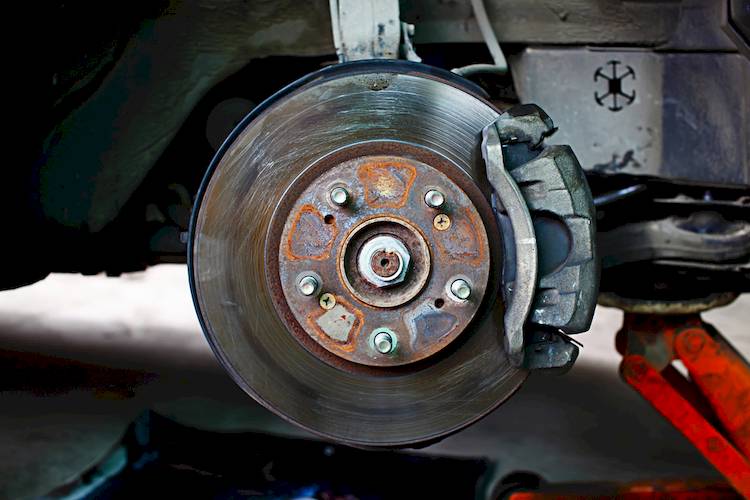
Check rotors for grooves or scoring on the surface. Deep lines mean the rotor is worn out. Rust or discoloration also shows damage. Thin rotors may have a warning mark. Uneven wear or cracks need immediate attention.
Noise And Vibration
Squealing or grinding sounds during braking signal rotor problems. Vibrations felt in the brake pedal or steering wheel also suggest wear. These noises come from uneven rotor surfaces. Ignoring these signs can reduce brake control.
Brake Performance Changes
Longer stopping distances can indicate worn rotors. The brake pedal may feel soft or spongy. You might notice a pulsing sensation when braking. These changes show the rotors no longer work properly. Timely rotor checks ensure safe driving.
Maintenance Tips To Extend Rotor Life
Brake rotors wear out over time, but proper care can make them last longer. Simple maintenance steps help protect your rotors. These tips keep your brakes working well and save money on repairs.
Regular Inspections
Check your brake rotors regularly for signs of damage or wear. Look for cracks, grooves, or uneven surfaces. Early detection prevents bigger problems. Schedule inspections every 10,000 miles or during tire changes.
Brake Pad Replacement Timing
Replace brake pads before they wear out completely. Worn pads can damage rotors fast. Change pads at the first sign of thinness or noise. Timely replacement keeps rotors smooth and extends their life.
Proper Driving Techniques
Avoid hard braking whenever possible. Slow down gradually to reduce rotor stress. Use engine braking on long descents to cool the brakes. Smooth driving reduces heat and rotor wear.
Credit: www.yourmechanic.com
When To Replace Brake Rotors
Brake rotors are vital for safe driving. They work with brake pads to stop your car. Over time, rotors wear out and need replacement. Knowing when to replace them keeps your car safe and stops damage to other parts.
Rotors do not last forever. Their condition depends on driving style, road conditions, and maintenance. Watch for signs that show rotors need attention. Some signs are easy to spot, while others need a closer look.
Thickness Minimums
Brake rotors have a minimum thickness set by the manufacturer. This measurement ensures the rotor can handle heat and pressure safely. Use a micrometer to check thickness. If the rotor is thinner than the limit, replace it. Driving on thin rotors can cause brake failure or damage.
Warping And Cracks
Rotors can warp from heat or stress. Warped rotors cause vibrations when braking. You may feel shaking in the brake pedal or steering wheel. Cracks can also form on rotors. Small cracks can grow and lead to rotor failure. Any sign of warping or cracking means replace the rotor.
Professional Assessment
Experts have tools to measure rotor condition accurately. They check thickness, warping, and surface damage. A mechanic can advise if rotors need replacing or resurfacing. Regular brake inspections help catch rotor problems early. Trust professionals to keep your brakes working well.
Frequently Asked Questions
How Often Should Brake Rotors Be Replaced?
Brake rotors typically last 30,000 to 70,000 miles. Replacement depends on driving habits, rotor quality, and wear signs. Regular inspections help identify when rotors are too thin or warped, ensuring safe braking performance and preventing damage to other brake components.
What Factors Affect Brake Rotor Lifespan?
Rotor lifespan depends on driving style, road conditions, and maintenance. Aggressive braking, frequent stops, and rough terrain cause faster wear. Proper brake pad replacement and avoiding overheating extend rotor life, ensuring consistent braking performance and vehicle safety.
Can Brake Rotors Be Resurfaced Instead Of Replaced?
Yes, rotors can be resurfaced if not too thin or damaged. Resurfacing smooths out minor grooves and warping. However, severely worn or cracked rotors must be replaced to maintain safe braking and prevent further damage.
How Do I Know If My Brake Rotors Need Replacing?
Signs include vibration during braking, squealing noises, or visible grooves. Warped or worn rotors reduce braking efficiency and safety. If you experience these symptoms, have a mechanic inspect your rotors promptly for replacement or resurfacing.
Conclusion
Brake rotors usually last between 30,000 and 70,000 miles. Many factors affect their lifespan, like driving style and road conditions. Regular checks help spot wear early. Worn rotors can cause noise, vibration, or poor braking. Replacing them on time keeps your car safe.
Keep an eye on brake performance for signs. Taking care of brakes saves money and stress. Safe driving starts with well-maintained brake parts.


