

Have you ever stepped into your car on a hot summer day and felt like you were walking into an oven? You’re not imagining it—cars can get incredibly hot when the outside temperature hits 90 degrees.
But just how hot does it really get inside your car? Understanding this can be crucial for your safety and comfort. You’ll discover the surprising facts about car temperatures in the heat, why it matters to you, and simple steps you can take to protect yourself and your loved ones.
Keep reading—what you learn here could make all the difference next time the mercury rises.

Credit: www.wwlp.com
Inside Car Temperature Rise
The temperature inside a car can rise very fast on a hot day. Even if the outside temperature is 90 degrees Fahrenheit, the inside of a car gets much hotter. This rise in temperature happens in just minutes. Understanding how and why this happens helps keep you safe.
Heat Buildup Mechanism
Sunlight passes through the car windows and heats the seats, dashboard, and floor. These surfaces absorb the heat and get hot. The heat then warms the air inside the car. The windows trap this heat, like a greenhouse. This stops the hot air from escaping. The longer the sun shines, the hotter it gets inside.
Temperature Differences
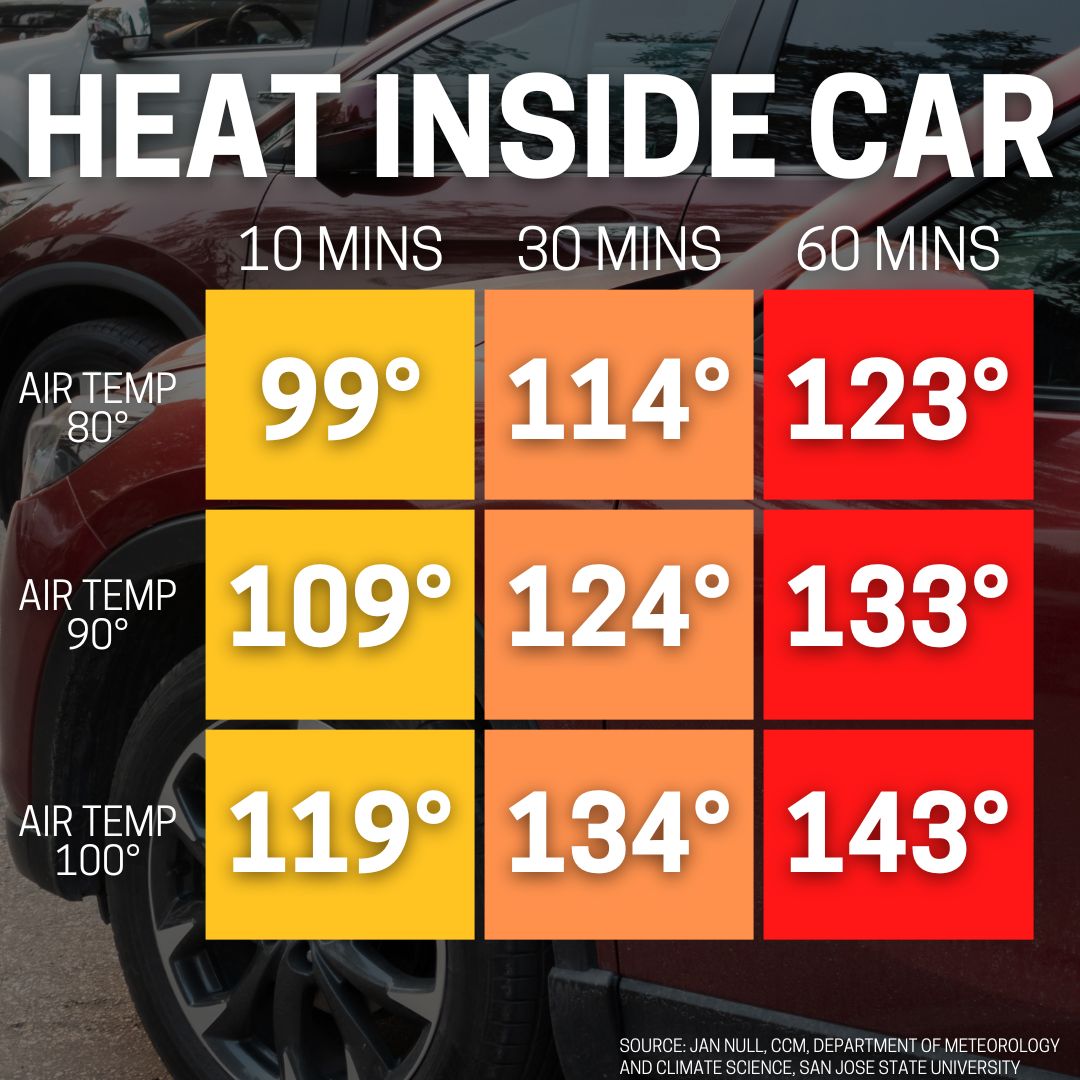
Inside a car, the temperature can be 20 to 30 degrees higher than outside. On a 90-degree day, the car’s inside can reach 110 to 120 degrees or more. Dark-colored cars heat up faster than light-colored ones. Small cars heat up quicker than bigger ones. Parking in the sun makes the heat rise faster than parking in shade.
Factors Affecting Car Heat
Several factors influence how hot a car can get in 90-degree weather. These factors affect how much heat the car absorbs and how quickly the inside temperature rises. Understanding these elements helps you keep your car cooler and safer in hot weather.
Car Color Impact
Dark colors absorb more heat from sunlight. A black or dark blue car can get much hotter inside than a white or silver car. Light-colored cars reflect sunlight, keeping the interior cooler. Choosing a lighter color car can reduce heat buildup on sunny days.
Window Tint And Glass Type
Tinted windows block some sunlight and heat from entering the car. Darker tints can reduce inside temperatures significantly. Some glass types have special coatings to reflect heat. Cars with these windows stay cooler than those with standard glass.
Parking Location Effects
Parking in the shade lowers the car’s temperature. Shade from trees or buildings blocks direct sunlight. Parking on asphalt or concrete increases heat because these surfaces absorb and radiate heat. Choosing a shaded or grassy spot helps keep your car cooler.
Health Risks From Hot Cars
Cars heat up very fast in 90-degree weather. Inside a closed car, temperatures can reach dangerous levels within minutes. This extreme heat poses serious health risks to anyone inside. Understanding these risks helps protect yourself and others.
Heatstroke Dangers
Heatstroke happens when the body gets too hot and cannot cool down. It can cause confusion, dizziness, and loss of consciousness. In hot cars, heatstroke can develop quickly. Children and pets are especially at risk. Heatstroke can lead to permanent damage or death if not treated fast.
Vulnerable Groups
Some groups suffer more from hot car dangers. Babies and young children have bodies that heat up faster. Older adults may have health problems that make heat more harmful. People with certain illnesses or on some medicines also face higher risks. Always check for these vulnerable individuals before leaving a car.
Credit: spectrumnews1.com
Preventing Overheating
Cars can get extremely hot inside during 90-degree weather. Overheating causes discomfort and can damage your vehicle. Preventing overheating is crucial for safety and comfort. Simple steps help keep your car cooler and protect its interior.
Shade And Ventilation Tips
Parking in the shade reduces direct sunlight on your car. Trees, buildings, or covered parking work well. Shade lowers the temperature inside your vehicle.
Ventilation helps air flow through the car. Crack the windows slightly to let hot air escape. This small gap keeps the inside cooler without risking security.
Use Of Sunshades And Covers
Sunshades block sunlight from entering through windows. Place them on the windshield and rear window. This reflects heat and lowers the cabin temperature.
Car covers protect the entire vehicle from heat. Use breathable covers to avoid trapping moisture. Covers help keep your car cooler during long parking periods.
Emergency Measures
Extreme heat inside a car can be dangerous fast. Knowing emergency measures helps keep you and others safe. Acting quickly lowers health risks and discomfort. Follow clear steps to cool down your car and handle heat emergencies effectively.
Cooling Down A Hot Car
Open all doors to let hot air escape. Use a fan or air conditioner to push heat out. Roll down windows slightly to allow fresh air in. Park in shaded areas to reduce heat build-up. Cover seats and steering wheels with light cloths to avoid burns.
What To Do In Heat Emergencies
Move to a cooler place right away. Drink water to stay hydrated and avoid heat stroke. Use wet cloths on your skin to cool down. Call for help if someone feels dizzy or weak. Never leave children or pets inside a hot car under any condition.
Credit: www.wsaz.com
Frequently Asked Questions
How Hot Can A Car Get In 90-degree Weather?
A car’s interior can reach 120 to 140 degrees Fahrenheit in 90-degree weather. Sunlight heats surfaces rapidly, causing dangerous temperatures inside.
How Fast Does A Car Heat Up In Hot Weather?
A car can heat up to hazardous levels within 10 to 15 minutes under direct sun. The temperature rises quickly due to trapped heat.
Is It Safe To Leave Pets In A Car At 90 Degrees?
No, it’s unsafe. The interior can overheat quickly, risking pets’ health and life. Always avoid leaving pets unattended in hot cars.
What Causes A Car’s Interior To Get So Hot In The Sun?
The greenhouse effect traps sunlight inside the car. Sunlight passes through windows, heats surfaces, and the heat cannot escape, raising temperatures rapidly.
Conclusion
Cars can get extremely hot inside on a 90-degree day. Temperatures can rise over 120 degrees quickly. This heat can be dangerous for people and pets. Always avoid leaving anyone inside a parked car. Use sunshades or park in the shade to keep your car cooler.
Roll down windows slightly to help air flow. Stay safe and protect yourself from the heat. Remember, a hot car can heat up very fast. Simple steps can make a big difference.

