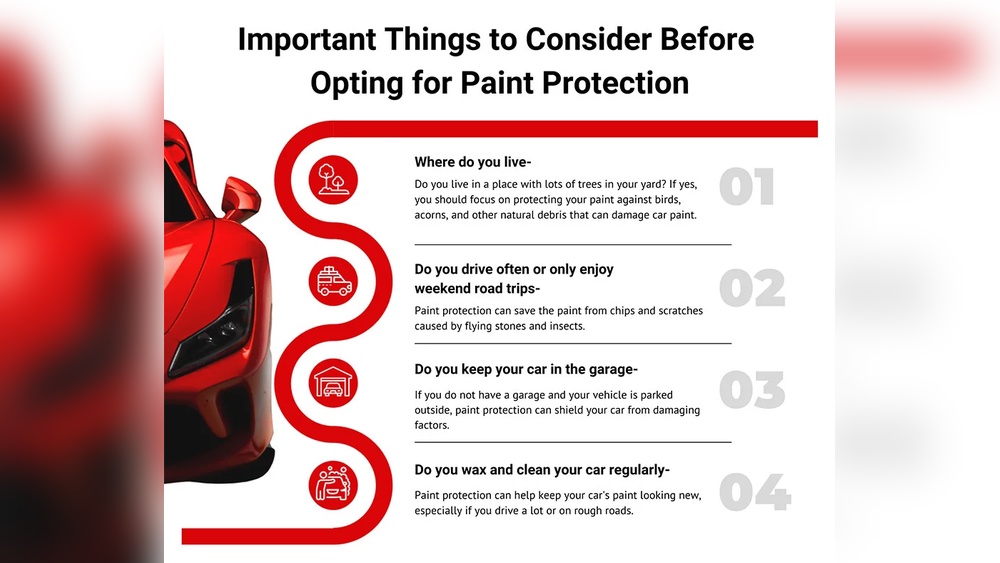
You just got a brand-new car, and it looks amazing. But have you thought about waxing it?
You might wonder, “Is waxing really necessary for a new car? ” The answer is yes, and it can make a big difference. Waxing protects your car’s paint, keeps it shining longer, and even makes cleaning easier. If you want your new car to stay looking fresh and valuable, understanding the importance of waxing is key.
Keep reading to discover why taking this simple step can save you time, money, and frustration down the road.
Benefits Of Waxing A New Car
Waxing a new car offers many benefits. It helps keep the car looking fresh and new for longer. The wax adds a layer of protection that preserves the car’s paint and finish. This simple step can save money on repairs and keep the vehicle attractive.
Waxing also improves the car’s shine. It makes the paint look deep and rich. The wax reflects light, giving the car a smooth and glossy surface. This enhances the overall appearance and makes the car stand out.
Another benefit is that wax repels dirt and water. This keeps the car cleaner between washes. Water beads up and rolls off easily. Dirt does not stick as much, which reduces cleaning time and effort.
Protecting The Paint
Wax creates a barrier against harmful elements. Sunlight, rain, and dust can damage paint over time. The wax layer shields the surface from fading and scratches. This protection keeps the paint looking new longer.
Enhancing Shine
Wax smooths the paint surface, reflecting more light. This adds a bright, glossy finish to the car. A shiny car looks clean, cared for, and attractive. Waxing brings out the best color and depth in the paint.
Repelling Dirt And Water
Wax makes water form droplets that slide off the car. Dirt and grime have a harder time sticking to the surface. This keeps the car cleaner for more time. Washing the car becomes easier and less frequent.
Credit: www.toyotaofnorthcharlotte.com
When To Wax Your New Car
Knowing the right time to wax your new car helps protect its paint. Wax shields the surface from dirt, sun, and rain. Applying wax too early or too late can reduce its benefits. Timing your wax job correctly keeps your car looking fresh and shiny.
Ideal Timing After Purchase
Wait about 30 days after buying your new car before waxing. This allows any factory coatings to settle. Washing the car first removes dust and oils from transport. After drying, apply a thin layer of wax gently. This step seals the paint and adds a glossy finish.
Seasonal Considerations
Wax more often during harsh seasons like summer and winter. Heat and sun cause paint to fade faster. Salt and moisture in winter can damage the car’s surface. Wax acts as a protective barrier during these times. Plan to wax every two to three months for best results.
Choosing The Right Wax
Choosing the right wax for a new car is key to protecting its paint. Wax acts as a shield against dirt, rain, and sunlight. It also keeps the car looking shiny and fresh. Picking the right type of wax ensures better protection and easier application. Understanding the options helps make the best choice for your vehicle.
Types Of Car Wax
Car wax comes in several forms. Paste wax is thick and offers a deep shine but takes more effort to apply. Liquid wax spreads easily and dries faster. Spray wax is the easiest to use but may not last as long. Each type suits different needs and skill levels. Choose based on how much time you want to spend and the finish you want.
Natural Vs Synthetic Options
Natural waxes usually contain carnauba, a plant-based ingredient. They give a warm, rich shine and good protection. Synthetic waxes are made from polymers. They last longer and provide strong protection against weather. Natural waxes need more frequent reapplication. Synthetic waxes resist dirt better and keep the car cleaner. Consider your climate and how often you wax when choosing.

Credit: git.almalinux.org
Step-by-step Waxing Process
Waxing a new car protects its paint and keeps it looking fresh. The process is simple but needs care. Follow these steps to get the best results. Each step helps your car shine and stay safe from dirt and sun damage.
Preparing The Surface
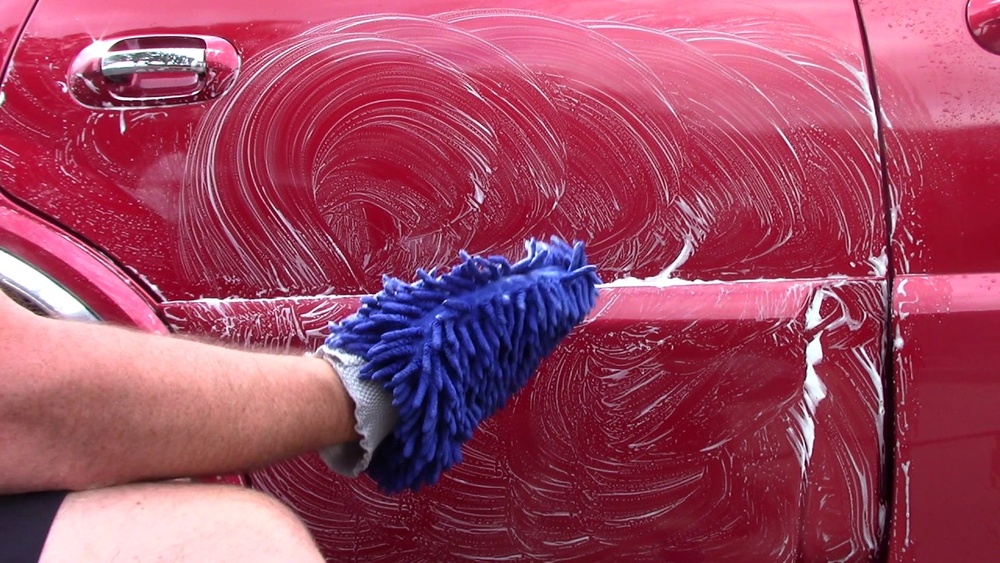
Start by washing your car well. Use soap made for cars to remove dirt and dust. Dry the surface with a soft cloth. Check for any spots or stains. Remove them before waxing. A clean surface helps the wax stick better.
Applying Wax Correctly
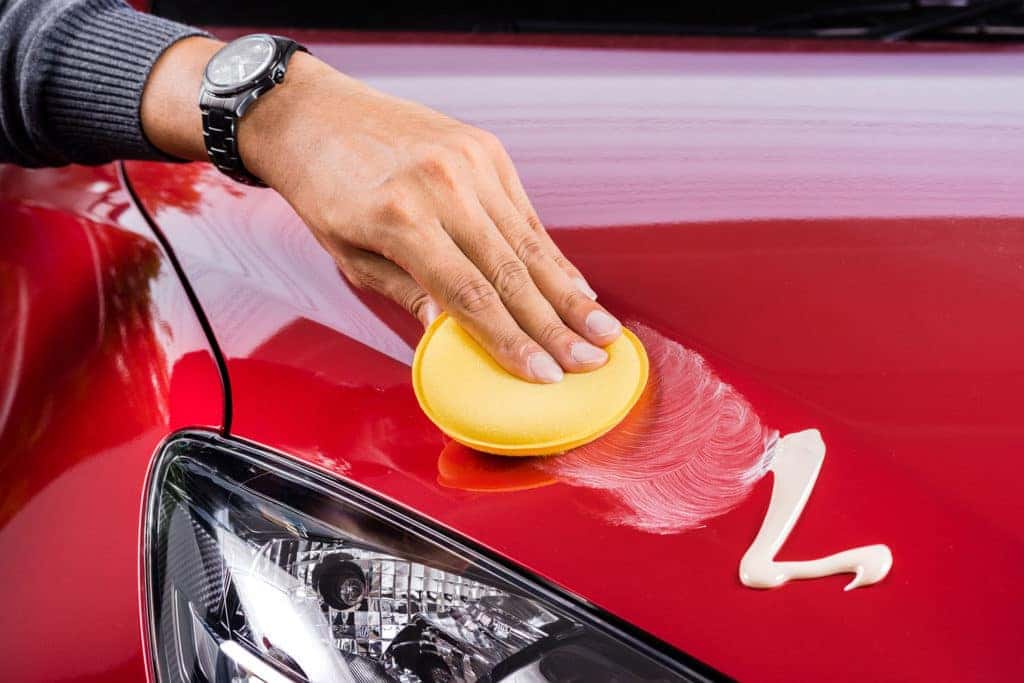
Use a small amount of wax on a clean cloth or applicator pad. Spread the wax in small circles on one section at a time. Apply thin, even layers. Avoid thick layers because they take longer to dry and can leave marks. Work on the whole car slowly.
Buffing For Maximum Shine
Wait for the wax to dry until it looks hazy. Use a clean, soft microfiber cloth to buff the wax. Rub gently in circular motions to bring out the shine. Buff until the surface feels smooth and looks glossy. This step makes your car shine and protects the paint.
Common Mistakes To Avoid
Waxing a new car helps protect its paint and keep it shiny. Many people make simple mistakes that reduce wax’s benefits. Avoiding these errors can make your wax job last longer and look better. Here are common mistakes to watch out for.
Waxing In Direct Sunlight
Applying wax under direct sunlight causes it to dry too fast. This makes it hard to spread evenly. Wax can become sticky and difficult to buff off. Always wax in the shade or during cooler parts of the day. This helps the wax set properly and protects your car’s finish.
Using Too Much Wax
More wax does not mean better protection. Applying too much wax creates thick layers that take longer to dry. It also makes it harder to remove and can leave streaks. Use a thin, even coat for the best results. A little wax goes a long way in protecting your car.
Ignoring Paint Condition
Waxing over dirty or damaged paint reduces wax effectiveness. Dirt, scratches, and oxidation stop wax from bonding well. Clean and inspect your car’s surface before waxing. Fix small paint issues to help wax stick and protect better. This step ensures your car looks its best after waxing.

Credit: okieautowash.com
Maintaining Wax For Long-lasting Shine
Maintaining wax on a new car keeps its shine bright and fresh longer. Wax acts as a protective layer on your paint. It guards against dirt, rain, and sun damage. To enjoy a lasting shine, proper care is key. This means cleaning the car right and knowing when to reapply wax. These steps help your car stay glossy and new-looking for months.
Regular Cleaning Tips
Clean your car often to protect the wax layer. Use a gentle car wash soap, not household detergents. Avoid harsh scrubbing that can wear off wax. Rinse the car well to remove dirt and soap. Dry it with a soft cloth to stop water spots. Clean wheels and lower areas carefully, as dirt builds up there. Keep the car free from dust and grime for wax to last.
Reapplying Wax Frequency
Wax wears off over time due to weather and washing. Reapply wax every three months for the best protection. In hot or rainy climates, wax may need more frequent care. Check the shine and water beading on your car’s surface. If water no longer beads, it’s time to wax again. Regular waxing keeps the paint safe and the shine strong.
Frequently Asked Questions
Why Should I Wax A New Car Immediately?
Waxing a new car protects its fresh paint from UV rays, dirt, and contaminants. It enhances shine and maintains the factory finish longer.
How Often Should A New Car Be Waxed?
Wax a new car every three to four months. Regular waxing preserves paint, prevents damage, and keeps the surface smooth.
Does Waxing Improve New Car Paint Durability?
Yes, waxing adds a protective layer that shields paint from weather and pollutants. It prolongs paint life and maintains the car’s appearance.
Can Waxing A New Car Prevent Scratches?
Waxing fills minor paint imperfections and creates a slick surface. This reduces the chance of scratches but does not guarantee full protection.
Conclusion
Waxing a new car keeps its paint bright and safe. It stops dirt and water from sticking. This helps prevent scratches and rust. Wax also makes cleaning easier later on. A small effort now saves money on repairs. Protect your car’s look for a long time.
Regular waxing keeps it shining like new. Simple steps create lasting beauty and care. Don’t skip waxing; your car will thank you.