Have you ever wondered what makes vinyl wraps so durable and vibrant? If you’re curious about how vinyl wrap is made, you’re about to uncover the secrets behind this amazing material.
Understanding the process will give you a new appreciation for how your car, gadgets, or walls get that flawless finish. Keep reading, and you’ll discover the simple steps and special ingredients that turn plain vinyl into a stunning wrap you can trust.
This knowledge might even help you choose the perfect wrap for your next project.

Credit: innotechdigital.com
Raw Materials Used
Vinyl wrap starts with specific raw materials. These materials define its quality and durability. Understanding these ingredients helps to see why vinyl wrap performs well on vehicles and surfaces. The main components include different types of vinyl films and special additives that enhance look and strength.
Types Of Vinyl Films
Vinyl wrap mainly uses polyvinyl chloride (PVC) films. PVC is a flexible plastic that holds color and shape well. These films come in various thicknesses and finishes. Matte, gloss, satin, and textured are common options. Some films have air-release technology to avoid bubbles during application. Others are cast vinyl, which is thinner and more durable. Calendered vinyl is thicker and less flexible but cheaper. Choosing the right film depends on use and surface type.
Additives And Pigments
Additives improve the vinyl’s strength, flexibility, and resistance to weather. Plasticizers make the film soft and stretchable. UV stabilizers protect against sun damage and fading. Anti-aging agents help the wrap last longer without cracking. Pigments give color and patterns to vinyl wrap. They can be solid colors or special effects like chrome and metallic. These pigments are mixed evenly to keep color consistent. Together, additives and pigments create a vibrant, lasting vinyl wrap.

Credit: maiamidwifery.com
Manufacturing Techniques
Vinyl wrap is made using precise manufacturing techniques. These methods affect the quality and flexibility of the vinyl. Two main processes create most vinyl wraps: calendering and casting. Each uses unique steps to form the vinyl sheets or films.
Calendering Process
The calendering process starts with melting vinyl compounds. The melted vinyl passes through heavy rollers. These rollers flatten and stretch the vinyl into thin sheets. The sheets have a smooth and even surface. This method produces vinyl with a consistent thickness. It is faster and more cost-effective. Calendered vinyl is thicker and less flexible. It works well for flat surfaces and short-term wraps.
Casting Method
The casting method begins with a liquid vinyl solution. The liquid spreads over a moving belt or drum. It dries slowly, forming a thin film. Casting creates a very thin and flexible vinyl. The film has excellent clarity and color depth. This method takes more time and costs more. Cast vinyl is ideal for complex shapes and long-term wraps. It also resists shrinking and cracking better than calendered vinyl.
Surface Treatment
Surface treatment is a key step in making vinyl wraps. It prepares the vinyl for printing and helps the colors stick well. This step also improves the vinyl’s strength and durability. Without proper surface treatment, the wrap may peel or fade quickly.
The process includes cleaning, roughening, and applying special coatings. These actions create a better surface for ink and adhesives. Let’s look at two important parts of surface treatment: corona treatment and primer application.
Corona Treatment
Corona treatment uses a high-voltage electric discharge. This discharge changes the surface of the vinyl at a microscopic level. It raises the surface energy, making it easier for inks and adhesives to bond.
The process also cleans the vinyl surface by removing tiny dust and oils. This cleaning helps the ink stick more evenly. Corona treatment happens just before printing or laminating the wrap.
Primer Application
Primer is a thin layer applied after corona treatment. It adds extra grip for inks and adhesives. The primer creates a smooth and even surface for printing.
This step helps prevent peeling and fading of the design. It also protects the vinyl from damage and weather. Primer application is a small step that makes a big difference in quality.
Printing And Finishing
Printing and finishing are key steps in making vinyl wraps. These steps give the wrap its color, design, and protection. The quality of printing affects how sharp and bright the images appear. Finishing protects the print from weather, scratches, and fading. Both steps use advanced technology to ensure a perfect result.
Digital Printing Technologies
Digital printing uses special printers to apply designs on vinyl sheets. These printers spray tiny ink droplets onto the surface. The ink can produce many colors and fine details. UV printing is common, using light to dry the ink quickly. This method helps the print last longer. Solvent and eco-solvent printers are also popular. They use ink that sticks well to vinyl and resists water and sun damage.
Lamination And Coating
Lamination adds a clear protective layer over the printed vinyl. This layer shields the wrap from scratches and dirt. It also blocks harmful UV rays that cause fading. Different finishes are available, such as matte, gloss, or satin. Coating improves durability and helps the wrap stay smooth. It also makes cleaning easier. Both lamination and coating extend the life of the vinyl wrap.
Cutting And Packaging
The cutting and packaging process is an essential step in making vinyl wrap. This stage shapes the vinyl into usable sizes and prepares it for shipping. Each step focuses on quality and precision to ensure the vinyl performs well for the end user.
Precision Cutting Methods
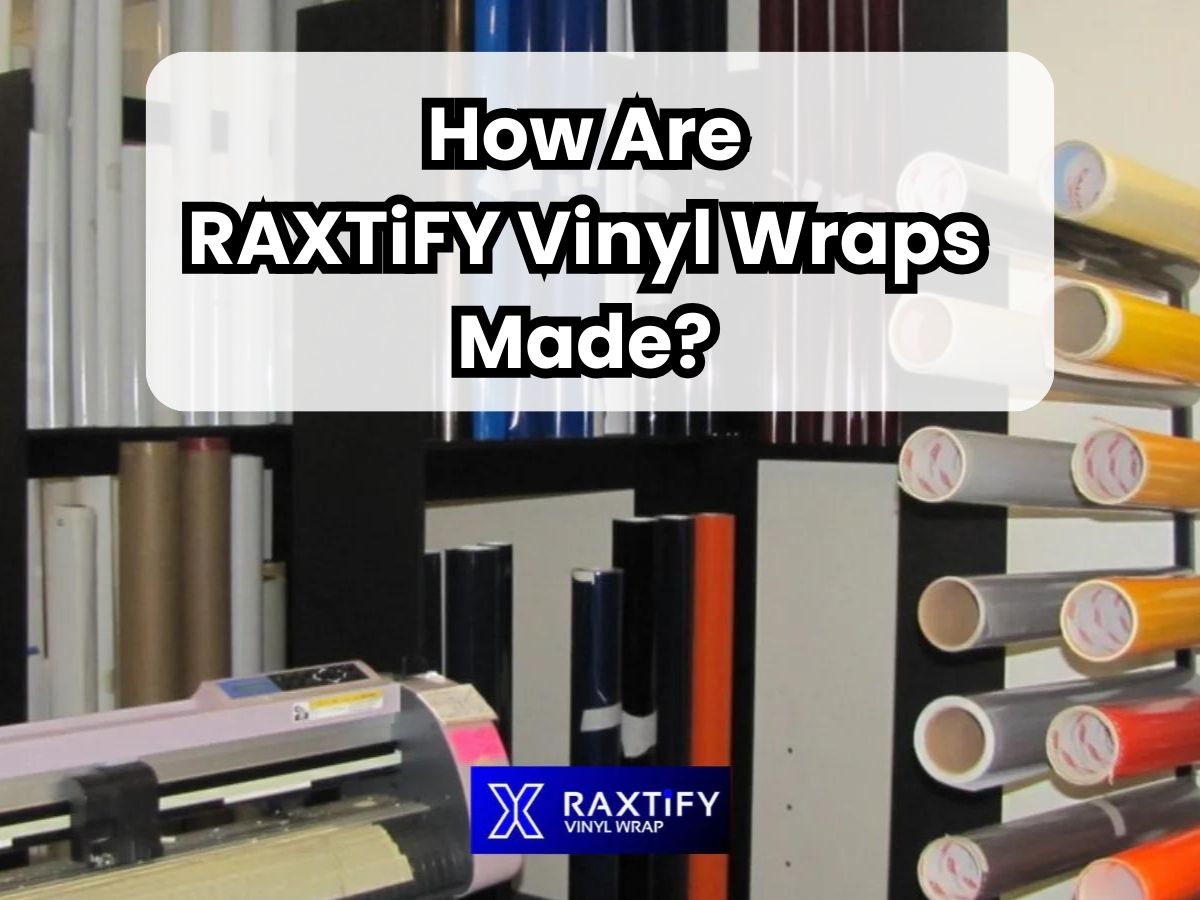
Cutting vinyl wrap requires accuracy. Machines use sharp blades or lasers to cut the vinyl into rolls or sheets. Precise cutting prevents material waste and ensures clean edges. This accuracy helps the vinyl fit perfectly on vehicles or surfaces.
Automated cutters follow exact measurements. This consistency keeps product sizes uniform. Workers also check cuts to avoid defects. Proper cutting improves the final look and application of the vinyl wrap.
Roll Formation And Packaging
After cutting, the vinyl is rolled carefully. Rolling prevents creases and damage. The vinyl rolls are wrapped in protective film to shield them during transport. Each roll gets labeled with size and color details.
Packaging uses sturdy boxes or tubes. This packaging protects the vinyl from dust, moisture, and sunlight. Good packaging keeps the vinyl fresh and ready for use. Proper packing helps the vinyl reach customers in perfect condition.
Quality Control Measures
Quality control is key in vinyl wrap production. It ensures the product lasts long and looks good. Every roll of vinyl goes through strict checks. These tests keep the material strong and the colors true.
Durability Testing
Durability testing checks how well the vinyl holds up. The material faces heat, cold, and sunlight. Tests include stretching, bending, and scratching. This process ensures the vinyl does not tear or fade easily. It guarantees the wrap stays in place for years.
Color Consistency Checks
Color consistency is vital for a perfect look. Each batch of vinyl is compared for shade and brightness. Machines measure color to avoid differences. This step makes sure the wrap matches exactly. Customers get a smooth, even finish every time.
Credit: raxtify.com
Frequently Asked Questions
What Materials Are Used To Make Vinyl Wrap?
Vinyl wrap is primarily made from polyvinyl chloride (PVC) film. It includes additives for flexibility and durability. A pressure-sensitive adhesive layer enables easy application and removal without residue.
How Is The Vinyl Wrap Printed And Finished?
Vinyl wrap is printed using large-format digital printers with UV-resistant inks. After printing, a protective laminate is applied to prevent scratches and fading, ensuring long-lasting vibrant colors.
What Manufacturing Process Creates Vinyl Wrap Sheets?
Vinyl wrap sheets are produced through calendaring or extrusion methods. These processes form thin, uniform films with consistent thickness and texture, essential for smooth application on surfaces.
How Does Adhesive Technology Work In Vinyl Wraps?
The adhesive used is pressure-sensitive, activating upon application. It allows the wrap to stick firmly but peel off without damaging the surface. This balance ensures durability and ease of removal.
Conclusion
Vinyl wrap starts as a simple sheet of vinyl material. It goes through printing and protective coating steps. The wrap becomes strong and colorful. Experts cut and prepare it for easy use. This process helps cars, signs, and more look fresh.
Knowing how vinyl wrap is made shows its value. It also helps you appreciate the skill behind the work. Now, you understand why vinyl wrap is so popular today. It offers a quick, affordable way to change surfaces. Simple materials turn into creative, lasting designs.