

How often do you wax your car? If you’re like most car owners, you might not be sure when or how often to do it.
Waxing your car isn’t just about making it shine—it protects your paint and keeps your vehicle looking new for longer. But wax too little, and your car’s finish can fade or get damaged. Wax too much, and you could be wasting time and money.
You’ll discover the perfect waxing schedule tailored for your car. Keep reading to learn how to protect your investment and make your car stand out every time you hit the road.
Benefits Of Waxing
Waxing your car offers many benefits that keep it looking new and fresh. It creates a strong layer over the paint. This layer helps in many ways that protect and improve your car’s appearance.
Protecting The Paint
Wax acts like a shield on your car’s paint. It blocks harmful UV rays from the sun. These rays can fade the color over time. Wax also stops dirt and small particles from scratching the paint. This keeps the car’s surface smooth and safe.
Enhancing Shine
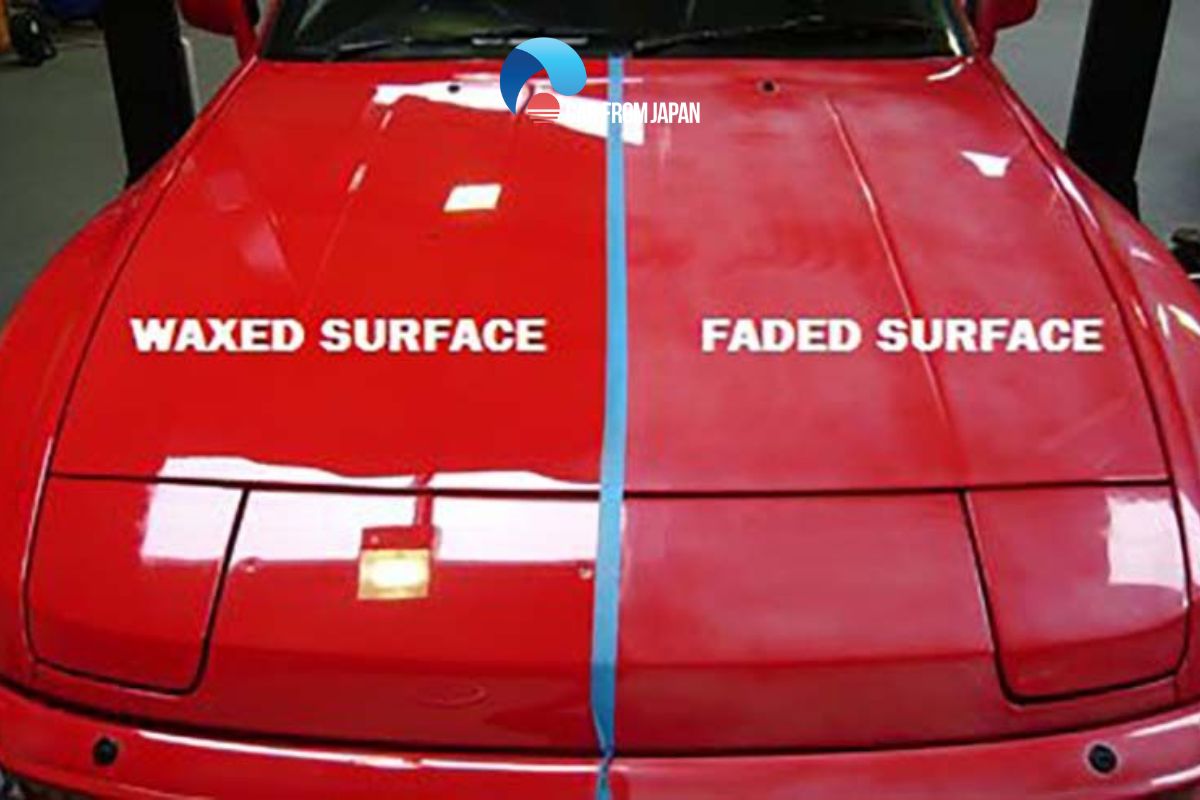
Wax makes your car’s color look deeper and brighter. It reflects light better, giving a glossy shine. This shine makes your car stand out on the road. A waxed car looks cleaner and newer for longer.
Repelling Dirt And Water
Wax creates a smooth surface that dirt does not stick to easily. Water beads up and rolls off quickly. This helps keep your car cleaner after rain or washing. Less dirt means less washing and easier cleaning.

Credit: lambencydetailing.com
Factors Affecting Waxing Frequency
Knowing how often to wax your car depends on several key factors. These factors influence how long the wax lasts and how well it protects your car’s paint. Understanding them helps you keep your car looking shiny and new for longer.
Climate And Weather
Hot sun can wear down wax quickly. In dry, sunny areas, you may need to wax more often. Rain and snow can wash away wax or cause damage. In wet climates, waxing every few months is best. Extreme weather changes also affect wax durability.
Type Of Wax Used
Different waxes last different times. Synthetic waxes usually protect longer than natural ones. Paste wax tends to last longer than liquid wax. Some waxes protect better from UV rays or water. Check the product details for how often to reapply.
Driving Conditions
Dusty or dirty roads can wear wax faster. Frequent highway driving exposes your car to wind and debris. City driving means more stops and starts, which can affect wax. Regular washing helps maintain wax, especially in tough conditions.
Recommended Waxing Intervals
Waxing your car protects its paint and keeps it shiny. Knowing the right time to wax helps maintain the car’s look and value. The best waxing schedule depends on how often you drive and the weather your car faces. Here are some common waxing intervals to consider.
Monthly Waxing
Waxing your car every month gives strong protection. This is good for cars parked outside all the time. Dirt, rain, and sun can damage the paint quickly. Monthly waxing builds a thick shield that lasts long. It also keeps the car’s color fresh and bright.
Seasonal Waxing
Waxing four times a year is a popular choice. Many car owners wax their vehicles at the start of each season. This timing helps protect against weather changes. Snow, rain, and heat can harm your car’s surface. Seasonal waxing keeps the paint safe and clean.
Waxing For New Cars
New cars often come with a factory wax or sealant. Still, applying a fresh wax after a few months improves protection. Waxing a new car every three to six months keeps the paint smooth. This care helps the finish last longer and look new.
Signs Your Car Needs Waxing
Knowing the signs that your car needs waxing helps protect its paint. Wax acts as a shield against dirt, sun, and water damage. Without it, your car’s finish can suffer and look old. Watch out for these clear signals that it’s time to wax again.
Dull Or Faded Paint
When your car’s paint looks dull or faded, wax may be gone. Wax gives the paint a shiny, fresh look. If the shine disappears, it means the wax layer is worn off. The paint can look flat and lifeless. Waxing restores the bright and glossy finish.
Water Spots And Streaks
Water should bead and roll off a waxed car easily. If water stays on the surface and leaves spots or streaks, the wax layer is thin or missing. These marks can damage the paint over time. Wax creates a smooth surface that repels water and keeps the car clean.
Increased Dirt Accumulation
Dirt and dust stick more to a car without wax. Wax forms a barrier that makes cleaning easier. If your car looks dirty quickly after washing, the wax protection has faded. Regular waxing helps dirt slide off and keeps the paint safe from grime.
Waxing Techniques
Waxing your car protects its paint and keeps it shiny longer. Using the right techniques helps you get the best results. The process includes picking the right wax, preparing the car, and applying the wax carefully.
Each step matters. Doing them well saves time and makes your car look great.
Choosing The Right Wax
Select wax based on your car’s paint type and your budget. Paste wax offers longer protection but takes more effort. Liquid wax is easier to apply and good for regular use. Synthetic waxes last longer and resist dirt. Read product labels and pick one that fits your needs.
Preparation Before Waxing
Clean your car thoroughly before waxing. Wash off dirt, dust, and old wax layers. Dry the car completely to avoid streaks. Work in shade to prevent wax from drying too fast. Use clay bars to remove stubborn contaminants. Smooth surface helps wax stick better.
Applying And Buffing
Apply wax in small sections with a soft cloth or foam applicator. Use circular motions and light pressure. Let the wax haze over before buffing. Buff the surface with a clean microfiber cloth to bring out shine. Don’t rush. Take your time for a smooth finish.
Alternatives To Traditional Wax
Traditional car wax is popular but not the only option to protect your vehicle’s paint. Alternatives offer longer-lasting protection and easier application. They fit different needs and budgets. Explore these choices to find what suits you best.
Sealants
Sealants are synthetic products that last longer than wax. They create a strong, protective layer on the paint. Sealants resist water, dirt, and UV rays well. They usually last for several months. Application is simple and quick. Sealants give a glossy finish similar to wax. Many car owners prefer sealants for low maintenance.
Ceramic Coatings
Ceramic coatings provide very durable protection. They bond chemically to the car’s surface. This creates a hard, glass-like shield. Ceramic coatings resist scratches, dirt, and chemicals. They last for years with proper care. Application needs careful preparation and some skill. The shine is deep and reflective. This option suits those wanting long-term protection.
Spray Waxes
Spray waxes offer quick and easy use. They apply in seconds and dry fast. Spray waxes give a nice shine and water beading effect. Their protection lasts shorter than sealants or ceramic coatings. Ideal for a fast touch-up between full waxes. Perfect for busy people or mild climates. Spray waxes keep the car looking fresh regularly.
Maintaining Your Waxed Finish
Keeping your car’s wax finish in good shape takes some care. Wax protects your car from dirt, water, and sun damage. It also keeps your car looking shiny and new. To keep that shine, you need to follow some simple steps after waxing.
These steps help the wax last longer and keep your paint safe. Small habits can make a big difference in how your car looks.
Regular Washing Tips
Wash your car often to remove dirt and dust. Use a soft sponge or cloth to avoid scratches. Use mild car shampoo instead of dish soap. Rinse well to remove all soap and dirt. Dry your car with a clean, soft towel.
Avoiding Harsh Chemicals
Do not use strong cleaners or chemicals on your car paint. They can strip away the wax layer. Avoid products with ammonia or bleach. Choose car care products made for painted surfaces. These keep the wax safe and paint protected.
Touch-up Waxing
Wax wears off over time, so touch it up often. Apply a thin layer of wax after washing and drying. Focus on areas where water beads no longer form. This keeps the protective layer strong. Touch-up waxing helps maintain the shine and shield.
Credit: carfromjapan.com

Credit: www.kanatamazda.com
Frequently Asked Questions
How Often Should You Wax Your Car Annually?
You should wax your car about three to four times a year. This keeps the paint protected and shiny. Frequency depends on your climate and how often you wash the car.
What Factors Affect Car Waxing Frequency?
Sun exposure, weather conditions, and car color affect waxing frequency. Harsh environments may require more frequent waxing to protect the paint.
Can Waxing Too Often Harm Your Car’s Paint?
Waxing too often generally doesn’t harm paint if done correctly. Over-waxing can cause buildup, so use quality wax and follow recommended intervals.
Does Waxing Improve Car Paint Durability?
Yes, waxing adds a protective layer that shields paint from UV rays and contaminants. This helps maintain paint quality and extends its lifespan.
Conclusion
Waxing your car regularly keeps its paint shiny and protected. Most experts suggest waxing every three months. This timing balances protection and effort well. Too little waxing can leave your car exposed. Too much can cause buildup and waste product.
Always clean your car before waxing for best results. Choose a wax that fits your climate and car type. A well-waxed car looks newer and lasts longer. Small steps like waxing help maintain your car’s value. Keep your car looking great with simple, regular care.

