Are you wondering how long you should wait before repainting your car after waxing it? Getting this timing right can save you from extra work and ensure a smooth, flawless finish.
If you rush it, your paint job might not stick well. Wait too long, and you could miss the perfect window for the best results. You’ll discover exactly when to repaint your car after waxing, so your vehicle looks its absolute best without any hassle.
Keep reading to learn the simple steps that make all the difference.
Waxing Impact On Paint
Waxing plays a key role in protecting a car’s paint. It creates a smooth layer that shields the paint from dirt, water, and sunlight. This layer can affect how well new paint or coatings stick to the car’s surface. Understanding this impact helps in deciding the right time to repaint after waxing.
How Wax Affects Paint Adhesion
Wax forms a thin barrier on the paint. This barrier can stop new paint or sealants from sticking properly. If you apply paint too soon after waxing, it may peel or bubble. The wax must fully wear off or be removed before repainting. Otherwise, the new paint will not bond well with the car’s surface.
Paint adhesion depends on a clean, wax-free surface. This allows the paint to soak in and bond tightly. Any leftover wax creates a slippery layer. This layer prevents the paint from settling correctly. For best results, remove wax completely before repainting your car.
Types Of Wax And Their Residues
Not all waxes are the same. Some waxes leave behind more residue than others. Natural carnauba wax tends to leave a thicker layer. This layer takes longer to wear off or remove. Synthetic waxes often leave a thinner, easier-to-clean residue.
Paste waxes usually leave more residue than liquid or spray waxes. This residue can block paint from sticking well. Some waxes include additives that protect the paint longer. These additives may also slow the paint’s drying time if not cleaned off.
Choosing the right wax affects how soon you can repaint. Use waxes that clean off easily if repainting soon is planned. Always test to see if wax residue remains before starting paint work.
Credit: www.homedepot.com
Ideal Waiting Periods
Understanding the ideal waiting periods before repainting your car after waxing is crucial. It helps protect the paint and ensures the new paint sticks well. Timing affects the quality and durability of the repaint job.
Wax creates a protective layer on the car’s surface. This layer can prevent paint from bonding correctly. Knowing how long to wait helps avoid problems like peeling or uneven paint.
Minimum Time After Waxing
The shortest safe waiting time after waxing is about 24 to 48 hours. This period lets the wax fully harden and settle on the paint. Painting too soon can trap wax under the new paint layer.
Wax needs time to cure completely. Painting before this can cause the paint to lift or blister. Always wait at least one full day after waxing before repainting.
Recommended Time For Best Results
For best results, wait around 3 to 7 days after waxing. This longer wait ensures the wax is stable and fully bonded to the surface. It gives the paint the best chance to adhere properly.
This waiting period reduces risks of paint defects and ensures a smooth finish. Patience here pays off in a more durable and attractive repaint job.
Factors Influencing Timing
Knowing when to repaint your car after waxing depends on many factors. These influence how long the wax protects your car and when repainting becomes necessary. Understanding these can save time and effort.
Wax Thickness And Application Method
The thickness of the wax layer changes how long it lasts. A thick layer lasts longer but takes more time to dry. Thin layers dry fast but wear off quicker. How you apply the wax matters. Using a cloth or spray can affect drying time and coverage. Even spreading helps protect paint better and delays repainting needs.
Environmental Conditions
Weather affects wax durability. Hot sun makes wax melt and wear off faster. Rain and snow wash away wax quickly. Dust and dirt also reduce wax life. Cars parked inside last longer without repainting. Harsh climates need more frequent waxing and attention before repainting.
Paint Type And Condition
Different paints react to wax differently. Soft paints hold wax better than hard paints. Old or damaged paint may not hold wax well. This leads to faster wear and more frequent repainting. Healthy paint keeps wax intact longer, protecting your car’s finish effectively.
Preparing For Repainting
Preparing your car for repainting is a key step. It helps the new paint stick well and last longer. Cleaning the surface properly removes dirt and wax that block paint from bonding. This process needs care and the right methods. Let’s see how to get the car ready before painting.
Removing Wax Residue
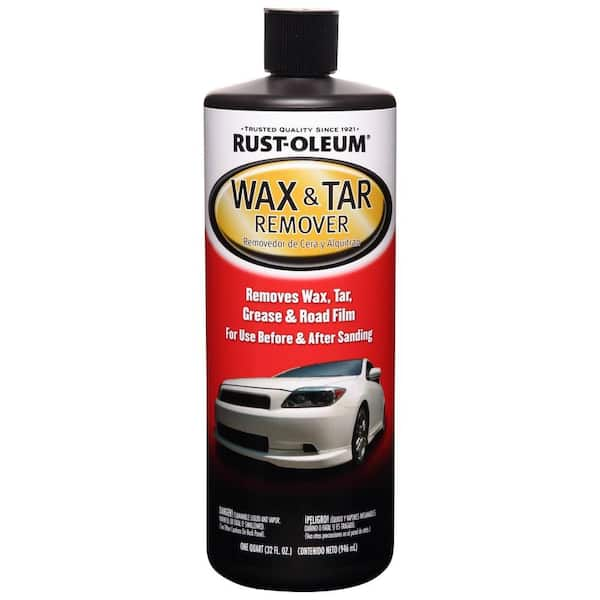
Wax on your car creates a shiny, smooth layer. This layer prevents paint from sticking. To remove wax residue, use a wax remover or a special cleaner. Apply it with a soft cloth and rub gently. Avoid harsh scrubbing to protect the surface. After removing wax, rinse the area with water. Dry the car completely before the next step.
Surface Cleaning Techniques
Cleaning the car surface is more than washing. Use soap made for cars and warm water. Wash the surface to remove dirt, grease, and old wax bits. Use a microfiber cloth to avoid scratches. For tough spots, use a clay bar carefully. This method lifts small particles from the paint. Dry the car well to prevent water spots. A clean surface helps the paint to bind and look smooth.
Common Mistakes To Avoid
Knowing the right time to repaint after waxing is important. Many car owners make simple mistakes that harm their paint job. Avoiding these errors saves time and money. Understanding common pitfalls helps keep the paint smooth and shiny.
Repainting Too Soon
Repainting immediately after waxing can cause problems. Wax forms a protective layer on the paint. Painting over wax stops paint from sticking well. This leads to peeling and uneven color. Wait until the wax is fully removed before repainting. Patience ensures a strong, lasting paint job.
Ignoring Wax Type Differences
Not all waxes are the same. Some waxes are natural, others synthetic. Each type needs different removal times. Ignoring wax type can cause paint damage. Some waxes take longer to remove than others. Know your wax type before planning to repaint. This prevents poor paint adhesion and surface flaws.

Credit: www.amazon.com
Professional Tips
Professional tips help you know the best time to repaint after waxing. Following advice from experts keeps your car’s paint healthy and shiny. It also saves time and effort in the long run.
These tips include how long to wait before repainting and which tools to use. They guide you through the process safely and effectively.
Expert Recommendations
Wait at least two weeks after waxing before repainting your car. This lets the wax fully settle and protects the paint. Painting too soon can cause uneven surfaces or peeling.
Clean the car thoroughly before repainting to remove wax residues. Use a gentle cleaner to avoid damage. Experts suggest testing a small spot first to see how the paint reacts.
Tools And Products To Use
Use a clay bar to remove stubborn wax and dirt before painting. This smooths the surface for better paint adhesion. Choose high-quality paint and primer for lasting results.
Apply paint in thin, even layers using a spray gun or brush. Let each layer dry fully before adding the next. Use a soft microfiber cloth for final polishing to keep the finish smooth.
Credit: www.riveroakspaintandbody.net
Frequently Asked Questions
How Long Should I Wait After Waxing To Repaint?
Wait at least 48 to 72 hours after waxing before repainting. This allows wax residues to fully cure and ensures proper paint adhesion. Repainting too soon can cause uneven finish and peeling. Always clean the surface thoroughly before starting the paint job.
Can I Wax My Car Right After Repainting?
It’s best to wait at least 30 days after repainting before waxing. This period allows the new paint to fully cure and harden. Waxing too soon can damage the fresh paint and reduce its durability. Follow your paint manufacturer’s recommendations for best results.
Does Waxing Affect Car Paint Before Repainting?
Wax can create a barrier that affects paint adhesion during repainting. Residual wax oils prevent primer and paint from sticking properly. Removing all wax with a proper cleaner is essential for a smooth, long-lasting repaint. Always prep the surface carefully before painting.
How To Remove Wax Before Repainting A Car?
Use a wax and grease remover or rubbing alcohol to remove wax. Clean the surface thoroughly to eliminate all wax residues. Proper removal ensures the new paint adheres well and lasts longer. Avoid using harsh chemicals that can damage the car’s surface.
Conclusion
Car waxing helps protect your paint and keeps it shiny. Wait at least a week after waxing before repainting. This lets the wax fully settle and avoid problems. Clean the surface well before starting any paint work. Taking these steps gives your car a smooth, lasting finish.
Remember, patience pays off in better results. Careful timing keeps your car looking great longer.