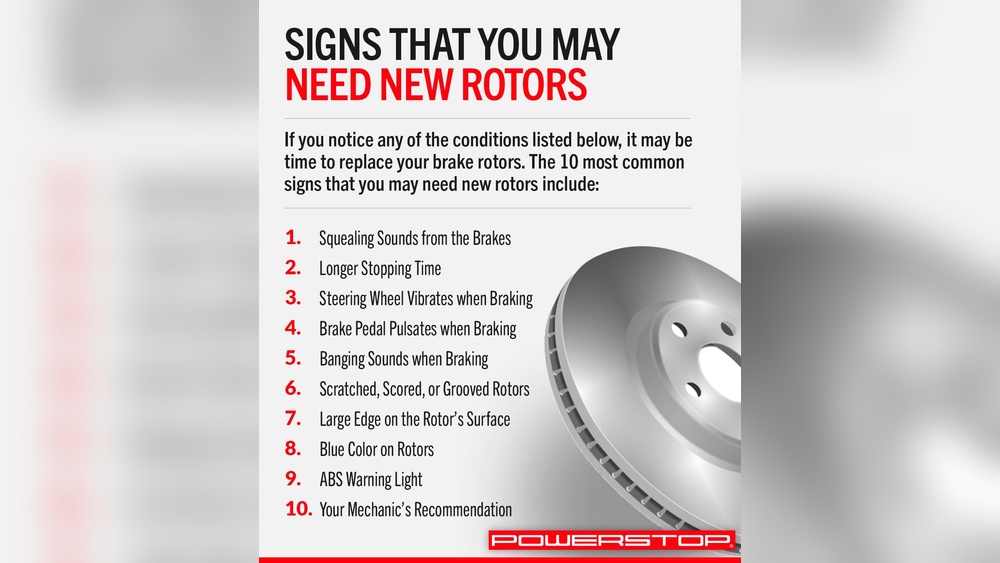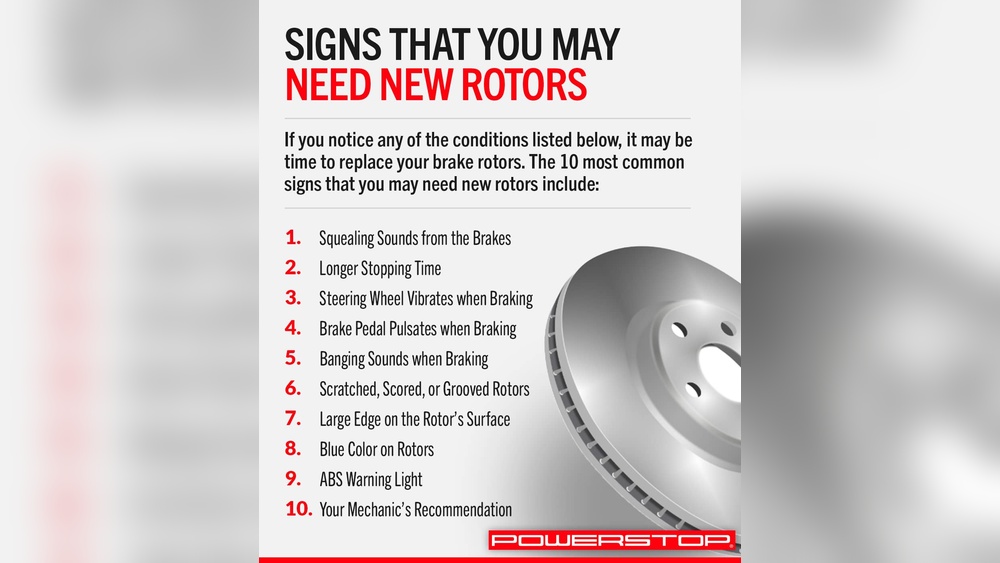
When was the last time you checked your brakes? If you’re like most drivers, you probably don’t think about them until you hear a strange noise or feel a change when you press the pedal.
But knowing how often you should change your brakes and rotors can save you from costly repairs and keep you safe on the road. You’ll discover simple signs to watch for and clear timelines to follow. Keep reading to make sure your car stops when you need it to—every time.
Credit: www.yourmechanic.com
Signs To Replace Brakes
Brakes are essential for safe driving. Knowing when to replace them keeps you protected on the road. Watch for clear signs that show your brakes need attention. These signs help you avoid accidents and costly repairs.
Squeaking And Grinding Noises
Squeaking sounds often mean brake pads are worn out. This noise is your car’s way of warning you. Grinding noises are more serious. They mean metal is rubbing on metal. This can damage rotors and increase repair costs.
Reduced Braking Performance
If your car takes longer to stop, brakes may be failing. Soft or spongy brake pedals also signal trouble. Reduced braking power means your safety is at risk. Do not ignore these signs. Get your brakes checked immediately.
Vibration Or Pulsation
Feeling vibrations or pulses in the brake pedal is a red flag. This often points to warped rotors. Warped rotors cause uneven contact with brake pads. This leads to shaking and less effective braking.
Visual Inspection Tips
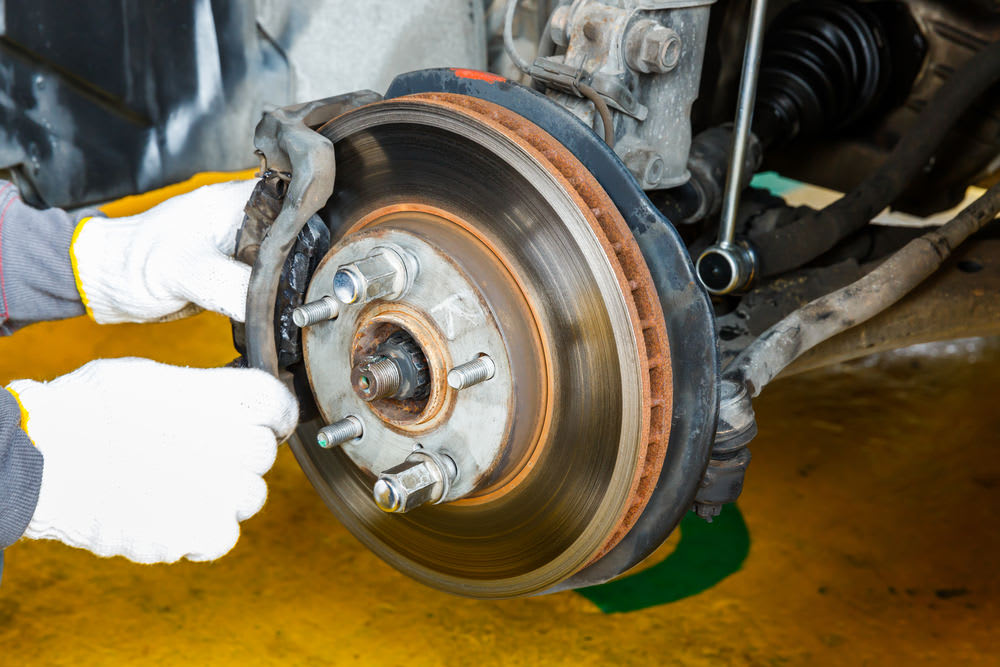
Look at your brake pads through the wheel spokes. Thin pads, less than 1/4 inch thick, need replacement. Check rotors for grooves or rust patches. Clean, smooth surfaces mean healthy brakes. Regular inspections catch problems early.

Credit: www.hawkperformance.com
When To Change Rotors
Knowing when to change your brake rotors is key for safe driving. Rotors wear out with use and need checks often. Ignoring rotor problems can cause poor braking and costly repairs. Watch for signs that show it is time to replace them.
Warping And Cracks
Rotors can warp from heat and stress. Warped rotors make the brake pedal shake. Cracks on the rotor surface can appear from heavy use. These cracks weaken the rotor and risk failure. Replace rotors showing warping or cracks immediately.
Thickness Wear Limits
Rotors have a minimum thickness limit set by the maker. Thinner rotors cannot cool well and lose strength. Use a micrometer to measure rotor thickness. If below the limit, the rotor must be changed for safety.
Surface Damage
Rotors may get grooves or rough spots from worn brake pads. Deep grooves reduce braking power and cause noise. Light surface damage can sometimes be smoothed out. Severe damage needs rotor replacement to restore brake function.
Rotor Maintenance Tips
Keep rotors clean from dirt and debris for better braking. Avoid hard stops that overheat the rotors. Have rotors checked during regular brake service. Replace brake pads before rotors wear too much to extend rotor life.
Factors Affecting Brake And Rotor Life
Brake and rotor life varies widely. Several factors influence how long they last. Understanding these can help you maintain your vehicle better.
Knowing what affects brake wear helps you plan for replacements. It also improves your car’s safety and performance.
Driving Habits
Hard braking wears brakes and rotors faster. Frequent stop-and-go traffic also causes more wear. Gentle braking extends their life. Long highway drives cause less brake wear than city driving.
Vehicle Type And Usage
Heavy vehicles wear brakes quicker than small cars. Trucks and SUVs have larger, stronger brakes but face more stress. Vehicles used for towing or carrying loads experience faster brake wear.
Environmental Conditions
Hilly or mountainous areas increase brake use and wear. Dusty or sandy environments can cause abrasion. Wet or humid climates may lead to rust on rotors. Clean and dry conditions help brakes last longer.
Brake Pad Quality
High-quality brake pads last longer and protect rotors better. Cheap pads may wear out quickly and cause rotor damage. Ceramic pads tend to last longer than organic ones. Choose pads that fit your driving needs and budget.
Recommended Replacement Intervals
Knowing when to change your brakes and rotors helps keep your car safe. Brake parts wear down with use. Changing them on time avoids costly repairs and accidents. Follow clear guidelines to know the right time for replacement.
Manufacturer Guidelines
Car makers give advice on brake and rotor changes. Check your owner’s manual for exact intervals. These guidelines fit your specific model. They help keep brakes working well. Stick to these rules for best results.
Average Mileage Estimates
Brake pads usually last between 30,000 to 70,000 miles. Rotors can last longer but need checking every 50,000 miles. These numbers vary by driving style and road conditions. Use these estimates as a general rule only.
Signs To Replace Early
Listen for squeaking or grinding sounds from brakes. Feel if the brake pedal is soft or vibrates. Notice if your car pulls to one side when stopping. These signs mean your brakes or rotors need quick attention.
Diy Vs Professional Replacement
Choosing between DIY and professional brake and rotor replacement can affect safety and cost. Both options have clear benefits and drawbacks. Understanding these helps you decide what suits your needs best.
Pros And Cons Of Diy
Doing brake work yourself saves money on labor. You learn new skills and control the work quality. Tools and parts cost less than a full service. Mistakes can risk your safety or damage parts. It takes time and patience. Not all cars are easy to work on.
When To Seek Professional Help
Seek a professional if you lack experience or proper tools. Complex brake systems need expert handling. Professionals spot hidden issues during replacement. They offer warranties on parts and work. Quick and safe service reduces accident risks. Professionals can dispose of old parts properly.
Cost Considerations
DIY costs less upfront but may need special tools. Professionals charge for parts and labor. Compare prices for parts and shop fees. Factor in your time and possible mistakes. Quality parts last longer, saving money later. Sometimes, paying more means better safety and peace of mind.
Maintaining Brake System Longevity
Maintaining the longevity of your brake system is vital for safe driving. Proper care helps avoid costly repairs and keeps your vehicle reliable. Simple actions can extend the life of brakes and rotors significantly.
Understanding how to care for your brake system ensures smoother stops and better control on the road. It also reduces wear and tear, saving money in the long run. Focus on key habits to protect this crucial part of your car.
Regular Inspections
Check your brakes regularly to catch problems early. Look for signs like squeaking, grinding, or reduced stopping power. Inspect brake pads and rotors for wear or damage every few months. Regular checks prevent sudden failures and improve safety.
Proper Driving Techniques
Drive gently to reduce brake wear. Avoid hard stops and sudden braking whenever possible. Use engine braking by downshifting on hills to ease pressure on brakes. Smooth driving habits protect your brake components and help them last longer.
Brake Fluid Maintenance
Brake fluid keeps your brake system working smoothly. Change brake fluid as recommended by your vehicle manual. Old fluid can cause corrosion and reduce braking efficiency. Regular fluid maintenance is essential for brake system health.
Credit: www.reddit.com
Frequently Asked Questions
How Often Should I Change Brake Pads?
Brake pads typically need replacement every 30,000 to 70,000 miles. Driving habits and conditions affect this range. Regular inspections help spot wear early. Replace pads when thickness is below 3mm or if you hear squealing sounds.
When Should Rotors Be Replaced?
Rotors usually require replacement every 50,000 to 70,000 miles. Signs include vibration during braking, deep grooves, or warping. If resurfacing isn’t possible, replace rotors to maintain safe braking performance and avoid further damage.
Can I Replace Brake Pads Without Changing Rotors?
Yes, you can replace brake pads without changing rotors if rotors are still smooth and within thickness limits. However, worn or damaged rotors reduce braking efficiency. Always inspect rotors before pad replacement for optimal safety.
What Affects Brake And Rotor Lifespan?
Brake and rotor lifespan depends on driving style, terrain, vehicle weight, and maintenance. Frequent hard braking or mountainous driving shortens lifespan. Regular checks and timely replacements ensure safe, efficient braking and extend component life.
Conclusion
Brake and rotor wear depends on driving style and road conditions. Regular checks help spot problems early. Changing parts on time keeps your car safe and smooth. Listen for noises and feel for vibrations while driving. Don’t wait for warning lights to act.
Simple care saves money and prevents accidents. Stay alert to signs your brakes need attention. Your safety matters most on every trip.