You’ve just given your car a fresh, flawless coat of paint. It looks amazing, and you want to protect that shine right away.
But how long should you wait before waxing your newly painted car? Waxing too soon can damage the finish, while waiting too long might leave your paint unprotected. You’ll discover the perfect timing to wax your car after painting, ensuring your investment stays vibrant and smooth for years.
Keep reading—your car’s new look depends on it!
Credit: www.jtape.com
Paint Curing Basics
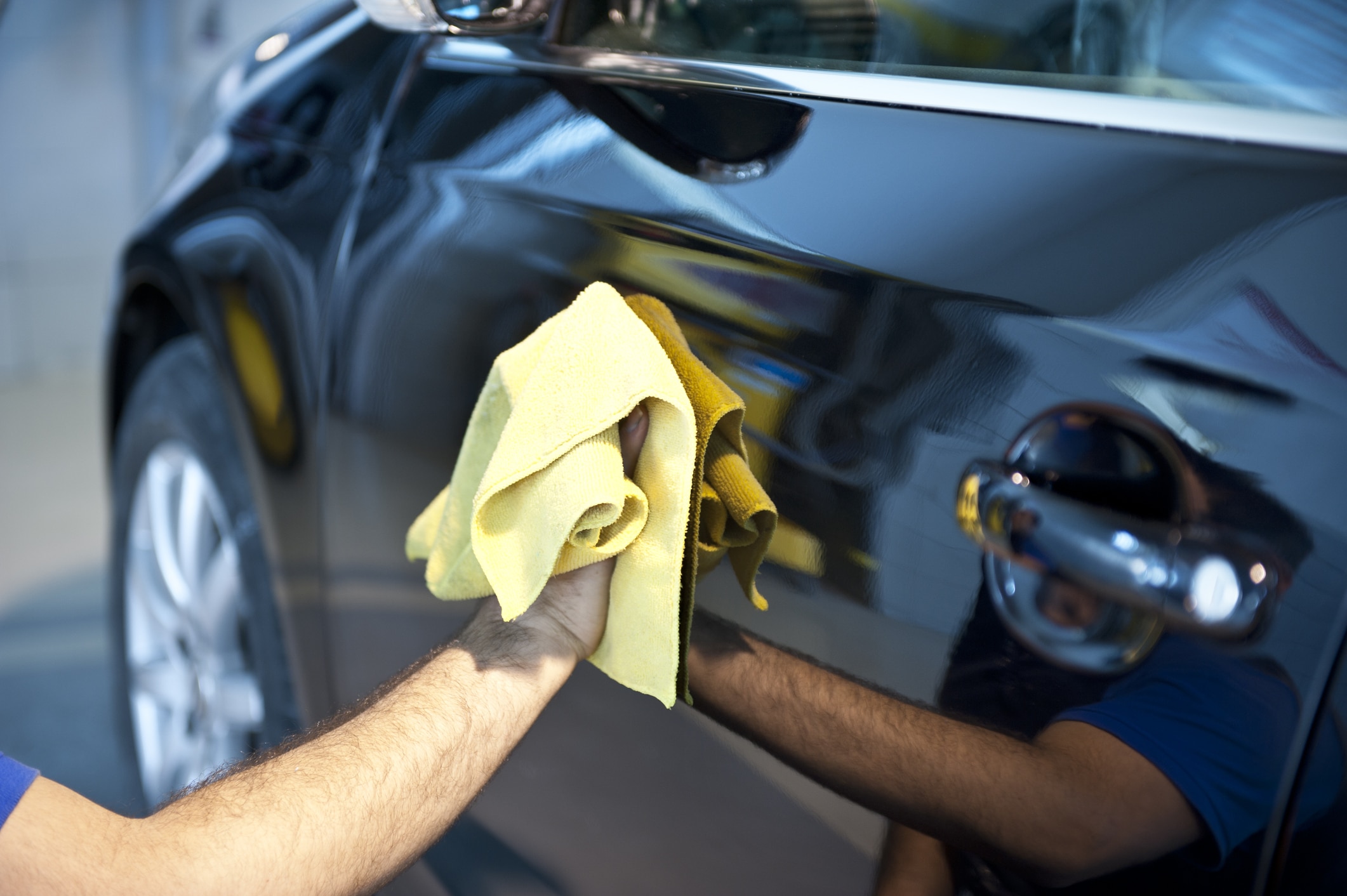
Understanding paint curing is essential before waxing a newly painted car. The curing process affects the paint’s strength and finish. Knowing how curing works helps protect your car’s surface better.
Paint curing is not just about drying. It involves chemical changes that make the paint hard and durable. Waxing too soon can damage the paint or reduce its shine.
Drying Vs. Curing
Drying means the paint feels dry to touch. It usually happens within hours after painting. Curing means the paint fully hardens and bonds. This process can take days to weeks.
Dry paint can still be soft underneath. Cured paint is tough and ready for protection. Waxing before curing may cause scratches or dull spots.
Factors Affecting Curing Time
Temperature plays a big role in curing speed. Warm weather speeds up curing. Cold weather slows it down.
Humidity also affects curing. High humidity slows drying and curing. Low humidity helps the paint cure faster.
Type of paint matters too. Some paints cure faster than others. Always check the paint manufacturer’s instructions.
Credit: surfnshine.com
Recommended Waiting Period
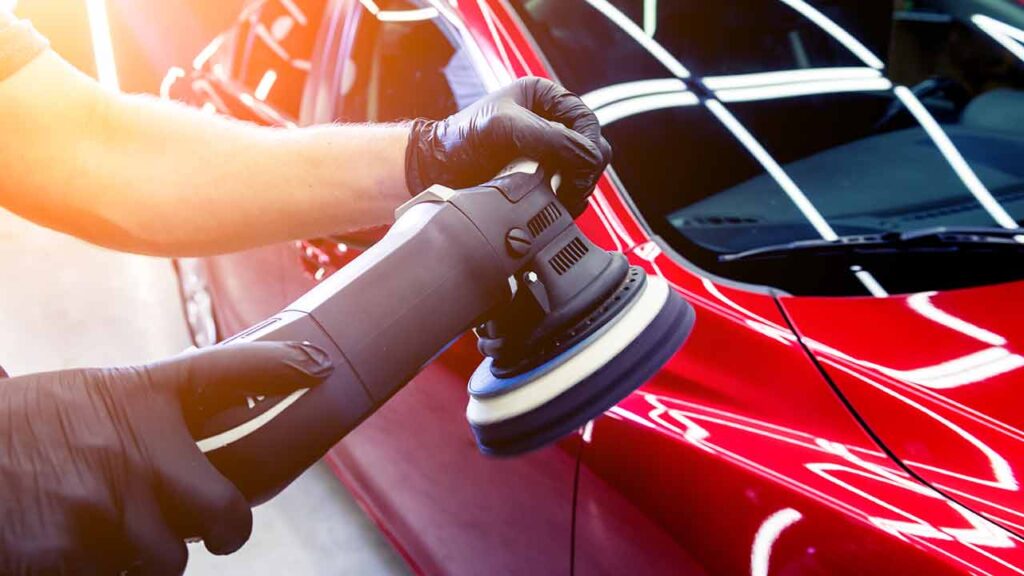
Knowing the right time to wax a newly painted car is crucial. Waxing too soon can damage the fresh paint. Waiting too long may reduce the wax’s effectiveness. The recommended waiting period helps protect the paint and maintain its shine.
Manufacturer Guidelines
Car paint manufacturers usually provide clear advice on waxing times. Most suggest waiting at least 30 days before waxing. This allows the paint to fully cure and harden. Some high-quality paints may need up to 60 days. Always check the paint’s instructions for the best results.
Common Industry Practices
Many car detailers follow a 30 to 60 day waiting period. This timeline helps avoid trapping moisture under the wax. It also prevents dulling or scratching the paint surface. Professionals often recommend waiting one month as a safe rule. Patience ensures the paint stays smooth and shiny longer.
Risks Of Early Waxing
Waxing a newly painted car too soon can cause serious problems. The paint needs time to cure and harden fully. Waxing too early may harm the paint and ruin the finish. It can also reduce how well the wax protects the car.
Paint Damage
New paint is soft and delicate at first. Wax contains chemicals that can react with the fresh paint. This reaction can cause dull spots or uneven shine. It may also trap moisture, leading to paint bubbling or peeling. Early waxing can spoil the smooth surface and cause lasting damage.
Reduced Wax Effectiveness
Wax works best on a fully cured paint surface. If the paint is still drying, the wax cannot bond properly. This weak bond means less protection from dirt, water, and UV rays. The wax may wear off quickly, requiring more frequent applications. Early waxing wastes time and money without good results.
Credit: canadiangearhead.com
How To Test Paint Readiness
Knowing when the paint on your car is ready for waxing is important. Waxing too soon can damage the finish. Testing the paint ensures it has cured enough to handle waxing safely. Simple checks can help you decide if the paint is ready.
Touch And Visual Checks
Start with a gentle touch. The paint should feel hard, not soft or sticky. Soft paint means it needs more time to dry. Look closely at the surface. It should be smooth and even. Dull or uneven areas show the paint is still curing. Avoid waxing if you see these signs.
Water Beading Test
Spray a small amount of water on the paint. Water should form small beads that roll off easily. If water spreads out or soaks in, the paint is not ready. Beading shows the paint has sealed well. This simple test helps confirm if waxing is safe now.
Best Wax Types For New Paint
Choosing the right wax for new paint protects your car and keeps it shiny. New paint is delicate and needs gentle care. The best wax types create a strong barrier without harming the finish. This section explains the top wax options for freshly painted cars.
Synthetic Vs. Natural Waxes
Synthetic waxes are made from man-made ingredients. They last longer and resist water well. These waxes form a hard shell over the paint. They protect against dirt, rain, and UV rays. Synthetic waxes are easy to apply and remove.
Natural waxes come from plants or animals, like carnauba wax. They give a warm, deep shine. Natural waxes are softer and need more frequent reapplication. They may not protect as long as synthetics. Many car lovers prefer natural wax for its glossy look.
Sealants And Ceramic Coatings
Sealants are like advanced synthetic waxes. They bond tightly to paint and last for months. Sealants create a smooth, shiny surface. They help keep the car cleaner for longer.
Ceramic coatings use tiny particles to form a strong layer. This layer protects paint from scratches and chemicals. Ceramic coatings last much longer than wax. They need professional application but offer great protection. Both sealants and ceramic coatings are excellent for new paint.
Waxing Process After Painting
Waxing your car after painting is an important step. It protects the paint and adds shine. But timing is key. Waxing too soon can damage the new paint. Waiting the right amount of time helps the paint cure fully. This ensures the wax bonds well and lasts longer.
Surface Preparation
Clean the car surface gently before waxing. Use a mild soap and water to remove dust and dirt. Avoid harsh cleaners that can harm the paint. Dry the surface completely to prevent streaks. Check for any paint imperfections or dust spots. Fix small issues before applying wax for a smooth finish.
Application Tips
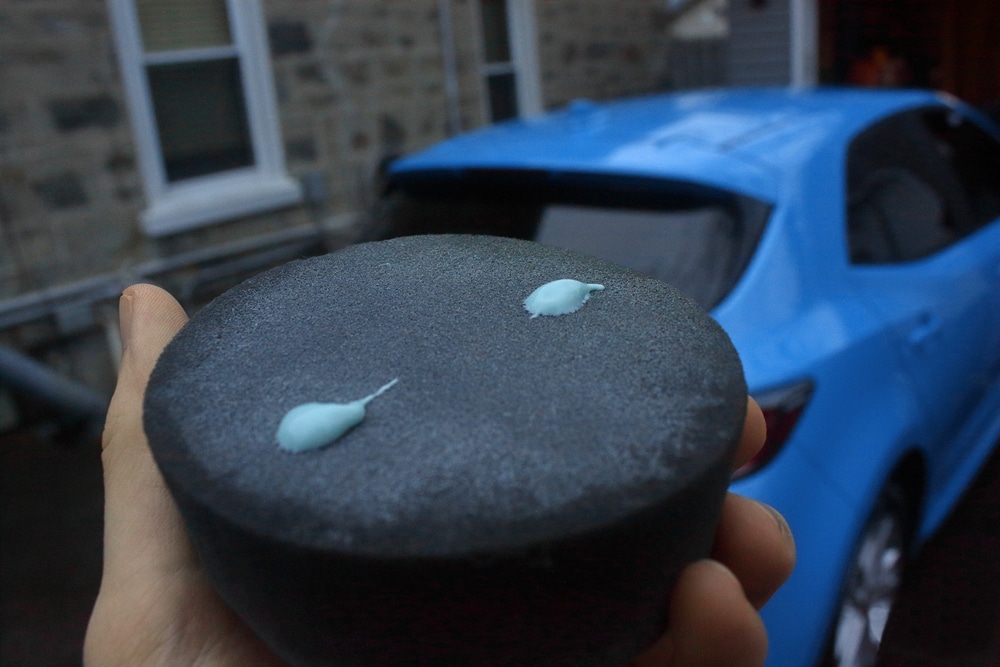
Choose a soft applicator pad for waxing. Apply wax in small, circular motions. Work on one section at a time to avoid streaks. Let the wax haze before buffing it off. Use a clean, soft cloth for buffing to bring out shine. Avoid applying too much wax; a thin layer works best. Repeat every few months to protect your paint.
Maintaining Your Paint Post-wax
Maintaining your car’s paint after waxing is key to keeping it shiny and protected. Wax adds a protective layer that helps guard against dirt and damage. To keep this layer strong, care routines must be gentle and regular. Proper maintenance extends the life of your wax and the fresh paint underneath.
Regular Cleaning
Clean your car often to remove dust and grime. Use a soft cloth or sponge with mild soap. Avoid scrubbing hard, which can wear away wax and paint. Rinse well with clean water and dry with a soft towel. Regular cleaning keeps the surface smooth and bright.
Avoiding Harsh Chemicals
Harsh cleaners can strip wax and harm paint. Stay away from strong detergents, solvents, and acidic solutions. Choose products made for cars and safe on wax. Protect your paint by using gentle, pH-balanced cleaners. This helps maintain the wax’s protective shield.
Frequently Asked Questions
How Long Should I Wait To Wax A Newly Painted Car?
Wait at least 30 to 60 days before waxing a new paint job. This allows the paint to fully cure and harden, ensuring wax bonds properly and protects the surface without damaging the finish.
Can Waxing Too Soon Damage New Car Paint?
Yes, waxing too soon can trap solvents and moisture. This may cause paint bubbling, dullness, or uneven finish. It’s best to wait until paint cures completely for safe waxing.
What Happens If I Wax A Freshly Painted Car Early?
Waxing early can prevent paint from curing correctly. It risks trapping contaminants and may cause discoloration or peeling. Patience ensures a smooth, shiny, and long-lasting finish.
Is It Necessary To Wax After A New Paint Job?
Waxing is important after curing. It protects the paint from UV rays, dirt, and water spots. Wax enhances shine and extends the life of your car’s new paint.
Conclusion
Wait at least 30 days before waxing a freshly painted car. This time lets the paint fully cure and harden. Waxing too soon can damage the new paint surface. Be patient for the best shine and protection. Always follow the paint shop’s advice if available.
Proper care helps keep your car looking new longer. Taking this step protects your investment and improves appearance. Simple waiting makes a big difference in results.