

You just got a brand-new car, and its fresh paint is shining like a dream. Naturally, you want to protect that perfect finish.
But here’s the big question: how long should you wait before you wax your new car paint? Waxing too soon can damage the surface, while waiting too long might leave your paint vulnerable. You’ll discover the exact timing to wax your new car, along with simple tips to keep your paint looking flawless for years.
Keep reading to learn how to give your new car the care it truly deserves.
Curing Time For New Car Paint
New car paint needs time to cure before waxing. Curing means the paint hardens and bonds well with the car surface. Waxing too soon can damage the paint or cause uneven shine. Knowing the right curing time helps protect your car’s finish and keeps it looking great.
Factory Paint Vs. Custom Paint
Factory paint usually cures faster than custom paint. It has a clear coat designed to dry quickly. Factory paint often finishes curing within a few weeks. Custom paint jobs use different materials and methods. These can require more time to fully cure. Custom paint might need several months before waxing.
Typical Paint Cure Durations
Most new car paint cures within 30 to 60 days. Factory paint often needs about 30 days before waxing. Custom paint can take 60 days or more to cure. Environmental factors like temperature and humidity affect curing time. Warmer, dry conditions speed up the process. Cooler or humid weather slows down curing.
Factors Affecting Waxing Timing
Knowing the right time to wax new car paint depends on several factors. These factors affect how well the wax will stick and protect the paint. Understanding them helps keep your car shiny and safe.
Environmental Conditions
Weather plays a big role in waxing timing. High humidity or rain can stop wax from drying properly. Cold temperatures slow down wax curing. Dust and dirt in the air can stick to fresh paint. Choose a dry, mild day for waxing to get the best results.
Type Of Paint And Clear Coat
Different paints need different care before waxing. Some paints cure faster than others. Modern clear coats often dry quicker but need time to harden. Soft paints require more waiting time. Check your car’s paint type to know when waxing is safe.
Paint Thickness
Thicker paint layers take longer to fully cure. Thin paint might be ready sooner for waxing. Paint thickness affects how strong the paint is under the wax. Be patient with thicker paint to avoid damage and ensure good protection.
Signs Your Car Paint Is Ready For Wax
Knowing when your car paint is ready for wax is important. Waxing too soon can damage the paint. Waiting too long can make your car look dull. Watch for key signs that show the paint has cured well. This guide helps you identify those signs clearly.
Surface Hardness
New car paint feels soft at first. It needs time to harden completely. Press your fingernail gently on the paint. If it leaves a mark, the paint is still soft. When the paint feels firm and resists pressure, it is ready. Hard paint protects better and holds wax longer.
Lack Of Paint Odor
Fresh paint often has a strong smell. This smell fades as the paint cures. Check if the odor has gone away. No smell means the paint has dried well. Wax sticks better on paint without a fresh scent. Patience pays off in this step.
Visual Inspection Tips
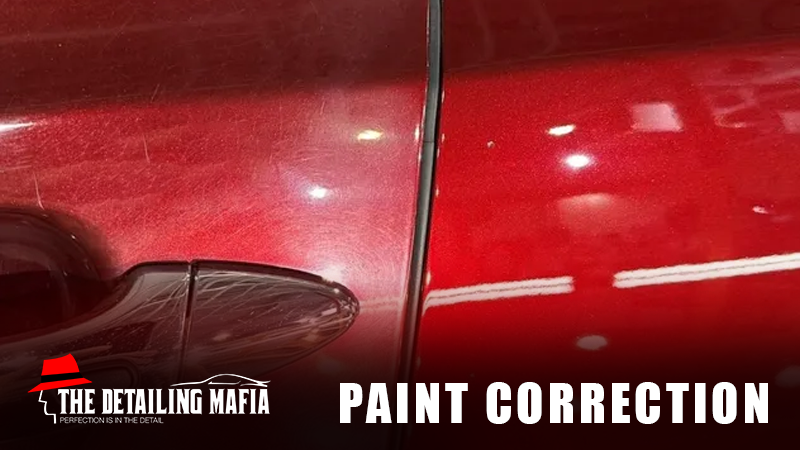
Look closely at the paint surface. It should look smooth and even. Shiny gloss shows the paint has settled. Dull or uneven spots mean the paint needs more time. Use good light to see clearly. Clean paint without dust or dirt is ready for wax.
Credit: www.thedetailingmafia.com
Risks Of Waxing Too Early
Waxing a new car too soon can cause serious problems. The paint needs time to cure and harden. Waxing too early may harm the finish instead of protecting it. Understanding the risks helps you keep your car looking great for years.
Paint Damage
New paint is soft and delicate. Waxing too early can scratch or dull the surface. The chemicals in wax can react with uncured paint. This reaction may cause bubbling or peeling. Protect the paint by waiting for full curing.
Poor Wax Adhesion
Wax sticks best to fully cured paint. Early waxing may lead to poor adhesion. The wax can peel off quickly, leaving the paint exposed. This means you must wax more often, which risks more damage. Wait for the paint to settle for better results.
Reduced Paint Longevity
Waxing too soon can shorten your paint’s lifespan. Uncured paint is more vulnerable to damage. Early waxing traps moisture or chemicals under the wax. This weakens the paint and causes faster wear. Allow the paint to cure before waxing to keep it strong.
Best Wax Types For New Paint
Choosing the right wax for new car paint matters a lot. New paint needs gentle care to stay shiny and strong. Using the best wax type helps protect the paint without damage. It also adds a smooth, glossy finish that lasts longer. Let’s explore the top wax options for fresh paint.
Synthetic Vs. Natural Waxes
Synthetic waxes are made from man-made materials. They last longer and resist dirt and water well. Synthetic wax creates a hard protective layer on the paint. It is easy to apply and dries fast.
Natural waxes come from plants or animals, like carnauba wax. Natural wax gives a warm, deep shine. It is softer than synthetic wax and needs more frequent reapplication. Natural wax protects paint but may not last as long.
For new paint, synthetic wax often works better. It offers stronger protection and is less likely to harm the surface. Natural wax suits those who want a rich shine and don’t mind reapplying.
Sealants And Ceramic Coatings
Sealants are synthetic products that protect paint like wax. They last longer than wax and form a tough shield. Sealants repel water and dirt well. They keep new paint looking fresh for months.
Ceramic coatings are advanced liquid polymers. They bond with paint to create a hard, glass-like layer. Ceramic coatings protect paint from scratches and UV rays. They last years and need less maintenance.
Sealants and ceramic coatings are great for long-term paint protection. They work well on new paint but need the paint to fully cure first. These options save time on frequent waxing and keep the car shining longer.
Waxing Process For New Cars
Waxing a new car requires care and the right process. It protects the paint and keeps the car shiny. Following the proper steps helps avoid damage and makes the wax last longer. This guide explains the waxing process for new cars.
Preparation Steps
Start by washing the car with a gentle car shampoo. Use clean water and a soft cloth or sponge. Dry the car completely with a microfiber towel. Check the paint for any dirt or dust spots. Avoid waxing if the paint feels rough or has contaminants. Let the new paint cure for at least 30 days before waxing. This time allows the paint to harden and settle.
Application Techniques
Apply wax in small sections for even coverage. Use a soft applicator pad or cloth. Spread a thin layer of wax in a circular motion. Wait for the wax to dry to a haze. Buff the wax off gently with a clean microfiber towel. Avoid applying too much wax at once. Use light pressure to protect the fresh paint.
Maintenance Tips
Wash the car regularly to keep the wax effective. Use mild soap and avoid harsh chemicals. Reapply wax every three to four months. Check the paint surface for scratches or dullness. Store the car in a shaded area or garage. Cover the car during harsh weather to protect the paint. Regular care helps the wax and paint stay fresh longer.
Professional Advice And Recommendations
Getting the right advice about waxing new car paint is very important. Waxing too soon can damage the paint. Experts and manufacturers give good tips to protect your car’s finish. These tips help you keep the paint shiny and long-lasting.
Consulting Paint Experts
Paint experts have deep knowledge about car finishes. They know how long new paint needs to cure. This curing time lets the paint harden fully. Experts often suggest waiting at least 30 days before waxing. They say waxing too early may trap moisture or dirt. This can cause paint problems. Talking to a professional can give you clear, safe advice. They can check your car’s paint type and condition. Then, they guide you on the best time to wax.
Manufacturer Guidelines
Car makers provide specific instructions for new paint care. These guidelines tell you how long to wait before waxing. Most manufacturers recommend waiting 30 to 60 days. This period allows the paint to set properly. Ignoring these instructions can void your car’s warranty. Always read the owner’s manual or paint care booklet. Following these rules protects your paint job. It also helps you keep the car looking fresh and clean.
Credit: waxmanoftristate.com

Credit: www.reddit.com
Frequently Asked Questions
How Long Should I Wait Before Waxing New Car Paint?
Wait at least 30 days after painting before waxing. This allows the paint to fully cure and harden. Waxing too soon can damage the finish or trap solvents. Always follow the paint manufacturer’s recommended curing time for best results.
Can Waxing New Paint Cause Damage?
Yes, waxing new paint too early can cause damage. The wax may trap moisture or solvents under the paint. This can lead to discoloration, dullness, or peeling. Waiting for proper curing prevents these issues and protects your car’s finish.
What Is The Best Wax For New Car Paint?
Use a gentle, non-abrasive wax made for new paint. Carnauba or synthetic waxes designed for fresh paint are ideal. Avoid harsh or abrasive waxes that can scratch or dull the surface. Always test a small area first.
How Often Should I Wax After New Paint?
After curing, wax your car every 3 to 4 months. Regular waxing protects the paint from UV rays and contaminants. It also keeps the finish shiny and smooth. Adjust frequency based on climate and usage.
Conclusion
New car paint needs time to fully cure before waxing. Usually, waiting at least 30 days keeps the paint safe. Waxing too soon can cause damage or dull the shine. Patience helps protect your car’s finish and keeps it looking new.
Clean your car gently during this period to avoid scratches. After curing, waxing adds extra protection and shine. Follow these simple steps for a lasting, beautiful finish. Your car will thank you with a smooth, glossy look that lasts longer.


