
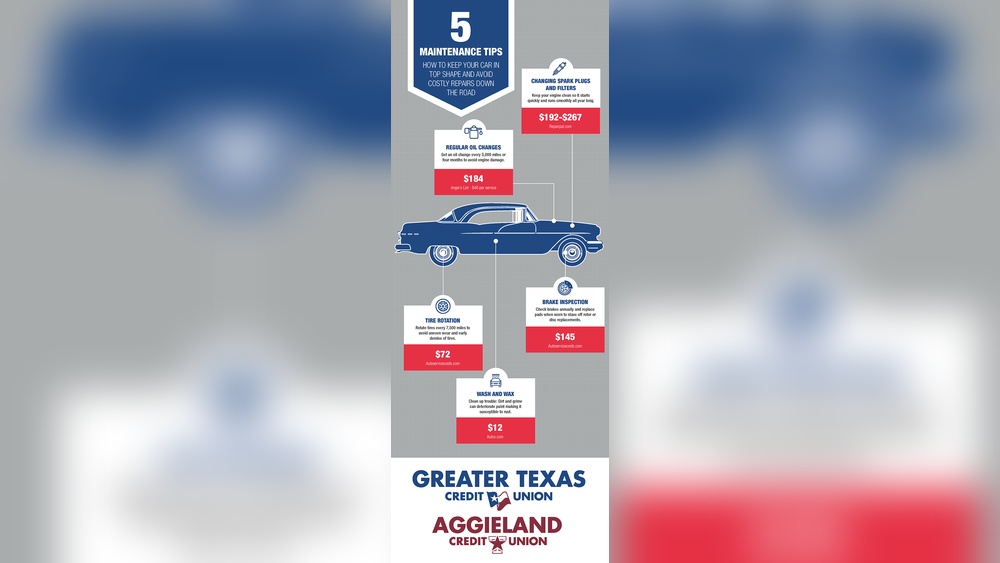
You want your car to look great and stay protected, right? Waxing your car is one of the best ways to keep its paint shining and safe from damage.
But how often should you actually wax your car? If you’ve been wondering about this, you’re not alone. Getting the timing right can save you time, money, and keep your car looking fresh longer. You’ll discover the ideal wax schedule based on your car’s needs and lifestyle.
Keep reading to find out how to make your car shine like new without overdoing it.
Credit: www.ebay.com
Benefits Of Car Waxing
Waxing your car offers several key benefits. It keeps your vehicle looking fresh and well-maintained. Regular waxing protects your car’s surface from damage. The process also adds a deep shine that enhances the car’s appearance. Dirt and water slide off more easily. This simple step can extend your car’s paint life and improve its value.
Protecting Paint
Car wax forms a thin layer over the paint. This layer shields against harmful UV rays. It also guards against bird droppings and tree sap. These substances can cause stains and damage. Wax helps prevent small scratches and swirl marks too. The protective barrier keeps the paint smooth and intact.
Enhancing Shine
Waxing brings out the natural color of your car. It creates a glossy, mirror-like finish. This shine makes your vehicle look newer and cleaner. The wax fills tiny surface imperfections. This smooth surface reflects light better. Your car will stand out on the road with this bright finish.
Repelling Dirt And Water
Wax creates a water-repellent surface on your car. Water beads up and rolls off quickly. This reduces water spots and stains. Dirt and grime have a harder time sticking. This makes washing your car easier and less frequent. The wax keeps your car cleaner for longer periods.

Credit: www.tampabay.com
Factors Influencing Wax Frequency
Knowing how often to wax your car depends on several key factors. These affect how long the wax lasts and how well it protects your vehicle. Understanding these can help you plan the best waxing schedule.
Climate And Weather
Hot sun can break down wax faster. Cars in sunny places may need waxing more often. Rain and snow also wear off wax. Salt on roads in winter can damage the paint. Humid areas may cause wax to degrade quicker. Adjust waxing frequency to match your local climate.
Type Of Wax Used
Different waxes last different times. Natural carnauba wax usually lasts 4 to 6 weeks. Synthetic waxes can protect your car for 3 to 6 months. Some sealants offer even longer protection. Check the product label for how long it lasts. Choose wax based on how often you want to wax.
Driving Habits
Frequent driving exposes your car to dirt and pollutants. Long highway trips can wear off wax faster. Parking under trees may cause sap and bird droppings. City driving often means more dust and grime. Drive less or clean your car regularly to keep wax longer.
Recommended Waxing Intervals
Knowing how often to wax your car helps keep its paint shiny and protected. Waxing shields your vehicle from dirt, rain, and sun damage. The right frequency depends on your car’s use and environment. Below are common waxing intervals to consider.
Monthly Waxing
Waxing every month offers strong protection. This is best for cars parked outside daily. Dirt and pollutants build up fast outdoors. Monthly waxing keeps the paint fresh and safe. It also makes washing easier and faster.
Quarterly Waxing
Waxing every three months suits most drivers. This schedule balances protection and effort. Cars mostly kept in garages do well with quarterly waxing. It prevents fading and damage from weather changes. Regular waxing keeps the car looking new longer.
Seasonal Waxing
Waxing four times a year fits those in mild climates. Apply wax at the start of each season. This timing prepares the car for weather shifts. It guards against sun, rain, and snow effects. Seasonal waxing keeps your paint strong year-round.
Types Of Car Wax
Choosing the right car wax can protect your vehicle and keep it shiny. There are different types of waxes. Each type works differently and lasts for a different time. Understanding these types helps you pick the best wax for your car.
Natural Wax
Natural wax usually comes from carnauba, a plant-based source. It gives a deep, warm shine to your car. This wax is safe for all paint types. It does not last very long, usually a few weeks. Many drivers like it for its natural look.
Synthetic Wax
Synthetic wax is made from man-made chemicals. It creates a strong, protective layer on the paint. This wax lasts longer than natural wax. It can protect the car for several months. Synthetic wax also repels water and dirt well.
Hybrid Wax
Hybrid wax combines natural and synthetic ingredients. It aims to give the best of both types. Hybrid wax offers a nice shine and good protection. It lasts longer than natural wax but less than synthetic. Many car owners choose it for balance and ease of use.
Signs Your Car Needs Waxing
Waxing your car is not just about looks. It protects the paint and keeps the surface smooth. Knowing when your car needs waxing helps maintain its shine and value. Watch for clear signs that tell you it’s time to wax again.
Loss Of Shine
The paint looks dull or faded. The bright, glossy finish fades away. Sunlight reflection is weak or uneven. These are signs your car needs waxing.
Water Beading Reduction
Water no longer beads on the surface. Instead, it spreads and forms puddles. Wax creates a protective layer that repels water. When water stops beading, the wax layer is gone.
Visible Surface Damage
Small scratches and swirl marks appear on the paint. The surface feels rough or uneven. Wax helps fill minor scratches and protect the paint. Visible damage means it’s time to reapply wax.
Diy Waxing Tips
Waxing your car at home saves money and keeps your vehicle shining. Doing it yourself can be simple with the right steps. Follow these tips to get the best results and protect your car’s paint.
Preparing The Surface
Clean your car thoroughly before waxing. Dirt and dust can scratch the paint. Use a gentle car wash soap and water. Dry the car completely with a soft towel. Work in a shaded area to avoid quick drying. This helps the wax stick better.
Applying Wax Correctly
Use a soft applicator pad for even wax coverage. Apply a thin, even layer in small sections. Work in circular motions for better spread. Avoid using too much wax at once. Let the wax dry to a haze before buffing.
Buffing For Best Results
Use a clean, soft microfiber cloth to buff the wax. Rub gently in circular motions to bring out the shine. Change cloth sections often to avoid smudges. Buffing removes excess wax and smooths the finish. Your car will look glossy and protected.
Professional Waxing Services
Professional waxing services offer a thorough and lasting shine to your car’s surface. Experts use high-quality products and tools to protect your paint. Regular waxing by professionals helps keep your vehicle looking new and clean. These services save you time and effort while delivering excellent results.
When To Choose Professionals
Choose professional waxing if you want a deep, even coat. Experts handle tough spots and hard-to-reach areas well. Use professional services before important events or seasonal changes. If your car has scratches or stains, professionals know how to treat them. Busy schedules often make professional waxing a smart choice.
Cost Considerations
Professional waxing costs vary by location and car size. Prices are higher than DIY but include quality products and labor. Think of it as an investment in your car’s protection. Regular waxing reduces damage, saving money on repairs later. Some places offer packages for multiple wax sessions at a discount.
Benefits Of Expert Application
Experts apply wax evenly, avoiding streaks and missed spots. They use products that last longer and protect better than store-bought wax. Professional waxing improves your car’s shine and resale value. It also helps repel dirt and water, keeping your car cleaner. Trusting experts ensures your paint stays safe and beautiful.
:max_bytes(150000):strip_icc()/how-to-clean-leather-car-seats-5204366-hero-a9e1643de2804141afa2639918981c29.JPG)
Credit: www.thespruce.com
Frequently Asked Questions
How Often Should I Wax My Car Angie’s List Recommends?
Angie’s List suggests waxing your car every three months. This frequency protects the paint and enhances shine. It balances protection with practical maintenance for most vehicles.
What Factors Affect Car Waxing Frequency?
Environmental exposure, driving habits, and climate impact waxing frequency. Cars in harsh sun or rain may need waxing more often. Frequent wax keeps paint safe and maintains appearance.
Can I Wax My Car Too Often?
Yes, waxing too often can cause buildup and dullness. Over-waxing may trap dirt and damage paint. Follow recommended intervals for best results.
How Does Waxing Protect My Car’s Paint?
Wax creates a protective barrier against UV rays and contaminants. It repels water and dirt, preventing damage. This layer helps maintain the car’s finish and value.
Conclusion
Waxing your car regularly keeps its paint bright and safe. Most experts suggest waxing every three months. This timing helps protect against sun, rain, and dirt damage. Cars used often or parked outside may need waxing more often. Remember, clean the car before waxing for best results.
A well-waxed car looks newer and holds its value longer. Taking time to wax your car is worth the effort. Keep a simple schedule to maintain its shine and protection. Your car will thank you with a smooth, glossy finish.


