You just got a brand-new car, and its shiny paint is turning heads everywhere. Naturally, you want to protect that fresh finish and keep it looking perfect.
But here’s the question: how long should you wait before applying wax to your new car’s paint? Waxing too soon can cause damage, while waiting too long might leave your paint vulnerable. You’ll discover the ideal timing to wax your new car paint, so you can keep it glossy and safe for years to come.
Keep reading—your car’s finish will thank you!

Credit: www.cart2india.com
Curing Time For New Paint
New car paint needs time to cure before waxing. Curing means the paint hardens and fully bonds to the car’s surface. Waxing too soon can damage the paint or cause poor results. Understanding curing time helps keep your car’s finish smooth and shiny.
Factory Paint Vs. Repainted Surfaces
Factory paint usually cures faster than repainted surfaces. It is applied in controlled conditions and uses special coatings. Repainted surfaces may need more time to cure. They often have extra layers like primer and clear coat. These layers take longer to harden completely.
Chemical Curing Process
Paint cures through a chemical reaction. The solvents in the paint evaporate, and the paint hardens. This process can take days or weeks depending on the paint type. Some paints use heat to cure faster. Others need time to dry slowly for best results.
Environmental Factors Affecting Curing
Temperature and humidity affect paint curing speed. Warm, dry weather helps paint cure faster. Cold or humid conditions slow down the process. Direct sunlight also affects curing time. Keep your car in a shaded, dry place if possible.
Credit: www.carstar.com
Recommended Waiting Periods
Knowing the right time to wax new car paint protects the finish and keeps it shiny. Waxing too soon can harm the paint. Waiting too long means missing out on protection. Recommended waiting periods help you find the perfect balance.
These periods vary based on the type of paint and the products used. Following expert advice and manufacturer guidelines ensures the best results. Watch for clear signs that the paint is ready for waxing.
General Guidelines From Experts
Experts suggest waiting at least 30 to 60 days before waxing new paint. This allows the paint to cure and harden fully. Some recommend 90 days for best protection. Paint needs time to release solvents and settle.
Waxing too early can trap moisture or chemicals. This causes dull spots or damage. Waiting improves wax adhesion and paint durability.
Manufacturer-specific Recommendations
Car makers often give specific advice for waxing new paint. Some recommend waiting 90 days or more. Others may suggest shorter times depending on paint type.
Check your car’s owner manual or official website. Following these instructions helps keep your warranty valid. It also ensures the paint finish lasts longer.
Signs Paint Is Ready For Waxing
Look for a smooth, hard surface on the paint. The color should be even and bright. Paint feels cool and dry to the touch.
Water should bead up on the surface. No sticky or soft spots should remain. If unsure, test a small hidden area first.
Risks Of Waxing Too Early
Waxing a new car paint too soon can cause problems. The paint needs time to cure and harden. Applying wax too early may harm the surface instead of protecting it. Understanding these risks helps you keep your car’s shine and value.
Potential Damage To Paint
Fresh paint is soft and sensitive. Wax can trap moisture or chemicals on the surface. This can cause discoloration or dull spots. Rubbing wax on soft paint might also scratch or wear it down. Waiting prevents damage and keeps the paint smooth.
Wax Adhesion Issues
Wax needs a dry, cured surface to stick well. New paint may still emit gases or oils. This stops the wax from bonding properly. Poor adhesion means the wax peels off quickly. The car loses protection sooner than expected.
Long-term Effects On Finish
Early waxing can affect the paint’s durability. It may lead to uneven shine and fading over time. The finish might develop cracks or peel layers. Delaying waxing helps maintain a strong, lasting finish.
Credit: www.pegasusautoracing.com
Best Practices Before Waxing
Preparing your car before waxing is very important. It helps protect the paint and makes the wax last longer. Follow these best practices to get the best results and keep your new paint shiny and safe.
Proper Washing And Cleaning
Start by washing your car with a gentle car shampoo. Remove all dirt, dust, and grease. Use a soft sponge or microfiber cloth to avoid scratches. Rinse well and dry with a clean towel. Any dirt left on the surface can cause scratches during waxing.
Paint Correction And Polishing
Check your paint for small scratches or swirl marks. Polishing can remove these imperfections and smooth the surface. Use a light polish and a soft cloth or a machine polisher. This step helps the wax stick better and gives a smooth shine.
Choosing The Right Wax Type
Pick a wax that suits your paint type and climate. Carnauba wax gives a deep shine but lasts shorter. Synthetic wax lasts longer and protects better from weather. Read product labels to find the best wax for your car’s needs.
Alternative Protective Options
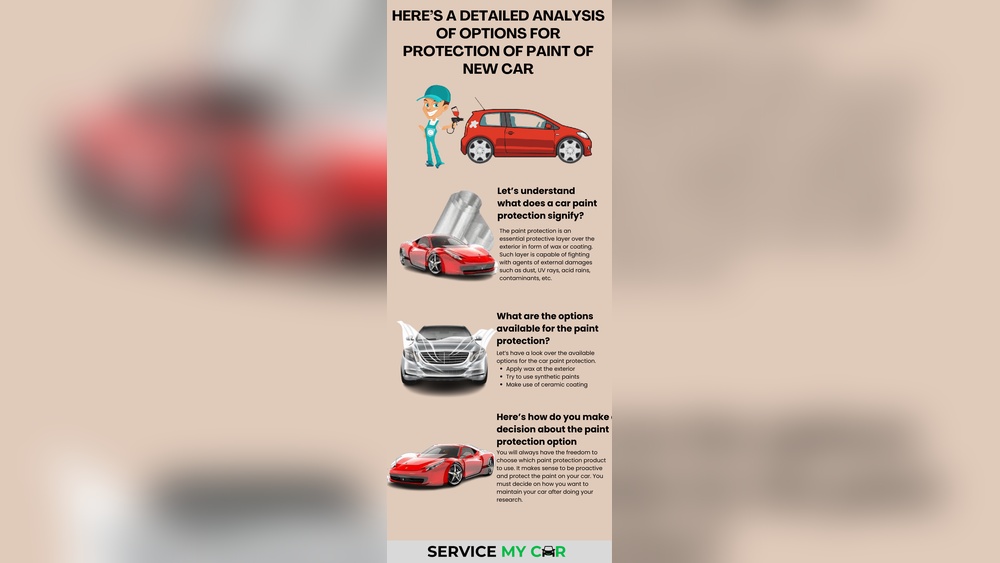
Protecting new car paint requires care and the right products. Wax is common, but other options exist. Some protect better and last longer. They can help keep the paint shiny and safe from damage.
Sealants Vs. Wax
Sealants are synthetic and last longer than wax. They form a strong, thin layer on the paint. Wax is natural and gives a warm shine. But it wears off faster than sealants. Sealants resist dirt and water better. Choose sealants for longer protection and wax for a rich look.
Ceramic Coatings For New Paint
Ceramic coatings create a hard shell on the paint. They last months or years with proper care. This coating protects against scratches and UV rays. It also makes washing easier. Applying ceramic coating soon after painting is best. It bonds well to fresh paint and offers strong defense.
Temporary Protection Methods
Temporary options protect paint until a permanent solution is ready. Paint protection films cover the surface with a clear layer. They guard against chips and scratches. Spray-on coatings give a quick shine and shield. These methods help keep new paint safe during the break-in period.
Maintaining Waxed New Paint
Maintaining wax on new car paint keeps it shiny and protected. Wax forms a barrier against dirt, water, and UV rays. Proper care helps your car look fresh longer. It also prevents damage to the paint surface. Follow simple steps to keep the wax strong and effective.
Frequency Of Reapplication
Wax does not last forever. Reapply wax every three months for best results. Check your car’s surface for dullness or water spots. These signs mean the wax layer is wearing off. Regular waxing keeps the paint safe and glossy.
Safe Cleaning Techniques
Clean your car gently to protect the wax. Use a soft sponge or microfiber cloth. Wash with mild soap made for cars. Avoid scrubbing hard or using rough materials. Dry the car with a soft towel to stop water marks.
Avoiding Harsh Chemicals
Harsh chemicals can damage wax and paint. Skip strong detergents, acids, or solvents. These can strip away wax and dull the paint. Choose gentle, pH-balanced cleaners instead. This keeps the wax layer intact and paint safe.
Frequently Asked Questions
How Soon Can I Wax My New Car Paint?
You should wait at least 30 days before waxing new car paint. This allows the paint to fully cure and harden, ensuring the wax bonds properly and protects the surface effectively.
Why Wait Before Waxing New Car Paint?
Waiting prevents damage to the paint’s curing process. Waxing too soon can trap solvents or moisture, leading to dullness or uneven finish. Proper waiting ensures the paint’s durability and optimal shine.
Can Waxing New Paint Too Early Cause Damage?
Yes, waxing too early can harm new paint. It may cause streaks, cloudiness, or reduced paint hardness. Waiting helps avoid these issues and preserves the paint’s quality and appearance.
What Happens If I Don’t Wait To Wax New Paint?
Not waiting can result in poor wax adhesion and uneven finish. It may also trap contaminants, reducing paint longevity. Proper wait time ensures better protection and shine from waxing.
Conclusion
New car paint needs time to cure before waxing. Usually, waiting 30 to 60 days is best. This helps protect the paint and keeps your car shiny longer. Waxing too soon can cause damage or uneven finish. Always check the paint care guide from the dealer.
Patience now saves you from costly repairs later. Taking care of your car paint helps it look new for years. Simple steps make a big difference in car maintenance.