Have you ever wondered how far your car can really go without an oil change? It’s a question that matters because your engine’s health depends on it.
Skipping or delaying an oil change might seem like no big deal, but it can lead to serious problems—and costly repairs. You’ll discover the surprising truth about how long your car can safely run without fresh oil. By understanding this, you’ll protect your vehicle and save money in the long run.
Keep reading to learn what happens inside your engine and when it’s time to act before damage sets in.
Why Oil Changes Matter
Regular oil changes keep your car running smoothly. Skipping oil changes can cause serious engine problems. Knowing why oil changes matter helps you protect your vehicle.
Engine oil is more than just grease. It plays many important roles in your car’s engine. Understanding these roles shows why fresh oil is vital.
Role Of Engine Oil
Engine oil lubricates moving parts inside the engine. It reduces friction between metal surfaces. This stops parts from wearing out too fast.
Oil also helps cool the engine by carrying heat away. It cleans the engine by trapping dirt and debris. This keeps engine parts free from damage.
Good oil forms a seal between piston rings and cylinder walls. This improves engine power and fuel efficiency. Clean oil ensures the engine runs well every day.
Impact On Engine Health
Old or dirty oil loses its ability to protect the engine. It can cause parts to grind and wear quickly. This may lead to costly repairs or engine failure.
Without fresh oil, engine parts may overheat and seize. This stops the car from working and can cause permanent damage. Regular oil changes help avoid these problems.
Changing oil at recommended times keeps the engine healthy. It extends the life of your car. Your engine stays strong, reliable, and efficient for longer.

Credit: oilchangers.com
Signs You Need An Oil Change
Knowing the signs you need an oil change helps protect your car. Clean oil keeps the engine running smoothly. Old oil can cause serious damage and costly repairs. Watch for clear signs to avoid trouble on the road.
Recognizing these signs early saves money and keeps your car healthy. Pay attention to what your car tells you.
Warning Lights And Noises
Your car’s dashboard may show a warning light when oil is low or dirty. This light often looks like an oil can. It means the engine needs attention right away. Strange noises like knocking or ticking can also signal oil problems. These sounds mean the oil isn’t protecting the engine parts properly.
Performance Drops
Old oil makes your engine work harder. You may notice less power when accelerating. The car might feel sluggish or slow. Fuel efficiency can drop too, causing more trips to the gas station. If your car’s performance changes suddenly, check the oil as a first step.
Factors Affecting Oil Change Intervals
Knowing how often to change your car’s oil depends on several key factors. These affect how quickly the oil breaks down and loses its ability to protect your engine. Understanding these can help you keep your car running smoothly and avoid costly repairs.
Driving Habits
Short trips can cause more engine wear than long drives. Cold starts make oil work harder to protect the engine. Frequent stop-and-go traffic also stresses the oil. Driving on dusty or rough roads can contaminate the oil faster. Gentle, steady driving extends oil life.
Oil Type
Synthetic oil lasts longer than conventional oil. It resists heat and breaks down slower. Conventional oil needs changing more often. Some oils have additives that protect better. Always use the oil type recommended by your car maker.
Vehicle Model
Newer cars often use advanced engines needing special oils. Some models have longer oil change intervals. Older cars may require more frequent changes. Engine design affects how oil ages. Check your vehicle’s manual for exact guidance.
Risks Of Delaying Oil Changes
Delaying oil changes can cause serious problems for your car. Oil keeps the engine parts moving smoothly. Without fresh oil, the engine struggles to work well. This section explains the risks of putting off oil changes.
Engine Wear And Tear
Old oil loses its ability to protect the engine. Dirt and debris build up inside the oil. This causes metal parts to rub against each other. The result is faster wear and tear. Over time, this can shorten the engine’s life.
Reduced Fuel Efficiency
Dirty oil makes the engine work harder. The engine uses more fuel to perform the same tasks. This means your car will use more gas than usual. Delaying oil changes can raise your fuel costs.
Potential Engine Damage
Without clean oil, engine parts can overheat and break. This leads to costly repairs or even engine failure. Small problems grow bigger when oil changes are delayed. Protect your engine by changing oil on time.
How Long Can You Actually Go?
Knowing how long your car can go without an oil change is important. Oil keeps the engine parts moving smoothly. Without fresh oil, the engine can wear out faster and cause problems. The answer varies based on many factors. Let’s explore what experts say and what drivers experience in real life.
Manufacturer Recommendations
Car makers give clear instructions about oil changes. Most suggest changing oil every 5,000 to 7,500 miles. Newer cars with synthetic oil may last up to 10,000 miles. These numbers depend on the engine type and oil quality. Following these guidelines helps keep your car healthy. Ignoring them may void warranties or cause damage.
Real-world Experiences
Many drivers wait longer than recommended to change oil. Some go 10,000 to 15,000 miles before changing. This may work for some cars but risks engine damage. Dirt and metal particles build up in old oil. This reduces oil’s ability to protect the engine. Some drivers report no problems, but others face costly repairs. Regular oil checks help avoid surprises on the road.

Credit: www.youtube.com
Tips To Extend Oil Life
Extending the life of your car’s oil helps keep the engine healthy. It also saves money by reducing the frequency of oil changes. Simple steps can make a big difference in how long your oil lasts. Follow these tips to protect your engine and improve oil performance.
Regular Maintenance
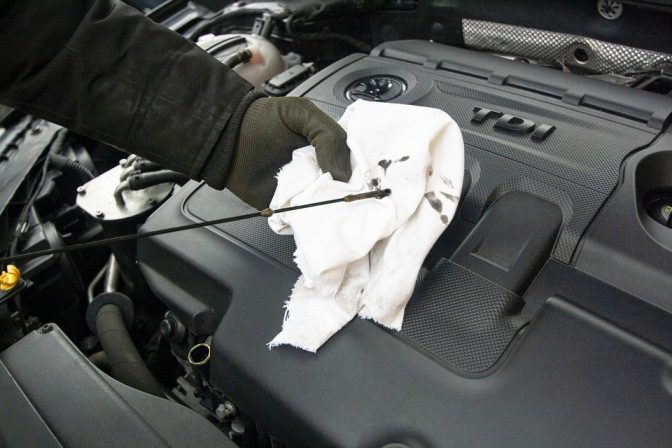
Check your oil level every month. Low oil can cause engine damage quickly. Change the oil filter during every oil change. A clean filter keeps dirt out of the engine. Follow your car’s service schedule for oil changes. This schedule is based on your car’s needs and driving style. Regular maintenance keeps oil clean and effective.
Choosing The Right Oil
Use the oil type recommended in your car manual. Different engines need different oil viscosities. Synthetic oils last longer and perform better in extreme temperatures. They protect the engine from wear and tear. Avoid using cheap, low-quality oils. Good oil improves engine efficiency and extends oil life.
Credit: alohaautorepairtx.com
Frequently Asked Questions
How Long Can A Car Run Without An Oil Change?
A car can typically run 5,000 to 7,500 miles without an oil change. This depends on the vehicle and oil type. Delaying oil changes risks engine damage and reduced efficiency.
What Happens If You Delay An Oil Change?
Delaying oil changes leads to dirty oil that harms engine parts. It causes increased wear, overheating, and can result in costly repairs or engine failure.
How To Know When Your Car Needs An Oil Change?
Check the oil change light on your dashboard or follow the manufacturer’s mileage schedule. Regular oil checks and changes keep your engine healthy and efficient.
Can Synthetic Oil Extend Time Between Oil Changes?
Yes, synthetic oil lasts longer than conventional oil, often up to 10,000 to 15,000 miles. It provides better protection and reduces the frequency of oil changes.
Conclusion
Regular oil changes keep your car running smoothly and safely. Skipping oil changes can cause engine damage and costly repairs. Most cars need an oil change every 3,000 to 7,500 miles. Check your owner’s manual for the best advice. Clean oil helps your engine last longer and saves money.
Don’t wait until the engine shows problems. A little care today avoids big troubles tomorrow. Keep track of oil changes to protect your car’s health. Simple steps like these make a big difference in car life.