

Have you ever wondered how safe your car really is from Covid? You touch your steering wheel every time you drive, but do you know how long the virus can actually live on it?
Understanding this can help you protect yourself and your loved ones better. You’ll discover exactly how long Covid can survive on your steering wheel and simple steps you can take to keep your car clean and safe. Keep reading—your health depends on it.
Credit: www.etags.com
Covid Survival On Surfaces
Covid-19 can survive on many surfaces for hours or days. Knowing how long it stays active helps reduce the risk of infection. Steering wheels are touched often, making them a key surface to understand.
Virus survival depends on material type, temperature, and humidity. This section explains how long Covid lives on surfaces, focusing on steering wheels.
Virus Lifespan Basics
The virus can live from a few hours to several days on surfaces. It stays longer on hard, non-porous materials. Steering wheels, made of plastic or leather, can hold the virus for up to two days. The virus dies faster on soft, porous materials.
Factors Affecting Survival
Temperature changes virus lifespan. Higher heat reduces survival time. Humidity also plays a role. Dry air can shorten the virus life. Cleanliness matters. Dirt and oils on steering wheels can protect the virus. Frequent cleaning helps kill it faster.
Comparison With Other Surfaces
Covid survives longer on plastic and metal than on fabric or paper. Steering wheels are similar to plastic surfaces. On glass or stainless steel, the virus can live up to three days. On cardboard or cloth, it lasts less than a day.
Credit: www.alamy.com
Steering Wheel Material Impact
The material of a steering wheel plays a big role in how long Covid-19 can survive on it. Different materials affect the virus’s life span. Understanding this helps in keeping cars safer and cleaner.
Common Materials Used
Steering wheels often use leather, plastic, rubber, or wood. Leather is soft and porous. Plastic and rubber are smoother and less porous. Wood is less common but found in luxury cars. Each material interacts differently with the virus.
Porosity And Virus Retention
Porous materials like leather absorb moisture and particles. This can trap the virus inside tiny holes. Non-porous surfaces like plastic do not absorb much. The virus tends to stay longer on smooth, hard surfaces. Porosity affects how easily the virus can be wiped away.
Temperature And Humidity Effects
Higher temperatures can reduce the virus’s lifespan on surfaces. Humid conditions also help kill the virus faster. Cold and dry environments let the virus survive longer. Inside a car, temperature and humidity change with weather and use. These changes impact how long the virus stays active on the steering wheel.
Transmission Risks From Steering Wheels
Steering wheels can carry germs, including the Covid virus. Understanding how the virus spreads on this surface helps reduce infection risks. People touch steering wheels many times, making them a common place for virus transfer. Knowing the risks guides safer habits and cleaning routines.
Touch Frequency And Behavior
Drivers often hold the steering wheel for long periods. Many touch it with bare hands, which can carry viruses. People also rub their face or mouth after touching the wheel. This behavior increases the chance of catching the virus from the wheel’s surface.
Potential For Cross-contamination
The virus can move from the steering wheel to other objects. For example, touching the wheel then a phone or door handle spreads germs. Sharing cars raises the risk of passing the virus between users. Cleaning the steering wheel regularly limits cross-contamination.
Risk Levels In Different Settings
Private cars pose lower risk if only one person uses them. Rideshares and taxis have higher risk due to many users. Public transport vehicles also see frequent wheel contact, raising infection chances. Cleaning and hand hygiene become very important in these settings.

Credit: www.alamy.com
Effective Cleaning Methods
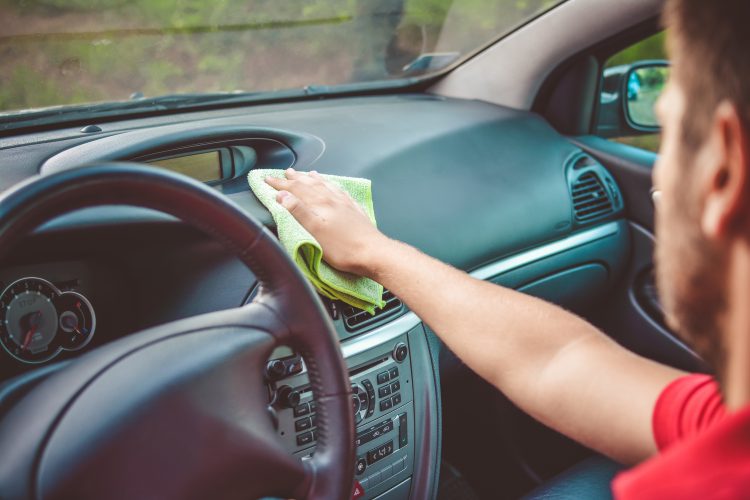
Cleaning your steering wheel is key to reducing the risk of Covid spreading. The virus can survive on surfaces like steering wheels for hours or even days. Using the right cleaning methods helps kill the virus quickly. This section explains how to clean your steering wheel effectively.
Recommended Disinfectants
Use disinfectants that kill viruses fast. Products with at least 70% alcohol work well. You can also use disinfectant wipes made for electronics. Avoid harsh chemicals that damage the steering wheel material. Always check the label for virus-killing claims.
Cleaning Frequency Guidelines
Clean your steering wheel after every trip if possible. At least once daily is good for regular use. Increase cleaning if someone sick uses the car. More frequent cleaning lowers the chance of virus spread. Make it a routine habit for safety.
Diy Cleaning Solutions
Make your own cleaner with common household items. Mix one part water with one part rubbing alcohol. Use a soft cloth to apply the solution gently. Avoid soaking the wheel to prevent damage. This solution kills viruses and is easy to prepare.
Preventive Measures While Driving
Driving is a daily activity for many. Steering wheels can carry germs, including the Covid virus. Taking steps to keep them clean and safe helps protect you and others. Simple habits reduce the risk of spreading the virus inside your vehicle.
Hand Hygiene Tips
Wash your hands before and after driving. Use soap and water for at least 20 seconds. Carry hand sanitizer with at least 60% alcohol. Clean your hands after touching the steering wheel or door handles. Avoid touching your face with unwashed hands.
Use Of Protective Covers
Use a steering wheel cover that you can wash regularly. Choose covers made from materials that are easy to clean. Wipe the cover with disinfectant wipes daily. This helps remove any virus particles that may be on the surface. Replace covers if they become worn out or dirty.
Minimizing Contact With Face
Touching your face spreads germs from your hands. Avoid rubbing your eyes, nose, or mouth while driving. Use tissues if you need to touch your face. Dispose of tissues immediately and sanitize your hands. Keeping your hands off your face lowers infection chances.
Frequently Asked Questions
How Long Does Covid Survive On A Steering Wheel?
Covid can survive on a steering wheel for up to 72 hours. The virus lasts longer on plastic and metal surfaces. Regular disinfection reduces the risk of transmission significantly. Use alcohol-based wipes to clean your steering wheel frequently.
Can Covid Spread Through Touching A Steering Wheel?
Yes, Covid can spread if you touch a contaminated steering wheel. The virus transfers when you touch your face afterward. Proper hand hygiene and cleaning surfaces help prevent infection. Avoid touching your face before washing hands.
What Disinfectants Kill Covid On Steering Wheels?
Alcohol-based disinfectants with at least 70% alcohol effectively kill Covid. Other options include bleach solutions and EPA-approved cleaners. Always follow product instructions for safe and effective use. Regular cleaning reduces virus presence on frequently touched surfaces.
Is Covid Survival Time Different On Steering Wheels And Other Surfaces?
Yes, Covid survives differently depending on surface type and conditions. It lasts longer on non-porous surfaces like steering wheels than fabric. Temperature and humidity also affect virus survival time. Clean high-touch areas regularly to minimize infection risk.
Conclusion
Covid can live on a steering wheel for hours to days. Cleaning surfaces often helps lower the risk of spreading the virus. Using disinfectant wipes or sprays keeps your car safer. Avoid touching your face after contact with shared surfaces.
Simple habits protect you and others from infection. Stay aware and keep your car clean regularly. Small steps make a big difference in staying healthy.

