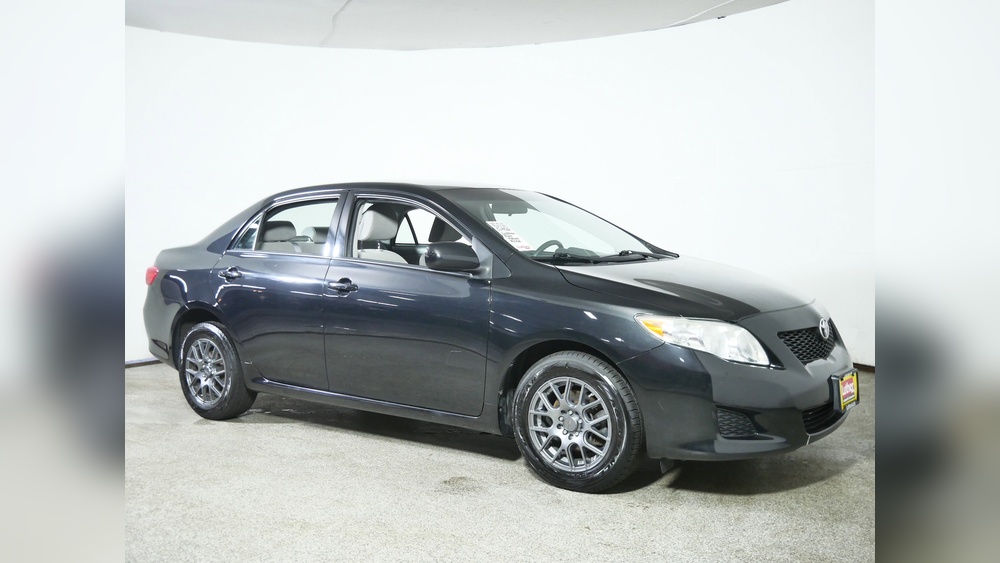
Are you looking to give your car a fresh, unique look without spending a fortune? Vinyl wrapping your badges is one of the easiest and most affordable ways to do just that.
Imagine transforming your car’s style in just a few simple steps—making your vehicle stand out wherever you go. In this guide, you’ll discover how to vinyl wrap badges like a pro, even if you’ve never tried it before. Stick with me, and by the end, you’ll have the confidence to tackle this project yourself and enjoy a sleek, personalized finish.
Ready to get started? Let’s dive in!
Preparing The Badge
Preparing the badge is the first step in vinyl wrapping. A clean and smooth surface helps the vinyl stick better. It also makes the wrap look neat and last longer. Take your time to prepare the badge carefully.
Cleaning The Surface
Start by washing the badge with soap and water. Remove all dirt, dust, and grease. Use a soft cloth to avoid scratches. Dry the badge completely with a clean towel. A clean surface ensures the vinyl sticks well.
Removing Old Adhesive
Check if the badge has any old glue or tape. Use an adhesive remover or rubbing alcohol to clear it. Apply with a cloth and rub gently. Make sure no sticky residue remains. This step prevents bumps under the vinyl wrap.
Gathering Tools And Materials
Prepare all tools before starting the wrap. You will need vinyl wrap film, a squeegee, a heat gun, and a sharp knife. Also, keep microfiber cloths and gloves ready. Having everything at hand speeds up the process and avoids mistakes.

Credit: www.youtube.com
Choosing The Right Vinyl
Choosing the right vinyl is the first step to a smooth badge wrap. The vinyl you pick affects how easy the wrap is and how it looks after. Some vinyl types are better for curves and small areas like badges. Others offer different colors and finishes to match your style. Understanding these options helps you make a smart choice and get the best results.
Types Of Vinyl Wraps
There are several types of vinyl wraps available. Cast vinyl is thin and flexible. It fits curves and small shapes well. It lasts longer and resists fading. Calendered vinyl is thicker and less flexible. It works for flat surfaces but can wrinkle on curves. For badges, cast vinyl is often the best choice. It stretches without tearing and holds shape.
Selecting Colors And Finishes
Vinyl wraps come in many colors. Choose one that matches your vehicle or stands out as you want. Finishes vary from glossy to matte and satin. Glossy vinyl shines and looks smooth. Matte vinyl has a flat, non-reflective surface. Satin finish is between glossy and matte. It offers a soft shine. Pick the finish that fits your taste and vehicle style.
Cutting The Vinyl
Cutting the vinyl is a key step in wrapping badges. It shapes the vinyl to fit perfectly. Careful cutting ensures a smooth, clean look. Take your time to avoid mistakes. Precision here saves effort later.
Measuring Badge Dimensions
First, measure the badge carefully. Use a ruler or tape measure. Note the width and height in millimeters or inches. Check curves and edges too. Write down all measurements clearly. Accurate dimensions guide the cutting process.
Trimming The Vinyl Precisely
Place the vinyl on a flat surface. Use sharp scissors or a craft knife. Cut just outside the measured lines. Leave a small margin for adjustments. Avoid jagged or uneven edges. Take slow, steady cuts for smooth lines.

Credit: metrorestyling.com
Applying The Vinyl
Applying vinyl to badges requires care and patience. This step decides how smooth and neat your badge will look. Use clean hands and a dust-free area to avoid dirt under the vinyl. Take your time to make sure the vinyl fits well before sticking it down.
Positioning The Vinyl
Place the vinyl carefully over the badge. Align it so all edges are covered evenly. Start from one side and slowly lower the vinyl onto the surface. This method helps avoid mistakes and keeps the vinyl straight. Check the position before pressing it down fully.
Smoothing Out Bubbles
Use a soft cloth or a squeegee to smooth the vinyl. Push air bubbles gently towards the edges. Work from the center outwards for best results. Small bubbles often disappear with time, but large ones need extra smoothing. Take your time to ensure a flat finish.
Using Heat For Better Adhesion
Warm the vinyl with a heat gun or hair dryer on low heat. Heat makes the vinyl more flexible and sticky. Move the heat source evenly over the vinyl surface. Avoid overheating to prevent damage. After heating, press the vinyl again to secure it firmly.
Finishing Touches
Finishing touches make your vinyl wrap look neat and last longer. This step ensures a clean, professional appearance. It also protects the wrap from peeling or damage. Careful attention here gives the best final result.
Trimming Excess Vinyl
Trim the extra vinyl carefully using a sharp blade. Cut close to the badge edges but avoid cutting the surface. Small, precise cuts prevent lifting and wrinkles. Take your time for a smooth finish.
Sealing Edges
Seal the edges with heat or edge sealer to keep the vinyl in place. Heat softens the vinyl, helping it stick better. Edge sealers add extra protection against water and dirt. This step stops the vinyl from peeling over time.
Curing Time And Care
Let the vinyl cure for at least 24 hours before washing. Avoid touching or stretching the wrap during this time. Keep the badge dry and clean for the best bond. Proper curing makes the wrap last and look great.
Troubleshooting Common Issues
Troubles can happen while vinyl wrapping badges. Common problems include wrinkles, bubbles, and poor adhesion. Fixing these issues quickly keeps your wrap looking smooth and fresh.
Understanding easy solutions helps you avoid damage and save time. Small fixes can make a big difference in the final look of your badge wrap.
Fixing Wrinkles And Bubbles
Wrinkles and bubbles appear when air gets trapped under the vinyl. Use a squeegee to push them toward the edges. Work slowly and gently to avoid tearing the vinyl.
For small bubbles, prick them with a pin. Press the air out using the squeegee. Heat the area lightly with a heat gun to help the vinyl settle.
Large wrinkles need more care. Gently lift the vinyl, then smooth it back down. Keep the surface clean to stop new bubbles from forming.
Removing And Reapplying Vinyl
Sometimes the vinyl does not stick well. Remove it carefully to avoid damage. Start at one corner and peel slowly at a low angle.
Clean the badge surface with rubbing alcohol to remove dirt and oils. Let it dry before you try again. Apply the vinyl slowly, using a squeegee to remove air as you go.
Reapplying helps fix mistakes and improves adhesion. Take your time for the best results. Patience is key for a smooth, lasting wrap.

Credit: www.rvinyl.com
Frequently Asked Questions
What Tools Are Needed To Vinyl Wrap Badges?
To vinyl wrap badges, you need vinyl wrap sheets, a heat gun, a squeegee, scissors, and a cleaning cloth. These tools help ensure a smooth, bubble-free application and proper adhesion of the vinyl to the badge surface.
How Do You Prepare Badges For Vinyl Wrapping?
Clean the badge thoroughly using soap and water, then dry it completely. Remove any dirt, grease, or wax to ensure the vinyl sticks well. Proper surface prep is essential for a long-lasting vinyl wrap.
Can Vinyl Wraps Be Removed From Badges Easily?
Yes, vinyl wraps can be removed without damage. Use heat to soften the vinyl, then peel it off slowly. Any residue can be cleaned with rubbing alcohol or adhesive remover.
How Long Does A Vinyl Wrap Last On Badges?
A vinyl wrap on badges typically lasts 3 to 5 years. Its durability depends on exposure to weather, cleaning methods, and quality of vinyl used.
Conclusion
Vinyl wrapping badges is a simple way to change your vehicle’s look. It saves money compared to buying new badges. Careful cleaning and slow, steady wrapping help avoid bubbles. Use a heat gun for a smooth finish. Take your time and be patient.
Small details make a big difference in results. Practice on old badges before trying the best ones. Enjoy customizing your car with your own style. This skill can make your vehicle truly unique.