

Have you noticed your car acting up lately? Maybe it’s struggling to accelerate or feels sluggish on the road.
One common culprit behind these issues is a clogged fuel filter. But here’s the big question: how long can you actually drive with a clogged fuel filter before it causes serious damage? Understanding this can save you from unexpected breakdowns and costly repairs.
You’ll discover the signs to watch for, the risks of ignoring the problem, and exactly when you need to take action to keep your car running smoothly. Keep reading—your car’s health depends on it.

Credit: www.youtube.com
Signs Of A Clogged Fuel Filter
A clogged fuel filter can cause many problems in your car. It stops fuel from flowing properly. This affects how your engine runs. Knowing the signs helps you act fast. You avoid bigger damage and costly repairs.
Engine Performance Issues
Your engine may lose power or hesitate. It might stall or run rough. You feel a drop in acceleration. The car struggles to keep speed. This happens because less fuel reaches the engine.
Starting Problems
The car takes longer to start. Sometimes it won’t start at all. A clogged filter blocks fuel from reaching the engine. Without enough fuel, the engine can’t ignite easily.
Reduced Fuel Efficiency
Your car uses more fuel than usual. You notice you fill the tank more often. A blocked filter makes the engine work harder. This wastes fuel and lowers mileage.
Risks Of Driving With A Clogged Filter
Driving with a clogged fuel filter can cause serious problems. It restricts fuel flow, making your engine work harder. This leads to multiple risks that affect your car’s performance and safety. Understanding these risks helps you avoid expensive repairs and dangerous situations on the road.
Engine Damage
A clogged fuel filter starves the engine of fuel. This causes the engine to run lean, which means not enough fuel reaches the cylinders. Running lean can cause overheating and wear down engine parts quickly. Over time, this damages your engine and lowers its lifespan.
Stalling And Breakdowns
Fuel flow interruptions cause the engine to stall or hesitate. Your car may suddenly stop while driving. This increases the risk of accidents and leaves you stranded. Breakdowns can happen anywhere, making it unsafe and inconvenient.
Increased Emissions
A clogged filter makes the engine burn fuel less efficiently. This results in higher emissions of harmful gases. Increased pollution harms the environment and may cause your car to fail emission tests. Keeping the fuel filter clean helps reduce your carbon footprint.
How Long You Can Drive Safely
Driving with a clogged fuel filter is risky and can damage your car. Knowing how long you can drive safely helps protect your vehicle and yourself. Several key points affect this safe driving time. Pay attention to your car’s behavior to avoid serious problems.
Factors Affecting Duration
The type of clog matters. A partial clog lets some fuel pass, while a full clog blocks it. Your car’s engine size and fuel system design also affect how long it runs. Driving style plays a role too. Gentle driving uses less fuel and stress on the filter. Harsh driving demands more fuel, worsening the clog faster.
Typical Timeframes
Usually, a car with a clogged filter lasts 50 to 100 miles before serious issues. Some cars may go shorter distances, especially if the clog is severe. Others with minor clogs might drive longer but with reduced power. Engine sputtering or stalling often appears after 30 to 50 miles of driving with a clogged filter.
When To Stop Driving
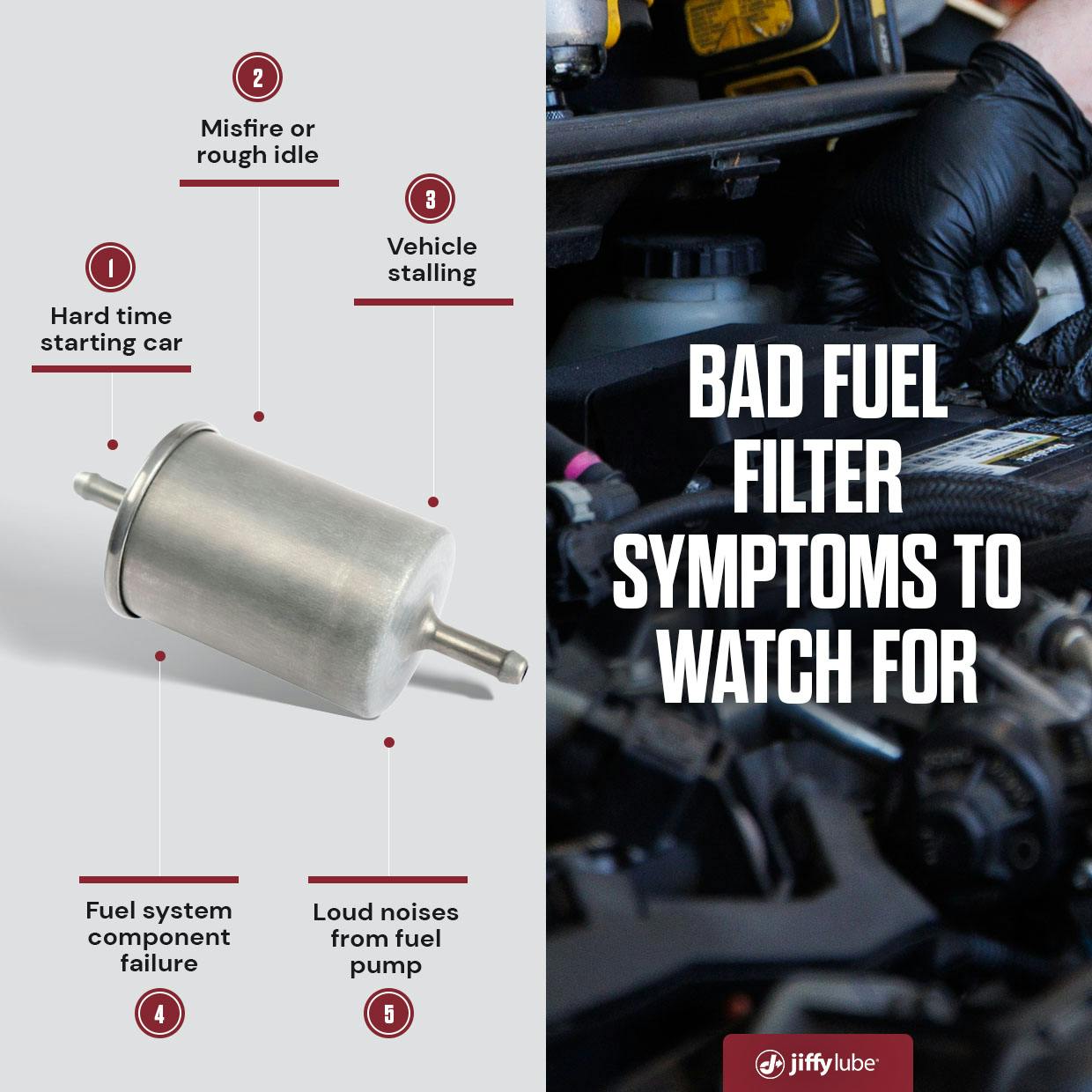
Stop driving if the engine sputters or loses power suddenly. Strange noises from the engine or difficulty starting are warning signs. Check engine lights often turn on with fuel issues. Continuing to drive risks engine damage and breakdowns. Pull over safely and get the filter checked or replaced.
Credit: www.jiffylube.com
Preventive Measures And Maintenance
Taking care of your fuel system helps your vehicle run smoothly. Preventive measures stop problems before they start. Simple steps can keep your fuel filter clean and your engine healthy. Regular care extends your car’s life and saves money on repairs.
Regular Fuel Filter Replacement
Replace your fuel filter on time. Check your car’s manual for the schedule. A clean filter stops dirt from reaching the engine. It keeps fuel flow steady. Ignoring this can cause poor engine performance or stalling.
Using Quality Fuel
Choose good quality fuel for your car. Cheap fuel often contains dirt and water. These can clog the fuel filter faster. Clean fuel protects engine parts and improves mileage. Always fill up at trusted gas stations.
Routine Vehicle Inspections
Inspect your vehicle regularly. Look for signs of fuel filter trouble like slow acceleration or engine hesitation. Mechanics can check the fuel system during service. Early detection prevents bigger problems and costly repairs.
Replacing A Fuel Filter
Replacing a fuel filter is an important part of car maintenance. The fuel filter stops dirt and debris from reaching the engine. Over time, it gets clogged. A clogged fuel filter can cause engine problems and reduce fuel efficiency. Changing the filter keeps the engine running smoothly.
Signs It’s Time To Replace
Engine stalls or hesitates during driving. The car loses power on hills or during acceleration. You hear unusual noises from the fuel pump. The engine may misfire or run roughly. Poor fuel economy can also signal a bad filter. If your car shows these signs, check the fuel filter soon.
Diy Vs Professional Service
Replacing a fuel filter yourself saves money. Basic tools and some knowledge about your car are needed. Make sure to follow safety rules. Some cars have hard-to-reach filters, which can be tricky. A professional mechanic has the tools and experience. They can replace the filter quickly and safely. Choose what suits your skills and comfort level.
Cost And Time Estimates
A new fuel filter usually costs between $15 and $50. Labor charges at a shop may add $50 to $100. DIY replacement can take 30 minutes to an hour. Professionals often finish the job faster. Costs vary by car model and location. Budgeting for regular filter changes saves money on big repairs later.
Credit: repairpal.com
Frequently Asked Questions
How Long Can You Drive With A Clogged Fuel Filter?
Driving with a clogged fuel filter is not recommended for more than a few miles. It reduces fuel flow, causing engine issues and potential stalling. Prolonged driving can damage the fuel pump and engine, so replace the filter promptly to avoid costly repairs.
What Are Signs Of A Clogged Fuel Filter?
Signs include engine sputtering, reduced power, stalling, and poor acceleration. You may also notice rough idling and difficulty starting the car. These symptoms indicate restricted fuel flow, and the fuel filter should be checked and replaced if clogged.
Can A Clogged Fuel Filter Damage My Engine?
Yes, a clogged fuel filter can starve the engine of fuel. This causes poor combustion, engine misfires, and potential damage to the fuel pump. Replacing the filter regularly ensures smooth fuel flow and protects engine components from premature wear.
How Often Should I Replace The Fuel Filter?
Generally, replace the fuel filter every 20,000 to 40,000 miles. Check your vehicle’s manual for specific recommendations. Regular replacement prevents clogging, maintains fuel efficiency, and prolongs engine life.
Conclusion
A clogged fuel filter limits your car’s performance and fuel flow. Driving too long with it can cause engine problems. The exact time varies by car condition and filter severity. Watch for signs like poor acceleration or stalling. Fixing the filter early keeps your engine healthy and saves money.
Don’t wait until your car breaks down. Regular maintenance helps avoid these issues. Stay aware and act quickly to keep driving safely.


