

Have you ever wondered if your car’s fuel filter is working properly? A clogged or dirty fuel filter can cause your engine to struggle, lose power, or even stop running altogether.
Knowing how to check your fuel filter can save you from unexpected breakdowns and costly repairs. You’ll discover simple and clear steps to inspect your fuel filter yourself, so you can keep your vehicle running smoothly and avoid frustration on the road.
Keep reading to learn how easy it is to protect your engine and improve your car’s performance!
Credit: www.jiffylube.com
Signs Of A Clogged Fuel Filter
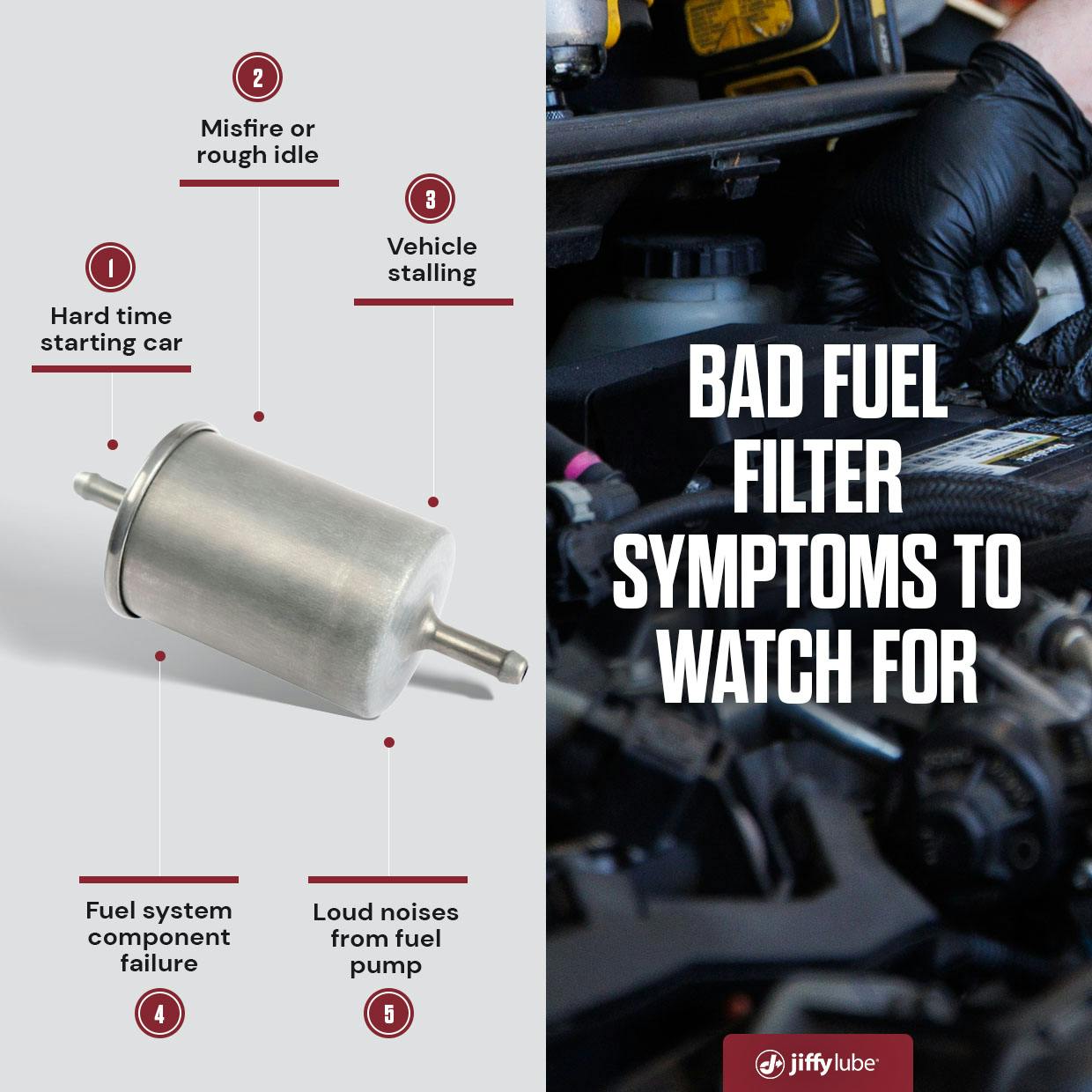
A clogged fuel filter can cause many problems in your vehicle. It blocks the flow of fuel to the engine. This makes the engine work harder and less efficient. Knowing the signs helps to catch the problem early. It can save you from costly repairs and breakdowns.
Reduced Engine Performance
The engine may feel weak or slow. It may not accelerate as it used to. The car might hesitate or stall during driving. This happens because the engine is not getting enough fuel. A clogged filter limits the fuel supply and lowers power.
Starting Issues
The car may take longer to start or fail to start. You might hear the engine trying to turn over but not firing. This means the fuel is not reaching the engine properly. A dirty fuel filter can stop the fuel flow entirely.
Unusual Engine Noises
The engine may make strange sounds like sputtering or coughing. These noises happen when the fuel supply is uneven. The clogged filter causes the engine to struggle and make noises. It is a clear sign to check the fuel filter soon.
Tools Needed For Inspection
Checking a fuel filter requires the right tools. These tools help you inspect the filter safely and correctly. Without proper tools, the job can be hard or unsafe. Prepare these tools before starting your inspection.
Basic Hand Tools
You will need some basic hand tools to remove and check the fuel filter. A wrench or socket set helps loosen the filter fittings. Screwdrivers may be necessary to remove clamps or covers. Pliers are useful for handling small clips or hoses. Have a container ready to catch any fuel that may spill. Clean rags help wipe off dirt and fuel from parts.
Safety Equipment
Safety is important when checking a fuel filter. Wear safety glasses to protect your eyes from fuel splashes. Gloves keep your hands clean and safe from fuel and dirt. Work in a well-ventilated area to avoid inhaling fuel fumes. Keep a fire extinguisher nearby for emergencies. Proper safety gear helps prevent accidents and keeps you safe.
Locating The Fuel Filter
Finding the fuel filter is the first step in checking it. Knowing its exact location helps you inspect or replace it easily. Fuel filters can be in different spots depending on the vehicle model. Some are simple to reach, while others need more effort.
Understanding where the fuel filter sits keeps you safe and saves time. It also prevents damage to other parts during the check. Let’s explore how to find the fuel filter quickly and correctly.
Check Vehicle Manual
The vehicle manual is the best guide to locate the fuel filter. It provides clear details about its position and type. Manuals often include pictures or diagrams to help you understand.
Look under sections like “Fuel System” or “Maintenance.” The manual tells if the filter is inside the fuel tank or outside. This information is key before starting any work on your vehicle.
Common Fuel Filter Locations
Fuel filters usually sit in a few common places on a vehicle. Many are near the fuel tank under the car. Others fit along the fuel line between the tank and engine.
Some filters hide inside the engine bay, close to the fuel injectors. Older cars may have a small canister-style filter mounted on the frame. Knowing these spots helps you find the filter without guesswork.
Step-by-step Fuel Filter Check
Checking your fuel filter is important for your vehicle’s health. A clean filter helps the engine run smoothly. Follow these clear steps to check your fuel filter safely and easily. This guide makes the process simple for anyone.
Relieve Fuel System Pressure
Start by stopping the engine. Open the fuel cap to release pressure. Find the fuel pump fuse and remove it. Turn the engine on and let it run until it stops. This step avoids fuel spray when removing the filter.
Remove The Fuel Filter
Locate the fuel filter under the car or near the engine. Use gloves to protect your hands. Loosen the clamps or bolts holding the filter. Carefully pull out the filter from the fuel lines. Be ready with a container to catch any spilled fuel.
Inspect The Filter Condition
Look inside the fuel filter for dirt and debris. Check for cracks or damage on the filter body. If the filter looks dirty or clogged, it needs replacing. Clear and clean filters allow fuel to flow smoothly.
Reinstall Or Replace The Filter
Put the filter back or install a new one in the same position. Tighten clamps or bolts securely. Reinstall the fuel pump fuse. Close the fuel cap and start the engine. Check for leaks and listen for any unusual sounds.
When To Replace The Fuel Filter
Knowing when to replace the fuel filter is important for your vehicle’s health. A clean fuel filter ensures that the engine runs smoothly. It stops dirt and debris from entering the fuel system. Replacing the fuel filter at the right time prevents costly repairs. Here are clear signs and guidelines to help you decide when to change it.
Mileage Recommendations
Most car makers suggest changing the fuel filter every 20,000 to 40,000 miles. This range varies by vehicle type and fuel quality. Check your owner’s manual for specific advice. Sticking to this schedule helps keep your engine clean. It also improves fuel efficiency and engine power.
Signs Of Damage Or Contamination
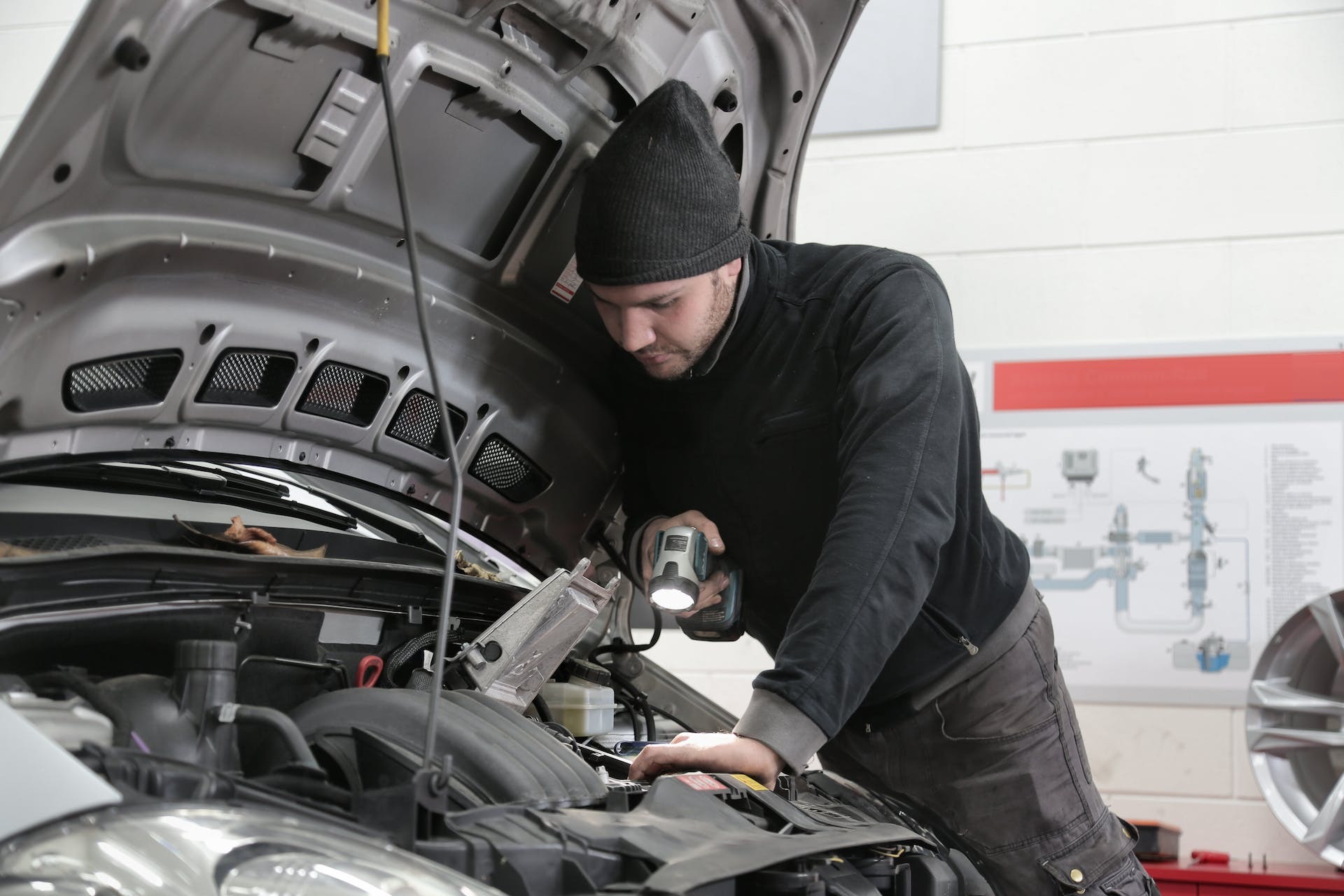
Look out for slow engine start or frequent stalling. These can mean the fuel filter is clogged. A rough idle or poor acceleration also signals a bad fuel filter. Dark or dirty fuel can harm the filter over time. Any visible damage or leaks means immediate replacement is needed. Ignoring these signs risks engine damage and poor performance.
Credit: www.liftsupportsdepot.com
Tips For Maintaining Fuel Filter Health
Keeping your fuel filter in good shape helps your engine run smoothly. A clean fuel filter stops dirt and rust from reaching the engine. This prevents damage and saves money on repairs. Follow simple steps to keep your fuel filter healthy and your car reliable.
Use Quality Fuel
Always choose good quality fuel for your vehicle. Cheap or dirty fuel can clog the filter quickly. High-quality fuel contains fewer impurities. This reduces the load on the fuel filter. Using clean fuel helps the filter last longer. It also improves your car’s performance and fuel efficiency.
Regular Vehicle Maintenance
Check your fuel filter during routine car maintenance. Follow the manufacturer’s schedule for filter replacement. A clogged filter can reduce engine power and cause poor fuel economy. Regular checks catch problems early. Replace the filter before it causes engine trouble. Clean fuel filters keep your car running strong and smooth.

Credit: www.youtube.com
Frequently Asked Questions
How Often Should You Check A Fuel Filter?
You should check your fuel filter every 20,000 to 30,000 miles. Regular checks prevent clogging and engine problems. Always follow your vehicle’s maintenance schedule for best results.
What Are Signs Of A Clogged Fuel Filter?
Common signs include engine misfires, reduced power, stalling, and poor acceleration. A clogged fuel filter restricts fuel flow, causing these performance issues. Early detection saves costly repairs.
Can You Check A Fuel Filter Without Removing It?
Yes, you can inspect the fuel filter visually for dirt or damage. Some filters have transparent housings. However, a thorough check may require removal and replacement if clogged.
What Tools Do You Need To Check A Fuel Filter?
Basic tools include wrenches, screwdrivers, and safety gloves. A fuel pressure gauge helps test fuel flow. Always consult your vehicle manual for specific tool requirements.
Conclusion
Checking your fuel filter keeps your engine running smoothly. Dirt and debris can block fuel flow and harm your car. Regular checks help catch problems early and save money on repairs. Use simple steps and tools to inspect the filter carefully.
A clean fuel filter means better performance and longer engine life. Stay safe by doing this task regularly or ask a mechanic for help. Small efforts now prevent big issues later. Keep your vehicle healthy with easy fuel filter checks.

