

Have you ever wondered how long your brake pads and rotors actually last? Knowing the answer can save you from unexpected repairs and keep your car running safely.
Your brakes are one of the most important parts of your vehicle—they protect you every time you hit the road. But how do you know when it’s time to replace them? You’ll discover clear signs to watch for and simple tips to extend the life of your brakes.
Keep reading, and take control of your car’s safety today.
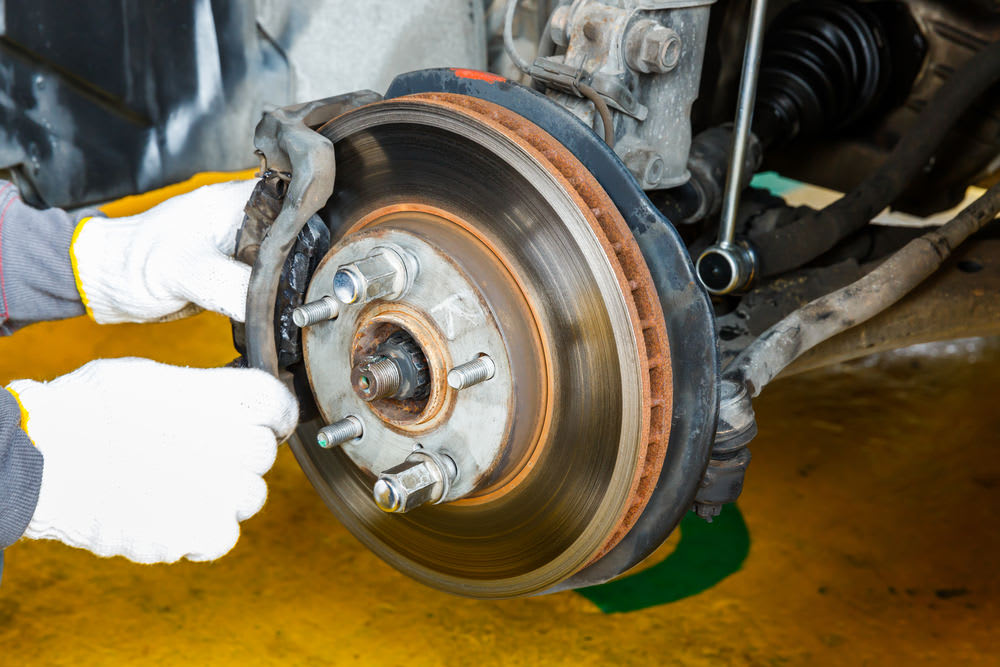
Credit: www.yourmechanic.com
Brake Pads Lifespan
Brake pads are a key part of your car’s braking system. They press against the rotors to stop your vehicle. Knowing how long brake pads last helps keep you safe on the road. Their lifespan depends on several factors like driving habits and pad type. Proper care can extend their life and avoid costly repairs.
Factors Affecting Brake Pad Durability
Driving style greatly affects brake pad wear. Hard braking wears pads faster. City driving with frequent stops uses pads more quickly than highway driving. Road conditions also matter. Dusty or hilly areas cause more wear. The car’s weight and brake system design play a role too. Regular brake inspections help spot early wear.
Types Of Brake Pads And Their Longevity
There are three main types of brake pads. Organic pads are soft and quiet but wear out faster. Semi-metallic pads last longer and offer good performance. Ceramic pads are the most durable and produce less dust. Each type suits different driving needs and budgets. Choosing the right pad affects how long they last.
Signs Of Worn Brake Pads
Squealing or screeching noises often mean pads are worn. A longer stopping distance is another sign. If the brake pedal feels soft or spongy, check the pads. Vibration or pulsation when braking shows uneven wear. Spotting these signs early can prevent damage to rotors and ensure safe driving.
Rotor Lifespan Insights
Brake rotors play a key role in vehicle safety and performance. Understanding their lifespan helps drivers maintain braking efficiency and avoid costly repairs. Rotor life varies based on several factors like material, driving style, and road conditions. Knowing when and why rotors wear out can save time and money.
Regular checks keep your car safe on the road. Below are insights into rotor lifespan and signs to watch for replacement.
Material Differences In Rotors
Rotors come in various materials that affect their durability. Cast iron rotors are common and affordable but wear faster. Steel rotors last longer but cost more. Some high-performance cars use carbon-ceramic rotors. These last the longest and handle heat well. Material choice impacts how often rotors need changing.
Common Causes Of Rotor Wear
Heat build-up from frequent braking causes rotors to wear out. Hard braking or driving downhill often increases wear. Dirt and rust also damage rotors over time. Poor brake pad quality can cause uneven rotor wear. Worn-out pads may damage rotors quickly. Regular maintenance reduces these risks.
When To Replace Brake Rotors
Check rotors for grooves, cracks, or warping. Vibrations while braking signal rotor problems. Brake noise or a longer stopping distance are warning signs. Most rotors last between 30,000 and 70,000 miles. Always follow your vehicle’s service guide for specific advice. Timely replacement keeps brakes safe and effective.
Driving Habits And Their Impact
Driving habits play a big role in how long brake pads and rotors last. Different ways of driving cause different levels of wear and tear. Simple changes in how you drive can help your brakes last longer. Understanding these effects can save money and keep your car safe.
City Vs Highway Driving
City driving involves frequent stops. Traffic lights and stop signs force constant braking. This wears down brake pads faster. Rotors also heat up more in stop-and-go traffic. Highway driving means steady speeds with less braking. Brakes last longer on highways because they are used less often. The constant slowing and stopping in cities reduce brake life.
Aggressive Braking Effects
Hard braking puts extra stress on brakes. It causes pads and rotors to wear quickly. The heat from sudden stops can warp rotors. Frequent aggressive braking can lead to costly repairs. Gentle braking saves brake parts and improves safety. Slowing down smoothly helps brakes last much longer.
Influence Of Terrain And Weather
Hilly or mountainous roads require more braking. Going downhill means brakes work harder to control speed. This wears pads and rotors faster than flat roads. Wet or icy weather makes braking less effective. Drivers often brake harder in slippery conditions. This increases brake wear and can damage parts over time. Dry and smooth roads help brakes last longer.
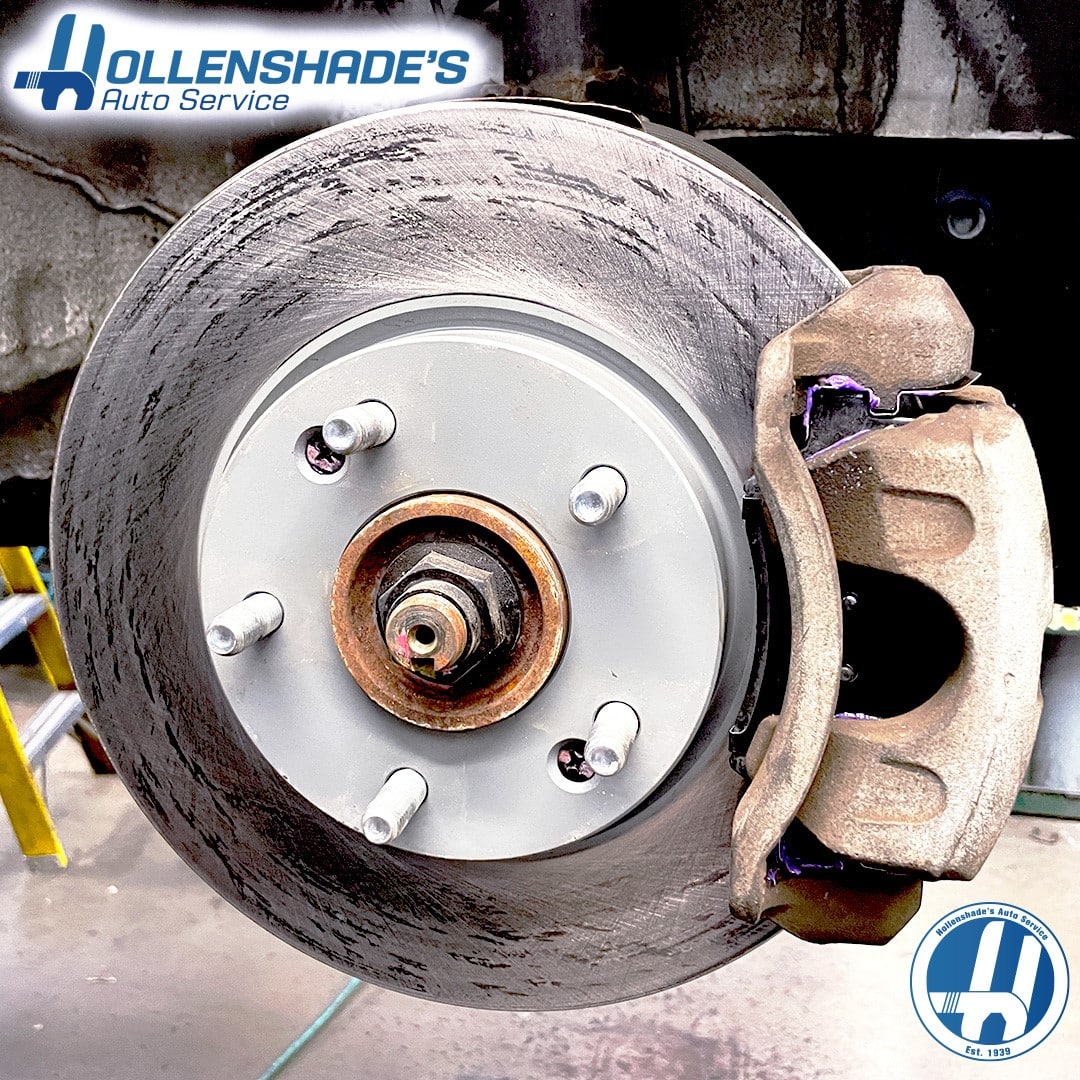
Credit: www.hollenshades.com
Maintenance Tips To Extend Life
Proper maintenance helps brake pads and rotors last longer. Simple care can save money and keep driving safe. Follow these tips to extend their life and avoid early replacements.
Regular Inspections And Cleaning
Check brake pads and rotors regularly for wear or damage. Clean off dirt and dust to prevent rough braking. Use a soft brush and brake cleaner. Avoid harsh chemicals that can harm parts.
Brake Fluid Importance
Brake fluid keeps the brake system working well. Change it every 1 to 2 years or as the car manual says. Old fluid can cause corrosion and reduce brake power. Use the correct type of fluid for your vehicle.
Proper Bedding-in Procedures
New brake pads and rotors need bedding-in. Drive slowly and brake gently at first. This helps the pads and rotors fit together well. Avoid hard stops during the first 200 miles. Proper bedding reduces noise and improves brake life.
Costs And Replacement Considerations
Brake pads and rotors wear down with use and need replacement. Understanding the costs helps you plan your car maintenance budget. Costs depend on parts quality, vehicle type, and labor fees. Choosing the right service option can save money and time.
Brake Pad Replacement Costs
Brake pad prices vary from $30 to $100 per set. Budget pads cost less but may wear faster. Premium pads offer better performance and last longer. Labor charges usually add $80 to $150 to the total. Replacing brake pads on all wheels costs more than just one axle.
Rotor Replacement Expenses
Rotors cost between $30 and $75 each, depending on material and size. Some vehicles need special rotors that cost more. Labor for rotor replacement ranges from $100 to $200. Sometimes, rotors can be resurfaced instead of replaced. Resurfacing saves money but works only if rotors are not too worn.
Diy Vs Professional Services
Doing brake work yourself cuts labor costs. It requires tools and basic mechanical skills. Mistakes can cause safety risks or damage. Professionals offer fast and reliable service. They ensure correct installation and safety checks. Choose DIY only if confident and knowledgeable about brakes.
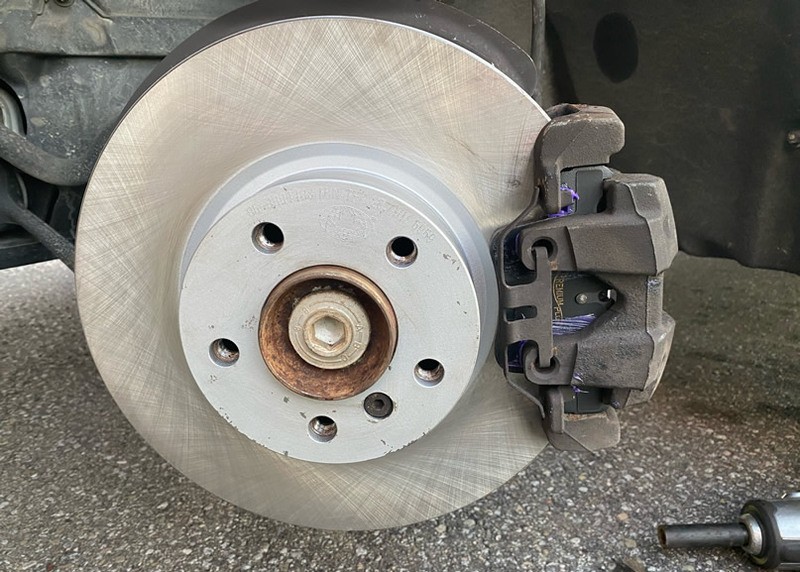
Credit: www.allrotors.com
Frequently Asked Questions
How Long Do Brake Pads Usually Last?
Brake pads typically last between 30,000 to 70,000 miles. Factors like driving style and road conditions affect their lifespan. Regular inspections help ensure timely replacement and safety.
When Should Brake Rotors Be Replaced?
Brake rotors usually need replacement every 50,000 to 70,000 miles. Signs like vibration or scoring indicate rotor wear. Proper maintenance extends rotor life and improves braking performance.
Can Brake Pads And Rotors Wear Out Together?
Yes, brake pads and rotors often wear out simultaneously. Worn pads can damage rotors, requiring both to be replaced. Replacing both ensures optimal braking efficiency and safety.
What Affects Brake Pad And Rotor Lifespan?
Driving habits, road conditions, and vehicle type impact brake pad and rotor lifespan. Frequent hard braking or hilly terrain causes faster wear. Regular maintenance maximizes their durability.
Conclusion
Brake pads and rotors wear down over time with use. Most brake pads last between 30,000 to 70,000 miles. Rotors often last longer but may need replacing after 50,000 miles or more. Driving habits and road conditions affect their lifespan too.
Regular checks help catch wear early. Listen for squeaks or vibrations while braking. Timely replacements keep your vehicle safe and smooth. Taking care of brakes saves money and stress later. Stay aware and don’t ignore brake signs. Your safety depends on well-maintained brakes.


