

Have you ever noticed stubborn car wax stuck on your plastic parts and wondered how to get it off without damaging the surface? Removing wax from plastic can be tricky, but with the right steps, you can restore your car’s look quickly and safely.
You’ll discover simple, effective methods to wipe away that unwanted wax and keep your plastic parts shining like new. Ready to learn how? Keep reading, and say goodbye to frustrating wax spots for good.
Causes Of Wax Residue On Plastic
Wax residue on plastic parts of a car can be frustrating. It often leaves a cloudy or sticky layer that spoils the look of the plastic. Understanding why wax sticks to plastic helps in removing it easily and preventing future buildup.
Plastic surfaces differ from metal or glass. They can attract wax in ways you might not expect. The causes of wax residue vary, from the type of wax used to how it is applied.
Type Of Wax Used
Some waxes are made for metal and paint, not plastic. These waxes often contain oils that stick to plastic surfaces. This causes a thick, greasy residue that is hard to clean.
Application Method
Applying wax with a cloth or sponge can leave uneven layers. Wax can drip or spread onto plastic parts nearby. This happens especially near bumpers, trim, or lights.
Surface Texture Of Plastic
Plastic parts often have rough or porous textures. These textures trap wax particles easily. The rougher the plastic, the more wax it holds.
Environmental Factors
Sunlight and heat cause wax to melt and spread. Dust and dirt mix with wax, making it sticky. Rain or washing can spread wax residue on plastic.
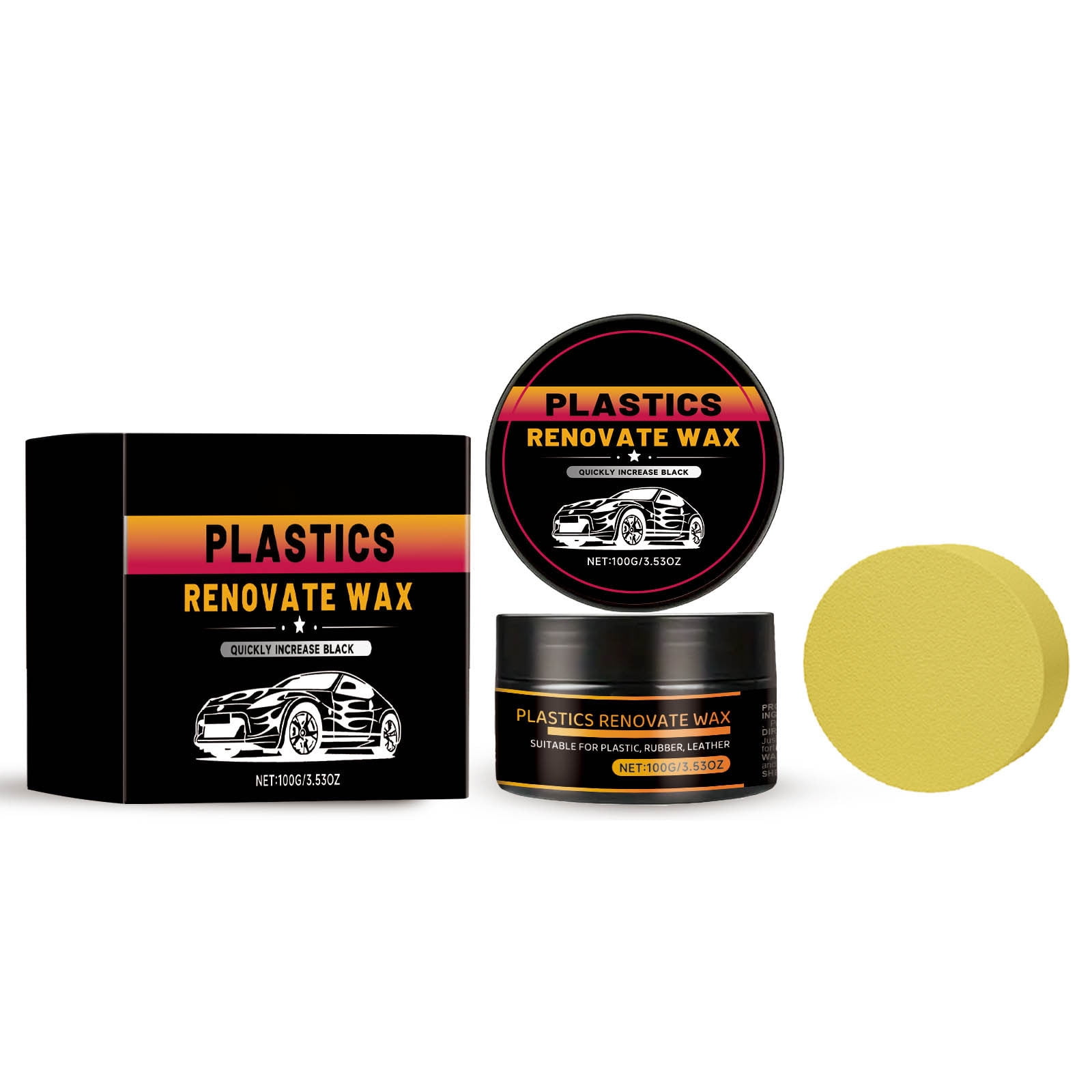
Credit: www.walmart.com
Risks Of Leaving Wax On Plastic Parts
Leaving car wax on plastic parts can cause several problems. Wax is designed for painted metal surfaces, not plastic. It can harm the plastic and affect your vehicle’s look and function.
Wax residue on plastic parts can attract dirt and dust. This makes cleaning harder and leaves the plastic looking dull. Over time, the wax can build up and create a sticky, uneven surface.
Surface Damage And Discoloration
Wax can cause plastic to discolor or fade. Chemicals in wax may react with the plastic’s surface. This reaction can lead to yellowing or cloudy patches that are hard to fix.
Repeated exposure to wax can weaken plastic. It may become brittle and crack. This reduces the lifespan of the plastic parts.
Reduced Functionality Of Plastic Parts
Wax buildup can interfere with plastic parts that move or fit together. Hinges, clips, and seals may stick or not work well. This can cause rattling noises or loose fittings.
Wax residue can also affect sensors and lights on plastic housings. It may block signals or reduce brightness. This creates safety risks while driving.
Difficulty In Cleaning And Maintenance
Wax on plastic parts makes cleaning more difficult. Dirt clings to the wax, making it harder to remove. Using harsh cleaners to fix this can damage plastic further.
Regular removal of wax keeps plastic surfaces smooth and clean. This helps maintain the car’s appearance and value over time.
Tools And Materials Needed
Essential tools include a soft cloth, plastic scraper, and mild soap. Gather materials like warm water and a gentle cleaner. These items help remove wax safely from plastic surfaces.
Cleaning Cloths
Soft cleaning cloths are essential. Use microfiber cloths to avoid scratches. They help remove wax gently from plastic surfaces. Avoid rough fabrics that can damage the plastic.
Plastic-safe Cleaner
Choose a cleaner made for plastic parts. It should dissolve wax without harming the material. Look for mild, non-abrasive formulas. Avoid harsh chemicals that can cause discoloration.
Warm Water
Warm water helps loosen wax residue. Use it to wet cloths before wiping. It softens the wax, making removal easier. Do not use hot water to avoid warping plastic.
Soft Brush
A soft-bristled brush reaches tight spots. It removes wax from grooves and edges. Use gently to prevent scratching. Ideal for textured or hard-to-reach areas.
Plastic Polish (optional)
Plastic polish restores shine after cleaning. It removes minor scratches and dullness. Use only if necessary for a smooth finish. Follow product instructions carefully.
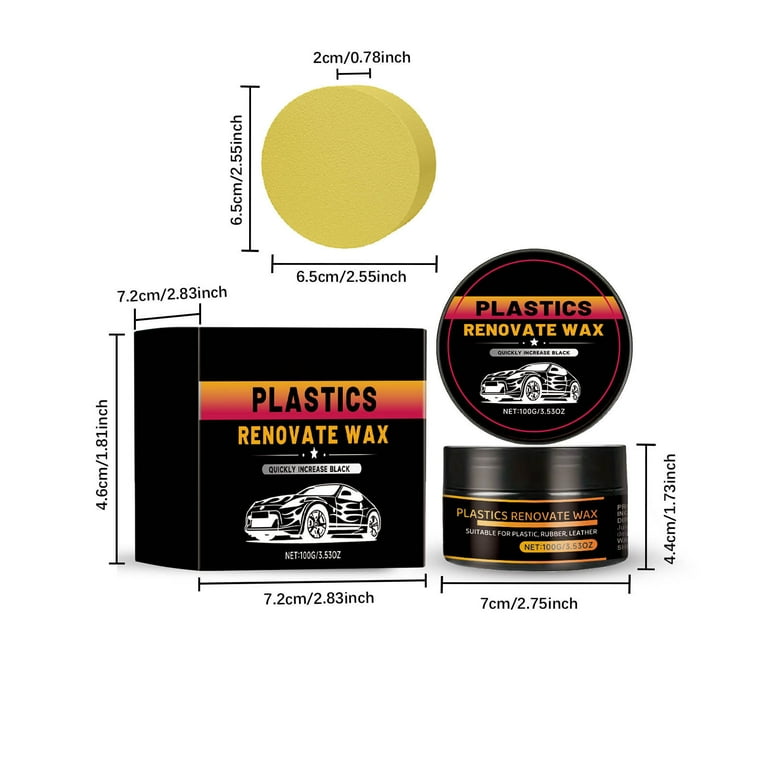
Credit: www.walmart.com
Step-by-step Wax Removal Process
Removing car wax from plastic parts requires care and the right steps. This process helps keep plastic clean and undamaged. Follow these simple steps for the best results.
Initial Cleaning With Soap And Water
Start by washing the plastic with mild soap and warm water. Use a soft cloth to avoid scratching. This step removes dirt and loose wax bits. Rinse well and dry the surface before the next step.
Using Plastic-safe Solvents
Choose a solvent that is safe for plastic, like isopropyl alcohol or specialized cleaners. Apply a small amount on a soft cloth. Gently rub the wax spots until they begin to lift. Avoid harsh chemicals that can damage plastic.
Applying Heat For Softening Wax
Use a hairdryer on low heat to warm the wax. Heat makes the wax soft and easier to remove. Keep the dryer moving to prevent melting the plastic. Stop heating as soon as the wax starts to soften.
Gentle Scraping Techniques
Use a plastic scraper or a credit card to lift softened wax. Work slowly and carefully to avoid scratching. Remove wax pieces bit by bit. Wipe the area clean with a soft cloth afterward.
Homemade Wax Removal Remedies
Removing car wax from plastic parts can be tricky. Commercial products work well but may cost more. Homemade remedies offer safe, effective, and budget-friendly options. These simple solutions use common household items to dissolve wax without harming plastic.
Vinegar Solutions
White vinegar is acidic and breaks down wax easily. Mix equal parts of vinegar and water. Apply the solution to the plastic part using a soft cloth. Gently rub the area until the wax softens and lifts away. Rinse with clean water and dry with a towel. Vinegar is safe for most plastics but test on a small spot first.
Baking Soda Paste
Baking soda gently scrubs off wax without scratching plastic. Make a paste using baking soda and a small amount of water. Spread the paste over the waxed area. Use a soft cloth or sponge to rub the paste in circular motions. Rinse thoroughly and dry the surface. This method removes wax and cleans residue at the same time.
Rubbing Alcohol
Rubbing alcohol dissolves wax quickly and evaporates fast. Dampen a cloth with rubbing alcohol and rub the waxed plastic gently. Avoid soaking the plastic to prevent damage. Wipe away the melted wax with a clean cloth. Finish by rinsing with water and drying. Use this remedy carefully on painted plastic parts.
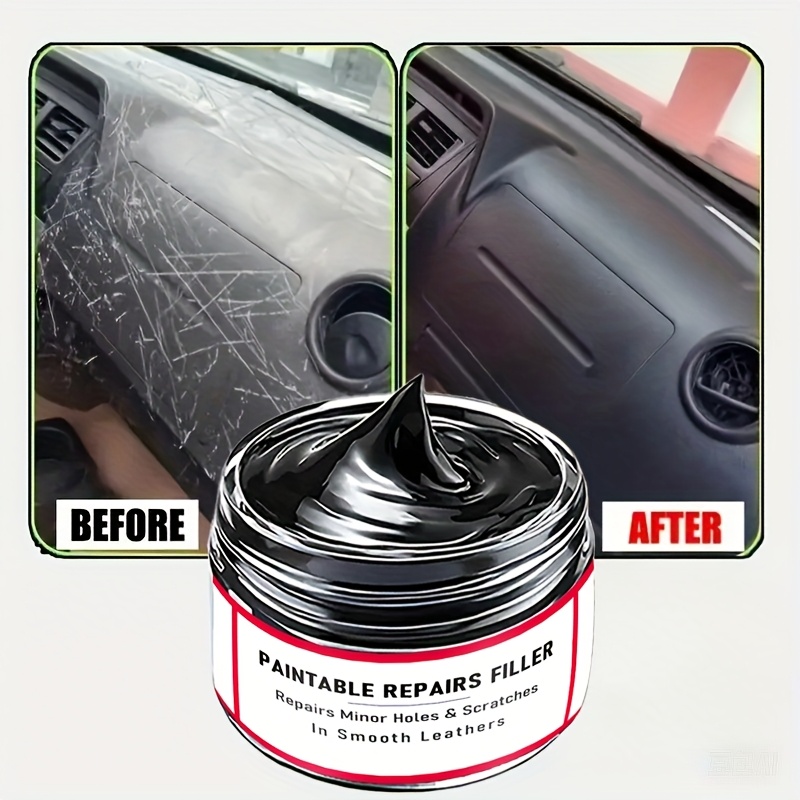
Credit: www.temu.com
Preventing Wax Build-up On Plastic
Preventing wax build-up on plastic parts is essential for keeping your car looking clean. Wax can stick to plastic and cause a cloudy, uneven surface. Regular cleaning helps, but smart application and protection work best to stop wax from settling.
Taking small steps during waxing saves time and effort later. Plastic parts need special care to avoid damage and buildup. Follow simple tips to protect these areas and keep them clear of wax residue.
Proper Wax Application Tips
Apply wax carefully to avoid contact with plastic parts. Use a soft cloth and apply wax in thin layers. Avoid overloading your applicator with wax. This helps prevent drips and spots on plastic surfaces.
Cover painted areas first. Then, clean any wax that touches plastic immediately. Use gentle circular motions when waxing near plastic. This reduces the chance of wax sticking and building up.
Protective Coatings For Plastics
Use a clear plastic sealant to protect plastic parts. These coatings create a barrier that stops wax from sticking. They also help plastic resist dirt and UV damage.
Apply protective coatings regularly to maintain plastic clarity. Choose products made for automotive plastics. This ensures safe and effective protection.
When To Seek Professional Help
Removing car wax from plastic parts can be tricky. Sometimes, the wax sticks too well or damages the plastic. That’s the moment to think about professional help. Experts have tools and knowledge to fix tough wax stains safely. They can protect your car’s plastic parts from scratches and discoloration.
Not all wax removal jobs are simple. Some situations need special care. Professionals know the right methods and products to use. They avoid causing more harm during the cleaning process. Choosing help can save time and prevent costly repairs.
Severe Wax Buildup
Thick layers of wax are hard to remove alone. Scraping or rubbing too hard can scratch plastic surfaces. Professionals use safe solvents and tools to dissolve wax. They handle buildup without damaging your car.
Plastic Damage Or Discoloration
Wax removal sometimes causes plastic to fade or crack. Professionals can restore plastic parts carefully. They use techniques to fix or reduce damage. This keeps your car looking good longer.
Uncertain About Cleaning Products
Many cleaners can harm plastic parts. Choosing wrong products may worsen the problem. Experts know which products are safe and effective. Trusting their advice avoids unwanted side effects.
Time Constraints
Cleaning wax can take hours. Professionals work faster with proper tools. Hiring help frees your time for other tasks. They ensure thorough and quick wax removal.
Frequently Asked Questions
How Can I Safely Remove Car Wax From Plastic Parts?
Use a mild plastic-safe cleaner and a soft microfiber cloth. Gently rub the waxed area in circular motions. Avoid harsh chemicals that can damage plastic surfaces.
What Household Items Remove Car Wax From Plastic?
Isopropyl alcohol or vinegar diluted with water can help remove wax. Apply with a soft cloth and rub gently to avoid scratches.
Can I Use Wd-40 To Remove Car Wax On Plastic?
Yes, WD-40 can dissolve car wax on plastic parts. Spray lightly, wipe with a clean cloth, then wash the area with soap and water.
How To Prevent Wax Buildup On Plastic Parts?
Regularly clean plastic surfaces with mild soap and water. Avoid applying wax directly on plastic to prevent buildup and difficult removal later.
Conclusion
Removing car wax from plastic parts does not have to be hard. Use gentle cleaners and soft cloths for best results. Avoid strong chemicals that can damage plastic surfaces. Take your time and be patient while cleaning. Clean plastic parts often to stop wax build-up.
Following these tips helps keep your car looking neat and fresh. Simple care makes a big difference in the long run. Now, your plastic parts can shine without wax stains.

