

You just got a new car, and you want to keep it looking shiny and fresh for years to come. But how often do you really need to wax your new car?
Too often, people either wax too much or not enough, which can affect the paint’s health and your car’s appearance. If you want to protect your investment and keep your ride turning heads, understanding the right waxing routine is key.
Keep reading to discover the simple steps that will make your car’s finish last longer and look better every day.
Credit: ethoscarcare.com
Importance Of Waxing
Waxing a new car is more than just making it look good. It plays a key role in keeping the car’s paint healthy and bright. Regular waxing helps maintain the car’s fresh, shiny look for a long time. It acts as a shield against many things that can harm the paint.
Protecting The Paint
Wax creates a strong barrier on the car’s surface. This barrier stops dirt, dust, and pollution from sticking. It also protects against harmful UV rays that can fade the paint. Wax helps prevent water spots and rust. This keeps the paint smooth and fresh for years.
Enhancing Shine
Wax brings out the car’s natural color. It makes the paint look deep and glossy. The shine from waxing makes the car stand out on the road. It gives the car a clean, polished look that lasts. A shiny car always looks newer and well cared for.
Preventing Damage
Wax lowers the risk of scratches and swirl marks. It softens the impact of small scratches from dust or keys. Wax also helps stop stains from bird droppings and tree sap. These stains can damage paint if left too long. Waxing keeps the car’s surface strong and safe.
Factors Influencing Waxing Frequency
Waxing a new car keeps its paint shiny and protected. The frequency depends on several important factors. These factors help decide how often to apply wax. Understanding them can save time and effort. It also keeps the car looking fresh for longer.
Car Usage And Exposure
How often you drive affects waxing needs. Daily driving means more dirt and dust. Cars parked outside face dust, bird droppings, and tree sap. These elements wear down wax faster. A car used only on weekends may need less waxing. Frequent washing also removes wax layers. Waxing protects paint from daily wear and tear.
Climate And Weather Conditions
Weather plays a big role in waxing frequency. Hot sun causes paint to fade and wax to break down. Rain and snow wash away wax faster. Salt from winter roads damages the car’s finish. Humid climates can cause mold or mildew on paint. Dry and dusty areas wear wax quicker. The harsher the weather, the more often wax is needed.
Type Of Wax Used
Different waxes last for different times. Carnauba wax gives a deep shine but wears off sooner. Synthetic waxes protect longer and resist weather better. Liquid wax is easier to apply but may not last as long. Paste wax often provides longer protection but takes more work. Choosing the right wax affects how often you wax your car.
Recommended Waxing Schedule
Waxing your car keeps its paint shiny and safe. It forms a layer that protects from dirt and sun. The right waxing schedule depends on how you use your car and where you live. Follow these simple tips to keep your new car looking great.
For New Cars
New cars often have a factory wax coat. This layer lasts about three months. After that, apply wax to keep the shine fresh. Waxing every three to four months works well. It helps protect the paint from dust and light scratches.
For Regular Use
Cars used daily need more care. Dust, rain, and pollution can wear off wax. Wax your car every two to three months. This keeps the paint safe and the shine bright. Regular waxing also makes washing easier.
For Harsh Environments
Harsh weather wears out wax faster. Sun, salt, and dirt damage the paint quickly. Wax your car every month in these conditions. More frequent waxing keeps the paint strong. It prevents fading and rust from starting.

Credit: www.bowmanchevy.com
Signs Your Car Needs Waxing
Knowing when to wax your new car is key to keeping its shine. Wax protects your paint and keeps your car looking fresh. Watch for signs that tell you it is time to wax again. These signs help you avoid damage and dullness.
Dull Appearance
Your car loses its shine over time. The paint looks flat and less bright. This dullness means the wax layer has worn off. Wax adds a glossy finish that catches the light. When the shine fades, it is time to wax.
Water Beading Loss
Wax causes water to bead on your car’s surface. Drops form small balls and roll off easily. If water spreads flat instead of beading, wax protection is gone. This loss means dirt and moisture can stick to the paint. Wax again to restore water beading.
Surface Contaminants
Dirt, dust, and bugs stick more without wax. These contaminants can harm your paint. Wax creates a barrier that helps wash away grime. If your car feels rough or looks dirty after rain, it may lack wax. Regular waxing keeps the surface smooth and clean.
Choosing The Right Wax
Choosing the right wax for your new car is important. It protects the paint and keeps the car shiny. Not all waxes are the same. Knowing the differences helps you pick the best one.
Natural Vs Synthetic Waxes
Natural waxes come from carnauba, a plant-based material. They give a deep shine and warm glow. Synthetic waxes are made in labs. They last longer and offer stronger protection. Natural waxes look great but wear off faster. Synthetic waxes protect better in harsh weather.
Liquid, Paste, Or Spray
Paste wax is thick and needs more effort to apply. It lasts longer and gives a rich shine. Liquid wax is easier to spread and dries faster. Spray wax is the quickest to use. It is good for touch-ups but does not last long. Choose based on how much time you have.
Durability And Protection
Durability depends on wax type and weather conditions. Synthetic waxes usually protect for 2 to 3 months. Natural waxes may last 4 to 6 weeks. Protection means shielding paint from sun, rain, and dirt. Regular waxing keeps the car looking new and fresh.

Credit: lambencydetailing.com
Waxing Tips For Best Results
Waxing your new car helps keep its paint shiny and protected. Doing it right makes the wax last longer. Follow simple tips to get the best results. Proper preparation, careful application, and regular care keep your car looking fresh.
These steps save you time and effort. They also improve the wax’s effect. Here are easy tips to help your car shine.
Preparation Steps
Start with a clean car. Wash it well to remove dirt and dust. Dry the surface completely. Check the paint for scratches or spots. Fix small issues before waxing. Work in a shaded area. Sunlight can cause the wax to dry too fast. Make sure the car surface is cool to touch.
Application Techniques
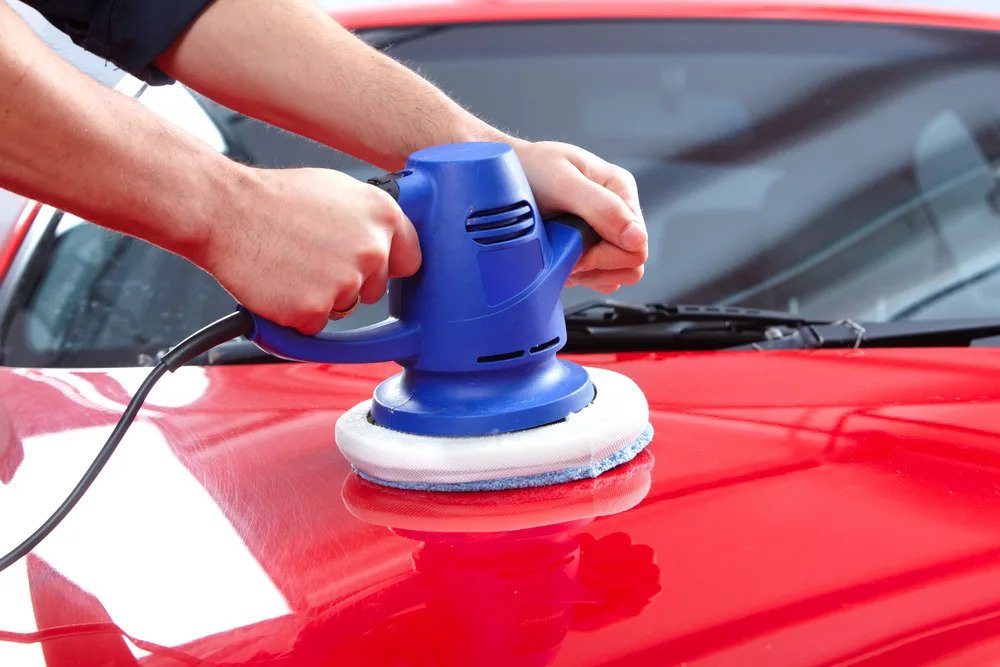
Use a soft applicator pad or foam. Apply wax in small, circular motions. Cover one section at a time. Thin, even layers work best. Let the wax dry until it feels hazy. Avoid thick layers that are hard to remove. Use a clean microfiber cloth to buff the wax off. Buff gently to avoid scratches. Move in straight lines for a smooth finish.
Maintenance Between Waxes
Wash your car regularly to keep wax fresh. Use gentle car shampoo instead of harsh detergents. Avoid automatic car washes with strong brushes. Wipe off bird droppings and tree sap quickly. These can damage the wax and paint. Apply a quick detailer spray to boost shine between waxes. Check your car’s surface monthly for signs of wear.
Frequently Asked Questions
How Often Should You Wax A New Car?
Wax a new car every three to four months. This frequency protects the paint and maintains shine. Regular waxing prevents damage from UV rays and contaminants. Adjust based on your climate and car usage.
Does New Car Paint Need Waxing Immediately?
New car paint usually has a factory sealant. However, waxing after 3 months enhances protection and gloss. Avoid waxing too soon to let the paint cure fully.
Can Waxing Improve New Car Paint Durability?
Yes, waxing adds a protective layer. It shields against dirt, UV rays, and water spots. Waxing keeps the paint vibrant and extends its lifespan.
What Type Of Wax Is Best For New Cars?
Use a high-quality carnauba or synthetic wax. Carnauba offers deep shine, synthetic provides longer protection. Choose based on your desired finish and durability needs.
Conclusion
Waxing a new car keeps its paint shiny and protected. Aim to wax every three to four months. This schedule helps guard against dirt, sun, and rain damage. Clean your car before waxing for the best results. Remember, regular waxing saves money on repairs later.
Your car will look fresh and last longer. Simple care can make a big difference. Keep up with waxing and enjoy a bright, smooth finish year-round.


