

Have you ever wondered how long your diesel fuel filter can keep your engine running smoothly? Knowing when to replace it can save you from costly repairs and keep your vehicle performing at its best.
You’ll discover exactly how long a diesel fuel filter lasts, why it matters to your engine’s health, and simple signs that tell you it’s time for a change. Keep reading to protect your investment and avoid unexpected breakdowns on the road.
Diesel Fuel Filter Basics
The diesel fuel filter is a small but very important part of your engine. It cleans the fuel before it reaches the engine. Clean fuel helps the engine run better and last longer.
Without a good fuel filter, dirt and rust can clog the fuel system. This causes poor engine performance and can damage parts. Knowing the basics of diesel fuel filters helps you take better care of your vehicle.
Role In Engine Performance
The diesel fuel filter stops dirt, rust, and water from entering the engine. Clean fuel improves combustion and power. A clogged filter can reduce fuel flow. This leads to poor engine performance and higher fuel use.
Replacing the filter on time keeps the engine healthy. It helps avoid costly repairs and breakdowns. The filter is key to smooth and efficient engine running.
Types Of Diesel Fuel Filters
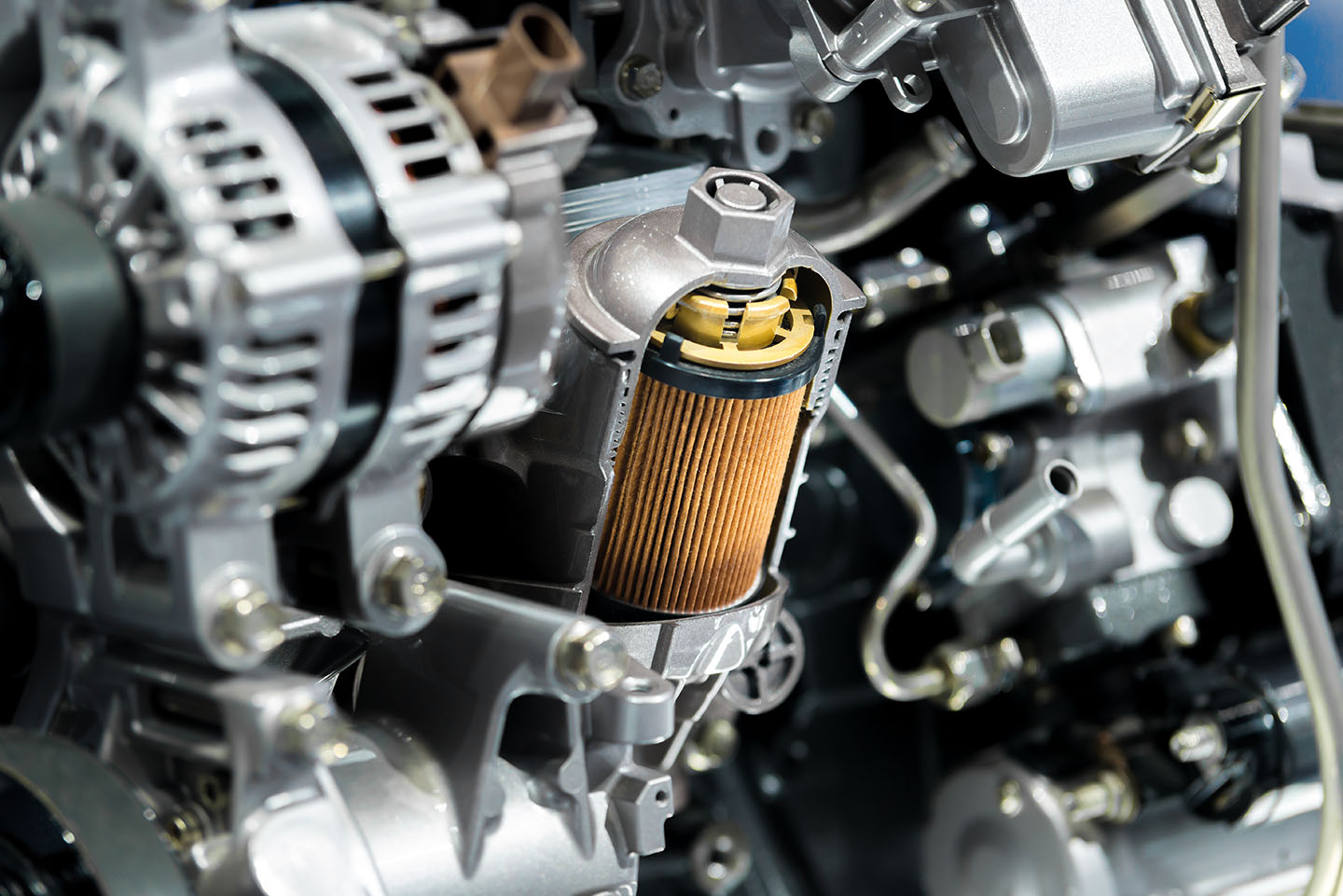
There are different types of diesel fuel filters. The most common are paper, spin-on, and cartridge filters. Paper filters are cheap and easy to replace. Spin-on filters have a metal case and are durable.
Cartridge filters fit inside a housing and are eco-friendly. Some filters also separate water from fuel. Choosing the right filter depends on your engine and fuel quality.
Credit: bostechauto.com
Factors Influencing Filter Lifespan
The lifespan of a diesel fuel filter varies widely. Many factors affect how long it lasts. Understanding these helps keep your vehicle running smoothly.
Fuel filters trap dirt and water from diesel fuel. Over time, they get clogged and need replacement. Several key elements influence this process.
Fuel Quality Impact
Poor fuel quality shortens filter life. Dirt, water, and impurities build up quickly. Clean, high-grade diesel helps the filter last longer. Contaminated fuel forces the filter to work harder.
Driving Conditions
Rough roads and stop-and-go traffic wear filters faster. Frequent short trips prevent fuel from heating properly. This causes more water and debris to collect. Smooth, steady driving extends filter life.
Vehicle Maintenance Habits
Regular maintenance keeps fuel filters healthy. Changing filters on schedule avoids clogs and damage. Ignoring filter changes risks engine problems. Good habits protect your engine and save money.
Typical Lifespan Of Diesel Fuel Filters
Diesel fuel filters clean dirt and water from diesel fuel. They protect the engine and keep it running smoothly. Knowing how long these filters last helps you maintain your vehicle well. The lifespan varies depending on many factors. Understanding typical lifespans helps you plan replacements and avoid problems.
Manufacturer Recommendations
Most manufacturers suggest changing diesel fuel filters every 10,000 to 25,000 miles. This range depends on the vehicle model and fuel quality. Some brands set intervals by months, usually 12 to 24 months. Following these guidelines ensures the filter works at its best. Ignoring them can cause engine damage and reduce fuel efficiency.
Real-world Durability
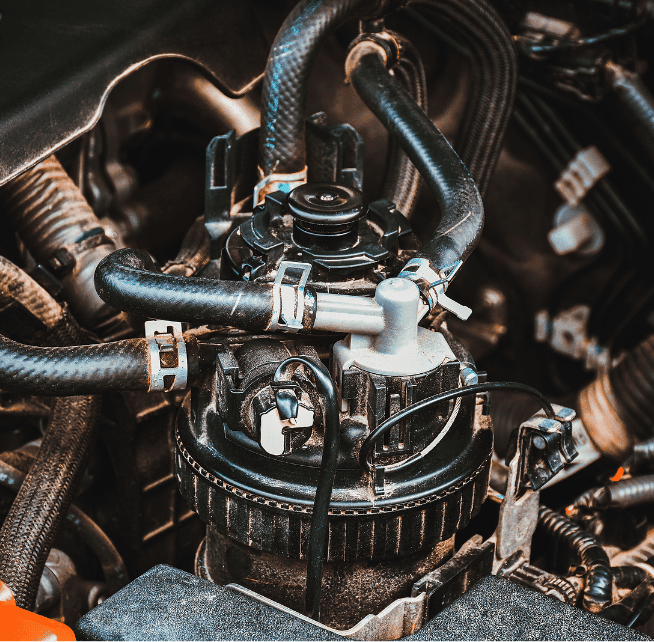
In real life, filter life can be shorter or longer than recommended. Driving conditions affect durability greatly. Dusty roads or poor fuel quality wear filters out faster. Light driving and good fuel can extend filter life. Checking the filter regularly helps catch problems early. Listen for engine trouble or power loss as warning signs.
Credit: branchautomotive.com
Signs Of A Failing Fuel Filter
A diesel fuel filter cleans dirt and debris from the fuel before it reaches the engine. Over time, the filter can become clogged. This causes problems that affect your vehicle’s performance. Recognizing the signs of a failing fuel filter helps you avoid bigger issues.
Engine Performance Issues
A dirty fuel filter restricts fuel flow to the engine. This causes the engine to run rough or lose power. You might notice hesitation or sputtering during acceleration. The engine may also stall during driving or idling.
Fuel Efficiency Drops
A clogged fuel filter forces the engine to work harder. This leads to increased fuel consumption. You may see a sudden drop in miles per gallon. Less efficient fuel use means more visits to the gas station.
Starting Problems
Blocked fuel filters reduce fuel supply to the engine. This makes starting the vehicle difficult. You may hear the engine turn over but fail to start. Sometimes, the vehicle won’t start at all until the filter is changed.
Replacing Your Diesel Fuel Filter
Replacing your diesel fuel filter is essential for maintaining your vehicle’s engine health. A clean filter ensures smooth fuel flow and protects the engine from dirt and debris. Over time, the filter collects contaminants and loses its efficiency. Changing it on time keeps your diesel engine running well and saves you costly repairs later.
When To Replace
Check your vehicle’s manual for the recommended replacement interval. Most diesel fuel filters last between 20,000 and 40,000 miles. Signs like rough idling, poor acceleration, or trouble starting can mean the filter needs changing. Regular replacement prevents clogging, which can reduce fuel efficiency and cause engine damage.
Diy Vs Professional Service
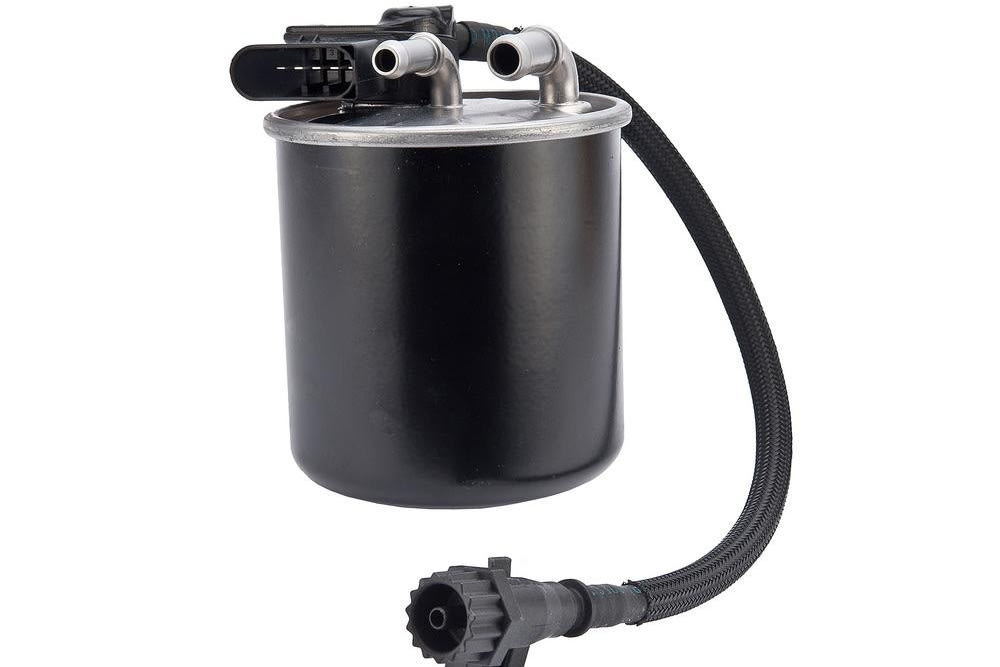
Replacing a diesel fuel filter can be done at home with the right tools and knowledge. It saves money and gives you control over the process. Be careful to avoid fuel spills and follow safety steps. Professional service ensures the job is done quickly and correctly. Experts can spot other issues during the change and offer advice on maintenance.
Credit: www.yourmechanic.com
Tips To Extend Fuel Filter Life
Extending the life of your diesel fuel filter saves money and prevents engine problems. Simple habits help keep the filter clean and efficient. Below are practical tips to make your fuel filter last longer.
Using Quality Fuel
Quality fuel contains fewer impurities. Clean fuel reduces dirt buildup inside the filter. Buying fuel from trusted stations helps avoid contamination. Avoid cheap or unknown fuel sources. Quality diesel protects the filter and engine parts.
Regular Maintenance Checks
Frequent checks spot filter problems early. Inspect the filter for dirt and water. Replace the filter as recommended by the vehicle manual. Regular maintenance ensures smooth fuel flow. It also prevents clogging and engine damage.
Frequently Asked Questions
How Often Should I Replace A Diesel Fuel Filter?
Typically, replace your diesel fuel filter every 20,000 to 40,000 miles. Check your vehicle’s manual for exact intervals. Regular replacement ensures optimal engine performance and prevents fuel contamination issues.
What Signs Indicate A Failing Diesel Fuel Filter?
Common signs include engine misfires, reduced power, rough idling, and difficulty starting. A clogged filter restricts fuel flow, causing these symptoms. Early detection helps avoid costly engine damage.
Can A Dirty Diesel Fuel Filter Affect Fuel Efficiency?
Yes, a clogged fuel filter reduces fuel flow, leading to poor combustion. This results in decreased fuel efficiency and increased emissions. Regular filter changes maintain optimal engine performance.
Is It Necessary To Use Oem Diesel Fuel Filters?
Using OEM filters ensures proper fit and filtration quality. They meet manufacturer specifications, protecting your engine effectively. Aftermarket filters vary in quality and may not provide the same protection.
Conclusion
A diesel fuel filter usually lasts between 10,000 and 25,000 miles. Regular checks help keep your engine running smoothly. Dirty or old filters can cause engine problems and lower fuel efficiency. Changing the filter on time saves money on repairs later.
Always follow your vehicle’s manual for the best replacement schedule. Clean fuel means better performance and longer engine life. Remember, a well-maintained fuel filter protects your diesel engine from damage. Simple care goes a long way. Stay attentive and keep your vehicle healthy.

