

Have you ever wondered how long the Covid virus can survive on your car’s steering wheel? Knowing this can help you protect yourself and your loved ones every time you get behind the wheel.
You might touch the steering wheel dozens of times a day, but do you really know if it’s safe? This article will give you clear, easy-to-understand answers about how long Covid can live on your steering wheel and what simple steps you can take to keep yourself safe.
Keep reading—your health depends on it.

Credit: www.theverge.com
Covid Survival On Surfaces
Covid-19 can stay on surfaces for a time, making it possible to catch the virus by touching them. The length of time the virus lives depends on many things. Understanding how long Covid stays on surfaces helps us take better care.
Virus Lifespan Factors
The virus does not survive the same everywhere. Temperature plays a big role. Warmer places can kill the virus faster. Cooler spots help it live longer. Humidity also changes the virus life. Dry air can reduce its time outside the body. Sunlight, especially UV rays, breaks down the virus quickly. Clean surfaces with no dust or dirt let the virus die sooner. Dirt and grease may protect it, letting it last longer.
Material Impact On Virus Duration
Different materials hold the virus for different times. Metal surfaces, like a steering wheel, can keep the virus alive for up to three days. Plastic is similar and allows the virus to stay for days. Cardboard and paper absorb the virus, so it lasts less time, usually a few hours. Fabric and porous materials do not hold the virus well. They make it die faster. Cleaning and disinfecting these surfaces reduce the chance of spread.
Credit: www.hickslawfirm.com
Steering Wheel Specific Risks
Steering wheels are one of the most touched parts inside a car. This makes them a key surface for germs, including the Covid virus. Understanding the risks helps to keep you safer while driving. The material of the steering wheel affects how long the virus can stay alive.
Common Materials Used
Steering wheels are made from different materials. Many are covered with leather, plastic, or rubber. Some use wood or metal parts. Each material reacts differently to germs. Leather can absorb moisture, which may help the virus survive longer. Plastic and rubber have smooth surfaces that the virus can stick to. Wood is porous but less common in modern cars.
Virus Persistence On Steering Wheels
The Covid virus can live for hours on steering wheels. On plastic and metal, it may survive up to three days. Leather surfaces may hold the virus for less time. The virus dies faster on porous materials like wood. Temperature and humidity also change how long the virus lasts. Warmer and drier conditions reduce virus survival time.
Temperature And Humidity Effects
Temperature and humidity play a big role in how long Covid stays on surfaces like steering wheels. The virus’s survival changes with heat and moisture levels. Understanding these effects helps us reduce risks while driving. Both heat and moisture can speed up or slow down the virus’s lifespan.
How Heat Influences Virus
Heat can destroy the Covid virus faster. Higher temperatures make the virus break down quickly. On a hot day, the virus may last only a few hours on a steering wheel. Cooler temperatures keep the virus alive longer. That means the virus can stay infectious for days in cold weather.
Warmth weakens the virus’s outer layer. This makes it harder for the virus to infect cells. Steering wheels in hot cars are less likely to hold the virus for long. But in air-conditioned cars, the virus might survive longer.
Role Of Moisture Levels
Humidity also changes how long the virus lives. Dry air can dry out the virus and kill it faster. But very dry conditions may help virus particles float in the air more easily. High humidity can keep the virus stable on surfaces. Moisture helps the virus stay active longer on steering wheels.
In damp environments, the virus may survive for days. Low humidity usually reduces survival time on hard surfaces. This means the virus’s life on a steering wheel depends on how wet or dry the air is around it.
Cleaning And Disinfection Tips
Cleaning and disinfecting your car’s steering wheel is important to reduce the risk of Covid spread. The virus can survive on surfaces like steering wheels for hours or even days. Regular cleaning kills the virus and protects you and others.
This section covers simple tips for cleaning and disinfecting your steering wheel safely and effectively.
Effective Cleaning Agents
Use alcohol-based wipes or sprays with at least 70% alcohol. These kill the Covid virus quickly. Soap and water also work well to remove dirt and germs. Avoid harsh chemicals that can damage the steering wheel material.
Disinfectant sprays made for cars can be useful. Check the label to ensure they kill viruses. Always test a small area first to avoid damage.
Best Practices For Sanitizing
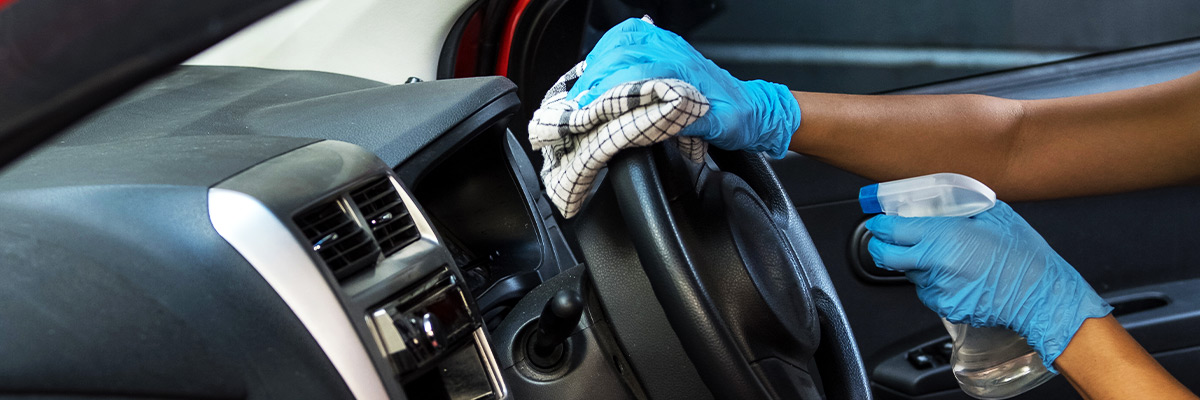
Wear gloves during cleaning to protect your skin. Clean the entire steering wheel, including buttons and spokes. Use a soft cloth to avoid scratches. Let the surface air dry after wiping.
Clean your hands before and after disinfecting. Repeat the process regularly, especially after driving in public places. This habit helps keep your car safer from germs.
Preventive Measures While Driving
Taking steps to reduce the risk of Covid on your steering wheel is crucial. The virus can stay on surfaces for hours or days. This makes cleaning and protection key for your health. Simple habits can protect you and others inside the car.
Focus on keeping your hands clean and the steering wheel covered. Both reduce the chance of virus spread. These easy measures help you drive safely during the pandemic.
Hand Hygiene Importance
Wash your hands before and after driving. Use soap and water for at least 20 seconds. Hand sanitizer with 60% alcohol works well too. Avoid touching your face while driving. Clean hands stop germs from entering your body. Regular hand hygiene lowers the risk of infection.
Using Protective Covers
Steering wheel covers create a barrier between your hands and germs. Choose covers made of easy-to-clean material. Wipe the cover often with disinfectant wipes. Change or wash covers regularly to keep them clean. Covers help reduce virus survival on the wheel surface.
Credit: www.bollesmotors.com
Myths Vs Facts About Surface Transmission
Many people worry about catching Covid from touching surfaces like steering wheels. This fear comes from early reports about the virus spreading through objects. Over time, research has helped us understand the real risks. Let’s clear up some myths and look at the facts about Covid and surface transmission.
Common Misconceptions
Some believe Covid stays alive on steering wheels for days. This idea caused people to clean their cars many times a day. Others think touching a steering wheel can easily infect them. Some also assume the virus spreads mostly from surfaces, not air. These ideas create extra fear and stress. They can make people avoid necessary activities like driving. Understanding the truth helps reduce unnecessary worry.
Scientific Evidence Summary
Studies show Covid can survive on surfaces, including steering wheels, for hours. The exact time depends on conditions like temperature and humidity. The virus loses strength quickly outside the body. Most infections happen through close contact with infected people. Surface transmission is possible but rare. Washing hands and using hand sanitizer lowers the risk. Regular cleaning of the steering wheel is good but not the only safety step. Wearing masks and keeping distance remain key protections.
Frequently Asked Questions
How Long Does Covid-19 Survive On A Steering Wheel?
Covid-19 can survive on a steering wheel for up to 72 hours. Survival time depends on surface material and environmental conditions like temperature and humidity.
Can Covid-19 Transfer From Steering Wheels To Hands?
Yes, touching a contaminated steering wheel can transfer the virus to your hands. Proper hand hygiene reduces the risk of infection.
What Is The Best Way To Disinfect A Steering Wheel?
Use alcohol-based wipes or sprays with at least 70% alcohol. Clean the steering wheel regularly to kill viruses and reduce infection risk.
Does Heat Affect Covid-19 Survival On Steering Wheels?
Higher temperatures can reduce the virus’s survival time on surfaces. However, it may still survive for several hours in warm conditions.
Conclusion
Covid can live on steering wheels for a few hours to days. Cleaning your car’s steering wheel often helps reduce risks. Using disinfectant wipes kills the virus quickly and easily. Avoid touching your face after touching the wheel outside. Always wash your hands with soap and water afterward.
Staying careful keeps you and others safer. Simple steps make a big difference in stopping the virus spread. Keep your car clean, and stay healthy on the road.

