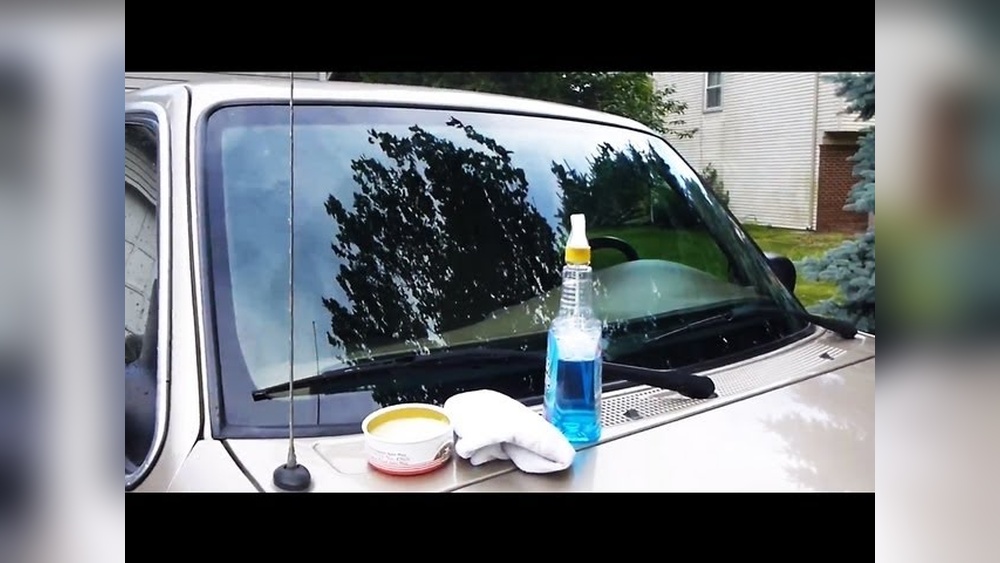
You’ve just finished applying wax to your car, and now you’re wondering—how long does it actually need to dry? Waiting too little can ruin your hard work, but waiting too long can be frustrating.
Knowing the right drying time helps you protect your car’s shine and avoid common mistakes. You’ll discover exactly how long to let your wax dry, plus simple tips to get the best results every time. Keep reading to make sure your car looks flawless and stays protected.
Credit: www.turtlewax.com
Wax Drying Time Factors
Wax drying time on a car depends on several key factors. These factors affect how quickly the wax sets and how well it protects your car’s surface. Understanding these will help you apply wax at the right time and get the best results.
Different wax types, weather conditions, and application thickness all play a role in drying time. Let’s explore each factor in detail.
Type Of Car Wax
Car waxes come in several types, like paste, liquid, and spray. Paste wax usually takes longer to dry than liquid or spray wax. Liquid wax dries faster and is easier to apply. Spray wax dries the quickest but may offer less protection. The ingredients in the wax also affect drying time. Natural carnauba wax takes longer to dry than synthetic waxes.
Weather Conditions
Temperature and humidity impact wax drying time significantly. Warm, dry weather helps wax dry faster. Cold or humid weather slows down the drying process. Direct sunlight can speed up drying but may cause streaks if the wax dries too fast. Wind can also affect drying by either helping or disturbing the wax layer.
Application Thickness
Applying too much wax thickens the layer, causing longer drying times. Thin, even layers dry faster and more evenly. Thick layers may remain sticky for hours. Spread the wax in small amounts and buff it after drying. This approach improves drying speed and final shine.
Typical Drying Times
Wax drying times vary depending on the type of wax used. Each wax has its own formula and consistency. This affects how fast it dries on your car’s surface. Understanding typical drying times helps you plan your car care routine better.
Spray Waxes
Spray waxes dry very fast. Usually, they need about 5 to 10 minutes to dry. You can often buff them off immediately after spraying. Spray waxes are great for quick touch-ups or regular maintenance.
Liquid Waxes
Liquid waxes take longer to dry than spray waxes. Expect them to dry in 10 to 20 minutes. The drying time depends on temperature and humidity. You should wait until the wax looks hazy before buffing it off.
Paste Waxes
Paste waxes need the most time to dry. It usually takes 15 to 30 minutes for paste wax to dry. A thin, even layer dries faster than a thick coat. Wait for the wax to become dull and cloudy before buffing.
Signs Wax Is Ready To Buff
Knowing when wax is ready to buff is key for a shiny car finish. Wax needs time to dry properly before buffing. This ensures a smooth, protective layer on your paint. Watch for clear signs that the wax has set enough. These signs help avoid streaks and uneven spots.
Appearance Changes
The wax changes from wet and shiny to dull and hazy. This dull look means the wax is drying. The wax layer looks milky or cloudy, not glossy. This change shows the wax is ready for the next step. Avoid buffing while the wax still looks wet.
Touch Test
Gently touch the wax with your finger. It should feel dry and slightly tacky, not sticky or wet. If your finger leaves marks or feels waxy, wait longer. Dry wax feels smooth but not slippery. This test helps confirm the wax has set well.
Timing Guidelines
Most car waxes need 10 to 15 minutes to dry. Warmer weather may shorten drying time. Cooler or humid conditions might need more time. Follow the instructions on your wax product label. Watch the wax’s look and feel to decide the right moment.
Tips For Faster Drying
Wax drying time on a car can feel long. Speeding it up saves time and effort. Simple steps help wax dry faster and better. Follow these tips to get a smooth, shiny finish quickly.
Ideal Temperature
Wax dries best in mild temperatures. Aim for 60 to 75 degrees Fahrenheit. Too hot, and wax may dry too fast, causing streaks. Too cold, and drying slows down. Choose a day with steady, moderate weather.
Avoiding Direct Sunlight
Direct sunlight heats the car surface unevenly. This makes wax dry too fast and uneven. Work in shaded areas or early morning. Shade helps wax set properly without streaks or spots.
Proper Application Techniques
Apply wax in thin, even layers. Thick layers take longer to dry. Use a soft applicator or cloth for smooth spreading. Buff gently after drying to enhance shine. Even application helps wax dry evenly and fast.
Common Waxing Mistakes To Avoid
Waxing your car is a simple task, but many make common mistakes that hurt the finish. These errors can cause streaks, dullness, or uneven shine. Avoiding these mistakes helps your car look great and protects the paint longer.
Knowing what not to do saves time and effort. It also helps the wax dry properly. Here are some common waxing mistakes and how to avoid them.
Applying Too Much Wax
Putting on too much wax creates thick layers that take longer to dry. The excess wax is hard to buff off. It can leave a cloudy, sticky surface. Use a thin, even layer instead. Less wax means faster drying and better results.
Buffing Too Soon
Buffing before the wax dries fully removes it unevenly. This leads to patchy spots and dull areas. Wait for the wax to haze or become tacky before buffing. Patience ensures a smooth, shiny finish.
Ignoring Weather Impact
Wax dries differently in various weather conditions. Heat makes wax dry too fast, making it hard to buff. Cold or humid weather slows drying and can cause streaks. Choose a mild, dry day for waxing your car. This helps the wax dry evenly and work well.
Credit: www.turtlewax.co.uk
Maintaining Waxed Surfaces
Maintaining waxed surfaces keeps your car shiny and protected longer. Wax forms a barrier against dirt, water, and UV rays. Proper care helps the wax last and keeps the paint healthy.
Simple habits and the right products can extend the wax’s life. Clean the car regularly, use extra protection, and reapply wax as needed. These steps keep the surface smooth and bright.
Regular Washing
Wash the car often to remove dirt and grime. Use mild soap made for cars. Avoid harsh detergents that can strip the wax away. Clean water and a soft cloth help protect the wax layer.
Rinse well to avoid soap spots. Dry the car gently with a microfiber towel. This keeps the wax smooth and shiny.
Using Sealants
Sealants add an extra layer over wax. They protect the paint from harsh weather and stains. Sealants last longer than wax but do not replace it.
Apply sealants after washing the car. Let the wax dry fully before adding sealant. This combination improves the car’s shine and protection.
Reapplying Wax
Wax does not last forever. Reapply it every few months or after washing often. This keeps the protective layer strong.
Choose a wax that fits your car’s needs. Clean the surface before applying new wax. Follow the instructions for the best results.

Credit: www.northwestautocollision.com
Frequently Asked Questions
How Long Does Car Wax Take To Dry?
Car wax typically takes 10 to 30 minutes to dry. Drying time depends on the wax type, temperature, and humidity. Wait until the wax appears hazy or dull before buffing it off for best results.
Can I Drive Immediately After Waxing My Car?
It is best to avoid driving for at least 30 minutes after waxing. This allows the wax to properly bond with the paint. Driving too soon can reduce wax effectiveness and cause streaking or smudges.
How To Tell If Car Wax Is Fully Dry?
Wax is fully dry when it looks hazy or dull on the surface. It should not feel wet or sticky. You can gently touch a small area to check dryness before buffing it off with a microfiber cloth.
Does Weather Affect Car Wax Drying Time?
Yes, weather impacts wax drying time. Warm, dry conditions speed up drying, while cold or humid weather slows it down. Always wax your car in a shaded, dry area for optimal drying and bonding.
Conclusion
Wax usually needs about 10 to 30 minutes to dry on a car. Drying time depends on the wax type and weather conditions. Warm, dry days help wax dry faster. After drying, buff the surface gently for a shiny look.
Avoid washing or driving immediately after waxing. This helps the wax stick and protect your car better. Patience pays off with a smooth, glossy finish. Keep these tips in mind for the best waxing results every time.