

Are you wondering how long your new brakes and rotors should really last? Knowing this can save you money, keep you safe, and prevent unexpected car troubles.
If you’ve just replaced them or are thinking about it, you probably want to get the most out of your investment. You’ll discover the key factors that affect brake and rotor lifespan and how to tell when it’s time for a change.
Keep reading to protect your ride and drive with confidence.
Credit: nubrakes.com
Factors Affecting Brake And Rotor Lifespan
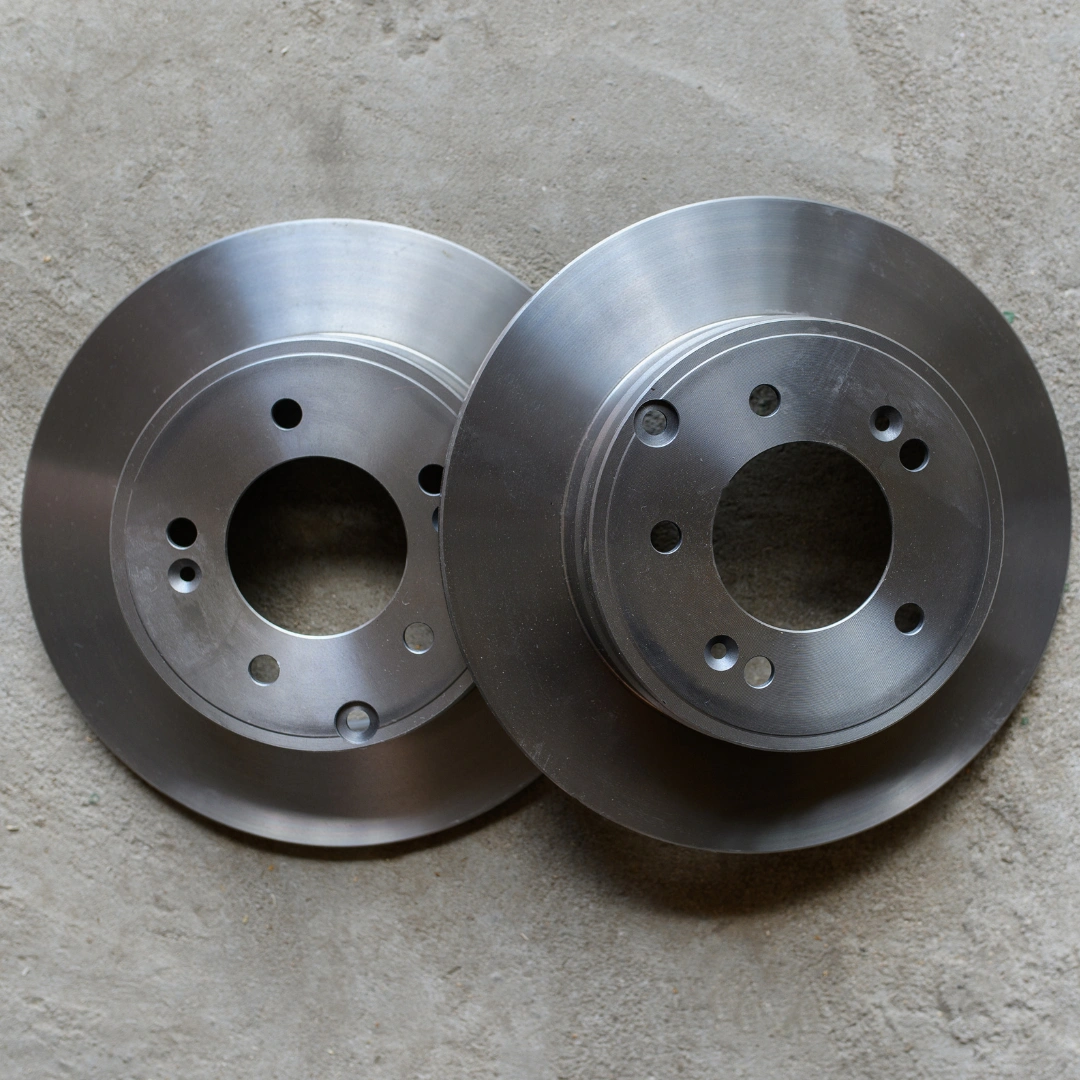
The lifespan of new brakes and rotors depends on many factors. These factors impact how long they last before needing replacement. Understanding them helps you maintain your vehicle better. It also saves money and keeps you safe on the road.
Driving Habits
Driving style greatly affects brake and rotor wear. Frequent hard braking wears parts faster. Gentle braking helps extend their life. City driving with stop-and-go traffic causes more wear. Highway driving usually causes less brake use. Smooth and steady driving protects brakes and rotors.
Vehicle Type And Usage
Heavy vehicles put more stress on brakes and rotors. Trucks and SUVs may wear parts quicker than small cars. Towing heavy loads also increases brake wear. Daily short trips cause more brake use than long highway trips. How you use your vehicle changes part lifespan.
Quality Of Brake Components
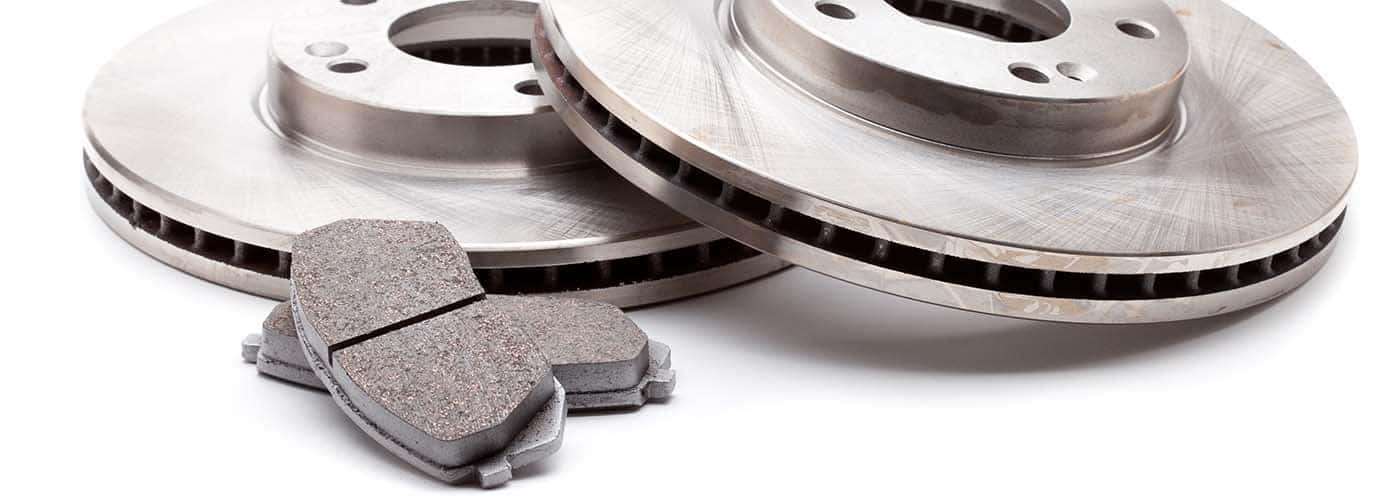
High-quality brake pads and rotors last longer. Cheaper parts often wear out faster. Good parts perform better under heat and pressure. They resist warping and cracking. Investing in quality components saves money over time. Always choose parts that meet or exceed standards.
Road Conditions
Rough or hilly roads increase brake use and wear. Driving on dirt or gravel roads causes more dust and debris. These can damage brake parts faster. Wet or icy roads may require more frequent braking. Smooth, paved roads are easier on brakes and rotors.
Credit: www.marinechevy.com
Average Lifespan Of New Brakes
Knowing the average lifespan of new brakes helps keep your car safe. Brakes wear out over time due to use and road conditions. New brakes usually last a few years, but many factors affect this. Driving habits, road type, and brake quality all play a role. Regular checks can help you avoid sudden brake failures. Understanding brake life helps plan timely replacements and saves money.
Brake Pads Lifespan
Brake pads typically last between 30,000 and 70,000 miles. This range varies by vehicle type and driving style. City driving with frequent stops wears pads faster. Highway driving tends to cause less wear. High-quality brake pads can last longer than budget options. Always check your owner’s manual for specific recommendations. Proper installation also affects pad longevity.
Signs Of Brake Pad Wear
Squeaking or squealing sounds often mean brake pads need attention. A grinding noise signals worn-out pads touching rotors. Longer stopping distances can indicate brake wear. Vibration or pulsation in the brake pedal is a warning sign. Visual checks can show thin or cracked brake pads. Early detection helps avoid costly repairs and dangerous situations.
Average Lifespan Of New Rotors
New rotors usually last between 30,000 and 70,000 miles. The lifespan varies based on driving habits and road conditions. Regular maintenance helps rotors last longer. Understanding rotor wear is key to knowing when replacement is needed.
Rotor Thickness And Wear
Rotors have a minimum thickness limit set by manufacturers. Each time you replace brake pads, rotors wear down a little. Thin rotors can cause poor braking and heat damage. Mechanics measure rotor thickness during brake service. If thickness falls below the limit, rotors must be replaced. Driving with thin rotors can be unsafe and cause costly repairs.
Symptoms Of Rotor Damage
Damaged rotors often cause vibrations when braking. You may feel a pulsing in the brake pedal or steering wheel. Grooves or scoring on the rotor surface are visible signs. Some rotors make a squealing or grinding noise. Uneven rotor wear can lead to reduced brake performance. Early attention to these signs prevents further damage and ensures safety.
Maintenance Tips To Extend Brake Life
Proper brake maintenance helps keep your car safe and saves money. Following simple tips can make your brakes and rotors last longer. Caring for your brakes prevents costly repairs and unexpected failures.
Regular Inspections
Check your brakes often for wear and damage. Look for signs like squeaking, grinding, or reduced stopping power. Inspect brake pads, rotors, and fluid levels. Early detection of issues helps avoid bigger problems.
Proper Driving Techniques
Drive smoothly to reduce brake wear. Avoid sudden stops and hard braking. Use engine braking by shifting to lower gears on slopes. This lowers stress on your brakes and extends their life.
Timely Replacement And Repairs
Replace brake pads and rotors as soon as needed. Do not wait for them to wear out completely. Fix any brake problems immediately to prevent damage. Keeping brakes in good condition ensures safe driving and longer brake life.
When To Replace Brakes And Rotors
Knowing when to replace brakes and rotors keeps driving safe. Worn brakes and rotors reduce stopping power. This can lead to accidents or costly repairs. Checking these parts regularly prevents problems. Watch out for signs that show wear. Timely replacement keeps the car running smoothly.
Common Warning Signs
Squealing or grinding noises during braking mean worn pads. A vibrating brake pedal or steering wheel signals warped rotors. Longer stopping distances or a soft brake pedal need attention. Visible grooves or cracks on rotors show damage. Burning smells after heavy braking can point to issues. These signs mean it’s time for a brake check.
Professional Inspection Guidelines
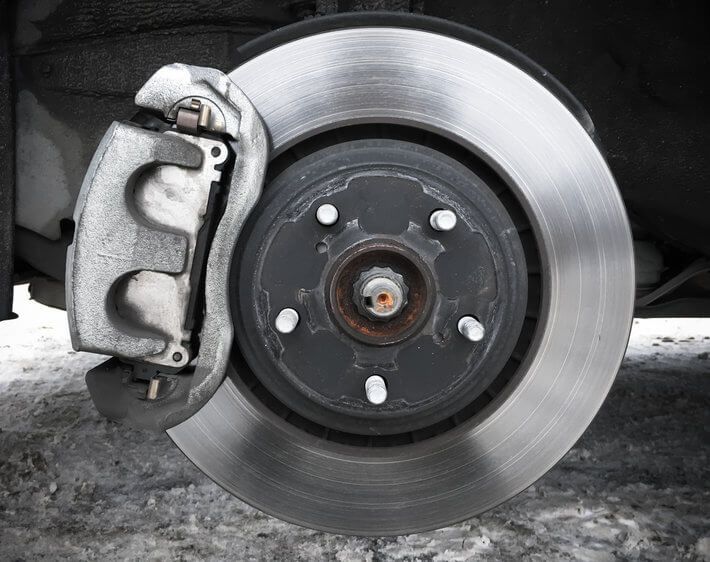
Technicians measure brake pad thickness and rotor condition. Pads thinner than 3 millimeters require replacement. Rotors with deep grooves or warping need resurfacing or new parts. Experts also check brake fluid and calipers. Routine inspections every 12,000 miles catch wear early. Professional checks extend brake system life and ensure safety.
Credit: www.tiresplus.com
Cost Considerations For Brake And Rotor Replacement
Cost matters a lot when replacing brakes and rotors. Knowing what affects the price helps plan your budget better. Brake and rotor replacement costs vary by parts, labor, and the type of components used. Understanding these costs can save money and avoid surprises at the shop.
Parts And Labor Costs
Parts for brakes and rotors have different price ranges. Brake pads usually cost less than rotors. Labor charges depend on the mechanic’s skill and shop location. Some shops charge by the hour, others by the job. Expect higher prices in big cities or busy areas. Always ask for a detailed quote before work starts.
Choosing Between Oem And Aftermarket Parts
OEM parts come from the vehicle maker. They fit perfectly and meet factory standards. Aftermarket parts are made by other companies. They may cost less but vary in quality. Some aftermarket parts last as long as OEM. Research brands and reviews before choosing. Your choice affects price, performance, and durability.
Frequently Asked Questions
How Long Do New Brakes And Rotors Typically Last?
New brakes and rotors usually last between 30,000 and 70,000 miles. The lifespan depends on driving habits, vehicle type, and road conditions. Regular maintenance can extend their durability and ensure optimal performance.
What Factors Affect Brakes And Rotors Lifespan?
Driving style, road conditions, and vehicle weight greatly impact brake and rotor lifespan. Frequent hard braking, hilly terrain, and heavy loads cause faster wear. Proper care and timely inspections help maintain brake efficiency and safety.
When Should I Replace My Brakes And Rotors?
Replace brakes and rotors when you notice squealing, vibrations, or reduced braking power. Also, check for visible wear or grooves on rotors. Timely replacement prevents damage to other brake components and ensures safe driving.
Can New Brakes And Rotors Wear Out Quickly?
Yes, aggressive driving, poor quality parts, or incorrect installation can cause quick wear. Avoid harsh braking and use OEM or high-quality aftermarket parts. Proper installation by professionals also improves lifespan and braking performance.
Conclusion
New brakes and rotors usually last between 30,000 to 70,000 miles. Driving habits and road conditions affect their lifespan. Regular checks help spot wear early and keep you safe. Changing brake parts on time prevents damage and costly repairs. Always listen for unusual noises or reduced braking power.
Proper care extends the life of your brakes and rotors. Stay alert and maintain your vehicle for smooth, safe driving.


