

Are you wondering how much it will cost to change your brake pads and rotors? Knowing the price beforehand can save you from surprises and help you plan your budget better.
Your brakes are crucial for your safety, so understanding the cost of maintaining them is important. You’ll discover the factors that affect the price, what to expect from the repair process, and tips to get the best value. Keep reading to make sure you’re prepared when it’s time to replace your brake pads and rotors.
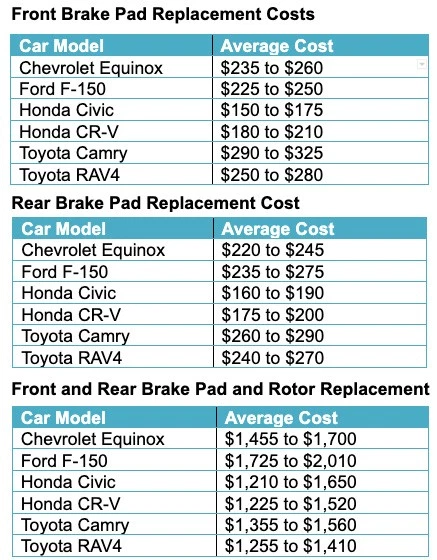
Credit: www.ebay.com
Brake Pads And Rotors Basics
Brake pads and rotors are key parts of a car’s braking system. They work together to stop the vehicle safely. Understanding their basics helps you know why maintenance matters. This can save money and keep your drives safe.
Brake pads press against rotors to slow down wheels. Over time, both parts wear out. Regular checks prevent brake failure and costly repairs. Below are their main roles and signs of wear to watch for.
Role In Vehicle Safety
Brake pads create friction with rotors to stop the car. Rotors are metal discs attached to each wheel. Pads squeeze rotors to reduce speed or stop. Good brakes prevent accidents and keep passengers safe. Worn pads or rotors reduce braking power. This increases stopping distance and risk of crashes. Proper brake parts work smoothly and quietly.
Signs Of Wear
Squealing or grinding noises mean brake pads may be thin. Vibrations or shaking during braking often show rotor problems. Brake warning lights on the dashboard also warn of issues. Longer stopping distances mean the brakes are weaker. Visual checks can reveal thin pads or grooved rotors. Addressing wear early avoids brake failure and high costs.
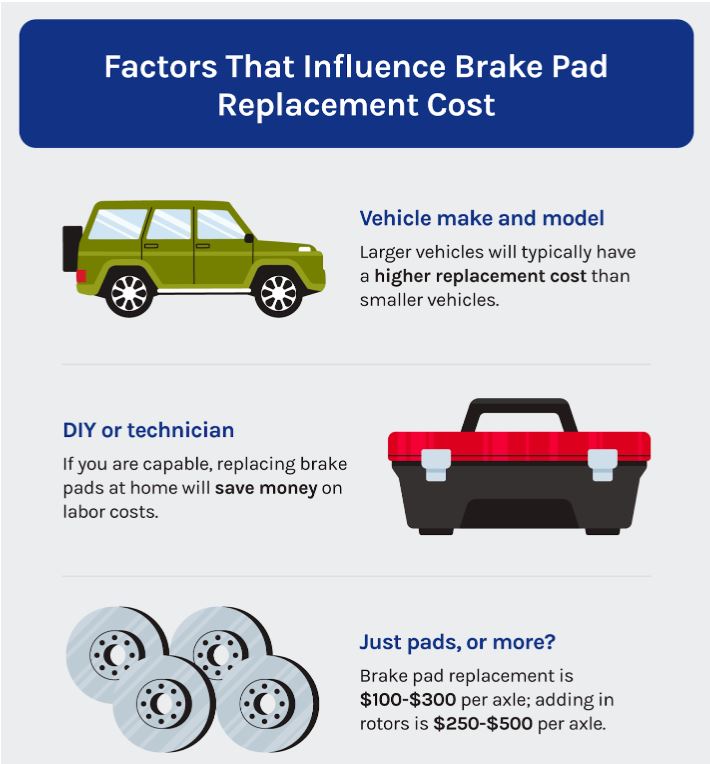
Credit: www.aaa.com
Factors Influencing Replacement Costs
Several factors affect the cost of changing brake pads and rotors. These influence the price you pay at the repair shop or for parts. Understanding these elements helps you prepare a suitable budget for brake maintenance.
Type Of Vehicle
The make and model of your vehicle impact replacement costs. Luxury cars often need expensive parts. Larger vehicles like trucks require bigger, stronger rotors and pads. Standard sedans usually have more affordable options. Some vehicles use special brake systems, raising the price.
Quality Of Parts
Brake parts come in various quality levels. Economy parts cost less but may wear out faster. Premium parts last longer and perform better but cost more. Original Equipment Manufacturer (OEM) parts match your vehicle’s specs. Aftermarket parts can vary widely in price and quality.
Labor Charges
Labor costs depend on the mechanic’s hourly rate and job difficulty. Some cars need more time to access brakes, increasing labor fees. Independent shops often charge less than dealerships. Labor rates differ based on the shop’s reputation and expertise.
Location Variations
Where you live affects brake replacement prices. Urban areas tend to have higher labor rates than rural locations. Local competition between repair shops can also lower or raise costs. Taxes and fees vary by state or country, impacting the total bill.
Average Cost Breakdown
Understanding the average cost of changing brake pads and rotors helps plan your car maintenance budget. Prices vary by car type, parts quality, and labor fees. This section breaks down typical costs for brake pads, rotors, and their combined replacement.
Brake Pads Replacement Cost
Brake pads usually cost between $50 and $150 per axle. Economy pads are cheaper but wear out faster. Premium pads cost more but last longer and perform better. Labor charges for brake pad replacement range from $80 to $120. Total cost depends on your car model and shop rates.
Rotor Replacement Cost
Rotors cost more than brake pads. Standard rotors range from $30 to $75 each. High-performance or specialty rotors can cost over $100 each. Labor for rotor replacement often runs between $150 and $200. Some cars require rotor resurfacing, which adds to the price.
Combined Replacement Cost
Replacing both brake pads and rotors together saves time and effort. Combined parts cost usually falls between $150 and $300 per axle. Labor fees for combined replacement are about $150 to $250. The total cost depends on parts quality and vehicle type. Regular maintenance prevents costly repairs later.
Diy Vs Professional Service
Deciding between doing your brake pads and rotors yourself or hiring a professional can affect both cost and safety. Each choice has benefits and drawbacks. Knowing these helps you pick the best option for your situation.
Pros And Cons Of Diy
Doing the job yourself saves money on labor costs. Parts alone may cost less than a full service. You learn a useful skill and gain confidence working on your car.
Risks include making mistakes that affect brake performance. You need proper tools and a safe workspace. The process can take several hours if you are new.
When To Choose A Mechanic
A professional offers experience and guarantees their work. They spot related issues you might miss. Service is faster and safer with the right equipment.
Choose a mechanic if you lack tools or knowledge. Complex brake systems or unusual cars need expert care. This choice reduces risks and ensures your brakes work well.
Tips To Save On Brake Repair
Brake repair can be expensive, but there are ways to reduce costs. Saving money on brake pads and rotors does not mean compromising safety. Small actions can keep your brakes in good shape longer and cut down repair expenses.
Regular Maintenance
Check your brakes often for wear and tear. Keep brake fluid clean and at the right level. Changing brake pads early prevents damage to the rotors. Catching issues early saves money on big repairs later.
Choosing The Right Parts
Pick brake parts that fit your car model well. Quality parts last longer and work better. Avoid very cheap parts that wear out fast. Mid-range parts give a good balance of price and durability.
Comparing Service Providers
Get quotes from several repair shops before deciding. Some shops offer discounts or package deals. Ask about labor costs and parts prices separately. Choose a trusted shop with fair prices and good reviews.
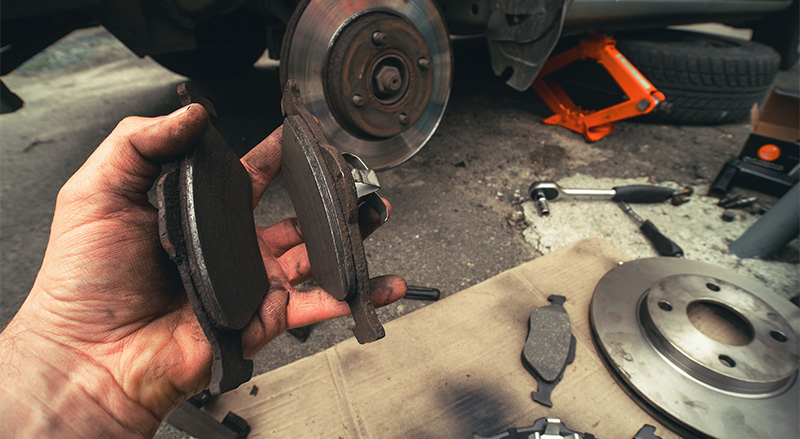
Credit: blog.napacanada.com
When To Replace Brake Pads And Rotors
Knowing when to replace brake pads and rotors is important for safe driving. Brake parts wear out over time. Worn brakes can reduce stopping power and increase risk on the road.
Regular checks help catch problems early. Pay attention to signs that brakes need service. This saves money and keeps your car safe.
Mileage Guidelines
Brake pads usually last between 30,000 and 70,000 miles. Rotors often last longer but may need replacement every 50,000 to 70,000 miles. These numbers vary by driving style and road conditions. Check your car’s manual for specific advice. Track your mileage to plan brake maintenance ahead.
Visual And Performance Indicators
Look at brake pads through the wheel spokes. Thin pads, less than 1/4 inch, mean it’s time to replace. Rotors with deep grooves or cracks need changing. Listen for squealing or grinding noises during braking. These sounds signal worn pads or rotors. Notice if braking feels weak or the pedal vibrates. Such issues show brake parts are failing and require attention.
Frequently Asked Questions
How Much Do Brake Pads Replacement Cost On Average?
Brake pads replacement usually costs between $100 and $300. The price depends on your car model and labor fees. High-performance brake pads may cost more. Always get a detailed quote from your mechanic for accuracy.
What Is The Average Cost For Changing Rotors?
Replacing brake rotors typically costs between $200 and $400. This includes parts and labor. Prices vary based on rotor quality and vehicle type. It’s best to consult your local auto shop for precise pricing.
Can I Replace Brake Pads And Rotors Together?
Yes, it’s common to replace brake pads and rotors simultaneously. Doing both ensures optimal braking performance and safety. Combined replacement can save time and labor costs compared to separate jobs.
How Often Should Brake Pads And Rotors Be Changed?
Brake pads usually need changing every 30,000 to 70,000 miles. Rotors last longer but may require replacement every 50,000 to 70,000 miles. Regular inspections help determine the right replacement time for your vehicle.
Conclusion
Changing brake pads and rotors costs vary by car and parts quality. Expect to pay between $150 and $400 on average. Labor charges depend on the mechanic and location. Choosing good quality parts can save money in the long run.
Regular brake checks help avoid costly repairs later. Remember, brakes keep you safe on the road. Don’t delay if you hear noise or feel vibration. Taking care of brakes protects you and others. Simple maintenance can prevent bigger expenses down the line.


