

Are your brakes making noise or not stopping as smoothly as before? If you’ve been wondering how long it takes to change your rear brakes and rotors, you’re not alone.
Knowing the right time to replace these parts is key to keeping your car safe and running smoothly. You’ll discover exactly how long the job usually takes, what signs to watch for, and why it’s better not to wait. Keep reading to learn how a simple maintenance task can save you time, money, and stress on the road.

Credit: www.youtube.com
Signs You Need Rear Brake Service
Knowing the signs of rear brake wear is important for safe driving. Rear brakes often last longer than front brakes. Still, they need checking and service at times. Ignoring warning signs can cause damage and risk on the road. Understanding these signs helps you act before problems get worse.
Common Brake Wear Indicators
Squeaking or squealing sounds mean brake pads are wearing out. Soft or spongy brake pedal feels show brake fluid or pad issues. Longer stopping distance means brakes are less effective. Vibration or shaking when braking points to worn pads or uneven rotors. Brake warning light on the dashboard signals a problem. Dark or thin brake pads need replacement soon.
Rotor Damage Symptoms
Deep grooves or scoring on rotor surface cause noise and poor braking. Warped rotors create vibrations when braking. Burning smell after hard stops shows rotor overheating. Rust or corrosion on rotors reduces braking power. Cracks on rotors are dangerous and need immediate replacement. Uneven rotor wear leads to brake noise and reduced safety.
Tools Required For Brake And Rotor Replacement
Changing rear brakes and rotors requires specific tools to do the job safely and correctly. Having the right tools helps the process go smoothly and saves time. Every tool plays a key role in making sure the brake system works well after replacement.
Essential Hand Tools
Start with a good set of wrenches and sockets. These help remove bolts that hold the brakes and rotors. A lug wrench is needed to take off the wheel. A C-clamp or brake caliper tool pushes the brake piston back. A screwdriver or pry bar helps to remove old brake pads. A hammer can gently tap stuck parts loose. Make sure to have a torque wrench to tighten bolts to the right level.
Safety Equipment
Safety is very important during brake work. Wear safety glasses to protect your eyes from dust and debris. Use gloves to keep your hands safe and clean. A dust mask protects you from brake dust, which can be harmful to breathe. Use jack stands to support the car securely. Never rely on just a jack to hold the vehicle up.
Step-by-step Brake Pad Replacement
Replacing rear brake pads is a key part of maintaining your vehicle’s safety. This guide breaks down the process into clear steps. Follow along to ensure a smooth and safe brake pad replacement.
Preparing The Vehicle
Park your car on a flat surface. Engage the parking brake for safety. Loosen the lug nuts on the rear wheel slightly. Use a jack to lift the car and place it on jack stands. Remove the wheel to access the brake system.
Removing Old Brake Pads
Locate the brake caliper and remove the bolts holding it. Carefully lift the caliper off the rotor. Use a wire or bungee cord to hang the caliper; avoid stressing the brake line. Slide out the old brake pads from the caliper bracket. Inspect the rotor for wear or damage.
Installing New Pads
Compress the caliper piston using a C-clamp or brake tool. Place the new brake pads into the caliper bracket. Reinstall the caliper over the new pads and rotor. Tighten the caliper bolts securely. Put the wheel back on and hand-tighten the lug nuts. Lower the car and fully tighten the lug nuts in a star pattern.
Credit: www.yourmechanic.com
Replacing Rear Rotors
Replacing rear rotors is a key part of maintaining safe brakes. Rotors wear down over time. This can cause vibrations and poor braking. Changing rotors keeps your car stopping well. It also helps the brake pads last longer.
Removing The Old Rotors
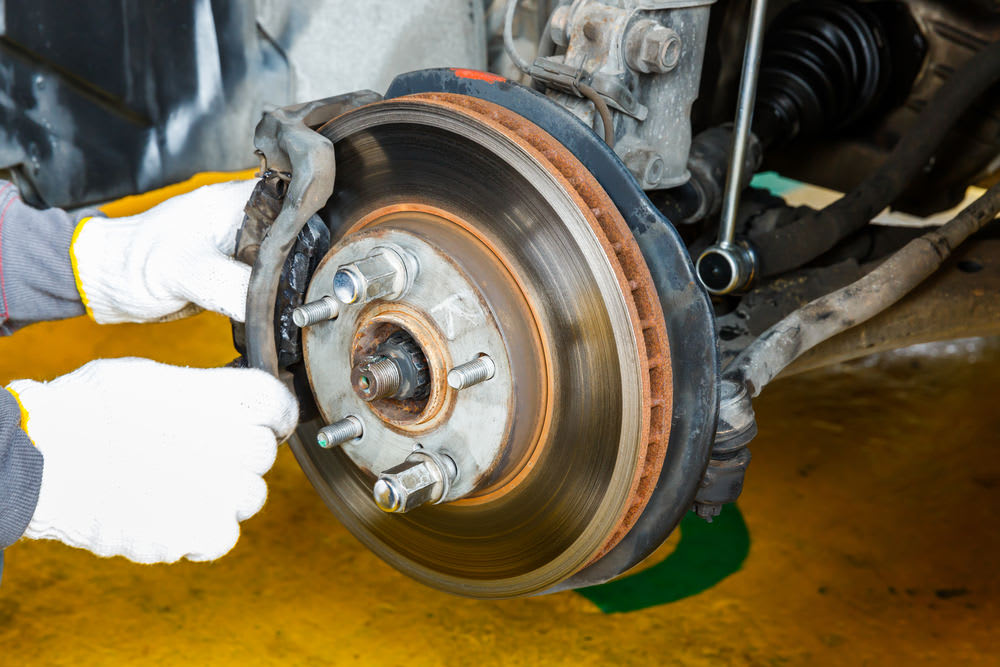
Start by lifting the car and removing the wheel. Next, take off the brake caliper. Use a wrench to undo the bolts. Carefully hang the caliper to avoid damage. Then, remove the old rotor. It may need some taps with a hammer if stuck.
Cleaning And Inspecting
Clean the hub surface with a wire brush. Check for rust or dirt. Make sure the new rotor will sit flat. Inspect the brake caliper and pads for wear. Replace any parts that look damaged or worn out.
Installing New Rotors
Place the new rotor on the hub. Align it carefully with the wheel studs. Reinstall the brake caliper and tighten bolts securely. Put the wheel back on and lower the car. Test the brakes gently before driving normally.
Time Estimates For Each Task
Knowing the time needed for brake and rotor changes helps plan your car maintenance. It also sets clear expectations for the repair process. The time can vary based on the task and car type.
Brake Pad Replacement Duration
Replacing rear brake pads usually takes 30 to 60 minutes. This includes removing the wheel and old pads. Then, installing new pads and testing brakes. Simple jobs may finish faster, complex ones take longer.
Rotor Replacement Duration
Changing rear rotors takes longer than pads. It often requires 60 to 90 minutes. The mechanic removes the wheel, brake caliper, and old rotor. Then fits the new rotor and reassembles parts carefully. Time may increase if rust or damage is present.
Factors Affecting Time
Car model and condition impact how long repairs take. Some cars have easy-to-access brakes, others need more work. Rusty or stuck parts slow down the process. Skill and experience of the mechanic also matter. Preparation and tools can shorten the repair time.

Credit: vatire.com
Tips For A Quick And Easy Brake Job
Changing rear brakes and rotors does not have to take all day. With the right steps, you can finish the job faster and with less stress. Small actions before and during the work save time and prevent mistakes. These tips help keep the process smooth and safe.
Preparation is key. Having tools and parts ready helps avoid delays. Knowing what to expect helps you work confidently. Careful work also keeps your brakes working well after the job is done.
Preparation Hacks
Gather all needed tools before starting. Common tools include a jack, lug wrench, and socket set. Clean the work area to avoid losing small parts. Use a brake cleaner to remove dust and dirt. Label parts if you remove many pieces. Check the new brake pads and rotors fit your car model. Wear gloves to protect your hands from dirt and chemicals. Keep a container for old parts to avoid mess.
Common Mistakes To Avoid
Do not skip loosening lug nuts before jacking up the car. Avoid rushing; take time to remove parts carefully. Never mix old and new brake pads or rotors. Forgetting to check rotor thickness can cause brake problems. Do not ignore the brake fluid level; it may need topping up. Avoid using damaged tools that can slip and cause injury. Do not forget to tighten lug nuts in a star pattern for even pressure. Always test brakes before driving away to ensure safety.
Frequently Asked Questions
How Long Does It Take To Change Rear Brake Pads?
Changing rear brake pads usually takes about 30 to 45 minutes. The time varies based on vehicle type and mechanic experience. Proper tools and preparation can speed up the process. Always check brake condition before starting the job for accuracy.
How Much Time To Replace Rear Brake Rotors?
Replacing rear brake rotors typically takes 45 to 60 minutes. This includes removing old rotors, inspecting parts, and installing new ones. Rotor replacement may take longer if additional repairs are needed. Regular rotor checks help maintain brake performance.
Can I Change Rear Brakes And Rotors Myself?
Yes, you can change rear brakes and rotors yourself if you have basic mechanical skills. Use proper tools and safety measures. Follow vehicle-specific instructions carefully. If unsure, consult a professional to avoid safety risks or damage.
How Often Should Rear Brakes And Rotors Be Replaced?
Rear brakes and rotors should be replaced every 30,000 to 70,000 miles. This depends on driving habits and road conditions. Regular inspections help detect wear early. Replacing worn parts ensures safe and efficient braking performance.
Conclusion
Changing rear brakes and rotors does not take long. Most jobs finish within one to two hours. Regular checks help spot wear early. Worn brakes can make driving unsafe. Timely replacement keeps your car working well. You save money by fixing issues early.
Always follow the car’s manual for best results. Simple steps protect your safety on the road. Trust your instincts if brakes feel different. Stay safe and keep your brakes in good shape.


