Have you ever wondered how often you need to replace your brake rotors? Keeping your brakes in top shape is crucial for your safety on the road.
But knowing when to replace the rotors can be tricky. If you wait too long, you risk damage and costly repairs. Replace them too soon, and you might be wasting money. You’ll discover clear signs and simple tips to help you decide the right time to change your brake rotors.
Stick around—you’ll save money, stay safe, and keep your car running smoothly.

Credit: www.hawkperformance.com
Signs Of Worn Brake Rotors
Brake rotors wear down over time and affect your car’s stopping power. Recognizing signs of worn brake rotors helps keep driving safe. Early detection prevents bigger problems and costly repairs. Pay attention to noises, vibrations, and visible damage on the rotors. These clues show when it is time to replace them.
Squealing And Grinding Noises
Squealing sounds often come from worn brake pads rubbing on rotors. Grinding noises are louder and mean metal is contacting metal. This happens when rotors are damaged or too thin. Do not ignore these sounds. They warn you about rotor wear and possible brake failure.
Vibrations While Braking
Feel vibrations or shaking in the brake pedal or steering wheel? This usually means rotors are warped or uneven. Warped rotors cause the brake pads to hit unevenly. Vibrations make braking less smooth and reduce control. Check the rotors if you feel these shakes.
Visible Rotor Damage
Look at the brake rotors through the wheel spokes. Deep grooves, cracks, or rust spots show rotor damage. Uneven wear or discoloration can also indicate problems. Damaged rotors lower braking efficiency and need replacement. Regular visual checks help spot these issues early.
Credit: www.yourmechanic.com
Factors Affecting Rotor Lifespan
Brake rotors do not last forever. Their lifespan depends on several key factors. Understanding these can help you know when to replace them. These factors affect how quickly rotors wear out or get damaged.
Driving Habits
How you drive greatly affects rotor life. Hard braking wears rotors faster. Frequent stops and fast acceleration add extra stress. Riding the brakes downhill heats the rotors and causes warping. Smooth and gentle braking can extend rotor lifespan.
Rotor Material Types
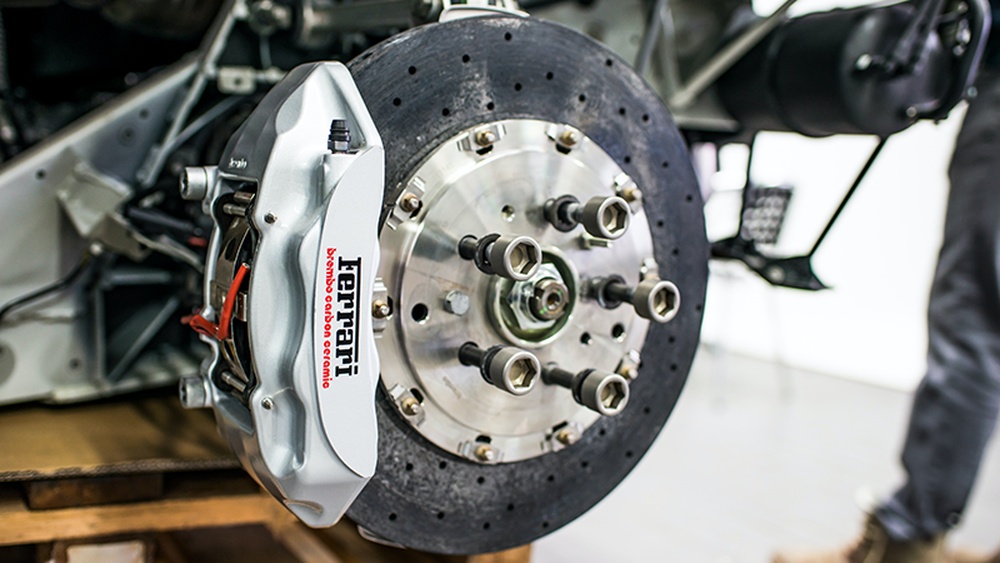
Rotors come in different materials, each with unique durability. Cast iron rotors are common and affordable but wear faster. Carbon composite rotors last longer but cost more. Some rotors have special coatings to resist rust and heat. Material choice impacts how often you replace rotors.
Environmental Conditions
Weather and road conditions also influence rotor wear. Driving in wet, salty, or dusty areas causes corrosion. Cold temperatures can make rotors brittle. Mountain roads with lots of braking cause more heat stress. Clean and dry environments help rotors last longer.
Recommended Replacement Intervals
Knowing the right time to replace brake rotors keeps your vehicle safe and running well. Rotors wear down from use and need checking regularly. Replacement intervals depend on many factors. Understanding these helps avoid brake problems and costly repairs.
Manufacturer Guidelines
Car makers give specific advice on rotor replacement. They include this in your vehicle’s manual. Following these rules helps keep brakes working properly. Each brand and model may have different needs. Always check the manufacturer’s guide first.
Average Mileage Ranges
Brake rotors often last between 30,000 and 70,000 miles. This range varies by driving style and conditions. Heavy braking shortens rotor life. Gentle driving can extend it. Watch for signs of wear as you approach these miles.
Impact Of Vehicle Type
Different vehicles wear rotors at different rates. Trucks and SUVs usually need rotor changes sooner. Their heavier weight causes more wear. Smaller cars often have longer rotor life. Consider your vehicle type when planning replacements.
Inspection And Maintenance Tips
Proper inspection and maintenance keep brake rotors working well. Regular checks help spot problems early. This avoids costly repairs and unsafe driving conditions. Simple steps can extend rotor life and improve safety. Here are some key tips to follow.
Regular Visual Checks
Look at your brake rotors often. Check for cracks, grooves, or rust. Any damage can reduce braking power. Also, watch for uneven wear or discoloration. These signs mean rotors may need attention. Clean rotors keep brakes working smoothly.
Measuring Rotor Thickness
Use a micrometer to measure rotor thickness. Rotors wear thinner over time. Each vehicle has a minimum thickness limit. Below that, rotors must be replaced for safety. Measure thickness at several points for accuracy. This step is key to safe braking.
Brake Pad Replacement Timing
Replace brake pads before rotors get damaged. Worn pads can cause rotor grooves and warping. Check pad thickness regularly. Change pads when they are thin. This protects rotors and keeps brakes effective. Timely pad replacement saves money and time.
Risks Of Delaying Rotor Replacement
Delaying the replacement of brake rotors can cause serious problems. Rotors wear down over time and lose their ability to work properly. Ignoring this can lead to more damage and risk while driving. Understanding the risks helps keep your car safe and saves money.
Reduced Braking Efficiency
Worn rotors make your brakes less effective. The car takes longer to stop. This can be dangerous in traffic or emergencies. Uneven rotors cause vibrations or noise when braking. This affects your control over the vehicle.
Increased Repair Costs
Delaying rotor replacement can cause damage to other parts. Brake pads wear out faster on bad rotors. This means more parts need fixing or replacing. Repair bills become higher than early rotor replacement costs.
Safety Hazards
Old rotors increase the risk of brake failure. This can lead to accidents or loss of control. Cracked or warped rotors reduce your car’s stopping power. Your safety and the safety of others depend on good brakes.
Diy Vs Professional Replacement
Deciding between DIY and professional replacement of brake rotors depends on your skills, tools, and time. Both options have pros and cons. Knowing when to do it yourself or hire a pro helps keep your car safe and saves money.
When To Attempt Diy
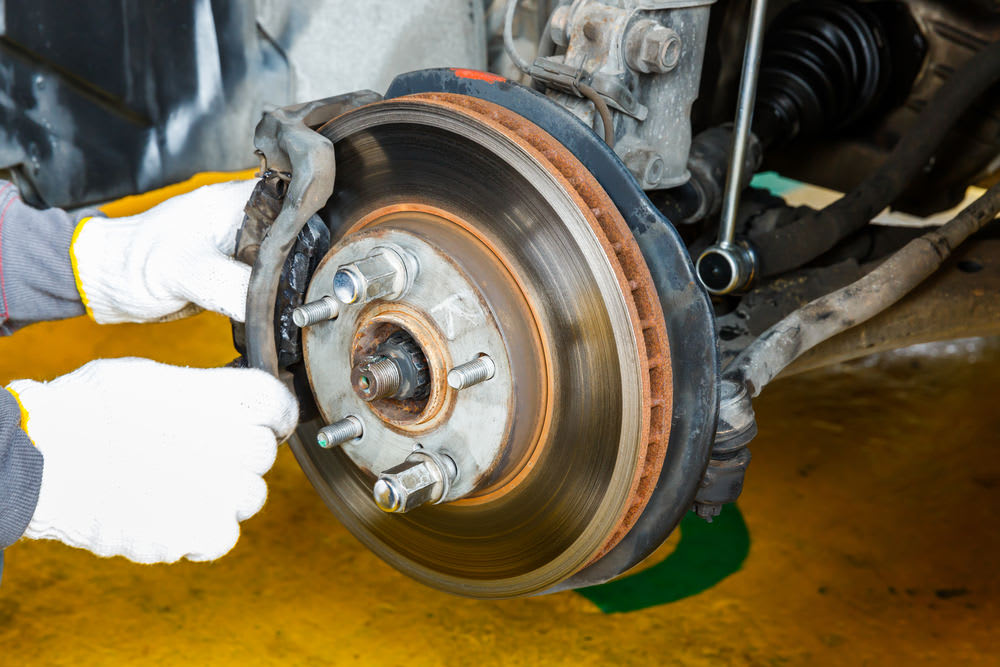
Try DIY only if you have basic mechanical skills. You must own the right tools like a jack, wrench, and torque wrench. Follow clear instructions from a trusted manual or video. Work in a clean, safe area with enough light. Avoid DIY if rotors are deeply damaged or if you feel unsure.
Benefits Of Professional Service
Professionals have experience with all brake systems. They spot hidden problems fast. Shops use special tools to ensure perfect rotor fit. A pro can test your brakes after replacement. They offer warranties on parts and labor. This service reduces risk and boosts safety.
Cost Considerations
DIY saves money on labor costs. You only pay for parts and tools. But mistakes can cause expensive damage. Professional service costs more upfront. It includes labor, parts, and sometimes extra checks. Think about your budget and skills before choosing.
Credit: www.reddit.com
Frequently Asked Questions
How Often Should Brake Rotors Be Replaced?
Brake rotors typically need replacement every 30,000 to 70,000 miles. This varies by driving habits, rotor quality, and vehicle type. Regular inspections help spot wear early. Uneven wear, vibrations, or noise signal rotor replacement needs.
What Are Signs Of Worn Brake Rotors?
Worn rotors cause brake vibrations, squealing, or grinding noises. You might feel pulsation in the brake pedal. Visible grooves or cracks on rotors also indicate wear. These signs mean it’s time for a rotor check or replacement.
Can Brake Rotors Be Resurfaced Instead Of Replaced?
Yes, rotors can be resurfaced if they aren’t too thin or damaged. Resurfacing smooths out minor imperfections and extends rotor life. However, deep grooves or cracks require full replacement for safety.
Does Driving Style Affect Brake Rotor Lifespan?
Absolutely. Aggressive braking and frequent stops increase rotor wear. Smooth, gradual braking helps rotors last longer. Highway driving generally causes less rotor wear than city driving.
Conclusion
Brake rotors wear down with use and need regular checks. Most rotors last between 30,000 and 70,000 miles. Signs like vibrations or noise mean it’s time for a change. Regular maintenance keeps your brakes safe and working well. Don’t ignore warning signs or delays in replacement.
Proper care helps avoid costly repairs later. Stay alert to how your brakes feel and sound. Safe driving depends on good brake parts. Keep your vehicle’s stopping power strong by replacing rotors on time.