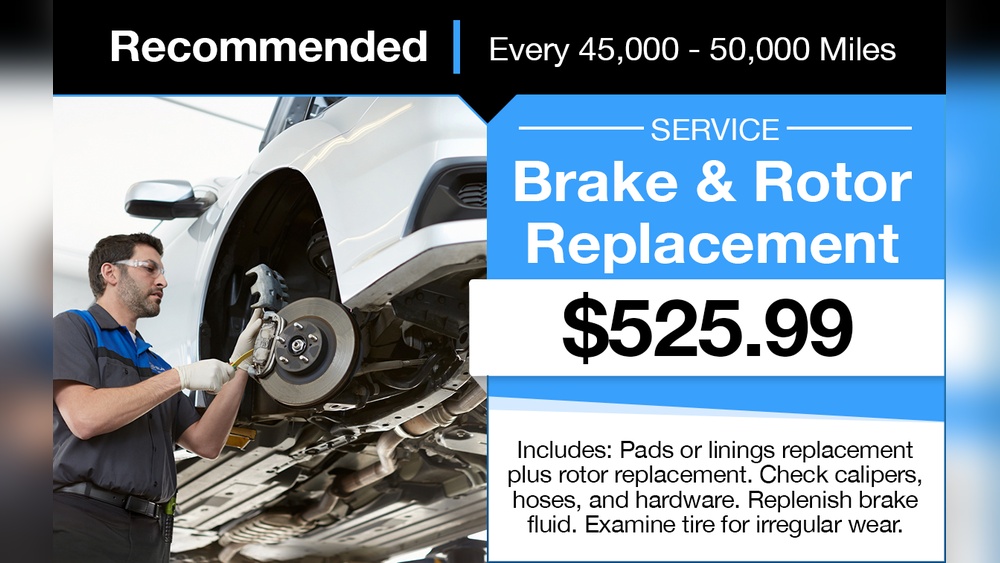
When it comes to your car’s safety, brakes and rotors play a crucial role. But how much should you expect to pay when it’s time to replace them?
You might feel overwhelmed by the wide range of prices and unsure if you’re getting a fair deal. This guide will help you understand what influences the cost and how to avoid common pitfalls. By the end, you’ll feel confident about your next brake and rotor service—and your wallet will thank you.
Keep reading to find out what you really need to know.
Brake And Rotor Basics
Understanding brake and rotor basics helps you know what you pay for. Brakes and rotors are key parts of your car’s stopping system. They work together to keep you safe on the road.
Knowing the types of brakes and rotors helps in choosing the right parts. It also explains why prices vary for repairs and replacements.
Types Of Brakes
There are two main types of brakes: disc brakes and drum brakes. Disc brakes use pads that press against a metal disc or rotor. Drum brakes use shoes that push inside a drum to stop the car. Most modern cars use disc brakes on the front wheels and sometimes on all four wheels. Drum brakes are common on older or smaller cars, usually on the rear wheels.
Rotor Variations
Rotors come in different shapes and materials. The common types are solid rotors, vented rotors, and drilled or slotted rotors. Solid rotors are simple and cost less. Vented rotors have a gap inside to cool faster. Drilled or slotted rotors help reduce heat and improve brake grip. The material also matters. Most rotors are made from cast iron. Some high-performance rotors use carbon or ceramic, but these cost more.
How Brakes And Rotors Work Together
Brakes and rotors work as a team to stop the car. When you press the brake pedal, the brake pads squeeze the rotor. This friction slows down the wheel’s spin. The harder the pads press, the faster the car stops. Over time, pads and rotors wear out and need replacement. Worn parts can reduce braking power and increase repair costs.
Credit: www.aaa.com
Factors Influencing Costs
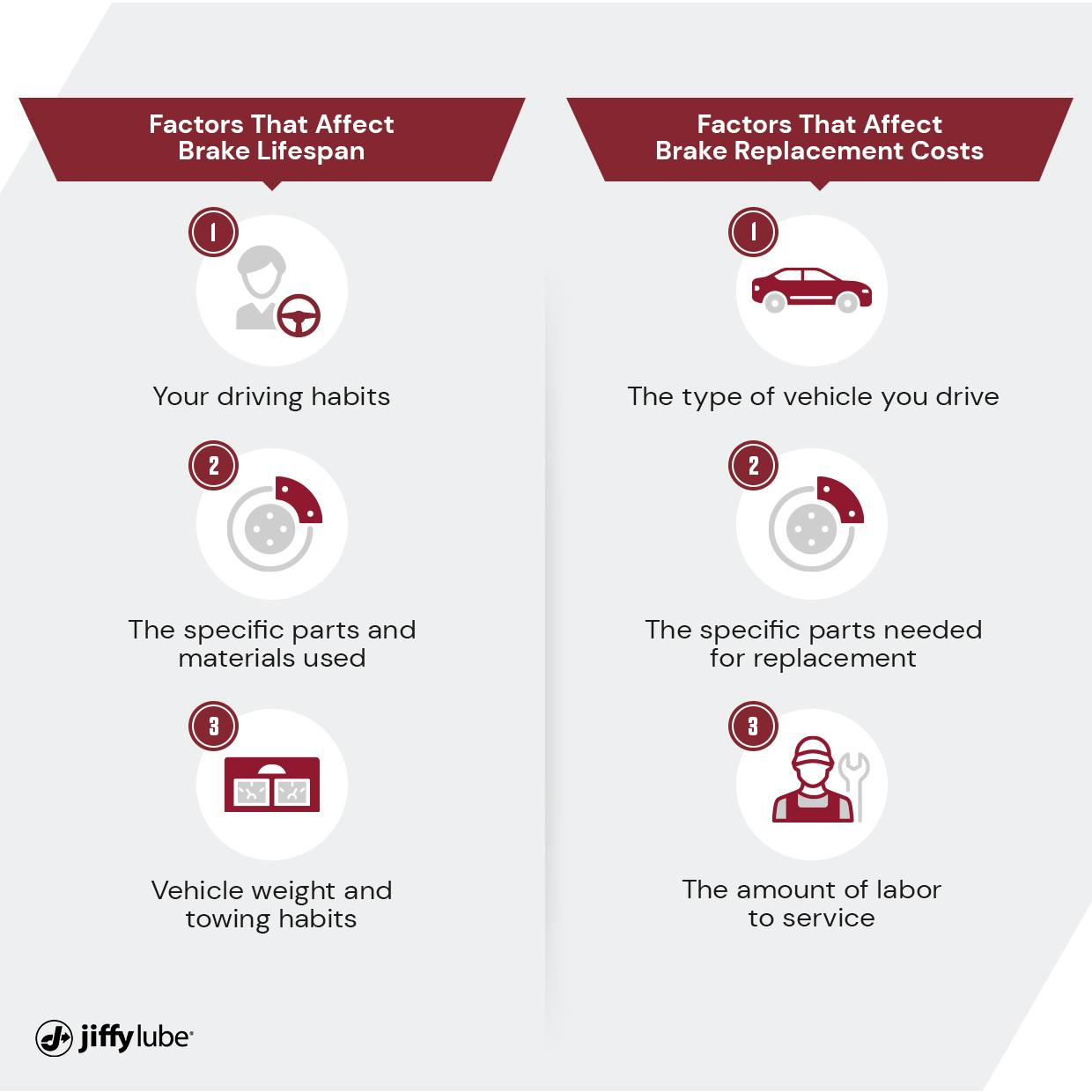
Brake and rotor replacement costs vary widely. Several key factors change the price. Understanding these helps you plan your budget better.
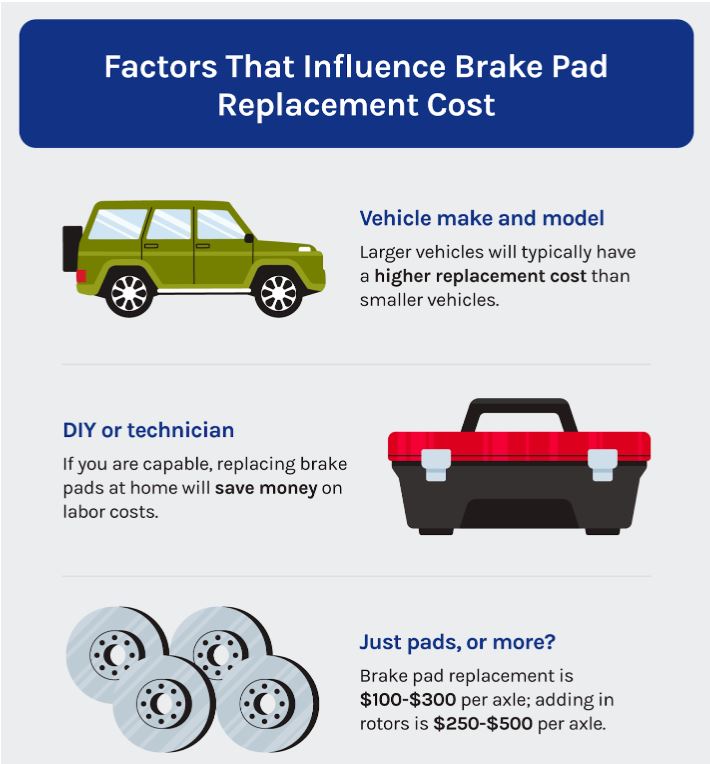
Vehicle Make And Model
Different cars need different brake parts. Luxury cars often have expensive components. Small cars usually require cheaper parts. Some models use special rotors or pads. This raises the overall cost of repair.
Quality Of Parts
Brake parts come in various qualities. OEM parts match the original exactly. These parts cost more but last longer. Aftermarket parts are cheaper but may wear out fast. Choosing quality parts affects safety and price.
Labor Charges
Labor fees depend on the shop and location. Dealerships often charge more for service. Independent mechanics usually have lower rates. Complex brake systems take more time to fix. This increases the labor cost on your bill.
Average Price Ranges
Understanding the average price ranges for brakes and rotors helps plan your car maintenance budget. Prices vary by quality, brand, and vehicle type. Knowing the typical costs can guide your choice without overspending.
Budget Options
Budget brakes and rotors usually cost between $100 and $200. These parts offer basic performance and meet safety standards. They suit older cars or drivers with low mileage. Expect shorter lifespan compared to higher-end products.
Mid-range Choices
Mid-range sets range from $200 to $400. These parts balance quality and price well. They last longer and provide better stopping power. Ideal for daily drivers who want reliable performance without high costs.
Premium Products
Premium brakes and rotors cost $400 and above. They use advanced materials and technology. Designed for high-performance or luxury vehicles. Offer superior durability, heat resistance, and braking precision.
Credit: www.jiffylube.com
Signs You Need New Brakes Or Rotors
Brakes and rotors are vital for safe driving. Knowing when to replace them saves money and keeps you safe. Signs of worn brakes or rotors appear in sound, feel, and look. Notice these signs early to avoid bigger problems.
Noises And Vibrations
Listen for squealing or grinding sounds. Squeals mean brake pads are thin. Grinding means pads are gone, and metal hits metal. Feel vibrations when pressing the brake pedal. Shaking pedals suggest warped rotors. Strange noises and shakes mean service is needed soon.
Reduced Braking Performance
Brakes should stop the car quickly and smoothly. If the car takes longer to stop, brakes are worn. Soft or spongy brake pedals also show a problem. The car may pull to one side when braking. These issues reduce safety. Immediate brake check is important.
Visual Wear Indicators
Look at brake pads through the wheel spokes. Pads thinner than 1/4 inch need replacement. Deep grooves or scoring on rotors show wear. Rust or cracks on rotors signal damage. Some pads have built-in wear indicators that make noise. Regular visual checks help catch problems early.
Diy Vs Professional Replacement
Deciding between DIY and professional brake and rotor replacement affects your budget and safety. Both options have benefits and risks. Understanding these can help you choose the right path for your car and wallet.
Pros And Cons Of Diy
Doing the job yourself saves labor costs. You pay only for parts. This can lower the total expense significantly.
Working on your brakes teaches valuable skills. It gives a sense of accomplishment. But brake work requires careful attention and correct tools.
Risks include incorrect installation and safety issues. Mistakes can lead to brake failure. It may also void your car warranty.
DIY suits those with mechanical experience. Beginners might find the task hard and time-consuming.
When To Seek Professional Help
Professional mechanics have the right tools and knowledge. They ensure the brakes and rotors work perfectly. This boosts your safety on the road.
Complex brake systems or unusual noises need expert checks. Professionals spot hidden problems early. They provide guarantees for their work.
Choose professionals if you lack time or confidence. Also, seek help if your car is new or under warranty.
Paying for professional service may cost more upfront. It reduces the chance of costly mistakes later.
Saving Money On Brake And Rotor Replacement
Saving money on brake and rotor replacement matters to many car owners. These parts wear out over time and need timely replacement. Costs can add up quickly without smart choices. Simple steps can help reduce expenses. Understanding options and maintenance tricks makes a big difference.
Choosing The Right Parts
Select parts that fit your car well. OEM parts cost more but last longer. Aftermarket parts offer lower prices and good quality. Look for parts with good reviews. Avoid very cheap parts; they may wear out fast. Balance cost and quality to save money overall.
Negotiating Labor Costs
Ask for quotes from several mechanics. Compare prices and services offered. Some shops may lower prices for repeat customers. Check if they offer package deals for brakes and rotors. Always ask for a clear estimate before work starts. Don’t pay for extra services you don’t need.
Maintenance Tips To Extend Lifespan
Drive gently to reduce brake wear. Avoid sudden stops and heavy braking. Keep wheels clean to prevent rotor damage. Check brake fluid regularly and change it as needed. Regular inspections catch problems early. Proper care means parts last longer and cost less to replace.

Credit: www.youtube.com
Frequently Asked Questions
How Much Do Brake Pads Typically Cost?
Brake pads usually cost between $30 and $75 per axle. Prices vary based on vehicle type and pad quality. Labor can add $80 to $150 to the total cost. Always check for warranty and brand reputation when choosing pads.
What Is The Average Price For Rotor Replacement?
Rotor replacement generally costs between $40 and $100 per rotor. Prices depend on rotor type and vehicle model. Labor charges often range from $80 to $150. Replacing both rotors and brake pads together can save money.
Can I Replace Brakes And Rotors Myself?
Yes, if you have mechanical skills and proper tools. DIY replacement saves labor costs but requires time and caution. Follow vehicle-specific instructions to ensure safety and performance. Consult professional help if unsure or inexperienced.
How Often Should Brakes And Rotors Be Replaced?
Brake pads usually last 30,000 to 70,000 miles. Rotors may need replacement every 50,000 to 70,000 miles. Signs of wear include noise, vibration, and reduced braking. Regular inspections help maintain safety and avoid costly repairs.
Conclusion
Brake and rotor costs vary by car type and part quality. Choose reliable parts to keep your vehicle safe. Regular maintenance helps avoid expensive repairs later. Shop around to find fair prices and good service. Always balance cost with safety and durability.
Understanding these costs helps you make smart choices. Keep your brakes in good shape for peace of mind.