

Are your brakes making strange noises or feeling less responsive? You might be wondering, “How much is new brake rotors going to cost me?” Knowing the price before you make a decision can save you stress and help you avoid surprises.
You’ll get clear answers about the cost of brake rotors, why prices vary, and how to choose the best option for your car and budget. Keep reading to protect your safety and your wallet.
Brake Rotors Price Range
Brake rotors come in different types and prices. Knowing the price range helps plan your budget. Prices depend on the rotor type and quality. Choosing the right rotor affects your car’s braking and safety.
Standard Rotors Costs
Standard rotors are the most common choice. They work well for daily driving and regular use. Prices range from $30 to $70 per rotor. These rotors are usually made from cast iron. They offer good durability and performance for everyday needs.
Premium Rotors Costs
Premium rotors provide better heat management and less noise. They often have coatings to prevent rust. Prices range from $70 to $150 per rotor. Premium rotors last longer and improve braking feel. They suit drivers who want higher quality and reliability.
Performance Rotors Costs
Performance rotors are made for sports and heavy-duty driving. They may have slots or drilled holes for cooling. Prices range from $150 to $300 or more per rotor. These rotors improve brake response and reduce fade. They fit cars driven hard or in tough conditions.
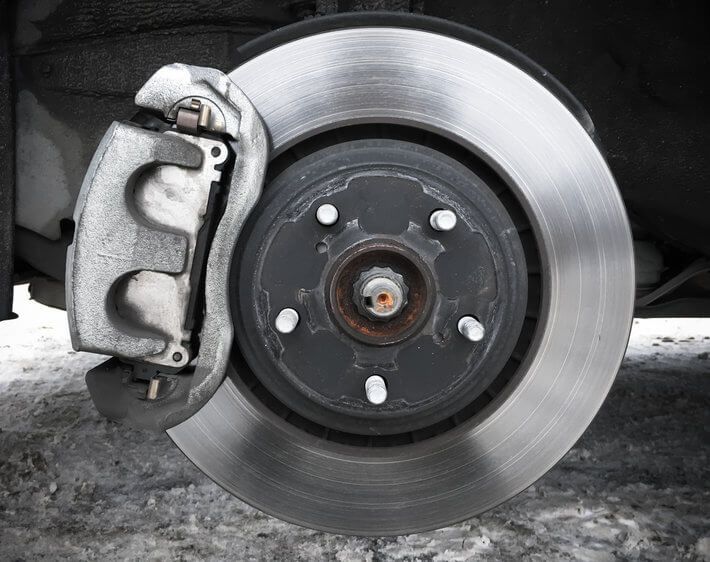
Credit: www.tiresplus.com
Factors Affecting Rotor Prices
Brake rotors come in different prices. Several factors affect how much they cost. Understanding these factors helps you know what to expect. This guide explains the main things that change rotor prices.
Material Types
Brake rotors come in various materials. Cast iron is common and usually the cheapest. It lasts long and works well for most cars. Steel rotors are stronger but cost more. Carbon-ceramic rotors are the most expensive. They are light and handle heat better. The material type plays a big role in price.
Rotor Size And Thickness
Rotors vary in size and thickness. Bigger rotors take more material to make. They cost more because of that. Thicker rotors also cost more. Thicker rotors last longer and resist warping. The size and thickness depend on your vehicle’s needs. This affects the final price you pay.
Vehicle Make And Model
Different cars need different rotors. Some rotors fit many models. Others are made for specific brands. Luxury or sports cars often need special rotors. These cost more because they are less common. The make and model of your car impact rotor prices a lot.
Labor Costs For Rotor Replacement
Labor costs play a big role in the total price of new brake rotors. Changing rotors is not just about the parts. The work needed to remove old rotors and install new ones takes time and skill. This section explains the labor costs for rotor replacement. It helps you understand what to expect when paying for this service.
Diy Vs Professional Installation
Doing the job yourself can save money on labor. But it needs tools and some car knowledge. Mistakes can cause safety issues or more damage. Professional mechanics have experience and tools to do the job right. They can also spot other brake problems during the work. Choosing between DIY and professional depends on your skills and comfort level.
Average Labor Rates
Labor rates vary by location and shop type. On average, mechanics charge between $80 and $150 per hour. Rotor replacement usually takes 1 to 2 hours. Expect to pay around $100 to $300 for labor alone. Some shops offer flat rates for brake jobs. Checking rates at several shops helps find the best price.
Additional Services And Fees
Extra charges may apply beyond labor and parts. Services like brake fluid replacement or wheel alignment cost extra. Shops sometimes add fees for disposal of old rotors. Taxes and shop supplies fees can also increase the bill. Always ask for a full estimate before work starts. This helps avoid surprises when you get the final bill.
Signs You Need New Rotors
Brake rotors are key parts of your car’s brake system. They help slow or stop the wheels. Over time, rotors wear out and need replacement. Knowing the signs of worn rotors can save your car and keep you safe on the road.
Watch for changes in how your brakes sound, feel, or look. These signs often mean your rotors need checking or replacing soon.
Brake Noise And Vibrations
Squealing or grinding sounds during braking show rotor problems. These noises come from worn or damaged rotor surfaces. Vibrations in the brake pedal or steering wheel also signal rotor issues. They mean the rotors might be warped or uneven.
Visible Rotor Damage
Look at your rotors through the wheel spokes. Deep grooves, cracks, or rust spots mean damage. Warped rotors may look uneven or bent. Any visible damage affects braking power and needs fixing fast.
Brake Performance Issues
Longer stopping distances and a soft brake pedal warn of rotor wear. Your car might pull to one side when braking too. These problems reduce control and indicate the rotors are no longer working well.
Comparing Rotor Brands
Choosing the right brake rotors affects safety and cost. Different brands offer various quality and prices. Knowing these options helps you pick the best fit for your car and budget. Below, we compare rotor brands by price and performance categories.
Top Budget Brands
Budget rotors suit daily driving and light use. Brands like Centric and Wagner offer reliable parts. They use standard materials and simple designs. These rotors cost around $30 to $50 each. Ideal for drivers who want to save money without sacrificing safety.
Mid-range Options
Mid-range rotors provide better durability and performance. Brands like Bosch and ACDelco use improved materials. They offer features like slotting or drilling for heat control. Prices usually range from $50 to $100 each. These rotors suit frequent city or highway driving.
High-end Brands
High-end rotors target performance and long life. Brands such as Brembo and EBC produce premium parts. They use advanced metals and cooling technology. These rotors often cost $100 or more each. Perfect for sporty cars or heavy-duty braking needs.
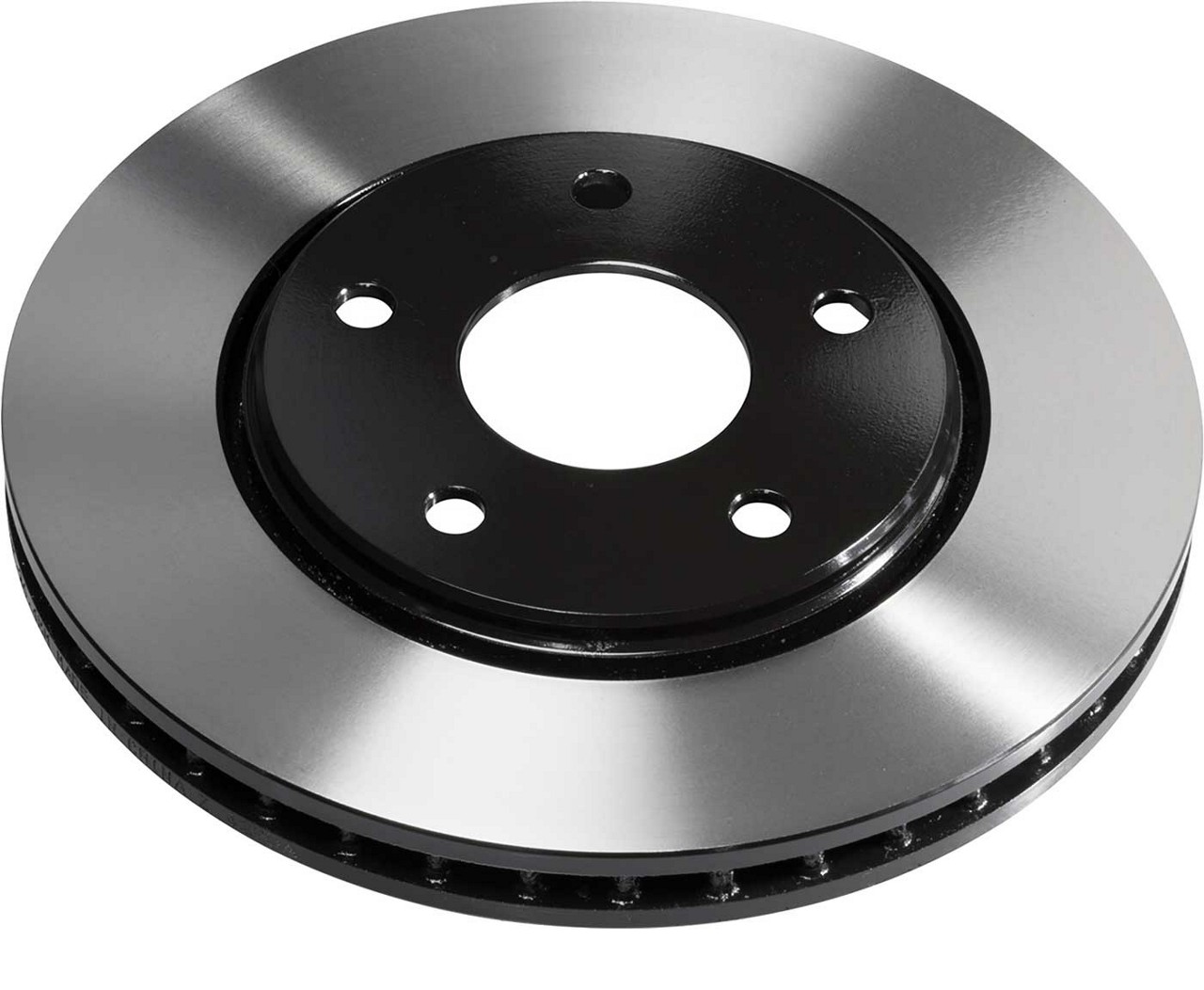
Credit: www.wagnerbrake.com
Ways To Save On Brake Rotors
Brake rotors can be costly, but saving money is possible. Simple steps help reduce expenses without sacrificing quality. Knowing where and how to buy makes a big difference. Smart choices stretch your budget and keep your car safe.
Buying Online Vs In-store
Online stores often offer lower prices on brake rotors. They sell many parts and have less overhead cost. You can compare prices quickly from different sellers. Look for trusted websites with good reviews. In-store buying lets you see the product before paying. Local shops may offer advice and installation help. Balance price with convenience and confidence.
Using Coupons And Discounts
Coupons cut the cost of new brake rotors. Many websites and stores give seasonal discounts. Sign up for newsletters to get special offers. Auto parts stores sometimes have loyalty programs. Use promo codes during checkout to save money. Combining discounts can lead to bigger savings. Always check for deals before buying.
Choosing Rebuilt Or Resurfaced Rotors
Rebuilt rotors cost less than new ones. They are cleaned and repaired to work well. Resurfaced rotors get a smooth finish to extend life. Both options are safe when done properly. Ask your mechanic if these are suitable for your car. This choice lowers price without losing quality. A good option for budget-conscious buyers.
Rotor Maintenance Tips
Brake rotors play a key role in vehicle safety and performance. Taking care of them helps extend their life and saves money on repairs. Simple maintenance steps keep rotors working well and prevent early wear. Follow these tips to keep your rotors in good shape.
Proper Driving Habits
Drive smoothly and avoid hard braking. Sudden stops cause extra heat and wear on rotors. Slow down gradually to reduce stress. Avoid riding the brakes on long downhill roads. Use engine braking to help control speed.
Regular Inspections
Check rotors often for signs of damage or wear. Look for grooves, cracks, or uneven surfaces. Listen for unusual noises when braking. Inspect brake pads too, as worn pads can harm rotors. Replace parts before they cause bigger problems.
Cleaning And Care
Keep rotors clean from dirt and rust. Use a brake cleaner spray and a soft brush. Avoid harsh chemicals that can damage the metal. Clean rotors help maintain good braking power. Check for rust build-up, especially if the vehicle sits unused.
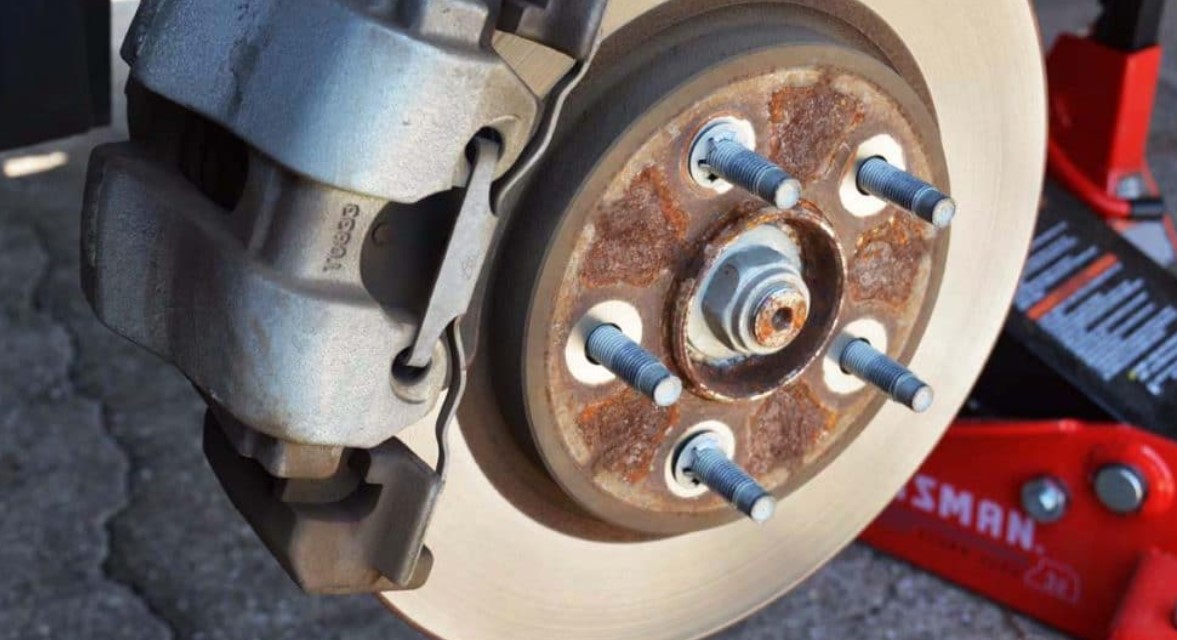
Credit: omegaautocare.com
Future Trends In Rotor Technology
Brake rotors are changing with new technology. These changes will improve safety and performance. Car makers and part producers focus on making rotors lighter, cooler, and smarter. These trends will affect how much new brake rotors cost in the future.
Lightweight Materials
New rotors use light materials like carbon composites and aluminum. These materials reduce the weight of the brake system. Lighter rotors help cars use less fuel. They also improve how the car handles. This trend will make rotors more expensive but better for efficiency.
Improved Heat Dissipation
Rotors get very hot during braking. Heat can cause brake fade and damage. New designs improve airflow and heat flow. Some rotors have special vents or slots to cool faster. Better heat dissipation means safer brakes and longer rotor life.
Smart Rotor Systems
Smart rotors include sensors to monitor wear and temperature. They connect to the car’s computer system. This helps warn drivers early about brake problems. Smart technology can lower repair costs by preventing big failures. This trend will add new features to rotors in the future.
Frequently Asked Questions
How Much Do New Brake Rotors Typically Cost?
New brake rotors usually cost between $30 and $75 each. Prices depend on the vehicle make, model, and rotor quality. Premium or performance rotors can cost more. Labor costs for installation may add to the total expense.
Are Oem Brake Rotors More Expensive Than Aftermarket?
OEM brake rotors are generally pricier than aftermarket options. OEM parts ensure exact fit and manufacturer quality. Aftermarket rotors offer budget-friendly alternatives but vary in quality. Choose based on your vehicle needs and budget.
How Often Should Brake Rotors Be Replaced?
Brake rotors should be replaced every 30,000 to 70,000 miles. Signs include vibration, scoring, or thickness below manufacturer specs. Regular inspections during brake service help determine rotor condition and replacement timing.
Can I Replace Brake Rotors Myself To Save Money?
Yes, if you have mechanical skills and tools. DIY replacement saves labor costs but requires caution and correct procedures. Improper installation can affect brake safety. Consider professional help if unsure.
Conclusion
New brake rotors cost varies by car type and quality. Choosing the right rotor helps your car stop safely. Always check prices from different shops before buying. Good brake rotors protect you and your passengers. Regular brake checks keep your car in top shape.
Remember, spending on quality parts saves money later. Safe driving starts with well-maintained brakes. Don’t wait until you hear strange noises or feel vibrations. Replace brake rotors timely for smooth and safe rides. Your car’s safety depends on these simple steps.


