

Your brakes are one of the most important parts of your car, keeping you safe every time you hit the road. But how do you know when it’s time to replace your brake pads and rotors?
Ignoring worn-out brakes can lead to costly repairs and, more importantly, dangerous situations. You’ll discover clear signs to watch for and learn exactly how often you should replace these vital components. Keep reading to protect yourself, save money, and ensure your car stops smoothly every time.

Credit: vatire.com
Signs You Need New Brake Pads
Knowing the signs of worn brake pads helps keep driving safe. Brake pads wear down over time and affect stopping power. Watching for warning signs can prevent damage to rotors and save money on repairs.
Squeaking And Grinding Noises
Squeaking sounds often mean brake pads are thin. This noise happens when metal parts touch due to worn pads. Grinding is louder and shows pads are nearly gone. Both noises need quick attention to avoid rotor damage.
Reduced Braking Performance
Slower stopping or a soft brake pedal means pads may be weak. The car might take longer to stop on roads. This problem can grow worse fast and cause safety risks. Check brakes immediately if stopping feels different.
Visible Wear Indicators
Many brake pads have small grooves called wear indicators. These grooves become visible when pads wear down too much. Seeing these signs means it is time to replace the pads. Regular visual checks help catch problems early.
.jpg)
Credit: www.cbac.com
When To Replace Brake Rotors
Brake rotors wear down over time and need replacement to keep your car safe. Rotors work with brake pads to stop your vehicle. Worn or damaged rotors reduce braking power and increase risk. Knowing when to replace rotors helps avoid costly repairs and accidents.
Check your rotors regularly. Look for signs like vibrations or deep grooves. Use a micrometer to measure thickness. These steps help decide if rotors need replacement.
Warping And Vibrations
Warped rotors cause shaking during braking. You may feel vibrations in the steering wheel or brake pedal. Warping happens from heat and stress. Replace rotors if vibrations start or get worse. Driving with warped rotors is unsafe and can damage other parts.
Scoring And Grooves
Rotors with deep grooves or scoring reduce brake effectiveness. This damage comes from worn brake pads or dirt between pad and rotor. Light grooves are normal but deep ones need attention. If you see noticeable lines or rough spots, it’s time to replace the rotors.
Thickness Measurements
Rotors wear thinner over time. Measure thickness using a brake rotor micrometer. Compare measurements to the minimum thickness listed in your car’s manual. Rotors thinner than the limit must be replaced. Thin rotors can crack or fail under stress.
Factors Affecting Brake Wear
Brake pads and rotors wear down over time. The speed of this wear depends on many factors. Knowing these factors helps you keep your brakes in good condition. It also helps you decide when to replace parts.
Brake wear varies by how you drive, your vehicle type, and the materials used in your brake pads. These elements affect how long your brakes last and how well they perform.
Driving Habits
Hard braking wears out brake pads faster. Frequent stops in heavy traffic add to wear. Driving downhill often uses brakes more. Smooth, gentle braking helps pads last longer. Aggressive driving shortens the life of both pads and rotors.
Vehicle Type And Usage
Heavy vehicles wear brakes faster than light cars. Trucks and SUVs use more brake power. City driving causes more brake wear than highway driving. Towing or carrying heavy loads speeds up brake wear. Regular use in tough conditions reduces brake life.
Brake Pad Material
Brake pads come in different materials. Organic pads wear quickly but are quiet. Semi-metallic pads last longer and cool better. Ceramic pads last the longest and make less dust. The type of pad affects wear speed and braking feel.
Recommended Replacement Intervals
Knowing when to replace brake pads and rotors is key to car safety. These parts wear out over time and need regular checks. Recommended replacement intervals help you avoid brake failure and costly repairs.
Understanding these intervals keeps your vehicle running smoothly. It also ensures your brakes perform well in all conditions. Let’s explore the main guidelines for replacing brake pads and rotors.
Manufacturer Guidelines
Car makers provide specific advice on when to replace brake parts. These guidelines appear in your vehicle’s owner manual. They often list time or mileage limits for pads and rotors.
Following manufacturer advice ensures safety and maintains warranty coverage. Different car brands and models may have varied replacement schedules. Always check these guidelines first before deciding on replacements.
Average Mileage Benchmarks
Brake pads usually last between 30,000 to 70,000 miles. Rotors tend to last longer, often around 50,000 to 70,000 miles. These numbers change based on driving style and road conditions.
Hard braking and stop-and-go traffic wear brakes faster. Smooth driving on highways can extend brake life. Checking brake parts regularly helps spot wear before problems arise.
Diy Inspection Tips
Checking your brake pads and rotors regularly helps keep your car safe. You do not need to be an expert. Simple steps can show you when to replace these parts. This saves money and avoids big repairs later.
Checking Brake Pad Thickness
Look through the wheel spokes to see the brake pads. The pad is a small strip of material on the brake caliper. If the pad is less than 3 millimeters thick, it needs to be replaced. Thin pads make braking unsafe and noisy. Use a flashlight if the area is dark. You can also remove the wheel for a closer look. Always check both front and rear brake pads.
Inspecting Rotors For Damage
Rotors are the round metal discs behind the wheels. Look for deep grooves, cracks, or rust on the rotor surface. These signs mean the rotors are worn out. Light surface rust can be normal but heavy rust weakens the rotor. Run your hand carefully over the rotor edge to feel for sharp lips or uneven spots. Damaged rotors cause vibration and poor braking. Replace or resurface rotors if you find serious damage.
Professional Brake Maintenance
Professional brake maintenance keeps your car safe and reliable. Experts check brake pads and rotors for wear and damage. They use special tools to measure thickness and spot problems early.
Regular visits to a brake specialist help prevent accidents. They clean brake parts and replace them before they fail. This service saves money by avoiding costly repairs later.
When To Seek Expert Help
Listen for squeaking or grinding noises during braking. Notice if the car pulls to one side or brake pedal feels soft. These signs mean it is time for a professional check.
Also, check brakes after driving in harsh conditions like rain or mountains. A brake expert can inspect and fix hidden damage quickly. Don’t wait for brakes to fail completely.
Benefits Of Regular Brake Service
Regular brake service improves car safety and driving comfort. It extends the life of brake pads and rotors. You avoid sudden brake failure and costly repairs.
Experts keep braking smooth and responsive. They ensure your vehicle stops well every time. This gives peace of mind on every trip.
Cost Considerations
Cost plays a big role in deciding when to replace brake pads and rotors. Knowing the expenses helps you plan your budget. It also prevents surprises when the bill arrives. Understanding the cost of parts and labor keeps you informed. This section breaks down common costs for brake pads and rotors.
Brake Pad Replacement Costs
Brake pad prices vary by car type and quality. Basic brake pads cost less but wear faster. High-quality pads last longer but cost more upfront. Labor fees depend on the mechanic and location. On average, replacing brake pads costs between $100 and $300. Choosing the right pads balances price and performance. Regular checks can avoid costly damage later.
Rotor Replacement Expenses
Rotors cost more than brake pads. The price depends on rotor size and material. Standard rotors are cheaper but wear out faster. Premium rotors last longer and resist heat better. Replacing rotors usually costs $200 to $400 per axle. Labor for rotor replacement adds to the total. Some cars need rotor resurfacing, which costs less than full replacement. Keeping rotors in good shape improves braking and safety.
Extending Brake Component Life
Extending the life of your brake pads and rotors saves money and improves safety. Brake parts wear down over time, but some habits can slow this process. Small changes in driving and maintenance make a big difference. You can keep brakes working longer with simple steps.
Driving Techniques
Gentle braking reduces stress on brake pads and rotors. Avoid hard stops unless necessary. Slow down early instead of braking late. Keep distance from other cars to prevent sudden braking. Use engine braking by shifting to lower gears on hills. Smooth driving lowers heat and wear on brakes. These habits help brake parts last longer.
Routine Maintenance Practices
Check brake pads and rotors regularly for wear. Clean brake parts to remove dust and dirt. Replace brake fluid as recommended by the vehicle maker. Listen for squeaking or grinding sounds, which signal brake issues. Have a professional inspect brakes at least once a year. Timely maintenance stops small problems from becoming big repairs. Routine care keeps brakes safe and efficient.
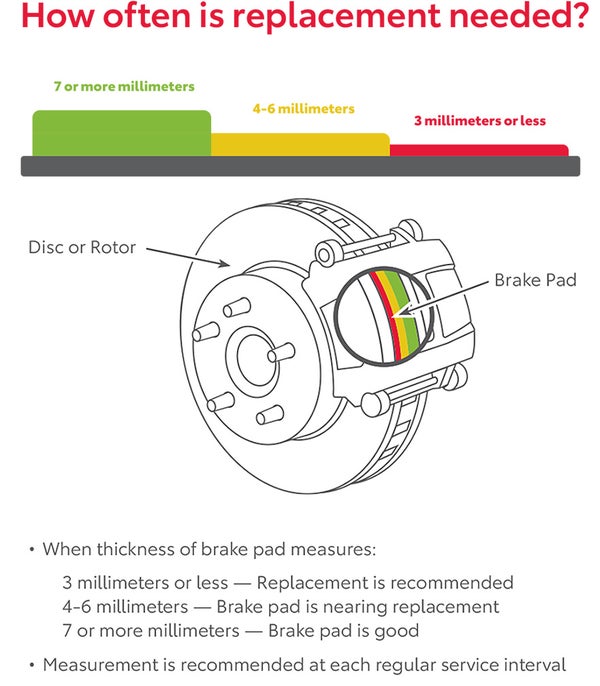
Credit: www.rosevilletoyota.com
Frequently Asked Questions
How Often Should Brake Pads Be Replaced?
Brake pads typically need replacement every 30,000 to 70,000 miles. This depends on driving habits and vehicle type. Inspect pads regularly for wear to ensure safety and optimal braking performance.
When Should Rotors Be Replaced With Brake Pads?
Replace rotors if they are warped, scored, or below minimum thickness. Often, rotors last 50,000 to 70,000 miles but inspect during pad changes for damage.
Can Worn Brake Pads Damage Rotors?
Yes, worn pads can cause rotor damage like scoring or warping. Replace pads promptly to prevent costly rotor repairs and maintain safe braking.
What Signs Indicate Brake Pads Need Replacement?
Listen for squealing or grinding noises, feel reduced braking power, or notice longer stopping distances. These signs suggest it’s time to check and replace brake pads.
Conclusion
Brake pads and rotors wear out over time. Check them regularly to stay safe. Most brake pads last about 30,000 to 70,000 miles. Rotors usually need replacement every 50,000 to 70,000 miles. Listen for squeaking or grinding sounds while driving.
Feel for vibrations when you press the brake pedal. Replace worn parts quickly to avoid bigger problems. Regular maintenance keeps your brakes working well. Don’t wait until brakes fail. Stay alert and protect yourself on the road.

