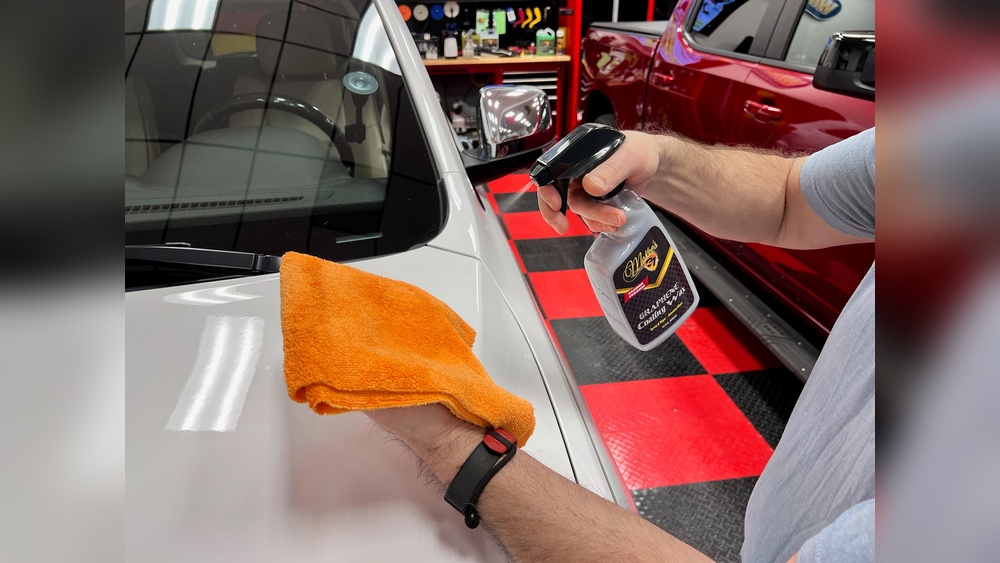
You just gave your car a fresh, flawless paint job. Now, you’re wondering when it’s safe to wax it without ruining that perfect finish.
Waxing too soon can damage the paint, but waiting too long might leave your car vulnerable to dirt and fading. Knowing exactly how long to wait before waxing can save you time, money, and frustration. You’ll discover the ideal wait time and the best tips to keep your new paint looking shiny and protected.
Keep reading to make sure your car stays in showroom condition for years to come.
Curing Time After Painting
After painting a car, the surface needs time to cure before waxing. Curing means the paint fully hardens and bonds to the car body. Waxing too soon can cause damage or leave marks on the paint. Knowing the right curing time helps protect the new paint and keep the car shiny longer.
Factors Affecting Paint Drying
Several things affect how fast paint dries on a car. Weather plays a big role. Warm, dry days help paint dry faster. Cold or humid weather slows the process. The thickness of the paint layer also matters. Thicker paint takes more time to dry. Proper ventilation in the painting area helps remove moisture. This speeds up drying too.
Types Of Paint And Their Drying Times
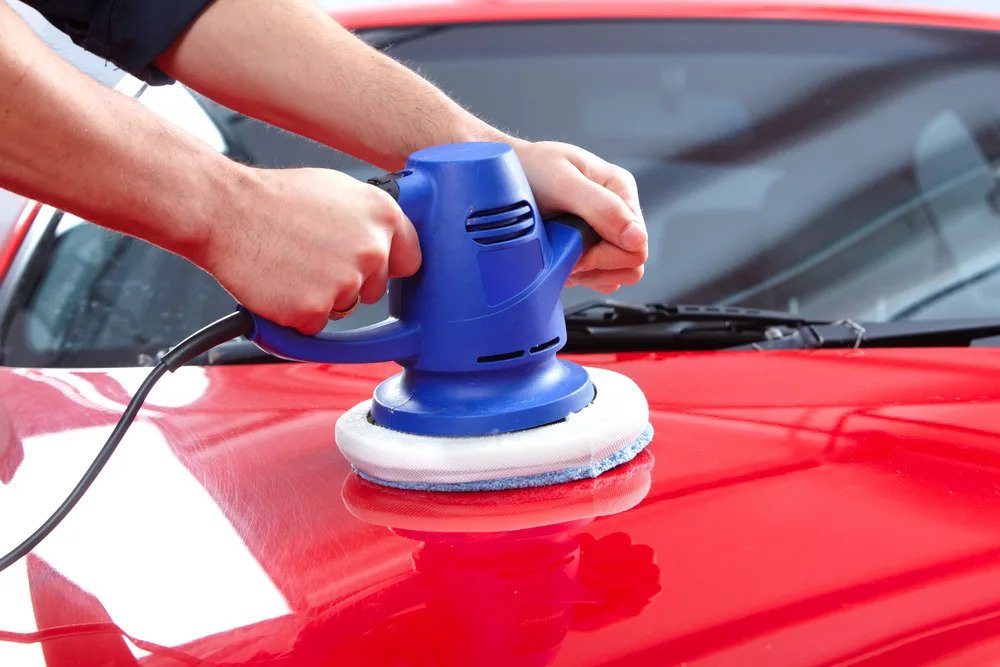
Different paints dry at different speeds. Acrylic paints usually dry fast, within a few hours. Urethane paints take longer, often 24 to 48 hours. Enamel paints need even more time to cure. Some paints require several days before waxing is safe. Always check the paint manufacturer’s instructions for drying times. This ensures the best results and protects the paint.
Credit: ethoscarcare.com
When To Wax After Painting
Knowing when to wax your car after painting is key to protecting the new finish. Waxing too soon can damage the fresh paint. Waiting the right amount of time helps the paint cure fully. This ensures the wax bonds well and shines longer. Let’s explore the best time to wax after painting.
Recommended Waiting Periods
Wait at least 30 days before waxing new paint. This gives the paint enough time to harden. Some experts suggest up to 60 days for full curing. The exact time depends on the paint type and conditions. Cooler or more humid weather can slow curing. Always follow the paint maker’s guidelines if available. Patience helps keep your paint looking great longer.
Signs Paint Is Ready For Waxing
Check the paint surface for readiness before waxing. It should feel smooth and dry to touch. The paint must not be sticky or soft. A glossy, even finish shows proper curing. If water beads on the surface, it usually means curing is done. Avoid waxing if the paint smells strong or fresh. These signs help you wax at the right time safely.
Risks Of Waxing Too Early
Waxing a car too soon after painting can cause serious problems. The paint needs time to fully harden. Waxing early traps moisture and chemicals. This affects the paint’s finish and protection.
Potential Damage To Paint
Fresh paint is soft and sensitive. Wax can clog the paint pores. This stops the paint from curing properly. Waxing too early may cause dull spots. It can also lead to uneven shine. Scratches and swirl marks may appear easily. The paint surface becomes weak and less smooth.
Impact On Paint Longevity
Wax protects paint from sun and rain. Waxing too soon limits this protection. The paint may peel or fade faster. Long-term damage reduces the car’s look. The paint may need costly repairs. Waiting helps the paint last longer. The car stays shiny and bright for years.
Credit: www.reddit.com
Choosing The Right Wax
Choosing the right wax is important after painting your car. Wax protects the new paint and keeps the shine bright. Picking the best wax helps the paint last longer. It also makes the car look fresh and clean. Understanding different wax types guides your choice. Quality wax products offer real benefits. Knowing these details helps you care for your car properly.
Types Of Wax Suitable For New Paint
Car wax comes in different types. Paste wax is thick and lasts long. It gives a deep shine but takes time to apply. Liquid wax is easier to spread. It dries fast but may not last as long. Spray wax is quick and simple to use. It gives a light shine and is good for touch-ups. Synthetic waxes work well on new paint. They protect better from dirt and water. Choose wax made for fresh paint to avoid damage.
Benefits Of Using Quality Wax Products
Quality wax protects the paint from sun damage. It stops fading and keeps colors bright. Good wax repels water and dust. This keeps the surface clean longer. High-grade waxes prevent scratches and swirl marks. They create a smooth barrier on the paint. Using quality wax means fewer car washes. It also saves money on repairs. Quality wax keeps your car looking new for years.
Waxing Process Tips
Waxing a car after painting helps protect the new finish. It adds shine and keeps dirt away. Follow these waxing process tips for the best results. Proper steps make a big difference in how long the wax lasts.
Waxing at the right time and using the right method improves the car’s look. These tips cover how to prepare and apply wax carefully. Keep your paint safe and shiny for a long time.
Preparation Before Waxing
Clean the car completely before waxing. Use a gentle car wash soap and water. Remove all dirt, dust, and grease. Dry the surface with a soft cloth. Make sure the paint is fully dry and cool to touch.
Check the paint for any rough spots or imperfections. Use a clay bar if needed to remove any stuck particles. This step helps wax stick better and look smooth. Avoid waxing in direct sunlight or hot weather.
Proper Wax Application Techniques
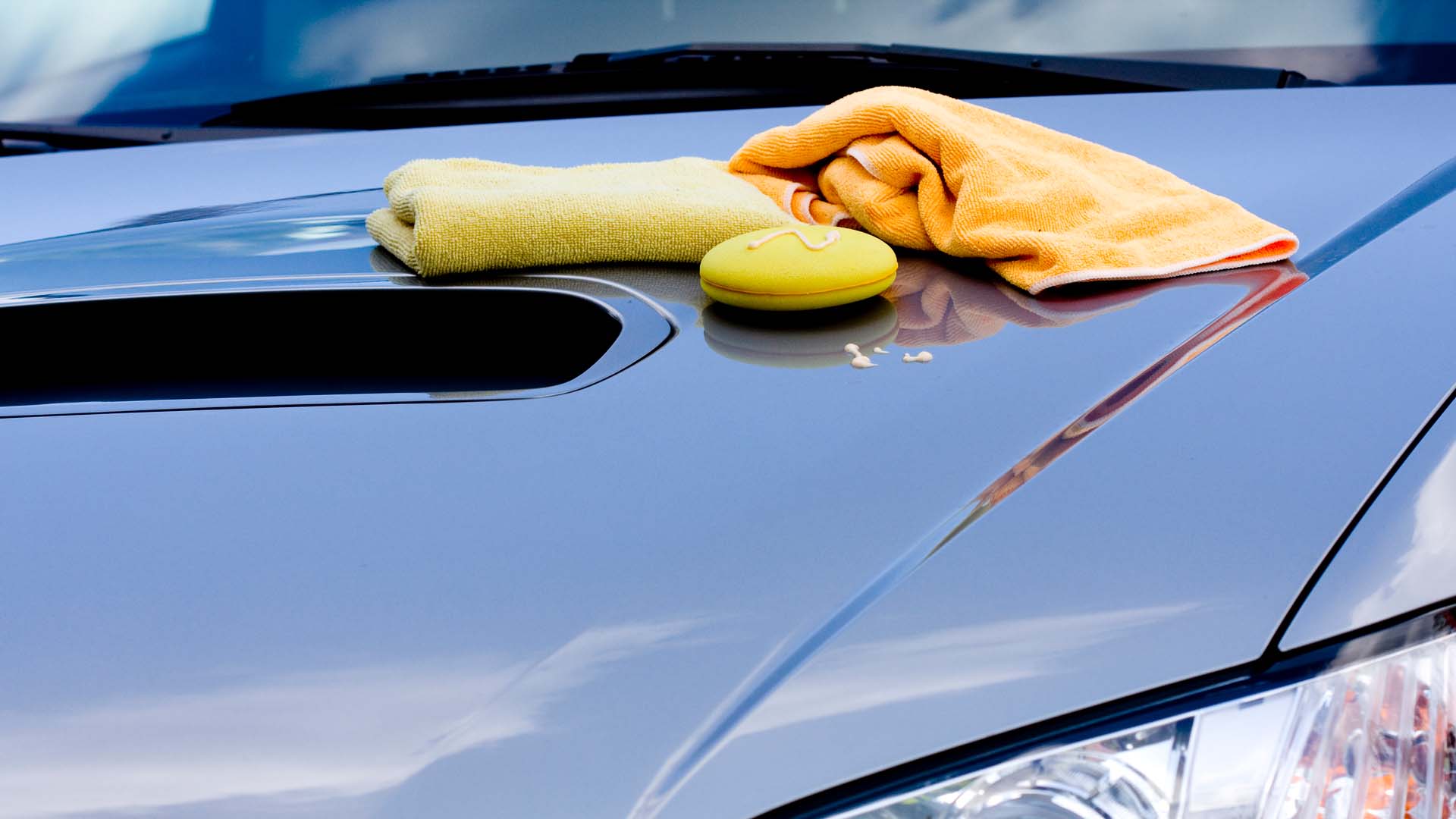
Use a small amount of wax on a soft applicator pad. Apply wax in thin, even layers. Use circular motions to cover the surface gently. Avoid pressing too hard to prevent streaks or damage.
Work on one section at a time. Let the wax dry until it becomes hazy. Use a clean microfiber cloth to buff the wax off. Buffing brings out the shine and smooth finish. Repeat the process if needed for extra protection.
Credit: www.thedrive.com
Maintenance After Waxing
After waxing your car following a fresh paint job, maintenance keeps your car looking great. Wax adds a protective layer. This layer needs care to last long and work well. Proper upkeep helps keep the shine and defends the paint from damage.
Regular maintenance also stops dirt and grime from building up. This keeps the wax layer smooth and effective. Simple steps help your car stay clean and shiny for months.
Frequency Of Waxing
Wax your car every three to four months. This keeps the paint shield strong. Some climates need more frequent waxing. Hot sun or heavy rain can wear wax faster. Check your car’s shine often. Reapply wax when the surface looks dull or dry.
Protecting Your Paint Long-term
Wash your car with mild soap, not harsh chemicals. Use soft cloths or sponges to avoid scratches. Park in shaded areas to reduce sun damage. Avoid parking under trees that drop sap or leaves. Cover your car if you cannot park indoors. These steps keep the wax layer intact longer. Good care extends the life of your paint and wax.
Frequently Asked Questions
How Long Should I Wait To Wax After Painting A Car?
You should wait at least 30 days before waxing a freshly painted car. This allows the paint to fully cure and harden. Waxing too soon can damage the paint or cause uneven finish. Patience ensures the best protection and shine.
Can Waxing Too Early Harm New Car Paint?
Yes, waxing too early can trap solvents and moisture. This may cause paint imperfections or dullness. Always wait for the recommended curing period before waxing. Proper timing preserves the paint’s integrity and enhances its durability.
Is It Necessary To Wax Immediately After Painting?
No, immediate waxing is not necessary. The paint needs time to cure fully. Waxing too soon can harm the finish. Waiting ensures maximum paint protection and a smooth, glossy look.
What Happens If I Wax A Car Before Paint Cures?
Waxing before paint cures can cause unevenness and dull spots. It may also trap chemicals, leading to long-term damage. Always follow the paint manufacturer’s curing time before waxing. This maintains the paint’s quality and appearance.
Conclusion
Waiting at least 30 days before waxing helps protect your car’s new paint. The paint needs time to fully harden and cure. Waxing too soon can damage the finish or cause spots. After a month, waxing keeps your car shiny and safe from dirt.
Regular waxing also makes cleaning easier. Patience pays off with a better, longer-lasting look. Follow this timeline for the best results and enjoy your freshly painted car. Simple care steps help your vehicle stay beautiful for years.