

You want your car to look its best, right? Keeping that shiny, smooth finish isn’t just about pride—it protects your investment.
But how often should you actually buff and wax your car to keep it looking fresh and shielded from damage? If you’re unsure whether you’re overdoing it or not doing enough, this guide will clear things up for you. By the end, you’ll know exactly when and why to buff and wax your car, saving you time, money, and frustration.
Keep reading to unlock the secret to a flawless, long-lasting shine.
Benefits Of Buffing And Waxing
Buffing and waxing your car brings many benefits. These simple steps keep your car looking fresh and protect it. They improve the car’s appearance and extend the life of the paint. Regular care helps maintain your car’s value and keeps it shining longer.
Protecting The Paint
Wax forms a barrier against dirt, rain, and sun. It shields the paint from harmful UV rays that cause fading. Buffing removes old layers and prepares the surface for new wax. This protection stops rust and damage from chemicals or bird droppings.
Enhancing Shine
Buffing smooths the paint surface by removing dull spots. Wax adds a glossy finish that makes the color pop. This shine gives your car a clean and polished look. A shiny car looks newer and well cared for.
Removing Surface Imperfections
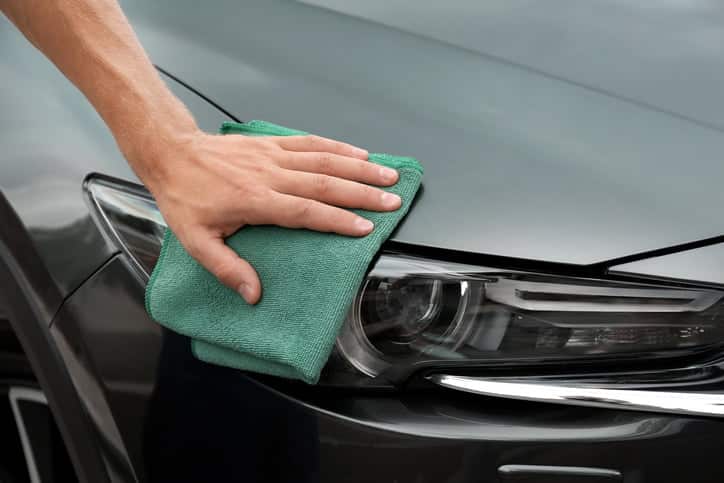
Buffing helps erase minor scratches and swirl marks. It smooths out rough patches on the paint. Wax fills in tiny flaws and evens the surface. These steps improve the car’s overall appearance and smoothness.
Credit: www.simoniz.uk
Buffing Frequency
Buffing frequency is key to keeping your car’s paint smooth and shiny. Buffing removes small scratches and dull spots from the surface. Doing it too often can wear down the paint, but not enough can leave your car looking tired. Finding the right balance helps your car look its best and lasts longer.
When To Buff Your Car
Buff your car every 6 to 12 months. This depends on the car’s exposure to sun, dirt, and weather. If you park outside daily, buffing every 6 months works well. For garage-kept cars, once a year is enough. Always check your car’s paint before deciding.
Signs Your Car Needs Buffing
Look for dull or faded paint. Small scratches or swirl marks show up under bright light. Water spots that won’t wash away are another sign. If the surface feels rough or uneven, it needs buffing. These signs mean your car’s paint needs care.
Risks Of Over-buffing
Buffing too often can thin the paint layer. This exposes the metal under the paint. It can cause rust and permanent damage. Over-buffing can also cause uneven color and shine. Always follow a proper schedule to protect your paint.
Waxing Frequency
Waxing your car protects the paint and keeps it shiny. The frequency of waxing depends on several factors like climate, wax type, and car use. Regular waxing helps shield your car from dirt, sun damage, and water spots. Here’s a guide on how often to wax your car for the best results.
Ideal Waxing Schedule
Most cars benefit from waxing every three months. This schedule keeps the paint protected and glossy. In harsh weather, waxing every two months may be better. For indoor cars or those rarely driven, every four months can work. Pay attention to the car’s shine and water beading. These signs tell you when to wax again.
Different Types Of Wax
Car waxes come in several types: natural, synthetic, and hybrid. Natural waxes, like carnauba, offer deep shine but wear off faster. Synthetic waxes last longer but may not shine as brightly. Hybrid waxes combine both benefits. Choose a wax based on how often you want to apply it. Longer-lasting wax means fewer applications.
Waxing After Buffing
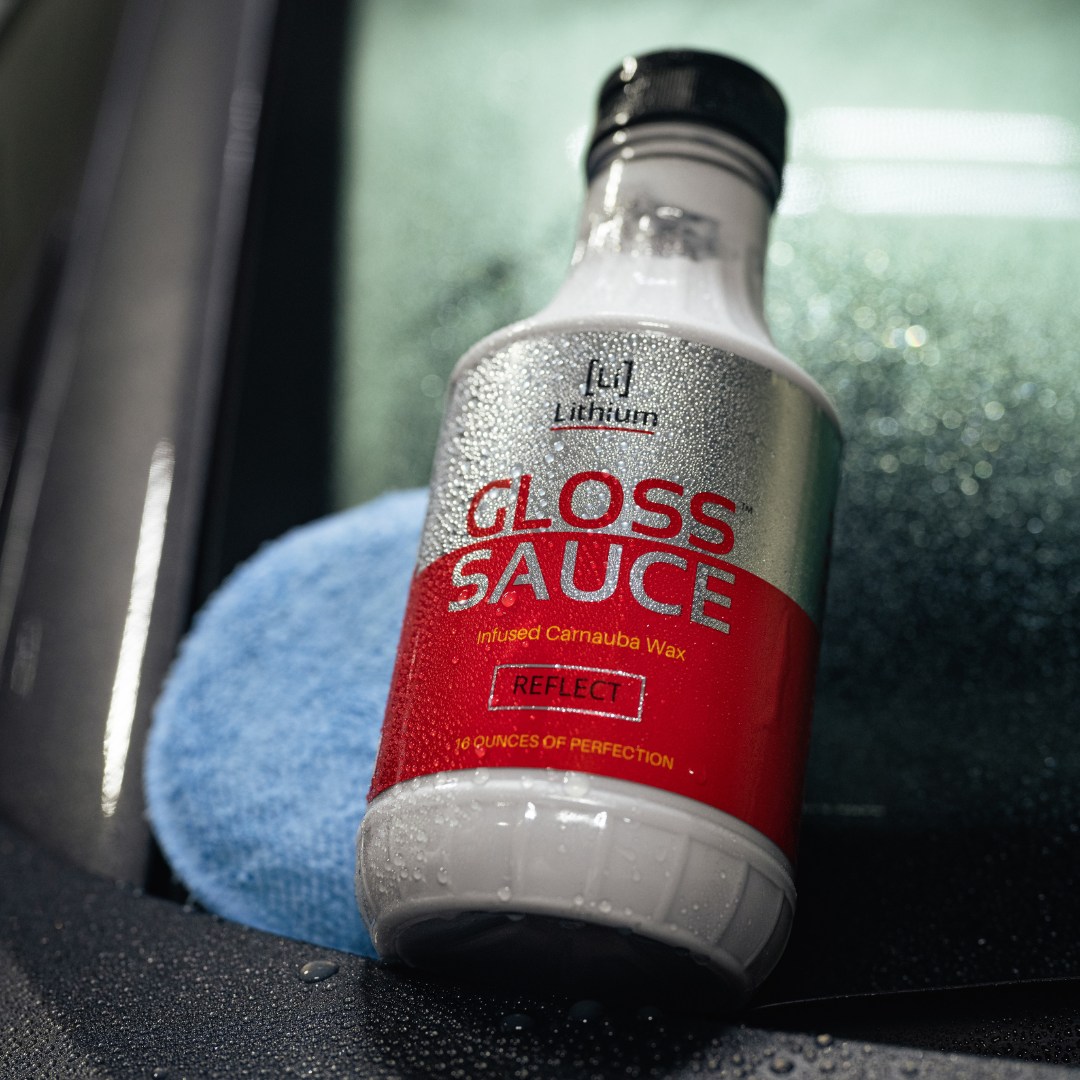
Buffing removes scratches and smooths the paint surface. After buffing, the paint needs extra protection. Waxing right after buffing seals the surface and adds shine. It also helps the wax stick better to the paint. Wait a few hours after buffing, then apply wax evenly. This step keeps your car looking fresh and protected.
Credit: lithiumautocare.com
Seasonal Care Tips
Seasonal care plays a key role in keeping your car’s paint fresh and shiny. Each season brings different challenges for your vehicle’s exterior. Buffing and waxing at the right times protect your car from harsh elements. This helps maintain the finish and extends the life of your paint.
Tailoring your care routine by season ensures the best protection. Let’s explore important tips for winter, summer, and after road trips. These simple steps keep your car looking great all year long.
Winter Protection
Winter weather causes salt and grime to build up on your car. This dirt can eat away at the paint if left untreated. Buffing before winter removes old wax and smooths out rough spots. Waxing adds a strong layer that shields against salt and moisture. Use a high-quality wax made for cold weather. It helps prevent rust and paint damage during icy months.
Summer Maintenance
Summer sun and heat can dull your car’s paint quickly. Buffing in early summer removes oxidation and minor scratches. Apply a fresh coat of wax to protect against UV rays. Wax also creates a barrier against bird droppings and tree sap. These can stain or eat through the clear coat if not cleaned fast. Regular waxing keeps your paint bright and glossy.
Post-road Trip Care
Long trips expose your car to bugs, dust, and road salts. These elements stick to the surface and can cause damage over time. After a road trip, wash your car thoroughly. Buff to smooth out any rough patches or minor damage. Follow with a wax coat to restore protection. This simple routine helps your car recover and stay shiny.
Tools And Products
Buffing and waxing your car keeps its paint smooth and shiny. Choosing the right tools and products makes the process easier and more effective. Using poor-quality items can damage your car’s surface or give weak results. This section helps you pick the best buffing tools and wax for your car.
Choosing Buffing Tools
Pick soft buffing pads to avoid scratching the paint. Foam pads work well for most cars. Microfiber cloths are good for hand buffing. Electric buffers save time but need careful handling. Use low speed to prevent paint burns. Replace pads often to keep them clean and effective.
Selecting The Right Wax
Car wax comes in paste, liquid, and spray forms. Paste wax lasts longer but needs more effort. Liquid wax is easier to apply and remove. Spray wax is quick but less durable. Choose wax designed for your car’s paint type. Check for UV protection in the wax to guard against sun damage.
Diy Vs Professional Services
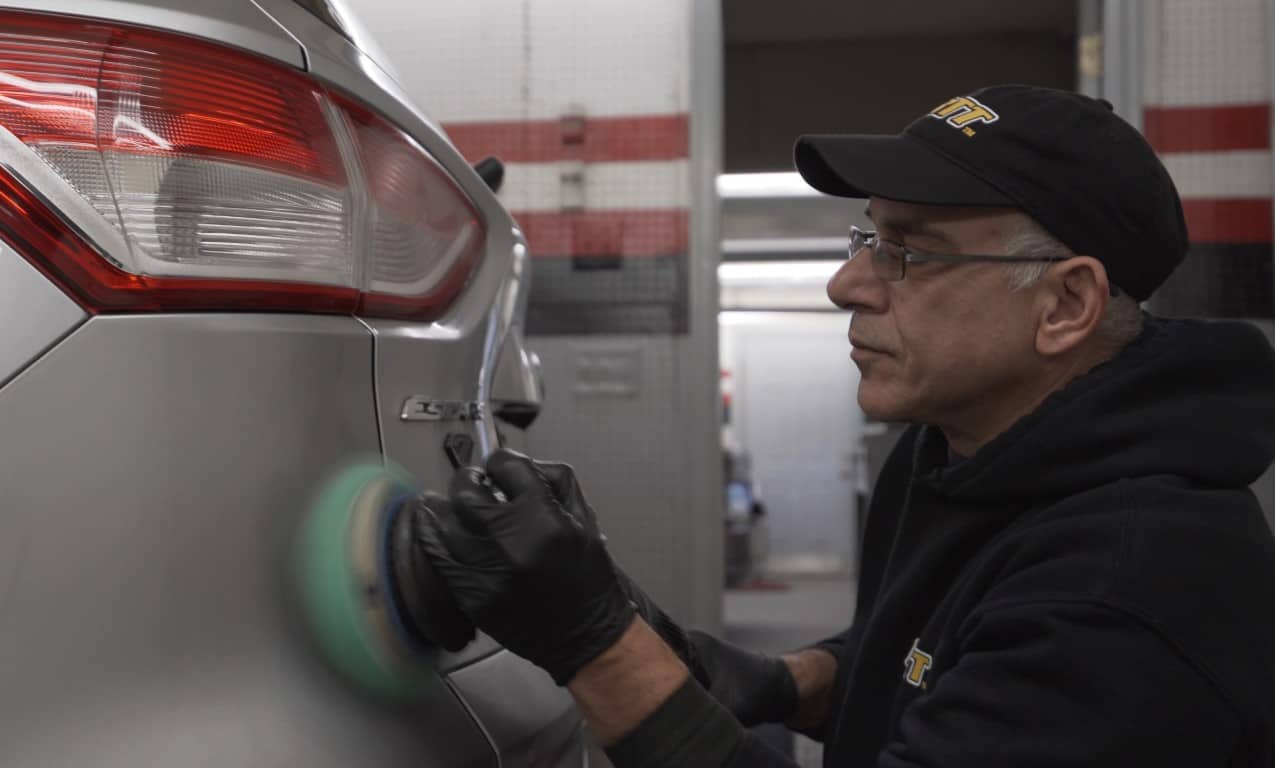
DIY buffing and waxing save money and offer control. You learn your car’s needs and maintain it regularly. Professionals have better tools and skill for deep polishing. They can fix paint problems and add strong protection. Consider your budget, time, and comfort before deciding.
Credit: difioredetail.com
Common Mistakes To Avoid
Buffing and waxing your car keeps it shiny and protected. Many car owners make mistakes that can damage the paint. Knowing what to avoid helps keep your car looking great longer.
Some common errors can reduce the benefits of buffing and waxing. Avoiding these mistakes saves time and money.
Buffing Too Often
Buffing removes a thin layer of paint. Doing it too often wears down the paint over time. Limit buffing to a few times a year. This keeps the paint safe and smooth.
Using Harsh Chemicals
Strong chemicals can damage your car’s finish. Avoid using cleaners not made for cars. Choose products designed to protect paint. Gentle products keep the surface healthy and shiny.
Ignoring Paint Condition
Check the paint before buffing or waxing. Old or damaged paint needs special care. Buffing on poor paint can cause more harm. Fix paint issues first, then protect with wax.
Step-by-step Buff And Wax Process
Buffing and waxing your car keeps it looking fresh and protects the paint. The process is simple but needs care and patience. Follow these steps to get the best results and keep your car shining.
Preparing The Surface
Start by washing your car thoroughly. Dirt and dust can scratch the paint during buffing. Use car shampoo and water for a clean surface. Dry the car with a soft towel or chamois. Check for any paint chips or damage. Fix those before moving on. The surface must be clean and dry to work well.
Buffing Techniques
Choose a quality buffer or use a soft cloth for hand buffing. Apply a small amount of polish or compound on the pad. Work on one small section at a time. Use gentle, circular motions to remove surface scratches. Keep the buffer moving to avoid heat buildup. Stop when the paint looks smooth and shiny. Repeat for the whole car, section by section.
Applying Wax Properly
Pick a wax suitable for your car’s paint type. Apply a thin, even layer with a foam applicator or soft cloth. Work in small sections, using circular motions. Let the wax dry until it feels hazy or matte. Use a clean microfiber cloth to buff off the wax. Buff in gentle, circular motions to bring out the shine. Wax protects the paint and keeps it smooth longer.
Frequently Asked Questions
How Often Should I Buff My Car For Best Results?
Buff your car every 3 to 6 months to remove surface scratches and restore shine. Over-buffing can damage paint, so avoid doing it too frequently.
When Is The Right Time To Wax My Car?
Wax your car every 2 to 3 months to protect the paint from UV rays and dirt. Waxing regularly maintains a glossy finish and adds a protective layer.
Can I Buff And Wax My Car On The Same Day?
Yes, you can buff and wax your car on the same day. Buff first to smooth the surface, then apply wax for protection and shine.
What Signs Indicate My Car Needs Buffing Or Waxing?
Look for dullness, water spots, or minor scratches to know when to buff or wax. These signs show your car’s paint needs restoration or protection.
Conclusion
Buffing and waxing your car keeps it looking fresh and shiny. Aim to buff your car every three to six months. Wax your car about two to four times a year. These steps protect the paint and stop damage from dirt and sun.
Regular care helps your car last longer and stay valuable. A clean car always makes a great impression. Keep a simple schedule to maintain your car’s look. Small efforts bring big results over time. Take care of your car, and it will take care of you.


