

Buying a new car is exciting, but you might wonder: how many miles should a new car have? You want to make sure you’re getting the best value and a reliable ride.
Knowing what to expect can save you from surprises and help you make a smarter decision. You’ll discover the truth about new car mileage and what it means for you. Keep reading to find out exactly what to look for before you drive off the lot.
Credit: promeca.pro
Ideal Mileage For New Cars
Understanding the ideal mileage for new cars helps buyers make smart choices. Mileage shows how much a car has been used. It affects the car’s value and condition. New cars usually have some miles from testing and delivery. Knowing the right mileage range can avoid surprises and ensure good quality.
Factory Mileage Standards
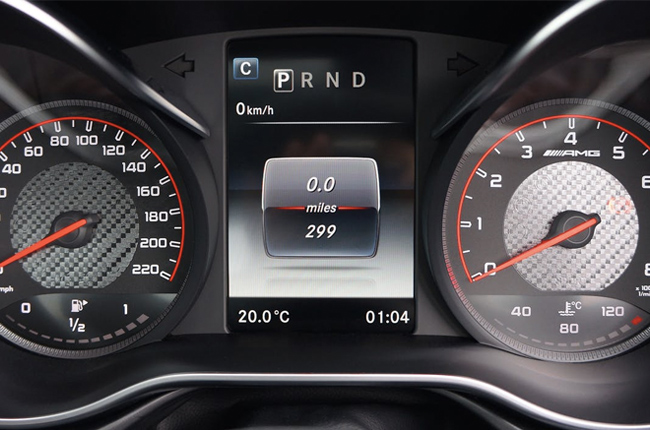
New cars often come with a small number of miles. Factories run tests before delivery. These tests add about 5 to 15 miles. Some cars may have more miles if they traveled far to dealers. Most new cars have under 20 miles on the odometer. This range keeps the car almost brand new.
Mileage Expectations For Different Models
Small cars usually have fewer miles at delivery. They need less testing and transport. Trucks and SUVs may have higher miles due to extra checks. Luxury cars sometimes have more miles because of detailed inspections. Electric cars have similar mileage to gas cars on delivery. Always check the mileage and condition before buying. This helps match the car with your needs.
Breaking In A New Car
Breaking in a new car is an important step. It helps the engine and parts settle properly. This process can extend your car’s life and improve performance. Taking care during the first miles is key. Small actions now can prevent big problems later.
First 500 Miles Guidelines
Drive gently for the first 500 miles. Avoid hard acceleration and sudden stops. Keep the speed under 55 mph. This helps the engine parts fit together well. Changing speeds often helps the engine adjust. Do not use cruise control during this time. It allows the engine to experience varied loads.
Engine And Tire Care Tips
Check the engine oil after the first 500 miles. Change the oil if the manual suggests it. Use the recommended oil type and amount. Tires also need attention early on. Keep tires inflated to the right pressure. Avoid sharp turns and fast cornering. This helps tires wear evenly. Proper care now keeps your car running smooth.
Effects Of Mileage On Performance
Mileage plays a big role in a car’s performance. As miles add up, the car’s parts face more stress. This affects how well the car runs and how reliable it stays. Understanding these effects helps you keep your car in good shape and avoid costly repairs.
How Mileage Impacts Engine Efficiency
Higher mileage often means the engine works harder. Over time, engine parts wear down. This can reduce fuel efficiency and power. The engine may use more fuel for the same distance. Oil and other fluids may lose their effectiveness. Regular maintenance can slow down this decline.
Signs Of Wear And Tear To Watch
Watch for strange noises like knocking or ticking. These sounds may signal engine trouble. Check for slower acceleration or rough idling. These signs show the engine struggles to perform. Look for leaks or burning smells. These can indicate worn seals or gaskets. Tires and brakes also wear with miles. Keeping an eye on these helps maintain safety and performance.
Maintenance Tips To Maximize Mileage
Keeping your new car running well helps you get the most miles out of it. Regular maintenance stops problems early. It saves money and keeps your car safe. Follow simple steps to protect your engine and parts. These tips help your car last longer and drive better.
Regular Oil Changes
Oil keeps your engine parts moving smoothly. Dirty oil can cause damage and reduce mileage. Change the oil every few thousand miles. Use the type of oil your car maker suggests. Clean oil helps the engine run cooler and longer.
Tire Rotation And Alignment
Tires wear out unevenly without rotation. Rotating tires spreads the wear evenly. Check tire alignment to avoid pulling or shaking. Good tires improve gas mileage and keep the car safe. Rotate tires every 5,000 to 7,000 miles for best results.
Checking Fluid Levels
Fluids keep your car’s systems working well. Check coolant, brake fluid, and transmission fluid often. Low fluids can cause overheating or brake failure. Top off fluids to keep your car running smoothly. Regular checks prevent costly repairs and improve performance.
Driving Habits That Preserve Performance
Good driving habits help keep a new car running well for many miles. Taking care of how you drive protects the engine and parts. This helps the car stay smooth and safe. It also lowers repair costs and keeps fuel use low. Simple changes in driving can make a big difference in car life.
Smooth Acceleration And Braking
Push the gas pedal gently. Avoid sudden starts that strain the engine. Slow down early and brake softly. Hard braking wears out brakes and tires fast. Smooth moves keep the car steady and save fuel. This habit helps the engine last longer.
Avoiding Excessive Idling
Turn off the engine if you wait long. Idling wastes fuel and causes engine wear. Long idling heats the engine parts too much. Less idling means cleaner air and better mileage. It also reduces engine problems over time.
Optimal Speed Practices
Drive at steady, moderate speeds. High speeds increase fuel use and engine stress. Slow down on rough or steep roads. Keeping a steady speed helps the car use fuel well. It also lowers chances of mechanical problems.
When To Service Your New Car
Knowing when to service your new car keeps it running well and safe. Regular maintenance stops small problems from becoming big ones. It also helps keep your warranty valid and your car’s value high. Every car has a service schedule to follow. Pay attention to these details for best results.
Manufacturer’s Service Schedule
Check the owner’s manual for your car’s service schedule. It shows exact miles and time to get service. Common services include oil changes, tire rotations, and brake checks. Sticking to this schedule helps your car last longer. The manufacturer designs it for your car’s specific needs. Follow it strictly to avoid costly repairs later.
Signs You Need Immediate Service
Watch for warning signs that need quick attention. Strange noises, like grinding or knocking, are alerts. The check engine light turning on is another sign. If the car pulls to one side or brakes feel weak, get service soon. Unusual smells or smoke also need fast checks. Acting fast can save money and keep you safe on the road.
Choosing The Right Fuel And Additives
Choosing the right fuel and additives is important for your new car’s performance. The right fuel helps the engine run smoothly. It also affects fuel efficiency and engine life. Additives can keep your engine clean and protect it from damage. Understanding fuel types and the benefits of additives can save money and avoid problems.
Fuel Types And Their Impact
Most new cars run on regular gasoline. Some cars need premium fuel for best results. Diesel fuel is used in specific diesel engines only. Using the wrong fuel can cause engine damage. Fuel quality affects how well your car performs. Higher octane fuel burns cleaner and prevents knocking. Choose fuel that matches your car’s requirements to keep it healthy.
Benefits Of Fuel Additives
Fuel additives improve fuel quality and engine cleanliness. They help remove deposits from fuel injectors and intake valves. Some additives protect against corrosion inside the fuel system. Additives can improve fuel efficiency by helping the engine burn fuel better. Using additives occasionally can extend engine life. Check your car manual before using any additive to ensure safety.

Credit: www.caranddriver.com
Technology Features That Help Monitor Mileage
Modern cars come with smart technology that helps track mileage easily. These features give drivers clear information about their car’s performance. They help spot issues early and keep the vehicle running well. Monitoring mileage is simple with these tools. Drivers can plan maintenance and save money on repairs. Technology makes car care less stressful and more efficient.
Onboard Diagnostics
Onboard diagnostics, or OBD, is built into most new cars. It reads data from the engine and other parts. This system tracks how the car is used and its mileage. It shows warning lights if something is wrong. Drivers can check this data through the dashboard or special readers. OBD helps catch problems before they get worse. It keeps mileage information accurate and easy to find.
Mobile Apps For Vehicle Health
Many car makers offer mobile apps that link to the vehicle. These apps show real-time mileage and health reports. They send alerts about oil changes, tire pressure, and more. Drivers can view trip details and fuel efficiency. Apps store service history for quick reference. They make it easy to monitor a car’s condition from anywhere. This tech keeps mileage tracking simple and clear.
Credit: www.marinechevy.com
Frequently Asked Questions
How Many Miles Does A New Car Have Initially?
New cars typically have between 5 to 20 miles on the odometer. These miles come from factory testing and transportation. It’s normal and does not affect the car’s warranty or condition.
When Should You Consider Breaking In A New Car?
Most manufacturers recommend a break-in period of 500 to 1,000 miles. During this time, avoid high speeds and heavy loads. Proper break-in ensures engine longevity and optimal performance.
Can A New Car Have Over 100 Miles Already?
Yes, some new cars may have over 100 miles from test drives and dealer inspections. This is still considered new as long as it has a clean title and warranty.
Does Initial Mileage Affect A New Car’s Resale Value?
Initial mileage under 100 miles typically doesn’t impact resale value. Buyers expect some miles from delivery and inspections. Higher miles might reduce value slightly but not significantly if the car is well maintained.
Conclusion
Choosing a new car with the right mileage matters a lot. Low miles mean less wear and tear. High miles can lower the price but may bring more repairs. Check the car’s history and condition carefully. Trust your feelings during the test drive.
Remember, a well-maintained car can last many years. Take time to compare options before deciding. Drive smart, and enjoy your new car safely.

