

Have you ever wondered how many coats of wax your car really needs? Applying wax might seem simple, but too little won’t protect your paint, and too much could leave a sticky mess.
Getting it just right can make your car shine like new and keep it safe from the elements longer. You’ll discover the perfect number of wax layers for your car, how to apply them easily, and why this small step can make a huge difference.
Keep reading—you’re about to unlock the secret to a showroom-worthy finish every time.
Credit: store.soft99usa.com
Why Wax Your Car
Waxing your car is more than just a beauty routine. It helps keep your vehicle in good shape. Regular waxing protects the paint and keeps the car looking fresh. It adds a shiny layer that makes the paint stand out.
Many car owners ask how many coats of wax are best. Understanding why you wax your car first makes this clear. Waxing is a small step with big benefits.
Benefits Of Car Wax
Wax adds a protective shield to your car’s surface. It prevents dirt and grime from sticking. This makes cleaning easier and faster. Wax also helps stop water spots and stains.
It keeps the car looking newer for longer. Wax protects against small scratches and wear. This saves money on repairs and repainting.
Protecting Paintwork
Car paint faces harsh weather and pollution daily. Sunlight can fade the color over time. Wax acts as a barrier against harmful UV rays.
It stops dirt and chemicals from damaging the paint. Wax also prevents rust by sealing out moisture. This keeps your car’s paint smooth and strong.
Enhancing Gloss
Wax brings out the deep shine of your car’s paint. It smooths the surface, reflecting light better. This makes the color look richer and brighter.
The gloss gives your car a polished, new look. A shiny car always feels cleaner and well cared for. Waxing boosts the car’s appearance instantly.
Types Of Car Wax
Choosing the right type of car wax is key to protecting your vehicle’s paint. Different waxes offer various benefits. Knowing the types helps you decide how many coats to apply. Here is a simple guide to the main types of car wax.
Natural Vs Synthetic Waxes
Natural wax comes from carnauba, a plant-based material. It gives a deep shine and rich color. It lasts a few weeks and is safe for all paints.
Synthetic wax is made in labs using polymers. It lasts longer than natural wax. It also protects better against harsh weather and dirt.
Paste, Liquid, And Spray Options
Paste wax is thick and needs more effort to apply. It lasts longer and gives a strong shine. Liquid wax is easier to spread and dries faster. It suits quick jobs and regular use.
Spray wax is the fastest to apply but lasts the shortest. It helps keep a fresh shine between deep wax jobs.
Choosing The Right Wax
Think about your car’s paint type and condition. Choose natural wax for a warm, classic shine. Pick synthetic wax for stronger protection and longer life.
Consider how much time you can spend waxing. Use paste or liquid for deeper protection. Use spray wax for quick touch-ups and maintenance.
How Many Coats To Apply
Knowing how many coats of wax to apply on your car helps protect its paint. The right number of layers creates a strong shield against dirt and weather. Applying wax correctly also keeps your car shiny and fresh for longer.
Single Coat Effectiveness
A single coat of wax gives good protection and shine. It covers the surface evenly and seals the paint. This layer helps keep water and dust away. For many drivers, one coat is enough for daily use.
Advantages Of Multiple Coats
Adding more coats increases the wax thickness on the car. Thicker layers last longer and protect better against scratches. Multiple coats build a deeper shine that looks richer. They also help keep the car cleaner by repelling dirt.
Recommended Number Of Coats
Two to three coats of wax are ideal for most cars. This balance offers strong protection without wasting product. Applying each coat after the previous one dries helps bonding. Avoid more than three coats to prevent buildup and dullness.
Applying Wax Correctly
Applying wax correctly is key to getting a shiny, protected car surface. It takes care and the right steps. Skipping or rushing can leave streaks or uneven layers. Follow these tips for the best results.
Preparation Before Waxing
Start by washing your car well. Dirt and dust stop wax from sticking. Use soap made for cars, not household cleaners. Dry your car fully with a clean towel. Check the surface for scratches or spots. Fix any issues before waxing. Work in shade to avoid quick drying.
Step-by-step Application Process
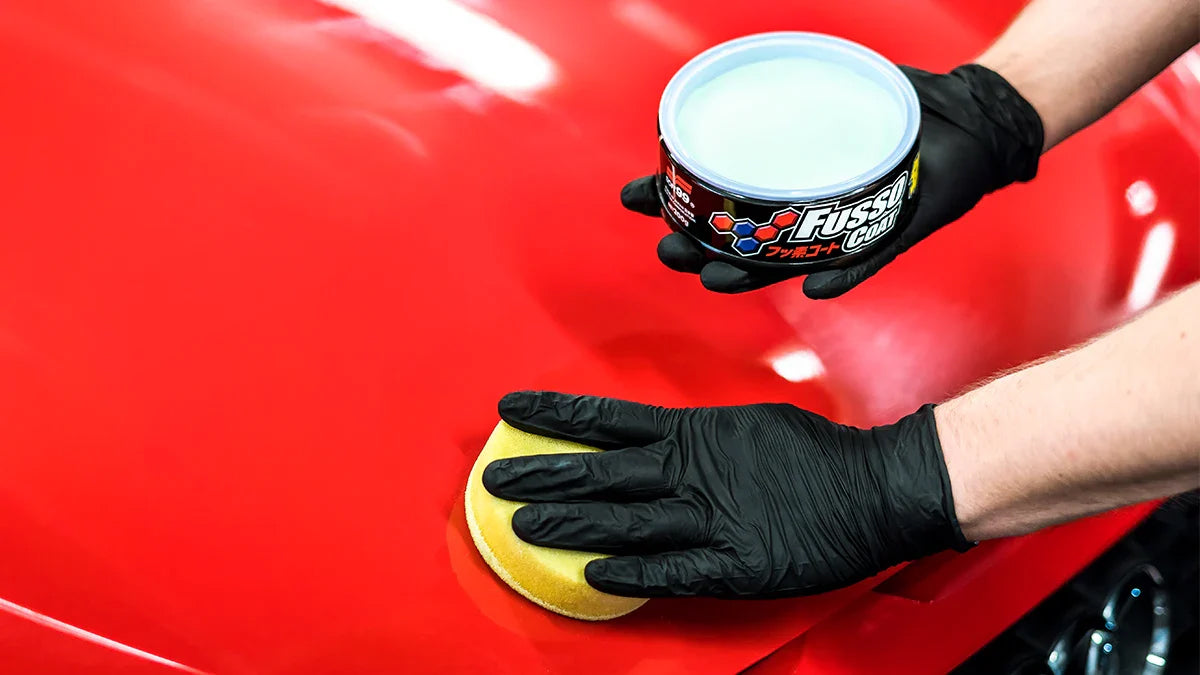
Use a soft applicator pad or cloth. Apply a small amount of wax at a time. Spread wax in small, circular motions. Cover one section fully before moving on. Avoid thick layers; thin coats work best. Let the wax haze over, usually 5 to 10 minutes. Check the product label for exact timing.
Drying And Buffing Tips
Once wax hazes, use a clean microfiber cloth. Buff the wax off with gentle, circular strokes. Use light pressure to avoid scratches. Change cloth sides often to avoid smearing. Buff until the surface shines and feels smooth. Proper buffing brings out the deep shine and protection.
Frequency Of Waxing
Knowing how often to wax your car keeps its shine and protection strong. The right frequency depends on many things. Wax does not last forever. It wears off with time and use. Regular waxing helps maintain a smooth, glossy surface. It also guards paint from dirt and sun damage. Understanding when to wax can save time and money.
Factors Affecting Wax Longevity
Wax lasts longer on cars kept in garages. Sunlight breaks down wax faster outside. Rain, snow, and road salt also reduce wax life. The type of wax matters. Some last a few weeks, others months. Frequent washing can remove wax faster. Using harsh soaps strips wax quicker. Driving on rough roads wears wax down. Each factor changes how often you need to wax.
Seasonal Waxing Tips
Wax more often during summer and winter. Hot sun fades paint and wax. Snow and salt cause corrosion. Spring and fall are good times to reapply wax. After winter, wax protects against salt damage. Before summer, wax guards from UV rays. Adjust waxing to fit your local weather. This keeps your car’s paint fresh all year.
Signs Your Car Needs Waxing
Look for dull or faded paint. Water no longer beads on the surface. Dust and dirt stick easily. The car feels rough to the touch. Wax may look scratched or uneven. These signs mean the wax layer is gone. It’s time to clean and reapply wax. Regular checks help keep your car protected.
Common Waxing Mistakes
Waxing a car seems simple but many make mistakes that reduce shine. These errors can damage your paint or waste time. Knowing common waxing mistakes helps keep your car looking great longer.
Over-waxing Issues
Applying too many wax coats does not improve protection. It causes buildup that looks cloudy and dull. Wax layers can trap dirt and grime, harming the paint. Over-waxing wastes product and effort without real benefit.
Waxing Dirty Surfaces
Wax sticks poorly on dirty or dusty cars. Dirt scratches paint when rubbed during waxing. The wax cannot seal properly on grime. Always clean and dry your car before waxing for best results.
Using Wrong Products
Some waxes do not suit all car types or paint finishes. Using the wrong product can cause streaks or uneven shine. Avoid harsh chemicals that strip existing protection. Choose wax designed for your car’s paint type.
Maintaining Your Car’s Shine
Keeping your car’s shine bright takes more than just waxing. Careful maintenance helps the wax last longer. It also protects your paint from dirt and damage. Follow simple steps to keep your car looking fresh and clean every day.
Small habits can make a big difference. Regular care keeps the wax strong and your car sparkling.
Regular Washing Techniques
Wash your car often to remove dirt and dust. Use a soft sponge or cloth to avoid scratches. Choose car wash soap instead of household cleaners. Rinse well with clean water. Dry with a soft towel to stop water spots. Clean paint holds wax better and lasts longer.
Using Quick Detailers
Quick detailers help keep shine between washes. Spray lightly on the car surface. Wipe gently with a microfiber cloth. This removes light dust and fingerprints. It adds a thin layer of protection. Quick detailers refresh the wax without buildup.
Protecting Wax Finish
Keep your car out of direct sun when possible. Park in shade or use a car cover. Avoid parking near trees that drop sap or bird droppings. Clean any spots quickly to prevent damage. Reapply wax every few months to keep the finish strong. A protected wax finish keeps your car shiny longer.

Credit: www.youtube.com
Credit: www.drbeasleys.com
Frequently Asked Questions
How Many Coats Of Wax Should I Apply On A Car?
Typically, one to two coats of wax provide optimal protection and shine. More than two coats may cause buildup and dullness.
Can Multiple Wax Coats Damage My Car’s Paint?
Applying excessive wax layers can trap dirt and cause uneven surfaces, potentially harming the paint over time.
How Often Should I Wax My Car For Best Results?
Waxing every three to four months maintains protection and shine. Frequency depends on climate and driving conditions.
Does Applying More Wax Improve Car Paint Protection?
Additional coats don’t necessarily improve protection beyond two layers. Quality wax and proper application matter more.
Conclusion
Applying two to three coats of wax keeps your car’s shine fresh. One coat protects, but multiple layers add extra defense. Wait for each coat to dry before adding the next. Too many coats can make the surface dull or sticky.
Regular waxing helps maintain your car’s paint and value. A simple routine goes a long way in car care. Remember, quality wax and proper application matter most. Keep your car looking great with the right wax layers.


