

Are you thinking about wrapping your car with vinyl but unsure how much material you’ll need? Getting the right amount of vinyl is key to a smooth, professional-looking finish without wasting money.
Too little, and you’ll run into problems midway; too much, and you’re paying for extra you don’t need. You’ll discover exactly how many feet of vinyl to wrap your car, with clear tips to help you measure and plan. Keep reading to make your car wrap project easier and more cost-effective!
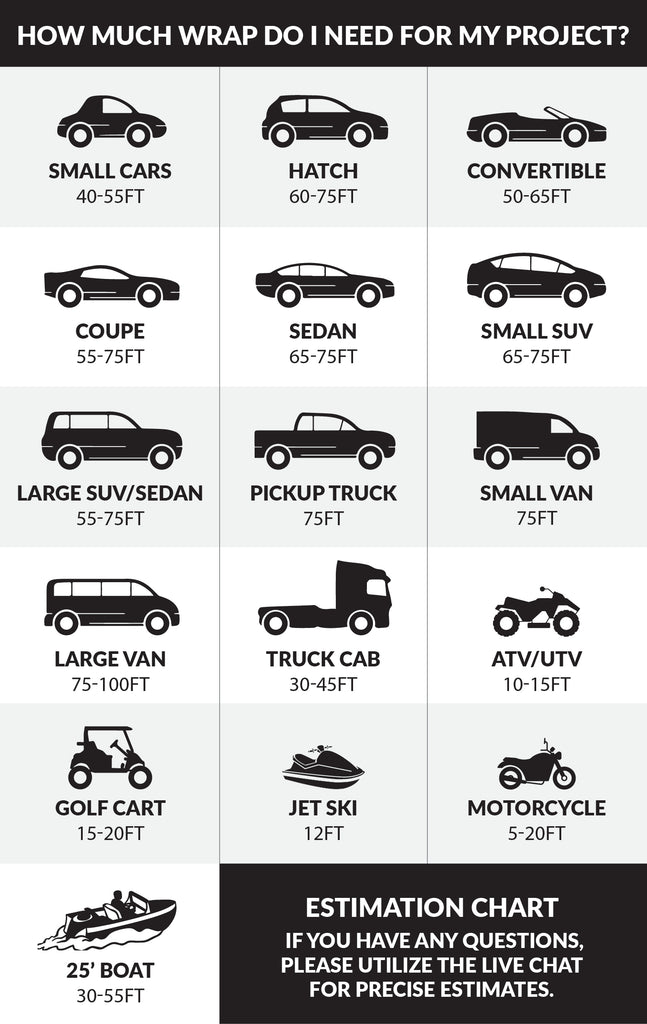
Credit: metrorestyling.com
Measuring Your Car
Measuring your car accurately is the first step in determining how much vinyl you need. This process helps avoid buying too little or too much material. Taking clear, precise measurements ensures a smooth wrapping job without surprises.
Key Dimensions To Track
Start by measuring the length of your car from front to back. Note the width at the widest points, including side mirrors if you plan to wrap them. Measure the height from the ground to the roof. Don’t forget the doors, hood, roof, and trunk separately. Track curved or unique shapes carefully, as they need extra vinyl. Write down all numbers clearly to avoid mistakes.
Tools Needed For Accurate Measurement
Use a tape measure that stretches at least 25 feet. A flexible tape works best for curved surfaces. Have a notepad or digital device ready to record measurements. A helper can hold the tape for better accuracy. A laser distance measurer can speed up the process but is not required. Make sure the car is clean for clear measuring points.
Vinyl Wrap Basics
Vinyl wrap basics help you understand what you need for your car project. A vinyl wrap covers your car’s surface with a thin plastic film. This film changes the car’s look without paint. It can protect your car from scratches and sun damage. Knowing the basics saves time and money. It makes the wrapping process easier and more successful.
Choosing the right vinyl wrap and size is key. Different types of vinyl serve different purposes. Also, vinyl rolls come in standard sizes to fit various cars. Understanding these points helps you buy the right amount of vinyl.
Types Of Vinyl Wrap Material
There are several types of vinyl wrap materials. Cast vinyl is flexible and lasts longer. It is ideal for cars with curves and edges. Calendered vinyl is thicker and cheaper but less flexible. It works well on flat surfaces. Matte, gloss, and satin finishes give different looks. Some vinyl types have air-release technology. This makes installation easier by reducing bubbles.
Standard Vinyl Roll Sizes
Vinyl rolls come in standard widths and lengths. Most common widths are 48 inches and 60 inches. Roll lengths vary from 10 to 100 feet. A typical car wrap needs about 50 to 75 feet of vinyl. Larger vehicles may require more. Buying extra vinyl is smart to cover mistakes or small parts.
Calculating Vinyl Footage
Calculating the right amount of vinyl is key to wrapping a car well. Too little vinyl means extra trips to the store. Too much vinyl wastes money and space. Knowing how to measure vinyl footage helps you buy the right amount. It saves time and effort during the wrap process.
Estimating Surface Area
Start by measuring the car’s main parts. Measure the hood, doors, roof, and trunk. Use a tape measure to get length and width. Multiply length by width for each part. Add all areas together to find total surface area. This total shows how much flat vinyl you need.
Remember to measure curved parts carefully. Curves need more vinyl than flat spots. Add a little extra for these areas. It helps cover the shape smoothly without gaps.
Adding Extra For Overlaps And Errors
Always add extra vinyl for overlaps. Overlaps help join vinyl pieces tightly. They prevent edges from lifting over time. Add about 10 to 15 percent more vinyl than your surface area estimate.
Include extra footage for mistakes too. Wrapping can be tricky, and small errors happen. Extra vinyl lets you fix spots without stopping the job. It also covers hidden areas like inside door edges.
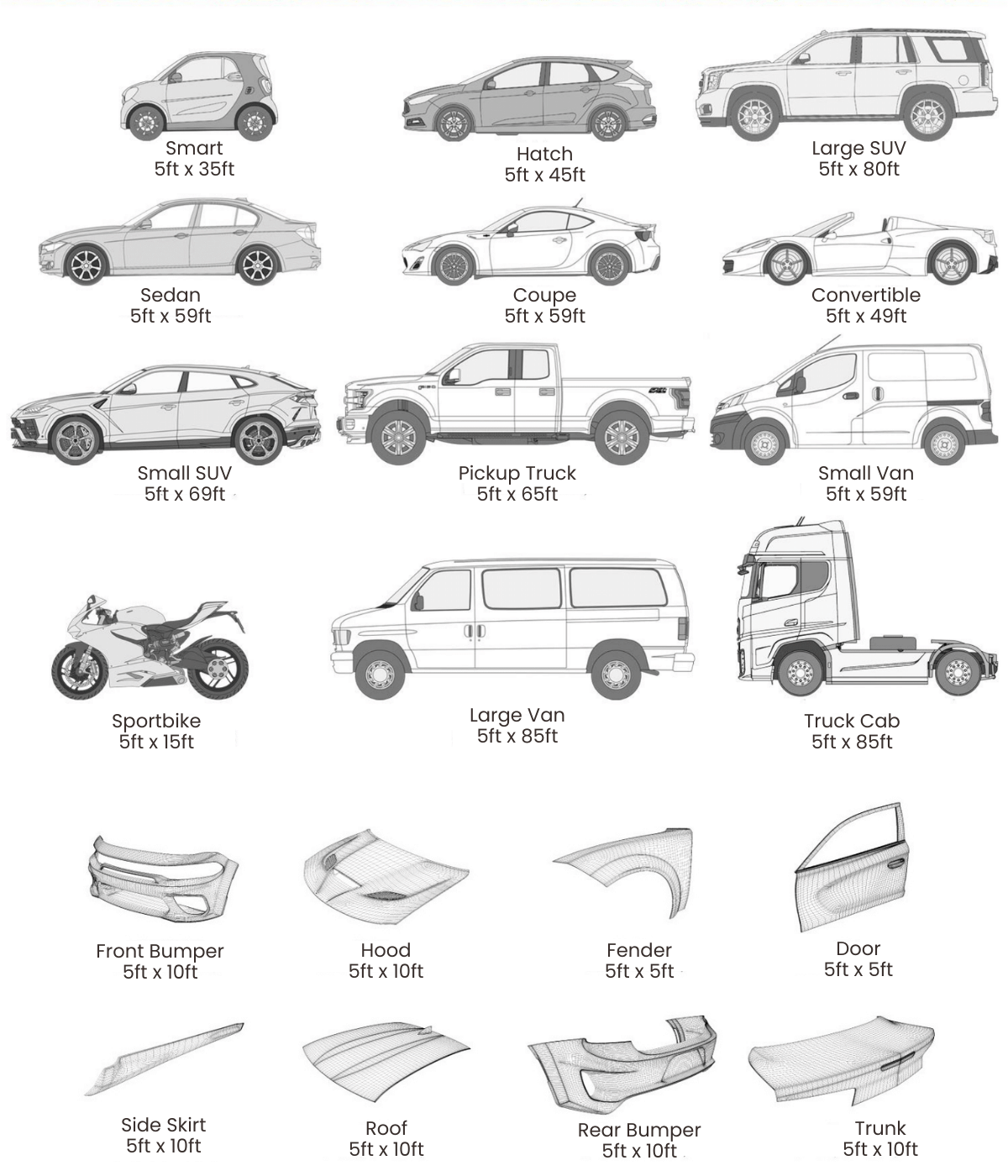
Credit: yeswrap.com
Wrap Size By Vehicle Type
Knowing how much vinyl wrap you need depends on your vehicle type. Different vehicles require different amounts of vinyl to cover the entire surface. Choosing the right size helps avoid wasting material and ensures a smooth finish.
Compact Cars
Compact cars are smaller and use less vinyl. On average, 50 to 75 feet of vinyl wrap covers most compact cars. This size fits models like hatchbacks and small coupes. Compact cars have fewer curves, making wrapping easier and faster.
Sedans And Suvs
Sedans and SUVs need more vinyl due to their larger size. Usually, 75 to 100 feet of vinyl works well for these vehicles. SUVs have bigger surfaces and more complex shapes. Sedans also require careful wrapping to cover doors and bumpers.
Trucks And Larger Vehicles
Trucks and large vehicles demand the most vinyl. Expect to use 100 to 150 feet or more for full coverage. These vehicles have high sides and long beds. Wrapping them requires extra material for all angles and edges.
Tips For Efficient Wrapping
Wrapping a car with vinyl requires focus and care. Efficient wrapping saves vinyl material and time. Proper steps ensure a smooth, clean finish without bubbles or wrinkles. Follow these tips to make the process easier and get great results.
Preparing The Car Surface
Clean the car thoroughly before starting. Dirt and dust stop vinyl from sticking well. Use soap and water to wash the surface. Dry the car fully with a soft cloth. Remove any wax or grease with rubbing alcohol. Check for dents or scratches and fix them. A smooth surface helps vinyl lay flat and look neat.
Managing Vinyl Waste
Plan the vinyl cuts carefully to reduce waste. Measure the car parts and add extra vinyl for errors. Cut pieces close to the size needed. Avoid large leftover scraps that cannot be reused. Save small vinyl pieces for touch-ups later. Proper waste management lowers costs and helps the environment.
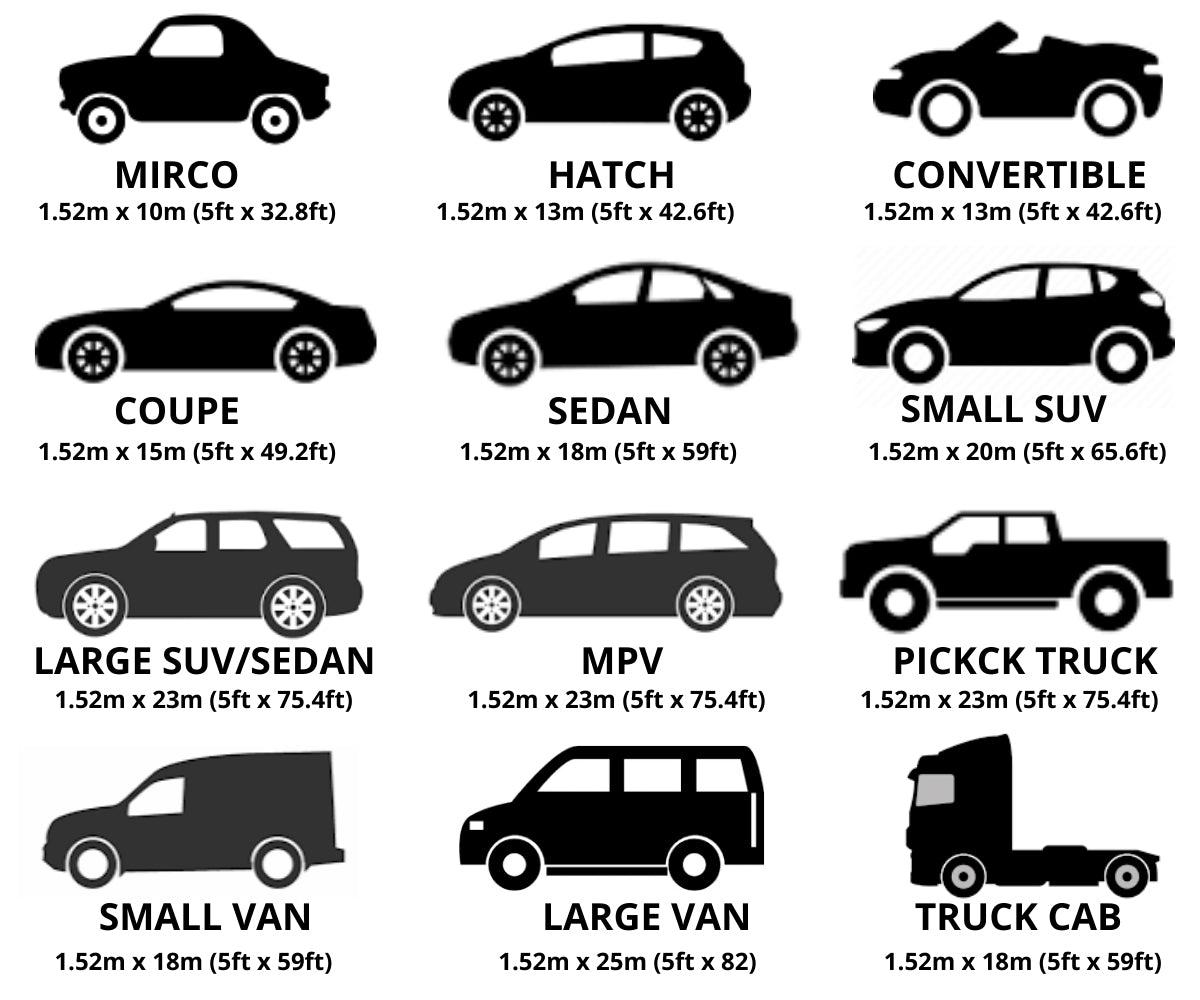
Credit: carlikewrap.com
Cost Considerations
Cost is a key factor when planning to wrap a car with vinyl. It affects the choice of materials and whether to hire a pro or do it yourself. Understanding cost helps avoid surprises and keeps the project on budget.
Costs vary based on the quality of vinyl and the car size. Extra tools or services can add up quickly. Knowing these expenses early is smart for smooth wrapping.
Material Costs
Vinyl rolls usually come in widths of 50 to 60 inches. A full car wrap needs about 50 to 75 feet of vinyl. Prices range from $2 to $5 per foot. Higher quality vinyl costs more but lasts longer.
Some vinyl has special finishes, like matte or chrome. These styles cost more than basic colors. You also need primer or cleaning supplies, which add to the total.
Professional Vs Diy Wrapping
Hiring a professional costs $2,000 to $5,000 on average. Pros bring experience, tools, and a smooth finish. They handle tricky spots like curves and seams well.
DIY wrapping saves money but needs time and skill. Vinyl rolls cost less, but you must buy tools like squeegees and heat guns. Mistakes can waste material and money.
Deciding depends on your budget and confidence. Professionals give quality results. DIY suits those who want to learn and save cash.
Frequently Asked Questions
How Many Feet Of Vinyl Wrap Does A Car Need?
Typically, a full car wrap requires 50 to 75 feet of vinyl. This amount covers all panels, doors, and bumpers. The exact footage depends on the car’s size and complexity of design. Always measure your vehicle or consult a professional for accuracy.
Can I Use Less Vinyl For A Partial Car Wrap?
Yes, partial wraps need significantly less vinyl, usually 10 to 30 feet. The coverage area and design complexity determine the exact amount. Partial wraps focus on specific sections like hoods or roofs, saving material and cost.
What Factors Affect The Amount Of Vinyl Needed?
Vehicle size, shape, and wrap design complexity affect vinyl requirements. Larger cars or SUVs need more vinyl than compact cars. Intricate designs require extra material for precise cuts and overlaps, increasing the total vinyl needed.
How Do I Calculate Vinyl Wrap Footage For My Car?
Measure your car’s length and width, then multiply for total surface area. Add extra footage for overlaps and mistakes, usually 10-15% more. Use these measurements to estimate vinyl needed or consult a professional installer.
Conclusion
Wrapping a car with vinyl needs careful measuring. Usually, 50 to 75 feet of vinyl covers most cars. Bigger vehicles need extra vinyl to cover all surfaces. Always buy a little more to avoid running short. Cutting and fitting takes practice and patience.
With the right amount, your car will look fresh and new. Planning ahead saves time and money in the long run. Now you know how many feet of vinyl you might need. Ready to start your car wrap project?


