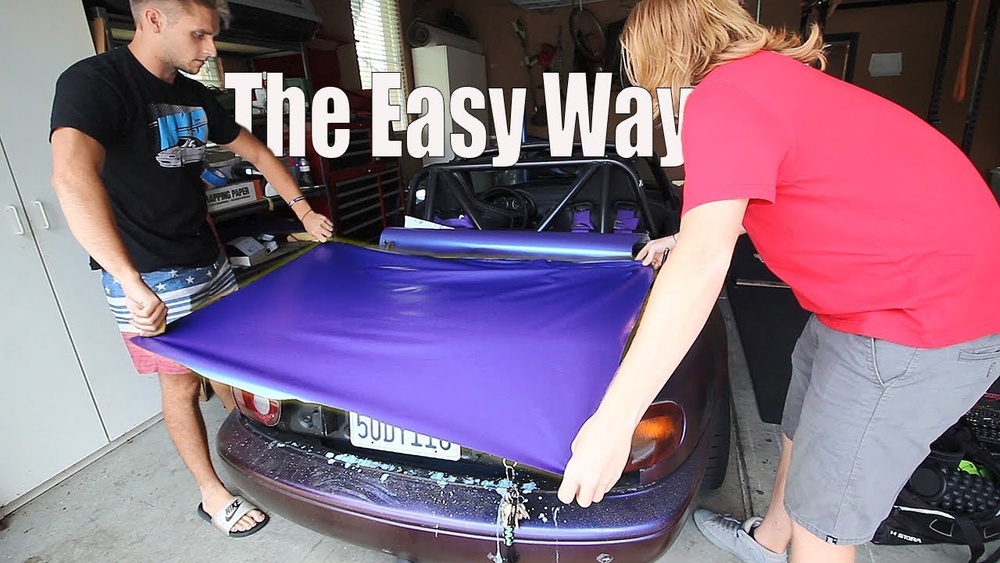
Thinking about wrapping your car but unsure how much vinyl you’ll need? You’re not alone.
Getting the right amount of vinyl is key to a smooth, flawless wrap without wasting money or materials. You’ll discover exactly how much vinyl it takes to cover different types of vehicles. By the end, you’ll feel confident to plan your project and avoid common mistakes that can cost you time and money.
Keep reading to find out what goes into calculating the perfect vinyl wrap for your car.
Factors Affecting Vinyl Wrap Size
Measuring your vehicle is the first step in figuring out how much vinyl you need to wrap it. Accurate measurements ensure you buy the right amount of vinyl. This prevents waste and helps the wrap fit perfectly. Focus on the main parts of your car and take notes. Use a tape measure and write down each dimension carefully.
Length, Width, And Height
Start by measuring the length of your car from front to back. Next, measure the width at the widest point, usually across the doors. Then measure the height from the bottom of the car to the roof. These three numbers give you a basic size of your car. Add a few extra inches to each measurement for overlap and mistakes.
Curves And Contours
Cars are not just flat surfaces. They have curves and shapes that affect the vinyl wrap. Measure around fenders, bumpers, and any curved areas. These parts may need more vinyl to cover properly. Take note of deep curves or edges, as vinyl stretches differently in these areas. More vinyl helps avoid gaps and bubbles on curves.
Windows And Mirrors
Windows and mirrors usually do not get wrapped. Measure their sizes to subtract from the total vinyl needed. Count side mirrors, rearview mirrors, and any large windows. This step helps avoid buying too much vinyl. Keep in mind some people choose to wrap parts of mirrors or window trims. Measure carefully for these if you plan to wrap them.
Measuring Your Vehicle
Understanding standard vinyl roll sizes is key before wrapping a car. Knowing the width and length helps estimate how much vinyl you need. This saves money and avoids running short during the project. Vinyl rolls come in specific sizes suited for car wrapping tasks. These sizes fit most vehicle shapes and surfaces well.
Common Widths
Vinyl rolls usually come in widths of 24, 48, or 60 inches. The 48-inch width is most popular for car wraps. It covers large areas quickly and reduces seams. Narrower rolls like 24 inches work well for smaller parts. Wider rolls help cover curved surfaces with fewer cuts. Choosing the right width makes the wrap process smoother.
Typical Lengths
Lengths of vinyl rolls vary from 10 to 100 feet. Most car wraps need rolls between 25 and 50 feet long. This length is enough for full car coverage or partial wraps. Longer rolls reduce the need for extra splices on big jobs. Shorter rolls work fine for small areas like mirrors or bumpers. Always check your vehicle size before buying vinyl.
Available Colors And Finishes
Vinyl wraps come in many colors and finishes. Matte, gloss, satin, and textured options are common. Each finish changes the car’s look and feel. Bright colors stand out, while matte offers a subtle style. Textured finishes add depth and character to the wrap. A wide color range lets you customize your car easily.
Standard Vinyl Roll Sizes
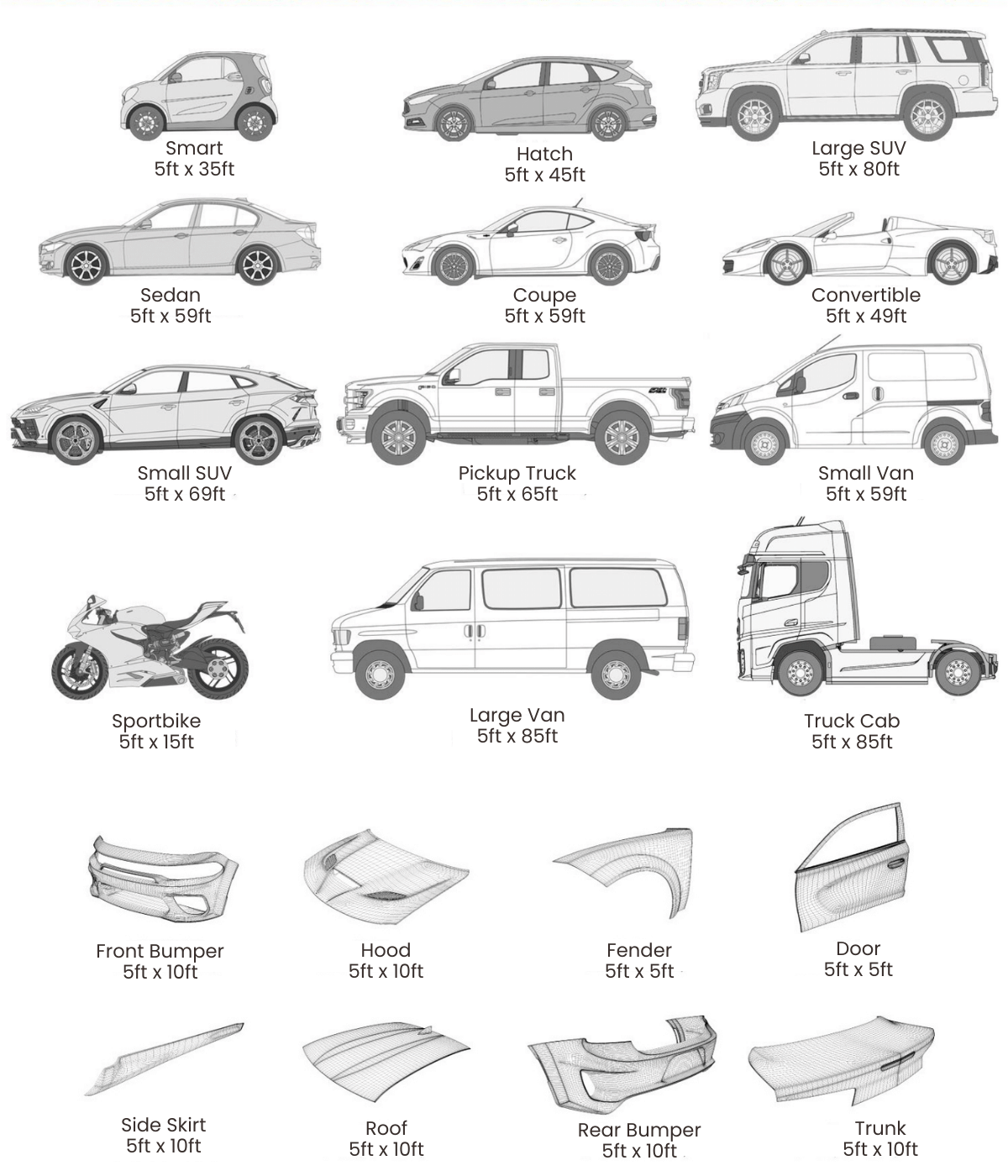
Calculating how much vinyl you need to wrap a car is important. It helps avoid buying too little or too much material. This section breaks down the steps to measure the vinyl needed with care and accuracy.
Estimating Surface Area
Start by measuring the car’s length, width, and height. Multiply these numbers to get a rough surface area. Don’t forget to include mirrors, bumpers, and roof. These parts add to the total area you need to cover.
Allowing For Overlaps And Errors
Always add extra vinyl for overlaps. Overlaps help make smooth edges and strong joins. Also, add some material for mistakes or cuts. A good rule is to add 10-15% more vinyl than the surface area.
Adjusting For Design Complexity
Complex designs need more vinyl than simple wraps. Curves, creases, and small details require careful cutting. This means extra vinyl to handle curves without gaps. Plan for this extra amount before you start wrapping.
Credit: yeswrap.com
Calculating Vinyl Needed
Reducing vinyl waste saves money and protects the environment. Car wrapping requires careful use of vinyl sheets. Wasting vinyl means higher costs and more trash. The following tips help you use vinyl wisely and reduce leftover scraps.
Efficient Layout Planning
Plan the vinyl cuts before starting the wrap. Arrange pieces close together to avoid gaps. Use software or paper templates to map cuts. This reduces scrap and keeps the vinyl tidy. Efficient layout saves both material and time.
Using Smaller Rolls For Detail Work
Choose smaller vinyl rolls for small parts and curves. Large rolls waste material on tiny sections. Small rolls fit better around mirrors and trims. This approach cuts down on leftover vinyl pieces. It also makes detailed work easier and cleaner.
Professional Vs Diy Approaches
Professionals often waste less vinyl due to skill and tools. They plan cuts carefully and handle vinyl with precision. DIY projects may cause more waste from mistakes and trial runs. Learning basic wrapping skills improves vinyl use. Practice and patience help reduce scrap in DIY wraps.
Tips To Reduce Vinyl Waste
Wrapping a car with vinyl is a great way to change its look. Many people try this project but make simple mistakes. These mistakes can cost time, money, and effort. Knowing common errors helps you avoid them. It makes the process smoother and the results better.
Underestimating Material Needs
Many people buy too little vinyl. They forget to add extra for curves and mistakes. Vinyl comes in rolls, but cars have many shapes. Always buy more than the exact measurement. This extra material helps cover tricky spots. Running out mid-way causes delays and extra trips to the store.
Ignoring Surface Preparation
People often skip cleaning the car fully. Dirt, dust, and oil stop vinyl from sticking well. Even small particles cause bubbles and wrinkles. Washing and drying the car carefully is key. Use a good cleaner to remove grease. A smooth surface helps the vinyl stay longer and look better.
Skipping Professional Advice
Some try to wrap cars without any guidance. Wrapping needs skill and special tools. Professionals know how to handle curves and edges. They avoid common pitfalls and save material. Asking for tips or watching tutorials helps a lot. It prepares you for the challenges and makes the job easier.

Credit: www.jdpower.com
Credit: metrorestyling.com
Frequently Asked Questions
How Much Vinyl Wrap Is Needed For A Standard Car?
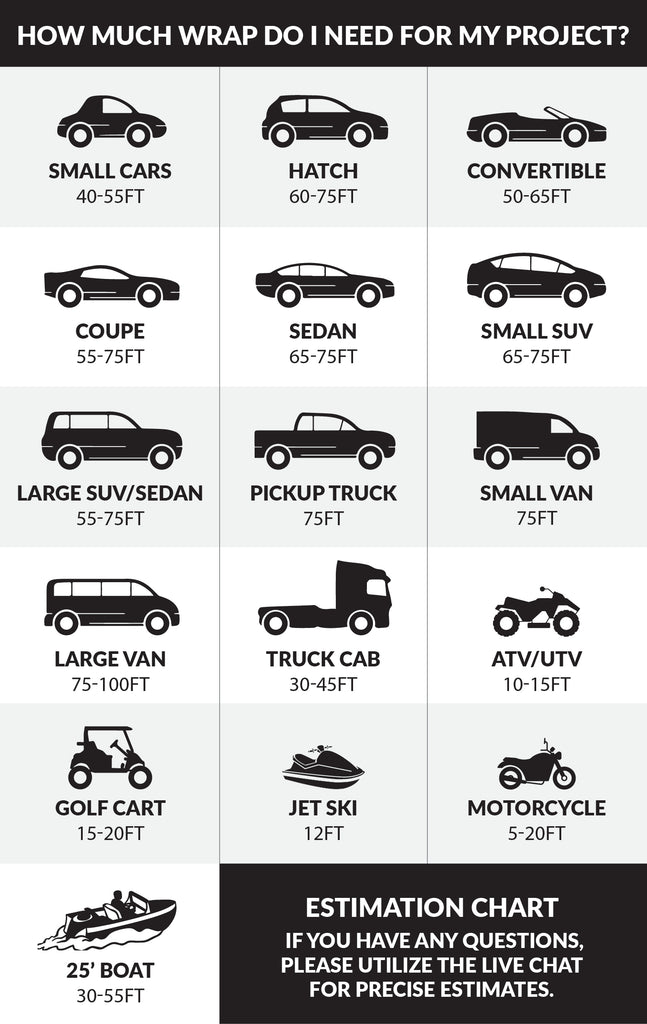
Typically, 50 to 75 square feet of vinyl is required to wrap a standard car. This covers all exterior surfaces, including doors, hood, roof, and bumpers. Larger vehicles may need more vinyl for a full wrap.
Can I Wrap My Car With Less Than 50 Feet Of Vinyl?
Using less than 50 square feet is usually insufficient for a full car wrap. Partial wraps or accents may use less vinyl, but a complete wrap demands enough material to cover all panels without gaps.
Does Vehicle Size Affect Vinyl Wrap Quantity?
Yes, larger vehicles like SUVs or trucks require more vinyl. Compact cars need less, while bigger models need 75 to 100 square feet or more. Always measure your vehicle to estimate accurate vinyl needs.
How To Estimate Vinyl For Complex Car Shapes?
Complex shapes need extra vinyl for curves and edges. Adding 10-20% more vinyl than flat surface area ensures full coverage and easier installation without running short of material.
Conclusion
Wrapping a car needs careful planning and the right amount of vinyl. Usually, a full wrap requires about 50 to 60 feet of vinyl. Smaller cars use less, larger ones need more. Always buy extra vinyl to cover mistakes or tricky spots.
Cutting corners can cause problems and waste money. Measure your car well and choose quality vinyl for best results. With the right amount, your car wrap will look smooth and last long. Simple steps lead to great results.