

Are you looking to give your furniture a fresh, stylish look without spending a fortune? Wrapping your furniture with vinyl might be the easiest and most cost-effective way to transform your space.
Imagine turning an old table or dresser into a sleek, modern piece that stands out—all by yourself. In this guide, you’ll discover simple steps and insider tips that make vinyl wrapping smooth and fun, even if you’ve never tried it before.
Ready to unlock the secret to instant furniture makeovers? Keep reading, and you’ll be amazed at how easy it can be.
Choosing The Right Vinyl
Choosing the right vinyl is key to a successful furniture wrap. The vinyl must fit the style and shape of your furniture. It also needs to be easy to work with and last long. Picking the best vinyl helps you get a smooth, professional look. This section covers the types of vinyl, colors and finishes, and how to measure for materials.
Types Of Vinyl Wraps
There are several types of vinyl wraps. Cast vinyl is thin and flexible. It works well on curved furniture. Calendared vinyl is thicker and less flexible. It suits flat surfaces better. Some vinyls have air-release technology. This makes bubbles easier to remove. Choose vinyl that matches your furniture’s shape and use.
Colors And Finishes
Vinyl comes in many colors and finishes. Matte finishes give a soft, smooth look. Glossy finishes add shine and brightness. Satin finishes are in between matte and glossy. You can find vinyl with wood, metal, or leather patterns. Pick a color and finish that matches your room’s style.
Measuring For Materials
Measure your furniture carefully before buying vinyl. Measure height, width, and depth. Add extra vinyl for wrapping edges and corners. It is better to have more vinyl than too little. Accurate measuring helps avoid mistakes and waste. Write down all measurements before purchasing materials.
Preparing Furniture Surface
Preparing the furniture surface is a key step before wrapping it with vinyl. A clean and smooth surface helps the vinyl stick better and last longer. Taking time to prepare the surface prevents bubbles, wrinkles, and peeling later.
Cleaning And Sanding
Start by cleaning the furniture well. Use mild soap and water to remove dirt and grease. Dry it completely with a soft cloth. Sand the surface lightly using fine-grit sandpaper. This roughens the surface just enough to help the vinyl stick. Wipe off any dust after sanding.
Repairing Imperfections
Look for scratches, dents, or cracks on the furniture. Use wood filler or putty to fix these spots. Apply the filler smoothly and let it dry. Sand the repaired areas to make them even with the rest of the surface. Clean off the dust to keep the surface smooth.
Removing Hardware
Remove knobs, handles, or any other hardware. This makes wrapping easier and cleaner. Use a screwdriver to take off all removable parts. Keep the hardware safe for reattaching later. Wrapping around hardware can cause bumps and damage the vinyl.
Tools And Supplies Needed
Wrapping furniture with vinyl needs some specific tools and supplies. These help you achieve a smooth and clean finish. Having the right items makes the job easier and faster.
Choosing quality tools can prevent mistakes and save material. Prepare your workspace and gather all items before you start. This section lists what you need for a successful vinyl wrap project.
Essential Tools
- Squeegee: Removes air bubbles and smooths the vinyl.
- Utility Knife: Cuts vinyl precisely around edges and corners.
- Heat Gun: Softens vinyl for better stretching and fitting.
- Measuring Tape: Measures furniture dimensions accurately.
- Cleaning Cloth: Cleans surface before applying vinyl.
- Gloves: Protect hands and keep vinyl clean.
Helpful Accessories
- Masking Tape: Holds vinyl in place during application.
- Plastic Card: Assists in pushing out air bubbles in tight spots.
- Soft Brush: Helps press vinyl into textured surfaces.
- Spray Bottle: Applies soapy water to reposition vinyl easily.
- Roller: Ensures firm adhesion and removes wrinkles.
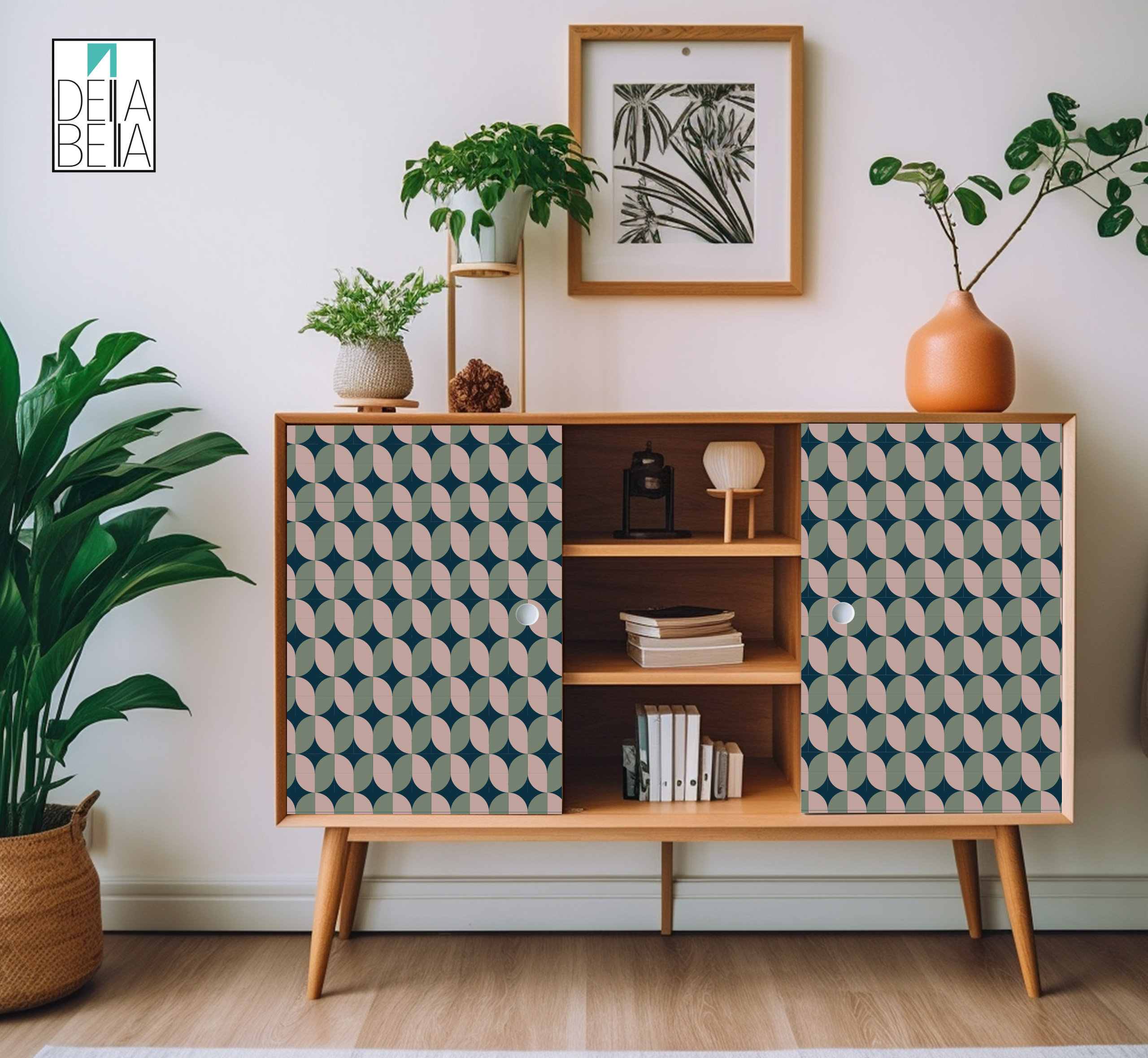
Credit: www.etsy.com
Cutting And Positioning Vinyl
Cutting and positioning vinyl is a key step in wrapping furniture. It sets the foundation for a smooth, professional look. Careful measurements and neat cuts prevent waste and wrinkles. Proper alignment ensures the vinyl fits perfectly. Handling curves and edges takes patience but improves the finish. Follow these steps to achieve a clean, attractive wrap.
Measuring And Cutting Panels
Measure the furniture carefully before cutting the vinyl. Use a tape measure for accuracy. Add a few extra inches on each side to cover edges. Mark the vinyl lightly with a pencil or chalk. Cut straight lines using a sharp utility knife or scissors. Cutting in panels helps manage large pieces better. Smaller sections are easier to handle and apply smoothly.
Aligning The Vinyl
Start aligning the vinyl from one corner or edge. Smooth it out slowly to avoid bubbles. Use a squeegee or plastic card to press the vinyl flat. Work from the center outward to push air out. Check the alignment several times before sticking down. Proper positioning prevents wrinkles and uneven surfaces. Patience during this step leads to a neat result.
Handling Curves And Edges
Vinyl can be tricky around curves and edges. Warm the vinyl slightly with a heat gun or hair dryer. This makes it more flexible and easier to stretch. Stretch gently over curved areas, avoiding tears. Use a squeegee to press vinyl into corners and edges firmly. Trim any excess vinyl carefully with a sharp blade. Take your time for smooth, clean contours.
Applying The Vinyl Wrap
Applying vinyl wrap to furniture requires careful attention and steady hands. This step transforms plain surfaces into stylish pieces. Proper application ensures a smooth, lasting finish. Follow these simple techniques for best results.
Peeling And Placing
Start by peeling a small section of the vinyl backing. Avoid removing all backing at once to prevent the vinyl from sticking to itself. Align the vinyl carefully with the furniture edge. Place the exposed part gently on the surface. Check the position before pressing it down firmly.
Smoothing Out Bubbles
Use a soft squeegee or cloth to press the vinyl. Move from the center outward to push air bubbles out. Work slowly and steadily to avoid wrinkles. If bubbles appear, lift the vinyl slightly and reapply. Smooth surfaces help the wrap look neat and professional.
Using Heat For Flexibility
A heat gun or hairdryer softens the vinyl for curves and edges. Warm the vinyl gently to make it more flexible. Stretch it carefully around corners and rounded shapes. Heat helps the vinyl stick better and prevents lifting later. Avoid overheating to protect the vinyl’s finish.
Finishing Touches
Finishing touches give your vinyl-wrapped furniture a clean, polished look. They make sure the vinyl stays put and looks neat. This step is important for a professional finish and long-lasting results.
Trimming Excess Vinyl
Start by carefully cutting off extra vinyl around the edges. Use a sharp utility knife for smooth cuts. Trim close but be careful not to cut the furniture. Clean cuts help the vinyl lie flat and look tidy.
Reattaching Hardware
Put back any knobs, handles, or other hardware you removed. Do this gently to avoid tearing the vinyl. Tighten screws slowly to keep the vinyl from shifting. This step restores the furniture’s original function and style.
Sealing Edges
Seal the vinyl edges with heat or adhesive tape. Heat helps the vinyl stick better and prevents peeling. Use a heat gun or hairdryer on a low setting. Press edges firmly for a smooth seal. Sealing protects your work and keeps the vinyl secure.
Common Mistakes To Avoid
Wrapping furniture with vinyl can refresh old pieces and add style. Many beginners make common mistakes that affect the final look. Avoid these errors to get smooth, clean results. Understanding these pitfalls helps save time and material.
Wrinkles And Air Bubbles
Wrinkles and air bubbles spoil the smooth vinyl look. These happen when the vinyl is not stretched evenly. Use a squeegee to push air out from the center. Work slowly and apply steady pressure. Small bubbles may disappear over time, but large ones need fixing immediately.
Improper Surface Prep
Clean the furniture surface before wrapping. Dirt, dust, or grease stops vinyl from sticking well. Use mild soap and water or rubbing alcohol for cleaning. Dry the surface fully before applying vinyl. A smooth surface helps the vinyl lay flat and last longer.
Overstretching Vinyl
Stretching vinyl too much can cause damage or distortion. Pull the vinyl just enough to fit the shape. Overstretching makes the vinyl thinner and weakens the material. It also creates uneven textures and wrinkles. Use heat carefully to shape vinyl without overstretching it.

Credit: www.youtube.com
Maintenance Tips
Maintaining vinyl-wrapped furniture keeps it looking fresh and new for years. Proper care prevents damage and extends the life of the wrap. Follow these simple tips to protect your investment and enjoy your furniture’s new look.
Cleaning Wrapped Furniture
Use a soft cloth or sponge to clean the vinyl surface. Mild soap mixed with water works best. Avoid harsh chemicals or abrasive cleaners that can damage the vinyl. Wipe gently in circular motions to remove dirt and stains. Dry the surface with a clean, dry cloth to prevent water spots.
Avoiding Damage
Keep sharp objects away from the wrapped furniture. Avoid placing hot items directly on the vinyl wrap. Use coasters or mats to protect the surface. Limit exposure to direct sunlight to prevent fading. Be careful when moving furniture to avoid scratches or tears.
When To Rewrap
Look for signs like peeling edges or visible scratches. Fading or discoloration indicates the wrap is aging. If the vinyl starts to lift or bubble, it’s time to rewrap. Regular inspection helps catch damage early. Rewrapping refreshes the furniture’s appearance and protects the surface underneath.

Credit: www.decorwrap.co.uk
Frequently Asked Questions
What Materials Are Needed To Wrap Furniture With Vinyl?
To wrap furniture with vinyl, you need vinyl sheets, a squeegee, a utility knife, a heat gun, and cleaning supplies. Clean the surface well before application for better adhesion. These tools help achieve a smooth and professional finish.
How Do You Prepare Furniture Before Vinyl Wrapping?
Clean the furniture surface thoroughly to remove dust and grease. Sand rough areas gently for smoothness. Ensure the surface is dry before applying vinyl to improve adhesion and prevent bubbles.
Can Vinyl Wrap Be Removed Without Damaging Furniture?
Yes, vinyl wrap can be removed without damage if done carefully. Use heat to soften the adhesive and peel slowly. Avoid using sharp tools to prevent scratches or surface damage.
How Long Does Vinyl Wrapping Last On Furniture?
Vinyl wrapping typically lasts 5 to 7 years with proper care. Avoid sharp objects and excessive moisture to extend its life. Regular cleaning with mild soap keeps the vinyl looking fresh.
Conclusion
Wrapping furniture with vinyl can refresh your space quickly. It protects your pieces and adds new style. Take your time to measure and apply the vinyl carefully. Small bubbles can be smoothed out with a simple tool. Practice on a small piece before starting the main surface.
Clean and dry the furniture well for best results. This project saves money and lets you customize your home. Try different colors and patterns to find what suits you. Enjoy the process and watch your furniture transform nicely.


